How to Get Rid of an Ear Infection From Earrings & Safe Gift Guide
Learn how to get rid of an ear infection from earrings and discover the ultimate hypoallergenic jewelry gift guide for sensitive ears.

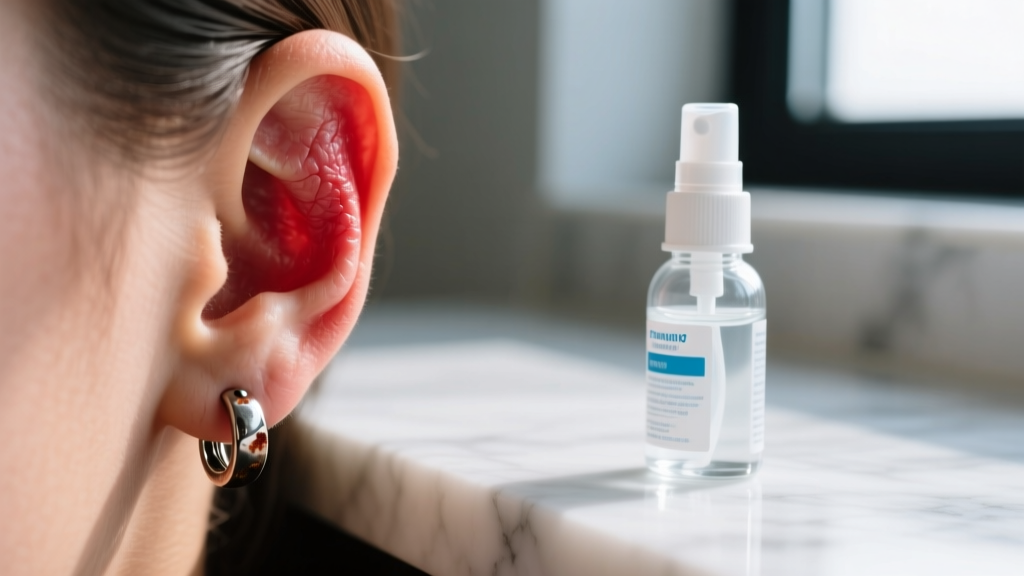
Gifting fine jewelry is a timeless gesture for anniversaries, milestones, and holidays. However, it becomes a complex minefield when the recipient suffers from reactive ears or chronic piercing irritation. If your partner or friend is currently dealing with a painful flare-up, you must first understand how to get rid of an ear infection from earrings before you even think about presenting them with a new velvet box.
In 2026, the intersection of dermatological science and fine jewelry has given us better options than ever for sensitive ears. This guide bridges the gap between clinical aftercare and luxury gifting, ensuring your present brings joy—not a trip to the urgent care clinic.
The Dilemma: Differentiating Infection from Contact Dermatitis
Before treating the ear, you must identify the root cause. The vast majority of what people call an 'earring infection' is actually Allergic Contact Dermatitis, usually triggered by nickel alloys hidden in 'gold-plated' or 'surgical steel' jewelry.
- True Infection: Characterized by localized heat, throbbing pain, yellow/green purulent discharge, and sometimes a fever. Caused by bacteria like Staphylococcus aureus or Pseudomonas.
- Contact Dermatitis: Characterized by intense itching, flaky skin, clear fluid weeping, and a red rash that perfectly matches the shape of the jewelry. According to the American Academy of Dermatology, nickel allergy affects up to 18% of adults, making it the primary culprit behind earring rejections.
How to Get Rid of an Ear Infection From Earrings: A Clinical Protocol
If a true bacterial infection is present, or if the ear is severely reacting to a toxic alloy, follow this step-by-step protocol to restore the tissue's health before introducing new jewelry.
Step 1: The 0.9% Sterile Saline Soak
Ditch the DIY sea salt recipes, which often have incorrect ratios that dehydrate and damage healing tissue. Purchase a sterile 0.9% sodium chloride wound wash with no additives. Spray it onto a sterile non-woven gauze and hold it against the ear for 3–5 minutes, twice daily. This softens lymphatic crusties and flushes away bacteria without destroying the delicate fibroblast cells trying to repair the fistula (the piercing tunnel).
Step 2: Downsize and Upgrade the Material
Do not remove the jewelry unless directed by a doctor, as the hole can close and trap the infection inside, forming an abscess. Instead, visit a professional piercer to have the current piece swapped for an ASTM F136 implant-grade titanium flat-back labret. Titanium is entirely nickel-free and biologically inert.
Step 3: Avoid the 'Kitchen Sink' Mistakes
Never apply rubbing alcohol, hydrogen peroxide, tea tree oil, or Neosporin to an irritated piercing. Alcohol and peroxide cause cellular necrosis, delaying healing. Ointments like Neosporin suffocate the wound and trap moisture, creating a breeding ground for Pseudomonas bacteria.
The Sensitive-Ears Gift Guide: Occasion Matching
Once the ear is on the mend, it is time to find a safe, luxurious replacement. When shopping for someone with reactive ears, you must look beyond the 'hypoallergenic' marketing label—a term that is largely unregulated. Instead, focus on exact material grades and mechanical structures.
Anniversaries & Milestones: Solid Gold & Threadless Ends
For major milestones, 14k or 18k solid gold is the standard. However, be highly cautious with white gold. To achieve its silvery color, white gold is frequently alloyed with nickel. Instead, gift 18k yellow or rose gold, or opt for platinum. Brands like BVLA and Maria Tash offer exquisite 14k and 18k threadless ends that snap securely into a titanium post, eliminating the need for butterfly backs.
Birthdays & Holidays: Niobium & High-Polish Titanium
For everyday wear or secondary cartilage piercings, Niobium is an incredible, under-the-radar gift. Niobium is a pure element (not an alloy) and is highly biocompatible. It can also be anodized to create stunning, permanent colors like deep purples, teals, and golds without using any dyes or plating that could flake off and irritate the ear.
Material Safety Matrix for Gifting
| Material | Safety Grade | Nickel Content | Best Occasion |
|---|---|---|---|
| ASTM F136 Titanium | Excellent | 0% | Healing piercings, highly reactive ears |
| Niobium (99.9% Pure) | Excellent | 0% | Colorful cartilage hoops, everyday studs |
| 18k Solid Yellow Gold | Very Good | Trace/None | Anniversaries, luxury lobe studs |
| 14k Solid White Gold | Poor | High (usually) | Avoid for sensitive ears |
| 'Surgical' Stainless Steel | Fair | 8-12% | Temporary wear only, not for gifts |
For a deeper dive into metallurgical standards for body jewelry, the Association of Professional Piercers provides exhaustive guidelines on acceptable alloys and surface finishes.
Gauge Sizes, Backings, and Fit: The Hidden Culprits
Even if the metal is pure, poor mechanical design will cause an infection. The traditional 'butterfly back' or 'friction clutch' earring is a primary failure mode for sensitive ears. The tight backing traps dead skin, sweat, and bacteria against the earlobe, while the thin post (often 20-gauge or 22-gauge) creates a 'cheese cutter' effect, slowly migrating through the tissue under the weight of the earring.
Expert Insight: Always gift flat-back labrets with a threadless or internally threaded post. A 16-gauge (1.2mm) or 18-gauge (1.0mm) post provides enough surface area to distribute weight evenly, preventing tissue tearing and allowing the fistula to rest comfortably.
When gifting hoops or huggies, look for 'clicker' closures made from solid 18k gold or titanium. Clickers feature a seamless, hinged closure that snaps shut with a satisfying click, avoiding the sharp, jagged edges of traditional wire-loop hoops that scrape the delicate piercing channel upon insertion.
When to See a Professional (And Pause the Gifting)
While knowing how to get rid of an ear infection from earrings is empowering, you must recognize when home care is insufficient. According to the Mayo Clinic, if the redness spreads beyond the immediate piercing site, if the ear feels hot to the touch, or if the individual develops a fever, they require prescription oral antibiotics.
Furthermore, cartilage infections (perichondritis) are medical emergencies. Cartilage lacks its own blood supply, meaning an infection can rapidly destroy the tissue, leading to permanent 'cauliflower ear' deformity. If the gift recipient is dealing with a cartilage flare-up, pause the jewelry gifting. Instead, gift them a high-quality, silk sleep mask or a specialized travel pillow designed to relieve pressure from side-sleeping, allowing the ear to breathe and heal.
The Final Verdict on Safe Gifting
Gifting earrings to someone with sensitive ears requires a shift from fashion-first thinking to anatomy-first thinking. By prioritizing ASTM-certified metals, threadless mechanics, and proper gauge thickness, you transform a potential health hazard into a deeply thoughtful, luxurious experience. Treat the infection with sterile precision, upgrade their jewelry wardrobe with biocompatible metals, and your gift will be worn comfortably for a lifetime.


