How to Treat an Infected Earring Piercing: A Recovery Gift Guide
Learn how to treat an infected earring piercing and discover the best hypoallergenic jewelry gifts and aftercare kits to soothe sensitive ears.

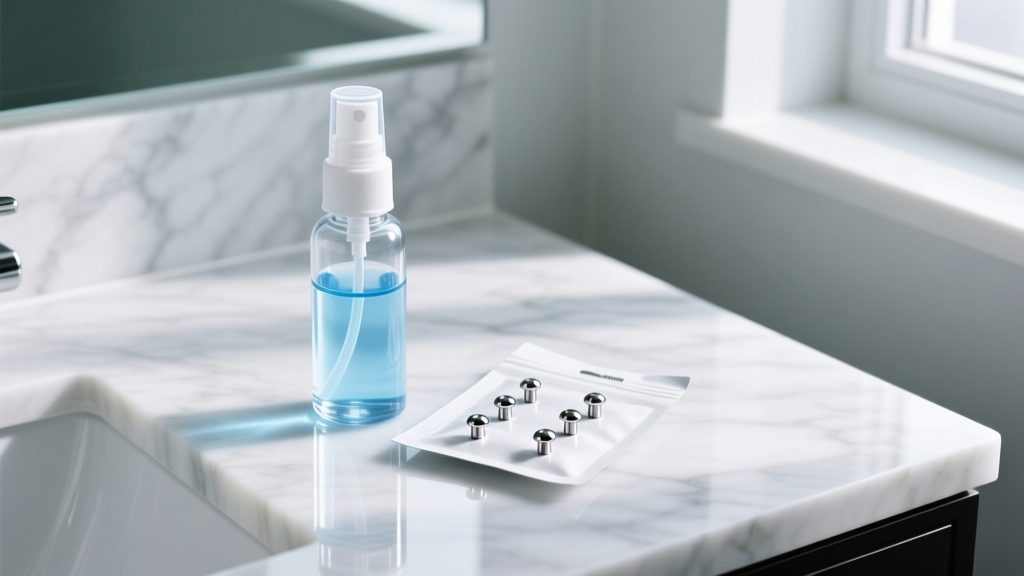
Gifting earrings for birthdays, holidays, or anniversaries is a timeless gesture. However, the joy of unwrapping a new pair of hoops or studs can quickly turn into pain and frustration if the recipient develops a severe reaction. When fashion jewelry containing nickel, brass, or zinc alloys meets a fresh or sensitive piercing, the result is often contact dermatitis that rapidly mimics—or invites—a bacterial infection. If your thoughtful gift has inadvertently caused discomfort, you need to know exactly how to treat an infected earring piercing and how to make amends with a curated recovery gift. This guide bridges the gap between medical aftercare and high-end, hypoallergenic jewelry gifting, ensuring your loved one's ears heal beautifully.
The Unwanted Gift: When New Earrings Cause Infections
Before diving into treatment, it is crucial to understand why certain jewelry gifts trigger adverse reactions. Many commercial earrings are crafted from 'surgical steel'—a largely unregulated marketing term that often contains high levels of nickel. When nickel leaches into the fistula (the healed tunnel of skin forming the piercing channel), the body's immune system launches an attack, resulting in swelling, itching, and weeping fluid. This compromised skin barrier then becomes a breeding ground for Staphylococcus aureus, the bacteria responsible for most true piercing infections.
Furthermore, the mechanics of the jewelry matter. Traditional 'butterfly' backings trap dead skin cells, sebum, and moisture against the earlobe, creating a dark, damp environment where bacteria thrive. If you gifted a piece of jewelry that utilizes these friction backs, the design itself may be the root cause of the irritation.
Step-by-Step: How to Treat an Infected Earring Piercing
If your loved one is experiencing pain, heat, and swelling, follow these professional aftercare protocols to salvage the piercing and promote healing.
1. The Saline Soak Protocol
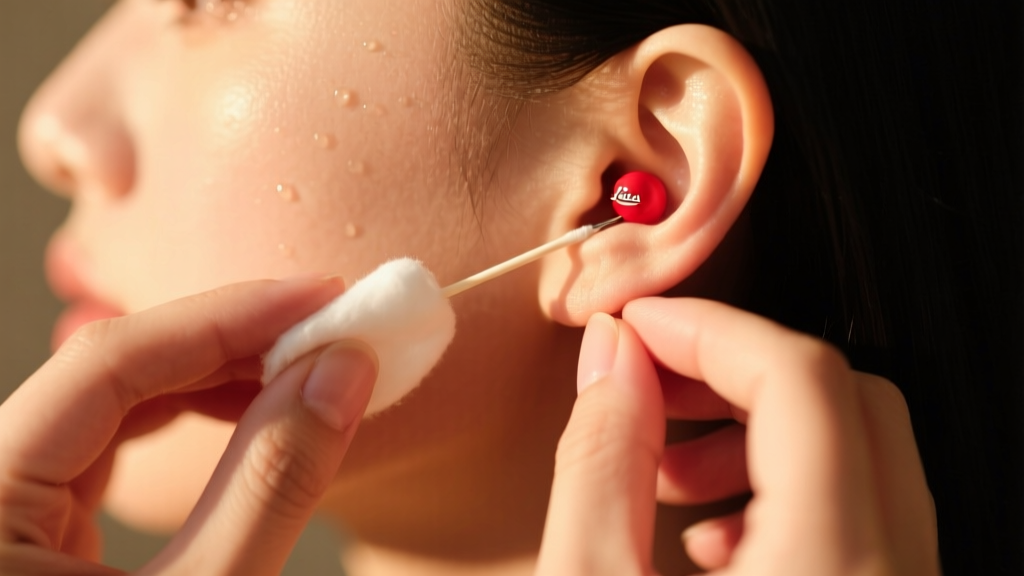
The absolute gold standard for piercing aftercare is a sterile 0.9% sodium chloride wound wash. This isotonic solution matches the body's natural salinity, meaning it cleanses the area without disrupting cellular osmosis or drying out the delicate healing tissue. Gift them a high-quality saline spray, such as NeilMed Piercing Aftercare, and instruct them to spray it directly onto the piercing twice daily. Avoid homemade sea salt solutions, as improper ratios can severely dehydrate the fistula and cause hypertrophic scarring.
2. The 'Leave It In' Rule (Gauge & Material Context)
Counterintuitively, the worst thing you can do for an infected piercing is to remove the jewelry. If the earring is taken out, the surface of the fistula will rapidly close, trapping the infection inside the tissue and potentially forming a painful abscess. The jewelry acts as a drain. However, if the current jewelry is too tight or made of reactive metals, it must be swapped by a professional piercer for an ASTM F136 implant-grade titanium flat-back labret. Titanium is completely biocompatible and non-magnetic, ensuring zero allergic interference while the body fights the infection.
3. Cytotoxic Agents to Avoid
Warning: Never gift or recommend rubbing alcohol, hydrogen peroxide, tea tree oil, or antibiotic ointments like Neosporin for piercing aftercare. These substances are highly cytotoxic, meaning they destroy the fibroblasts (the cells responsible for building new collagen and tissue) required for healing.
The Apology Upgrade: Gifting Safe Jewelry for Healing
Once the acute infection is managed, the best way to apologize for a reactive jewelry gift is to provide a safe, high-quality upgrade. When shopping for sensitive or healing ears, you must look for specific material grades and structural designs. Below is a framework for selecting the perfect recovery jewelry.
| Material | Required Grade | Best Gifting Occasion | Estimated Price Range |
|---|---|---|---|
| Titanium | ASTM F136 (Implant-Grade) | Fresh piercings, severe nickel allergies, active infections | $30 - $85 |
| Gold | 14k or 18k Solid (Nickel-Free) | Healed piercings, milestone anniversaries, graduations | $150 - $500+ |
| Niobium | 99.9% Pure (Ungilded) | Color-anodized alternatives for metal-sensitive recipients | $25 - $60 |
| Glass | Borosilicate / Fused Quartz | Stretching lobes, MRI-safe requirements, extreme sensitivities | $15 - $40 |
When selecting the upgrade, pay close attention to the gauge size (the thickness of the post). Standard earlobe piercings are typically 20g or 18g, while cartilage piercings (like the helix or conch) are usually 16g or 14g. Gifting a 20g post for a 16g cartilage piercing will cause the 'cheese-cutter effect,' where the thin wire migrates through the tissue due to uneven weight distribution. Additionally, opt for threadless (press-fit) or internally threaded ends. Externally threaded jewelry has ridges that tear the delicate fistula lining upon insertion, causing micro-trauma that invites secondary infections.
Curated Recovery Gift Baskets for Piercing Lovers
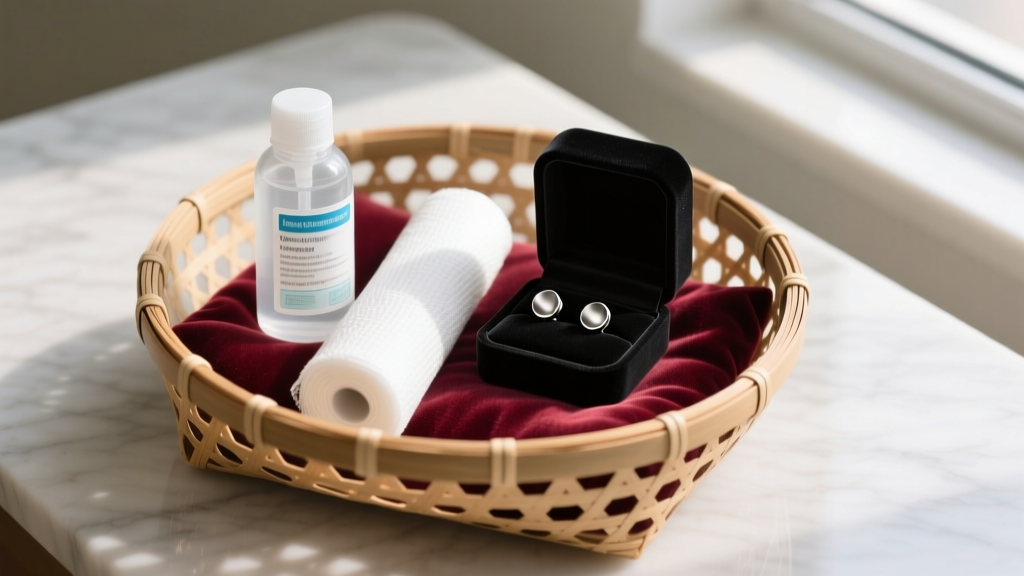
If you want to go above and beyond, assemble a 'Piercing Recovery Basket.' This thoughtful, highly specific gift shows that you care about their comfort and long-term ear health. Here are two tailored concepts based on the piercing location:
Basket 1: The Cartilage Rescue Kit
Cartilage piercings are notoriously prone to irritation bumps and prolonged healing times due to limited blood flow. This basket is perfect for a loved one struggling with a stubborn helix or tragus piercing.
- Sterile Wound Wash: Two cans of 0.9% sterile saline spray (no preservatives).
- Non-Woven Gauze: Standard cotton balls and Q-tips shed microscopic fibers that can become embedded in the healing fistula. Non-woven gauze is lint-free and safe for drying the area after cleansing.
- Titanium Flat-Back Labret (16g): A simple, polished ASTM F136 titanium post with a 3mm or 4mm bezel-set gemstone. The flat back prevents the jewelry from pressing into the side of the head while sleeping.
- U-Shaped Travel Pillow: A specialized piercing pillow that allows the recipient to sleep on their side without putting direct pressure on the healing cartilage.
Basket 2: The Lobe Soothe & Upgrade Set
For a recipient whose earlobes are reacting to cheap fashion alloys, this basket focuses on soothing the skin and providing a luxurious, safe replacement.
- Hypoallergenic Cleanser: A gentle, fragrance-free, tea-tree-free liquid soap for cleaning the outer ear during showers.
- Solid Gold Huggies (14k/18k): Once the infection has completely cleared and the fistula is fully healed (usually 3-6 months), these seamless, nickel-free gold hoops make a stunning, safe milestone gift.
- Silk Hair Wrap: To prevent hair from tangling around the earring posts and causing friction-based irritation bumps.
When to See a Professional (Medical Red Flags)
While most piercing irritations can be managed with proper aftercare and a jewelry upgrade, true bacterial infections require medical intervention. According to the Healthline medical network, you should advise your loved one to seek immediate medical attention if they experience any of the following symptoms:
- Spreading Erythema: Redness that expands outward from the piercing site, especially if it feels hot to the touch or forms red streaks.
- Purulent Discharge: Thick, foul-smelling pus that is dark yellow, green, or brown (note: clear or pale white fluid is normal lymph, not pus).
- Systemic Symptoms: Fever, chills, nausea, or swollen lymph nodes in the neck or jawline.
- Embedded Jewelry: If the swelling is so severe that the earring backing or front gem is sinking into the skin, a professional piercer or doctor must remove it immediately to prevent tissue necrosis.
The Association of Professional Piercers (APP) strongly recommends consulting a physician for suspected infections, as oral antibiotics may be necessary to clear the systemic bacteria, alongside a professional jewelry swap to implant-grade titanium.
Conclusion: Thoughtful Gifting Means Prioritizing Ear Health
Discovering that a well-intentioned jewelry gift has caused an infection is stressful, but it provides a valuable opportunity to educate and upgrade. By understanding how to treat an infected earring piercing with sterile saline and biocompatible materials, you can help your loved one navigate the healing process safely. Swapping reactive fashion alloys for ASTM F136 titanium or solid 14k gold not only resolves the immediate medical issue but also gifts them a lifelong staple piece they can wear without fear. True luxury in jewelry isn't just about the sparkle; it's about the safety, craftsmanship, and respect for the body that wears it.


