Fairy Wing Earrings: Troubleshooting Bends, Snags, and Weight
Fix common fairy wing earring issues like bent filigree, snagging, and heavy earlobes. Expert repair tips, metal guides, and styling hacks.

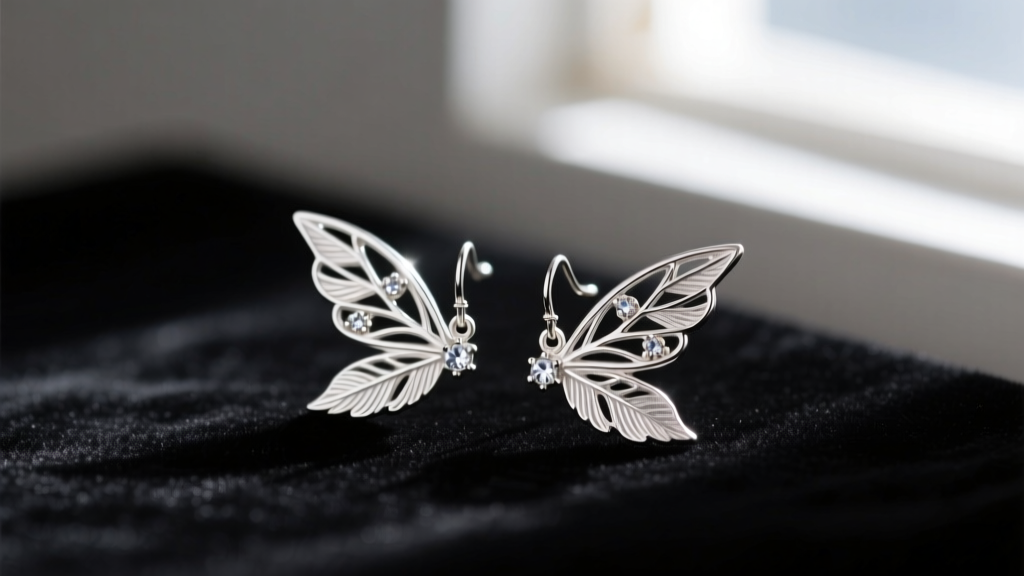
Fairy wing earrings are a staple of ethereal, fantasy-inspired, and high-fashion jewelry. Whether you are wearing delicate hand-wired filigree or bold, 3D-cast statement pieces, the intricate anatomy of wing-shaped earrings makes them uniquely susceptible to damage. In 2026, as modular and oversized fairy wing designs continue to dominate festival and editorial styling, wearers are increasingly facing structural failures that standard jewelry guides simply do not address. From warped silhouettes and relentless hair-snagging to severe earlobe drooping, these intricate accessories require specialized troubleshooting. This comprehensive guide dives deep into the metallurgy, mechanics, and practical repair strategies required to maintain and fix your fairy wing earrings, ensuring they remain as flawless as the day you bought them.
The Anatomy of Fairy Wing Earrings and Common Failure Points
To troubleshoot effectively, you must first understand how your earrings were manufactured. Fairy wing earrings generally fall into three structural categories: die-struck, cast, and hand-fabricated filigree. Die-struck wings are stamped from sheet metal, offering high density and resistance to bending, but they can suffer from micro-fractures along the sharp outer edges if dropped. Cast wings, often made from 925 sterling silver or brass, are prone to porosity—tiny internal air bubbles that create weak points. According to the Gemological Institute of America (GIA), sterling silver is inherently soft and malleable, meaning cast filigree wings will easily warp if subjected to lateral pressure.
Hand-fabricated filigree wings, which are typically constructed by soldering 20-gauge (0.81mm) or 22-gauge (0.64mm) wires into a skeletal wing frame, present a different set of challenges. The primary failure point is the solder joint where the delicate outer "feathers" of the wing meet the central structural spine. When these joints fail, the wing loses its symmetry and begins to collapse inward. Furthermore, base-metal alloys (often marketed as "Tibetan Silver" or zinc alloy) lack the crystalline memory of precious metals; instead of bending, they will snap cleanly when stressed, making at-home repair nearly impossible.
Troubleshooting Bent or Warped Wings
If your fairy wing earrings have been crushed in a jewelry box or bent during wear, do not attempt to bend them back into shape with your bare fingers. Human hands apply uneven torque, which will twist the central spine and ruin the planar symmetry of the wing. Instead, you need to employ professional bench techniques.
The Reshaping Protocol
- Tools Required: Nylon-jaw pliers (never use bare steel pliers, which will mar the finish), a polished steel bench block, and a rawhide or nylon mallet.
- Planar Correction: Place the bent earring flat on the steel block. Using the rawhide mallet, gently tap the warped sections. The rawhide delivers force without marring the metal, encouraging the crystalline structure to relax back into a flat plane.
- Spine Realignment: If the central spine is twisted, grip the thickest part of the post or jump ring with your nylon-jaw pliers. Use a second pair of nylon pliers to gently apply counter-torque to the outer wing tip. Work in millimeter increments.
- Work Hardening: Once reshaped, the metal will be "soft" and prone to bending again. You can lightly work-harden the outer edges by tapping them against the steel block with a steel hammer, but be extremely careful not to strike any gemstone settings, as this will shatter the stones.
Solving the Snagging Problem on Hair and Lace
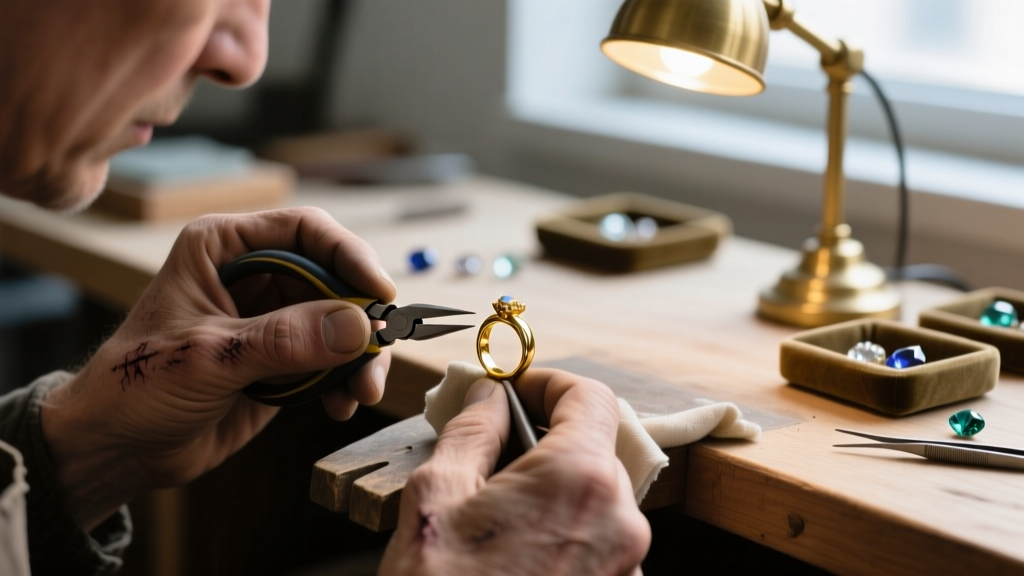
The most universally frustrating aspect of fairy wing earrings is their tendency to act as microscopic grappling hooks, catching on hair, sweaters, and delicate lace. This is almost always caused by "flush failures" during the manufacturing process, where the tips of the filigree wires or the edges of cast feathers are not perfectly filed down to meet the adjacent metal.
Perform the "Silk Test": drag a piece of sheer silk chiffon or a microfiber cloth across the surface of the earring. Wherever the fabric catches, you have a snag point. For minor snags on cast or solid metal wings, you can use a jeweler's burnishing tool or an agate burnisher to rub the sharp edge until it folds over and becomes flush. For hand-wired filigree where the wire ends simply didn't reach the solder joint, apply a microscopic drop of clear, jewelry-grade UV resin over the gap and cure it with a UV lamp. This creates a smooth, invisible bridge that eliminates the catch point without requiring expensive laser welding.
Weight Distribution: Preventing Earlobe Tearing and Drooping
Oversized fairy wing earrings are visually stunning, but their elongated, top-heavy silhouette creates a severe fulcrum effect on the earlobe. Large statement wings can easily weigh between 8 and 14 grams per earring. For context, a standard earlobe piercing can comfortably support up to 10 grams before the tissue begins to stretch and the earring points aggressively toward the floor.
Stabilization Frameworks
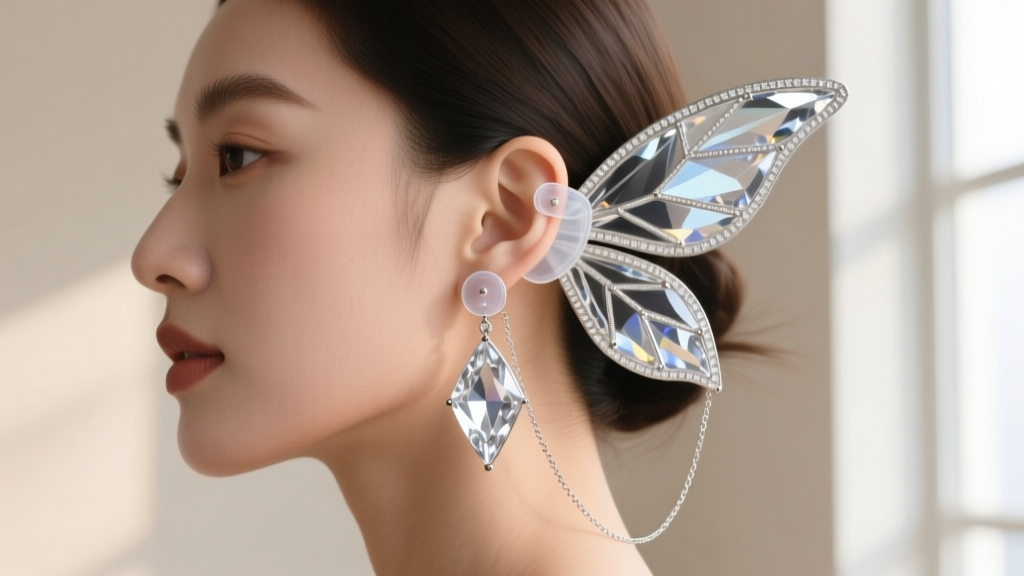
To solve the drooping issue, you must increase the surface area distributing the weight behind the earlobe. Ditch standard butterfly clutch backs immediately; they slip and offer zero structural support. Upgrade to La pousette clutch backs (which lock into a grooved post) or use silicone O-rings (specifically 4mm to 6mm in diameter) paired with a wide, flat metal disc back. For wings exceeding 12 grams, utilize clear silicone earlobe support patches (such as Lobe Wonder), which adhere directly to the back of the ear and feature a reinforced slit to bear the load of the earring post. Additionally, incorporating a delicate ear chain that connects the lobe piercing to a secondary helix piercing will completely offload the weight from the earlobe tissue.
| Metal Grade | Durability & Snag Risk | Repairability |
|---|---|---|
| 925 Sterling Silver | Soft; prone to bending and warping. Moderate snag risk if cast. | High; easily soldered and reshaped. |
| 14k Solid Gold | Excellent spring and memory. Low snag risk if polished. | High; requires laser or torch soldering. |
| Zinc Alloy (Base) | Brittle; snaps under pressure instead of bending. | None; cannot be soldered, must be glued. |
| Titanium (Grade 23) | Extremely rigid; will not bend, but cannot be resized. | Low; requires specialized argon arc welding. |
Cartilage vs. Lobe: Placement Troubleshooting
While fairy wing earrings are traditionally designed for standard lobe piercings, styling them in cartilage placements (like the helix or flat) introduces severe gauge and healing complications. Standard lobe earrings are typically manufactured with 20-gauge (0.81mm) or 18-gauge (1.0mm) posts. However, professional cartilage piercings are almost universally pierced at 16-gauge (1.2mm) or 14-gauge (1.6mm) to ensure tissue stability, as noted by the Association of Professional Piercers (APP).
Forcing a thin 20-gauge fairy wing post into a 16-gauge cartilage hole will cause the heavy wing to swing wildly, leading to the "cheese-cutter effect" where the thin wire slowly slices through the cartilage tissue. To troubleshoot this, you must use a taper converter or have a jeweler swap the standard post for a threadless 16-gauge titanium end. If the wing is attached via a jump ring, simply open the jump ring, remove the thin lobe post, and attach the wing directly to a 16-gauge captive bead ring or a flat-back labret stud. This ensures the heavy wing sits flush against the cartilage without compromising the structural integrity of the piercing.
Expert Maintenance and Storage Routine
Prevention is always superior to repair. Because of their sprawling, multi-pointed geometry, fairy wing earrings should never be tossed loosely into a communal jewelry box where they will inevitably interlock with other chains and tear each other apart. Store them individually in hard-shell, velvet-lined ring boxes or suspend them from a dedicated rack where the wings cannot touch any other objects. After every wear, wipe the filigree crevices with a dry, untreated microfiber cloth to remove skin oils and cosmetics, which can accelerate the oxidation of sterling silver and dull the finish of raw brass. By treating these intricate pieces with the mechanical respect they demand, you ensure their delicate architecture survives for years of wear.


