Gold Earrings With Blue Topaz: 2026 Value & Pricing Guide
Discover how to evaluate gold earrings with blue topaz in 2026. Learn pricing matrices, metal grades, and gemstone treatments to ensure true value.

The Gemological Reality: Natural vs. Treated Blue Topaz
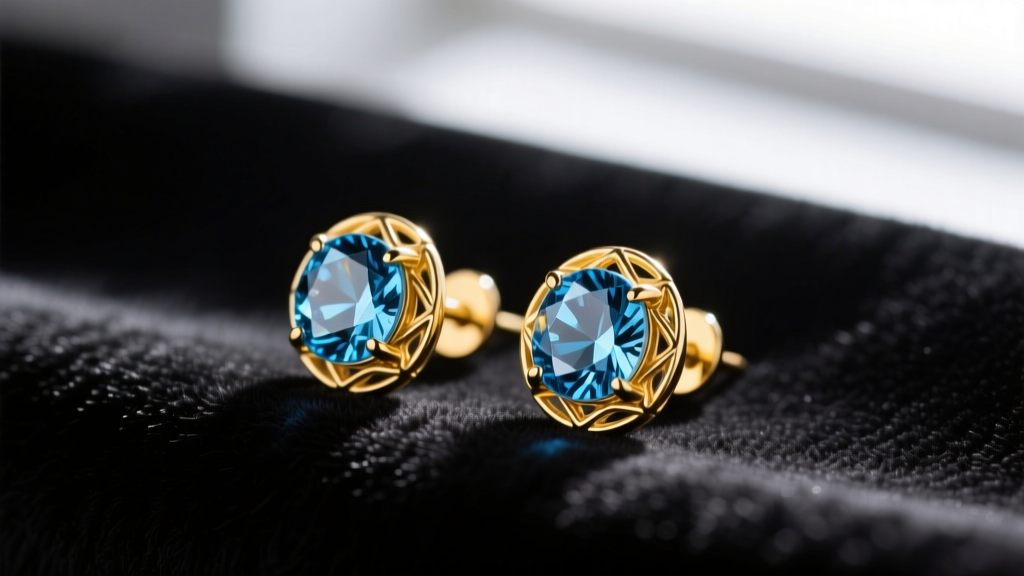
When evaluating the true value of gold earrings with blue topaz, the first step is understanding the gemstone itself. According to the Gemological Institute of America (GIA), naturally occurring blue topaz is exceptionally rare, typically very pale, and commands a massive premium. Consequently, nearly 99% of the blue topaz on the commercial market is actually colorless topaz that has been artificially irradiated and heat-treated to achieve its vibrant hue. This is not a deceptive practice; it is a permanent, universally accepted gemological enhancement. However, understanding the different tiers of treated blue topaz is critical for budget assessment.
The Three Tiers of Blue Topaz
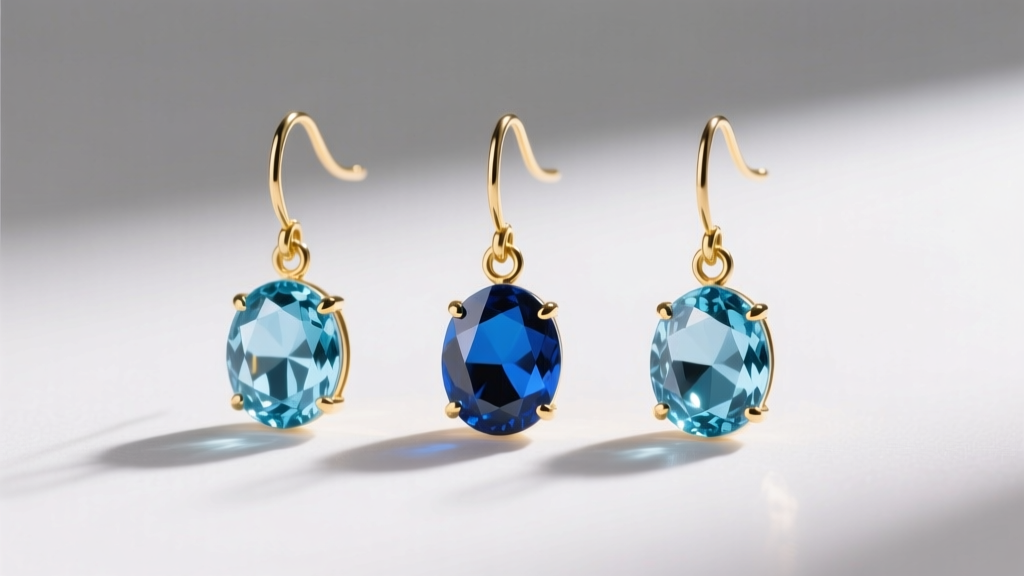
- Sky Blue: The lightest and most affordable shade. It requires the least intensive irradiation process (often using electron accelerators) and mimics the pale blue of an aquamarine. Because the rough material and processing time are minimal, Sky Blue topaz adds very little intrinsic cost to a pair of earrings.
- Swiss Blue: A vivid, medium-toned blue that is highly saturated. Achieving this color requires a longer exposure to gamma radiation (often via Cobalt-60) followed by precise heat treatment. Swiss Blue sits in the mid-tier of pricing and offers the best visual impact for everyday wear.
- London Blue: The deepest, most valuable shade, characterized by a dark, inky blue with subtle gray or green undertones. London Blue requires the most extensive and expensive irradiation process, often taking months to complete safely as the stones must sit in a lead vault until residual radiation dissipates. Expect to pay a 40% to 70% premium for London Blue over Swiss Blue.
Gold Alloys, Post Gauges, and Construction Quality
The metal setting dictates the baseline floor of your budget. In 2026, the price of raw gold continues to fluctuate, making the distinction between solid gold, vermeil, and plated jewelry more important than ever. When assessing gold earrings with blue topaz, you must look beyond the color and examine the structural integrity and alloy composition.
Solid Gold: 14k vs. 18k
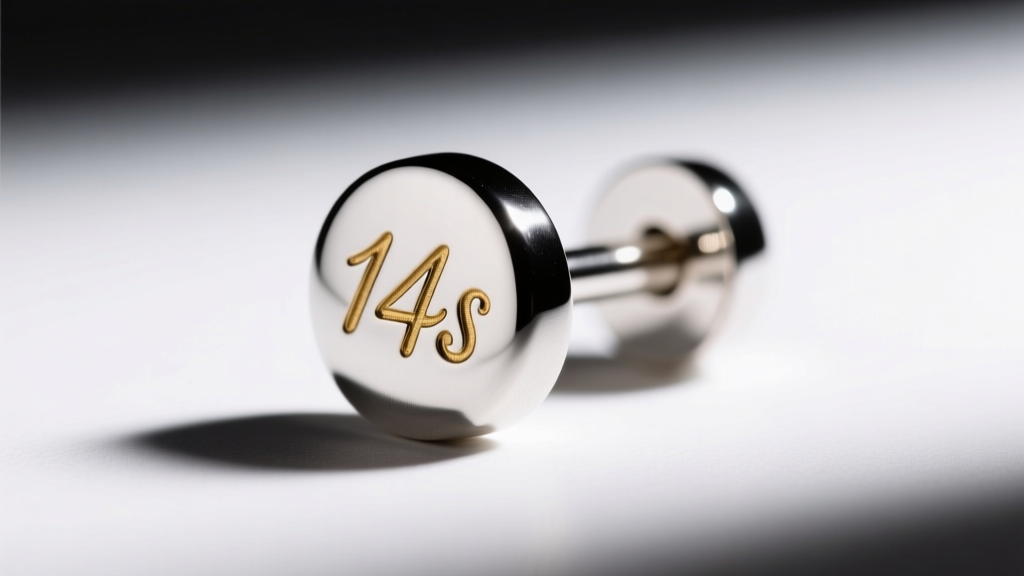
For gemstone stud earrings and dangles, 14-karat gold (58.5% pure gold) is the industry standard for structural components like posts and prongs. The remaining 41.5% consists of alloy metals like copper, silver, and zinc, which provide the tensile strength necessary to hold a gemstone securely. 18-karat gold (75% pure gold) offers a richer, warmer yellow hue and is hypoallergenic, but it is significantly softer. If you are buying 18k gold dangle earrings with heavy London Blue topaz drops, ensure the brand uses reinforced 18k alloy blends to prevent the ear wire from bending under the stone's weight.
The Vermeil vs. Plated Trap
If your budget restricts you from solid gold, you will encounter "gold vermeil" and "gold plated" options. The U.S. Federal Trade Commission and international jewelry authorities define vermeil as a sterling silver (925) base plated with a minimum of 2.5 microns of gold (usually 14k or 18k). Vermeil is a respectable budget alternative and should cost between $60 and $120 for a pair of topaz studs. Gold-plated or "flash-plated" jewelry, however, uses a brass or copper base with less than 0.5 microns of gold. This plating will wear off within months, exposing base metals that can cause severe contact dermatitis. Never pay more than $30 for flash-plated earrings.
Post Gauge and Comfort
A frequently overlooked value metric is the earring post gauge. Standard commercial earrings often use thin 22-gauge (0.64mm) wire to save on gold costs. These posts bend easily and can cause the earring to droop, especially if the topaz is over 6mm in diameter. For optimal value and longevity, seek out 20-gauge (0.81mm) or 18-gauge (1.02mm) posts, which provide rigid support and better weight distribution across the earlobe.
2026 Pricing Matrix: What You Should Actually Pay
To help you navigate retail markups, we have compiled a fair market value matrix for gold earrings with blue topaz based on early 2026 wholesale and direct-to-consumer retail data. Use this table as a benchmark to identify inflated pricing or suspicious discounts.
| Metal & Purity | Topaz Shade | Avg. Carat Weight (Pair) | 2026 Fair Market Price Range |
|---|---|---|---|
| Gold Vermeil (925 Base) | Sky Blue | 2.00 ct - 3.00 ct | $45 - $85 |
| 14k Solid Yellow Gold | Sky Blue | 2.00 ct - 4.00 ct | $130 - $240 |
| 14k Solid White Gold | Swiss Blue | 3.00 ct - 5.00 ct | $280 - $450 |
| 18k Solid Yellow Gold | Swiss Blue | 4.00 ct - 6.00 ct | $400 - $650 |
| 14k Solid Gold (Bezel Set) | London Blue | 4.00 ct - 8.00 ct | $550 - $850 |
| 18k Solid Gold (Halo Setting) | London Blue | 6.00 ct+ (with diamonds) | $1,100 - $2,500+ |
"The most common value trap in the modern jewelry market is flash-plated brass being sold at vermeil prices. Always demand a 925 stamp and verify the micron thickness if purchasing from direct-to-consumer brands."
Red Flags and Value Traps to Avoid
Even armed with a pricing matrix, retailers employ marketing tactics that obscure the true value of gold earrings with blue topaz. Watch out for these specific red flags during your purchasing journey.
1. "Created" or "Simulated" Blue Topaz
Topaz is an aluminum silicate mineral that is abundant and inexpensive to mine. There is absolutely no economic reason to manufacture synthetic topaz in a lab. If a listing advertises "lab-created blue topaz," you are likely looking at blue spinel, synthetic sapphire, or even colored glass. Genuine blue topaz is always mined, even if its color is enhanced post-mining. Always verify the gemological description.
2. Exposed Culets and Thin Prongs
Topaz has a Mohs hardness of 8, making it highly resistant to scratching. However, it possesses perfect basal cleavage, meaning it can split or chip if struck at a specific angle. Inspect the setting closely. If the earrings use four-prong settings, the prongs should be thick and securely wrapped over the gemstone's crown. Avoid bezel settings where the metal rim is too thin, and never buy dangle earrings where the culet (the bottom point of the stone) is left entirely exposed and unprotected, as a simple drop on a hard floor could cleave the stone in half.
3. Missing Hallmarks and Vague Descriptions
Legitimate jewelers stamp their work. Look for 14K, 18K, 585, or 750 for solid gold, and 925 for sterling silver vermeil. If the product description simply says "gold tone" or "gold finished" without specifying the base metal or karat weight, assume it is cheap brass or alloy. Furthermore, according to guidelines from Jewelers of America, reputable sellers will provide exact millimeter dimensions and total carat weights (TCW) rather than vague terms like "large" or "heavy."
How to Inspect and Verify Value Before Buying
Whether you are shopping in a brick-and-mortar boutique or ordering online, follow this rigorous inspection checklist to ensure your gold earrings with blue topaz meet professional quality standards:
- The Loupe Test: Ask to view the stones under a 10x jeweler's loupe. While treated blue topaz is generally eye-clean, you should look for surface-reaching fractures. If a stone has a crack that reaches the girdle (the edge), the structural integrity is compromised, and the value drops to near zero.
- Light Leakage Check: Hold the earring up to a light source. A well-cut topaz (whether oval, cushion, or emerald cut) should reflect light evenly across its face. If you see a dark, transparent "window" in the center of the stone, the cutter sacrificed proportions to save carat weight. This results in a dull, lifeless appearance and should be heavily discounted.
- Friction Backs vs. Screw Backs: For valuable solid gold and London Blue topaz studs, standard friction backs (butterfly clasps) are often insufficient and prone to slipping off. High-value earrings should come with threaded screw-backs or secure silicone la pousette clasps to prevent the loss of your investment.
Final Verdict: Maximizing Your Investment
Evaluating gold earrings with blue topaz requires looking past the initial sparkle and scrutinizing the metallurgy and gemological treatments. For the best balance of budget and visual impact, a pair of 14k solid gold stud earrings featuring Swiss Blue topaz remains the undisputed champion of value in 2026. They offer the vivid saturation that topaz is famous for, set in a durable alloy that will last a lifetime, all while keeping you well under the $500 threshold. By demanding proper hallmarks, checking post gauges, and understanding the irradiation process, you can confidently navigate the market and secure a piece of jewelry that is both beautiful and fairly priced.


