Fixing James Avery Swirl Earrings: Weight, Tarnish, and Post Issues
Solve common issues with James Avery swirl earrings. Learn expert fixes for heavy earlobe sag, deep tarnish in crevices, and bent sterling posts.

The Metallurgy and Weight of the Swirl Design
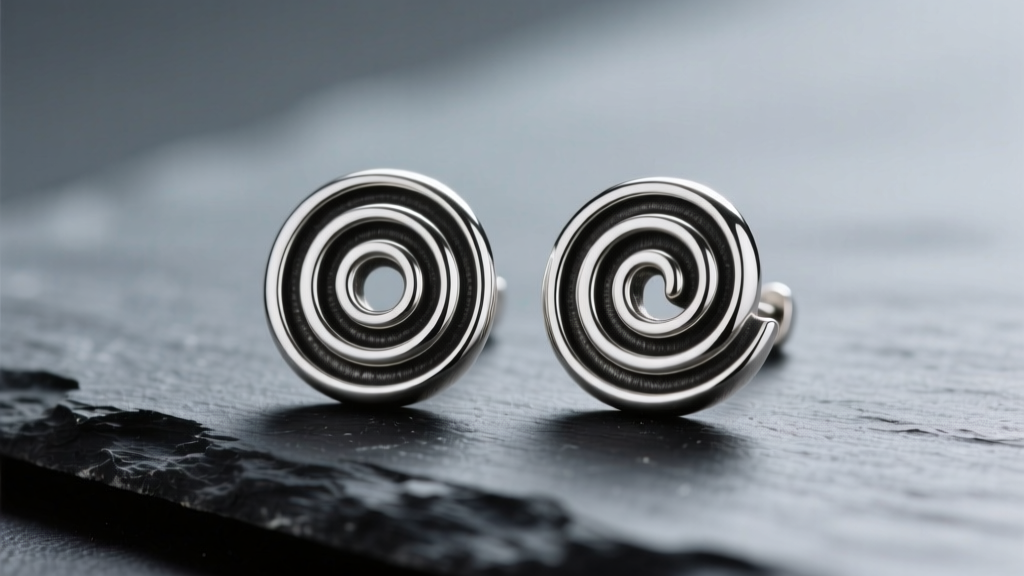
James Avery swirl earrings are iconic staples in Southern jewelry collections, celebrated for their sculptural, three-dimensional spirals and meaningful motifs. However, their unique construction often leads to specific wearability and maintenance challenges. To troubleshoot these issues effectively, we first must understand the metallurgy at play. Authentic James Avery pieces are cast in solid 925 sterling silver, an alloy consisting of 92.5% pure silver and 7.5% copper. Because pure silver is too soft for structural jewelry, the copper adds necessary durability, but it also introduces a high density (approximately 10.36 g/cm³) and a susceptibility to oxidation.
Unlike stamped sheet metal earrings, the swirl designs are typically solid-cast or feature thick, hollowed tubing that still retains significant mass. A standard pair of medium-sized James Avery swirl studs can easily weigh between 5 to 9 grams. When concentrated on a standard 20-gauge (0.81mm) sterling silver post, this weight creates a severe fulcrum effect. The post acts as a lever against the earlobe, leading to the most common complaint among owners: earlobe fatigue, drooping, and eventual stretching of the piercing fistula.
Solving the Earlobe Sag and Droop Problem
If your swirl earrings are pulling your earlobes downward or causing the piercing hole to elongate into a slit, you are experiencing mechanical stress on the dermal tissue. According to dermatological guidelines regarding heavy jewelry, continuous tension breaks down the collagen and elastin fibers within the earlobe. To counteract this without giving up your favorite pieces, you must redistribute the weight.
Support Patches and Silicone O-Rings
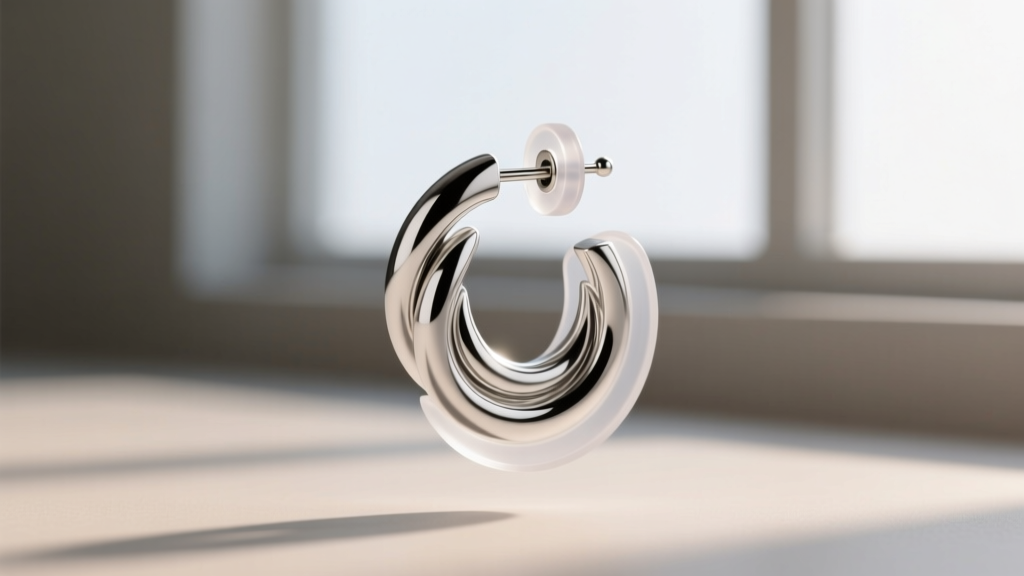
As of 2026, the most effective non-invasive solution for heavy sterling studs is the use of adhesive earring support patches, such as LobeWonder. These are small, medical-grade adhesive pads that apply to the back of the earlobe. They feature a reinforced center that prevents the 20-gauge post from slicing through the tissue, distributing the 8-gram weight of the swirl earring across a wider surface area. Alternatively, clear silicone earring support pads (often called o-rings or jumbo backs) slide onto the post behind the ear. While less expensive than patches, silicone o-rings can sometimes slip off thinner 20-gauge posts if the friction notch is worn down.
The French Wire Conversion Alternative
For collectors who refuse to deal with adhesive patches, a professional jeweler can perform a French wire conversion. This involves carefully snipping off the heavy sterling post and laser-welding a custom, thicker sterling silver shepherd's hook (typically 18-gauge or 1.02mm) to the top edge of the swirl. This shifts the center of gravity, allowing the earring to hang naturally from the bottom of the earlobe rather than leveraging against the center of the piercing.
Cleaning Intricate Crevices Without Stripping Patina
The second major issue with James Avery swirl earrings is the accumulation of dead skin cells, sebum, and lotion deep within the spiral crevices. Furthermore, sterling silver reacts with hydrogen sulfide in the air to form silver sulfide (tarnish). The Silver Institute notes that this tarnishing process accelerates in the micro-environments of jewelry grooves where moisture and sulfur-trapping cosmetics accumulate.
The critical mistake most owners make is using aggressive silver polishing cloths (like Sunshine cloths) or chemical silver dips (like Tarn-X). James Avery intentionally applies a chemical oxidation process—known as antiquing—to the recesses of their swirl designs. This blackened patina provides contrast, making the three-dimensional spirals pop against the polished high points. Aggressive rubbing or chemical dipping will strip this intentional oxidation from the deep grooves, leaving your earrings looking flat, uniformly grey, and stripped of their artistic depth.
The Safe DIY Cleaning Protocol
To clean your swirl earrings while preserving the factory antiquing, follow this exact protocol:
- The Solution: Mix three drops of mild, phosphate-free dish soap (such as Dawn Platinum) into one cup of warm distilled water. Avoid tap water, as chlorine and hard minerals can leave microscopic deposits.
- The Soak: Submerge the earrings for exactly 5 to 7 minutes. This softens the sebum and cosmetic buildup without affecting the silver sulfide patina in the deep grooves.
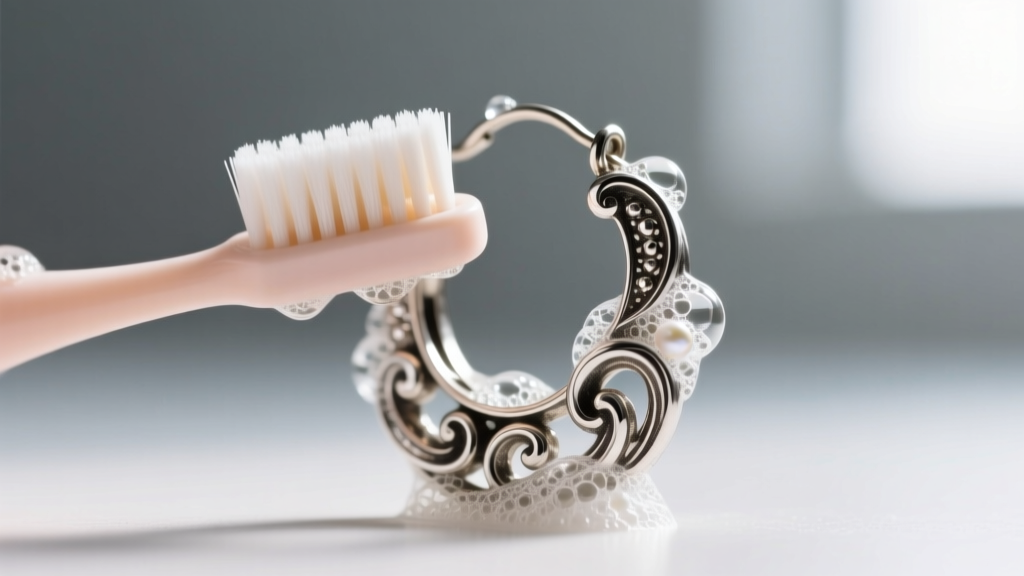
- The Agitation: Use an extra-soft baby toothbrush. Gently brush only the raised, polished surfaces of the swirls. Use the very tip of the bristles to lightly flick debris out of the recesses without scrubbing the darkened crevices.
- The Dry: Rinse under distilled water and immediately pat dry with a lint-free microfiber cloth. Use a hair dryer on the 'cool' setting to blast remaining moisture out of the deep spiral crevices to prevent water spots.
Troubleshooting Bent Posts and Friction Backs
Because sterling silver is a relatively soft alloy, the posts on James Avery earrings are prone to bending. This usually happens when the wearer accidentally sleeps in their earrings, applying lateral pressure to the 0.81mm 20-gauge post. A bent post not only makes insertion painful but also alters the angle at which the swirl sits on the earlobe, causing the design to tilt awkwardly forward.
How to Safely Straighten a Sterling Post
Never use standard steel jewelry pliers to bend a silver post back into shape. Steel is significantly harder than sterling silver and will gouge, scratch, or weaken the post, leading to eventual metal fatigue and snapping. Instead, invest in a pair of nylon-jaw pliers (such as those made by EuroTool). The soft nylon grips the silver firmly without marring the surface. Clamp the nylon jaws near the base of the bend and apply gentle, incremental pressure to realign the post. If the post has been bent back and forth multiple times, it will suffer from work-hardening and become brittle; at this point, it requires professional annealing and soldering.
Upgrading the Earring Backings
The standard butterfly friction backs provided with these earrings often lose their tension over time, leading to lost earrings. Below is a troubleshooting matrix for securing heavy swirl studs:
| Backing Type | Best Application | Estimated Cost | Pros & Cons |
|---|---|---|---|
| Jumbo Silicone Bullets | Mild Sag / Daily Wear | $8 - $12 | Excellent grip, comfortable for sleeping; can attract lint. |
| LaPoussiere Locking Backs | High Security / Active Lifestyles | $25 - $40 | Will never fall off; requires a specific post thickness (may not fit standard 20g). |
| Flat Disc Friction Backs | Weight Distribution | $10 - $15 | Prevents post from digging into the neck; slightly bulky behind the ear. |
When to Seek Professional James Avery Repair
If your swirl earring post has completely snapped off at the base, do not attempt to glue it. Cyanoacrylate (Super Glue) will ruin the porous surface of the silver and complicate professional repairs. According to the James Avery Repair Services guidelines, the brand has a robust repair ecosystem. However, understanding the technology they use is vital for managing your expectations.
Modern jewelry repair facilities utilize laser welding rather than traditional torch soldering for reattaching posts to intricate cast pieces. A traditional butane or oxy-acetylene torch requires heating the entire earring to the flow point of the solder (around 1300°F), which can melt the delicate tips of the swirl design or cause severe fire-stain (a deep copper oxidation) on the sterling silver. Laser welding, conversely, uses a highly focused beam of light to melt a microscopic point of silver exactly where the post meets the earring body, leaving the surrounding swirl details completely unaffected and requiring minimal cleanup or re-polishing. When submitting your earrings for repair, explicitly request laser welding if the post attaches near a delicate, thin section of the spiral.
Preserving Your Investment
Troubleshooting your James Avery swirl earrings is an exercise in respecting the material properties of 925 sterling silver. By mitigating the fulcrum effect with silicone supports, utilizing non-abrasive cleaning methods to protect the antiqued grooves, and employing the correct nylon tools for post alignment, you can ensure these sculptural pieces remain comfortable and visually striking for decades. For further education on the metallurgical properties of precious alloys, consult the GIA Gem Encyclopedia, which offers extensive data on silver care and structural integrity.


