Fixing Broken Ear Wires for Earrings: A Troubleshooting Guide
Learn how to troubleshoot, repair, and replace ear wires for earrings. Discover gauge sizes, hypoallergenic metals, and secure fixes for lost dangles.

Dangle and drop earrings rely entirely on a single, delicate component: the ear wire. When this tiny piece of metal fails, bends, or causes an allergic reaction, your favorite jewelry is instantly rendered unwearable. Whether you are a jewelry maker repairing inventory or a consumer trying to salvage a cherished pair, understanding the metallurgy and mechanics of ear wires is essential. This comprehensive troubleshooting guide breaks down the exact failure modes of ear wires for earrings, provides actionable repair steps, and details the specific gauges and materials required for long-lasting wear.
The Anatomy of a Failure: Why Ear Wires Break or Bend
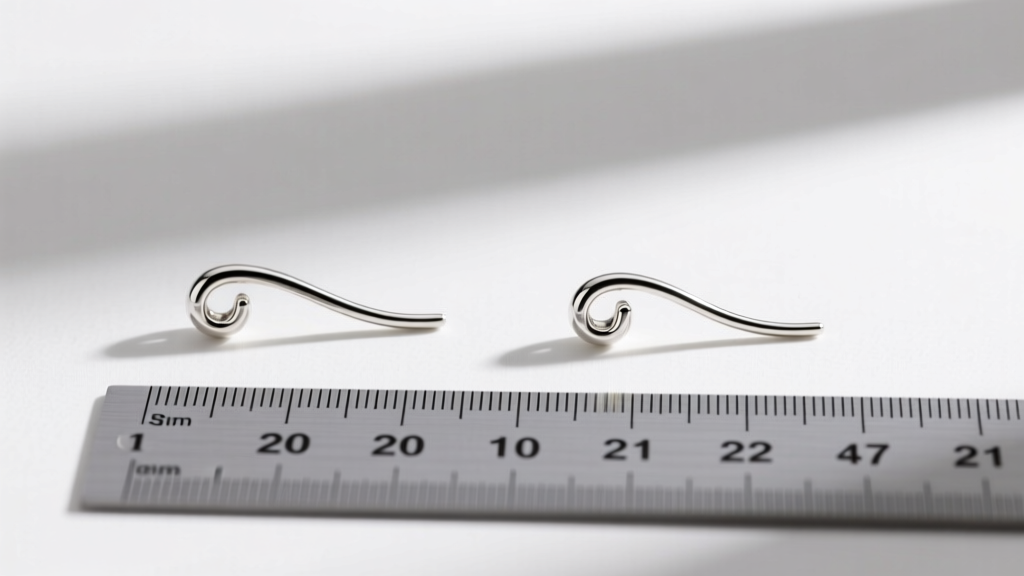
To effectively troubleshoot, we must first understand why ear wires fail. The most common style—the French wire (or fishhook)—is typically manufactured from half-hard wire. In metallurgy, half-hard temper means the metal has been partially work-hardened, giving it enough rigidity to hold its shape while retaining a slight degree of malleability. However, this creates a vulnerability: metal fatigue.
The primary failure point on any French wire is the loop at the bottom where the jump ring or bead dangles. Every time the wearer moves, the dangle swings, creating micro-stresses at the junction of the loop. Over time, this repetitive kinetic energy causes the crystalline structure of the metal to fracture, leading to a sudden snap. According to jewelry manufacturing experts at Rio Grande, attempting to re-bend a snapped, work-hardened loop without first annealing (softening) the metal will almost always result in a secondary break. Furthermore, if a wire is bent out of shape and repeatedly forced back into place, it accelerates this fatigue cycle.
Gauge Guide: Matching Wire Thickness to Piercing Health
Using the incorrect wire gauge is a leading cause of both earring loss and piercing trauma. The American Wire Gauge (AWG) system dictates that the higher the number, the thinner the wire. Selecting the right thickness ensures structural integrity without stretching the earlobe.
| AWG Size | Diameter (mm) | Best Use Case | Structural Notes |
|---|---|---|---|
| 22-Gauge | 0.64mm | Ultra-lightweight beads, pearl drops | Highly prone to bending; requires careful handling and lightweight components. |
| 21-Gauge | 0.72mm | Standard commercial dangles, sensitive healed lobes | The industry standard for mass-produced earrings; balances comfort and moderate strength. |
| 20-Gauge | 0.81mm | Heavy gemstone drops, handmade statement pieces | Provides excellent structural integrity; may feel thick for freshly pierced or tight lobes. |
| 18-Gauge | 1.02mm | Heavy cartilage dangles, stretched lobes | Too thick for standard lobe piercings without causing insertion pain or tissue tearing. |
Troubleshooting Common Ear Wire Problems
Problem 1: Earrings Keep Falling Out
French wires are inherently open at the back, making them notorious for slipping out, especially when removing masks, scarves, or sweaters. The common mistake is trying to use standard butterfly friction backs on a French wire; the groove on a French wire is rarely deep enough to hold a butterfly clutch securely.
The Fix: Upgrade to silicone barrel clutches or specialized 'bullet' stoppers that grip the smooth wire via internal friction. Alternatively, if you are the maker, utilize a mandrel to bend a custom, exaggerated upward hook at the rear of the wire, or switch the finding entirely to a locking mechanism (detailed below).
Problem 2: Metal Allergies and Contact Dermatitis
If an earlobe becomes red, itchy, or weeping after wearing dangle earrings, the culprit is almost always nickel exposure. Many commercial ear wires are stamped as 'surgical steel,' but surgical steel contains 8% to 12% nickel to achieve its polished finish. As of 2026, dermatological standards heavily discourage the use of uncoated surgical steel for prolonged skin contact.
The Fix: Discard the offending wires and replace them with ASTM F136 Implant-Grade Titanium or pure Niobium. Both metals are entirely nickel-free and biocompatible. The American Academy of Dermatology specifically recommends titanium and niobium for patients with severe contact dermatitis. You can purchase pre-made titanium French wires or leverbacks from specialized findings suppliers.
Problem 3: The Wire is Bent or Misshapen
Dropping an earring or sleeping in it can easily warp the delicate curve of a French wire. Attempting to bend it back with standard steel jewelry pliers will mar the metal, leaving deep gouges and weakening the structural temper.
The Fix: Use nylon jaw pliers. The soft plastic jaws grip the wire firmly without scratching or compressing the metal. Gently roll the wire along a wooden jewelry mandrel to restore its original sweeping curve. If the wire is severely kinked (a sharp fold rather than a smooth bend), the metal has work-hardened at the kink; discard the wire and replace it, as it will inevitably snap.
Step-by-Step Replacement: Swapping French Wires
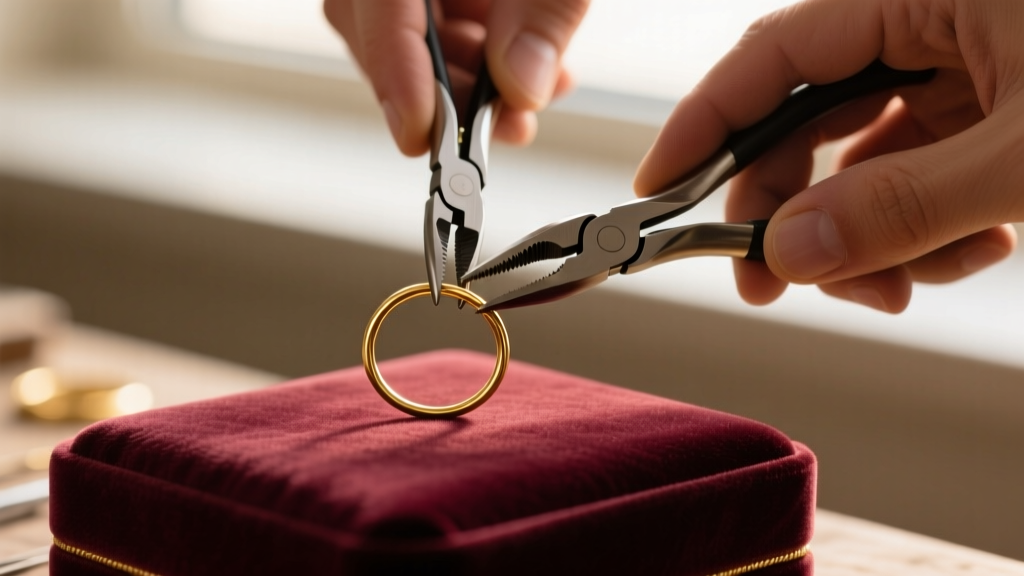
If a wire is broken or hopelessly misshapen, replacing it is a straightforward process if you use the correct technique. Never pull a jump ring or loop apart laterally like a door hinge; this distorts the circle and weakens the metal.
- Secure the Earring: Place the dangle component in a soft-jaw vise or hold it firmly with your non-dominant hand.
- Twist to Open: Using two pairs of chain-nose pliers, grip the loop of the old ear wire. Twist one hand forward and the other backward to open the loop laterally.
- Remove and Align: Slide the broken wire off. Slide the new ear wire's loop on, ensuring the curve of the fishhook faces the correct direction (the hook should point backward when worn).
- Twist to Close: Twist the loop back to its original position until the ends meet perfectly flush. A seamless closure prevents the dangle from slipping out and stops the sharp wire end from scratching the wearer's neck.
"A flush-closed loop is the hallmark of quality jewelry making. If you can catch the seam on a piece of silk fabric, the loop is not closed properly, and the earring will eventually fail." — Master Bench Jeweler Guidelines, Halstead Bead.
Upgrading to Secure Closures: Leverbacks and Kidney Wires
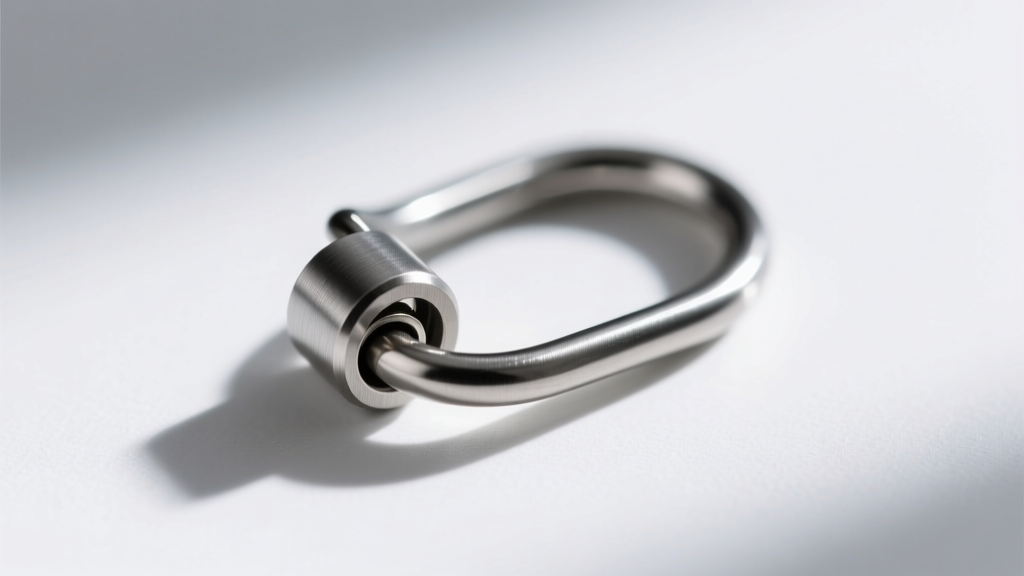
If you are constantly troubleshooting lost dangles, it is time to abandon the traditional French wire and upgrade your findings. Two superior alternatives offer built-in security without sacrificing the elegant dangle aesthetic:
- Leverback Wires: These feature a hinged, spring-loaded clasp that clicks securely shut behind the earlobe. They are ideal for heavy gemstone drops because the hinged mechanism distributes the weight evenly across the top of the earlobe rather than concentrating it on a single friction point.
- Kidney Wires: Shaped like a kidney bean, these wires feature a built-in hook and eyelet. The tension of the wire keeps the hook locked into the eyelet, providing a highly secure, vintage-style closure that is virtually impossible to lose during normal wear.
Expert Maintenance Tips for Longevity
Preventative maintenance drastically extends the lifespan of your ear wires. Always store dangle earrings hanging from a jewelry tree or laid flat in a partitioned box; tossing them into a communal jewelry box guarantees bent wires and tangled loops. When cleaning, avoid ultrasonic cleaners for wire components that are already showing signs of stress, as the high-frequency vibrations can exacerbate micro-fractures in work-hardened metals. Instead, use a mild dish soap and a soft microfiber cloth to polish the wires, preserving both their temper and their finish for years to come.


