Troubleshooting 2 ct Diamond Earrings: Fixing Sag & Sparkle Loss
Solve common issues with 2 ct diamond earrings. Expert troubleshooting for lobe sag, cloudy stones, loose posts, and secure earring backs.

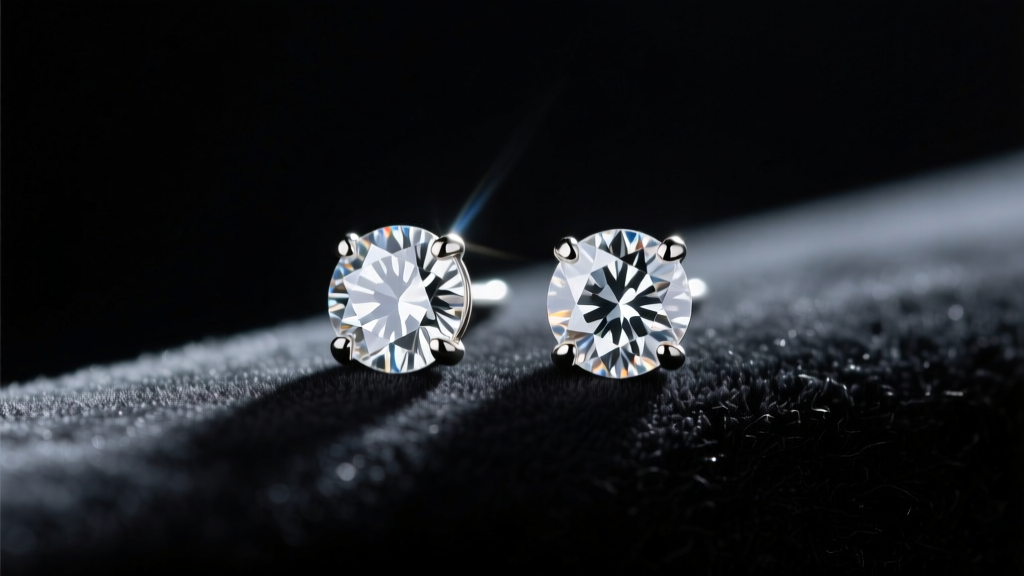
Investing in a pair of 2 ct diamond earrings is a major milestone. Typically, this designation refers to a 2.00 Carat Total Weight (CTW) pair, meaning each ear wears a 1.00-carat round brilliant diamond measuring approximately 6.5mm in diameter. In 2026, the widespread availability of premium lab-grown diamonds has made these impressive, large-carat studs more accessible than ever. However, upgrading from a standard 0.50 CTW pair to a heavy 2 ct TW set introduces a unique set of physical and structural challenges. From lobe droop and post bending to severe sparkle loss and security risks, larger diamonds require specialized troubleshooting. This comprehensive guide dives deep into the mechanics of heavy diamond studs and provides actionable solutions to keep them sitting perfectly and shining brilliantly.
The Physics of Lobe Sag: Why Your 2 ct Studs Droop
The most common complaint among owners of 2 ct diamond earrings is "lobe sag." A 1-carat diamond itself weighs only 0.2 grams, but the precious metal setting—usually a 4-prong or 6-prong martini or basket setting—adds significant mass. When you combine the weight of the stone, the gold or platinum basket, and a heavy-duty earring back, the total weight per ear can easily exceed 2.5 grams. Over time, gravity and the natural elasticity of your earlobe tissue cause the piercing hole to stretch, making the earrings tilt forward and point toward the floor.
Troubleshooting the Sag
- Upgrade to Support Discs: Standard butterfly backs concentrate the earring's weight on a tiny 2mm pressure point. Switching to silicone or metal support discs (like "Monster Backs") distributes the weight across a 10mm surface area, instantly lifting the droop.
- Consider Lobe Reinforcement: For chronic stretching, dermatologists and plastic surgeons offer hyaluronic acid filler injections in the earlobe to restore structural density and tighten the piercing tract.
- Check the Post Solder Joint: If the earring tilts sideways rather than forward, the post may be bending at the solder joint. A jeweler can reinforce this with a laser welder or replace the standard post with a thicker 18-gauge alternative.
Diagnosing Sparkle Loss: The Lipophilic Problem
Diamonds are highly lipophilic, meaning they naturally attract and hold onto oils, sebum, and cosmetics. A 6.5mm diamond has a massive table facet (the flat top surface). When skin oils, lotions, and hairspray accumulate on the pavilion (the bottom cone of the diamond), they create a filmy barrier that prevents light from entering and reflecting back to your eye. A dirty 2 ct diamond can easily lose up to 40% of its light return, making it look cloudy, gray, and lifeless.
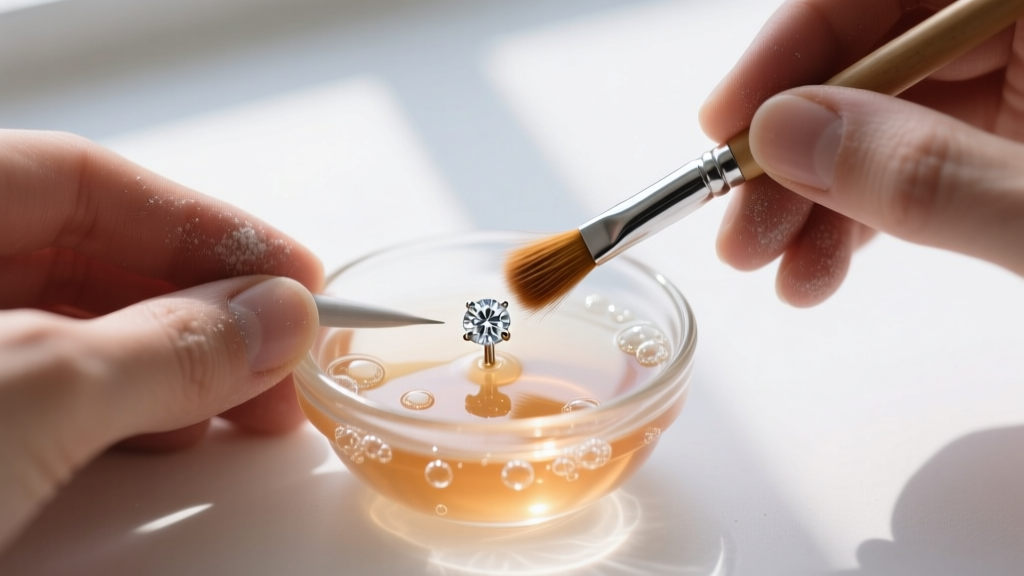
The Expert Cleaning Protocol
According to the Gemological Institute of America (GIA), ultrasonic cleaners can be risky if your diamond has fractures or if the prongs are already loose. Instead, use this safe, weekly troubleshooting method:
- The Solution: Mix a few drops of mild, non-detergent dish soap (like Dawn) in a glass bowl of warm water. Avoid harsh chemicals or bleach, which can pit the alloy metals in your setting.
- The Agitation: Soak the earrings for 15 minutes to soften the lipid bonds. Then, use a dedicated, ultra-soft horsehair jewelry brush to gently scrub the underside of the diamonds, where the culet and pavilion facets trap the most grease.
- The Rinse: Rinse under warm running water over a closed sink drain to prevent catastrophic loss.
- The Dry: Pat dry with a lint-free microfiber cloth. Avoid tissue paper, which leaves microscopic fibers snagged on the prongs.
The Security Matrix: Choosing the Right Earring Back
Losing a 1-carat diamond is a devastating financial and emotional blow. Standard friction backs (the classic "butterfly" push-backs) rely on a small metal scroll gripping a notched post. Over time, the metal fatigues, the tension weakens, and the heavy weight of a 2 ct diamond earring can easily pull the backing off without you noticing. According to Blue Nile's Earring Back Guide, heavy studs demand mechanical locking systems.
| Backing Type | Mechanism | Security Rating for 2 ct TW | Troubleshooting Notes |
|---|---|---|---|
| Standard Friction | Tension-based scroll on notched post | Low (Avoid) | High risk of loss; stretches piercing holes due to poor weight distribution. |
| Screw-Back | Threaded post with a screwing mechanism | Medium-High | Threads can strip over time if cross-threaded; requires dexterity to apply. |
| La Pousette (Locking) | Spring-loaded locking clutch on a smooth post | Very High | Industry gold standard for heavy studs; requires a firm pinch to release. |
| Silicone Discs | Wide friction disc with a secure inner grip | High (Supportive) | Best for preventing lobe sag, but should be paired with a secure post type. |
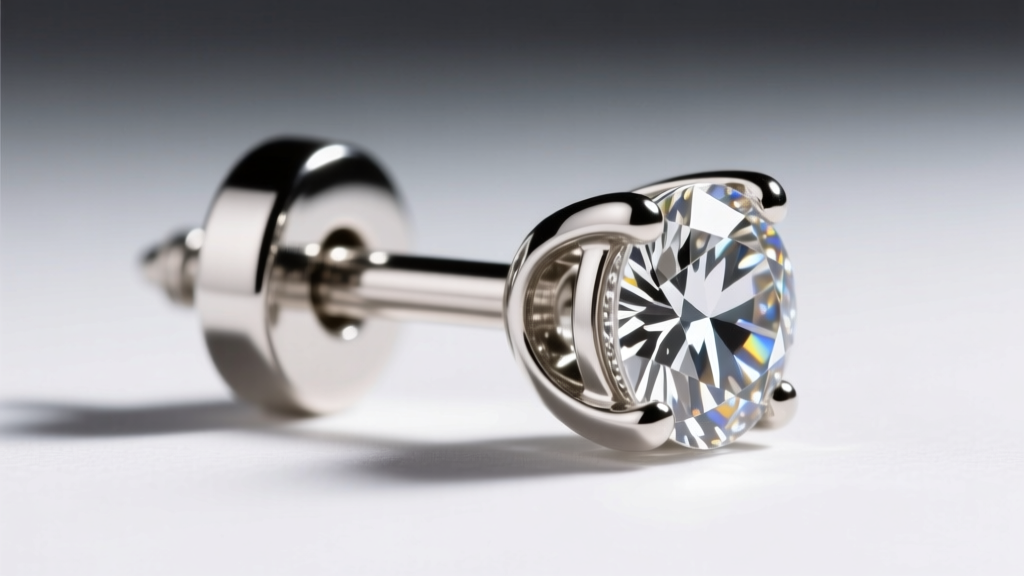
Metal Allergies and Post Friction Troubleshooting
If you are experiencing itching, redness, or crusting around your piercing when wearing your 2 ct diamond earrings, the culprit is likely the metal alloy in the post, not the diamond. Most white gold earrings are cast in 14k or 18k gold and plated with rhodium to achieve a bright white finish. However, white gold alloys often contain nickel to add strength. The heavy friction of a 2 ct earring rubbing against the piercing tract wears away the rhodium plating much faster than lighter jewelry, exposing the nickel-rich alloy underneath and triggering contact dermatitis.
The Platinum Post Solution
For earrings of this caliber, troubleshooting metal allergies requires a permanent material swap. Request that your jeweler cut off the white gold posts and laser-weld Platinum 950 posts in their place. Platinum is naturally hypoallergenic, incredibly dense, and does not require rhodium plating. Furthermore, platinum's tensile strength allows for a slightly thinner post that won't bend under the 2.5-gram weight of the setting, reducing trauma to the earlobe.
Prong Snagging and Ultrasonic Risks
The prongs holding a 6.5mm diamond are subjected to significant lateral torque every time you pull a sweater over your head or brush your hair. If a prong lifts even a fraction of a millimeter, the diamond can rattle and eventually chip its girdle against the metal setting.
Expert Warning: Never use an ultrasonic cleaner on 2 ct diamond earrings if you suspect a loose prong. The high-frequency vibrations can literally shake a poorly seated diamond right out of its basket. Always perform the "tap test"—gently tap the stone with a wooden toothpick near your ear. If you hear a faint clicking or rattling, the stone is loose and requires immediate professional prong tightening.
For long-term peace of mind, experts at Jewelers Mutual recommend scheduling a professional prong-check and ultrasonic cleaning every six months, ensuring your high-value assets remain physically secure and fully insured against catastrophic loss.
Summary Checklist for 2 ct Diamond Earring Maintenance
- Weekly: Clean with warm water, mild dish soap, and a horsehair brush to remove lipophilic oils.
- Monthly: Inspect the earring backs for metal fatigue; replace silicone discs if they show signs of tearing.
- Bi-Annually: Visit a jeweler for a prong tightness check and rhodium re-plating (if using white gold).
- As Needed: Upgrade to La Pousette locking backs or wide silicone support discs to eliminate lobe sag and prevent loss.
By understanding the unique physics and chemistry of large-carat stones, you can troubleshoot these common issues and ensure your 2 ct diamond earrings remain as breathtaking and secure as the day you first opened the box.


