Troubleshooting Amethyst Heart Earrings: Fading, Repairs & Care
Learn how to troubleshoot common issues with amethyst heart earrings, including color fading, loose prongs, tarnished settings, and proper cleaning methods.

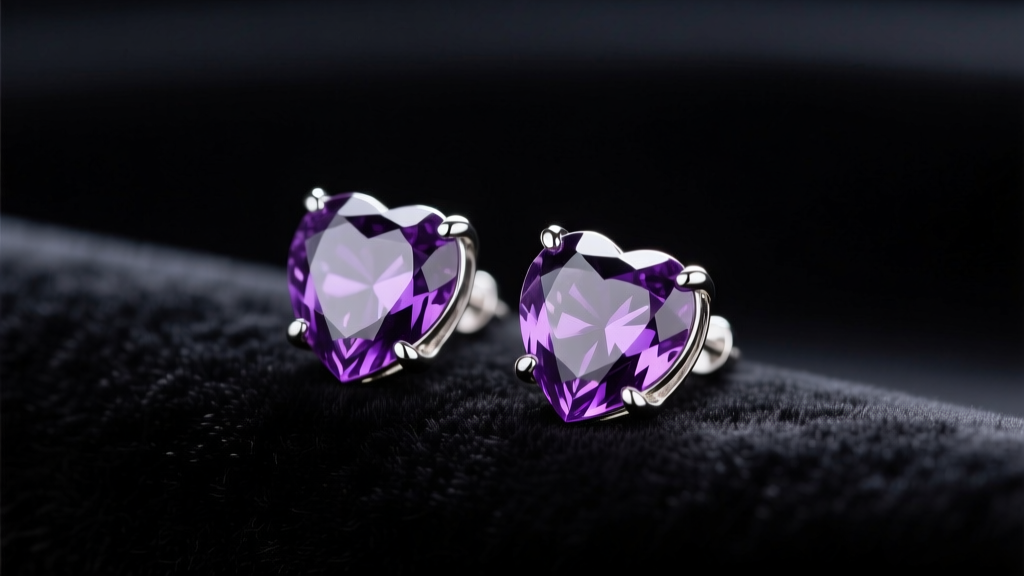
Amethyst heart earrings combine the romantic symbolism of the heart cut with the regal purple hues of natural quartz. However, this specific combination of gemstone and shape creates a unique set of maintenance and troubleshooting challenges. Whether you are dealing with a cloudy stone, a loose prong at the gem's vulnerable bottom point, or a tarnished sterling silver setting, this guide provides actionable, gemological-grade solutions to restore and protect your jewelry.
Understanding the Structural Vulnerabilities of Heart-Cut Amethyst
Amethyst is a variety of quartz, rating a 7 on the Mohs hardness scale. While relatively durable for daily wear, it is highly susceptible to chipping at sharp edges and points. The heart cut is a modified brilliant cut, but it features two critical stress points that require specialized troubleshooting: the top cleft (the inward V-shape) and the bottom point.
If your amethyst heart earrings feel like they constantly snag on clothing, the issue is likely an improper setting rather than user error. Below is a troubleshooting matrix for heart-cut vulnerabilities:
| Stress Point | Vulnerability Level | Recommended Setting Type | Common Failure Mode |
|---|---|---|---|
| Bottom Point | Extreme | V-Prong | Snagging on knitwear, leading to tip shearing or complete stone loss. |
| Top Cleft | High | Standard Prong or Bezel | Impact damage from dropping, causing internal fracturing or cleft splitting. |
| Girdle (Edge) | Moderate | Channel or Bezel | Abrasion from daily wear, causing a fuzzy, scratched appearance along the edge. |
Actionable Fix: Inspect the bottom point of your earrings with a 10x jeweler's loupe. If the metal does not wrap around the sharp tip in a distinct 'V' shape, take the earrings to a bench jeweler to have a V-prong added or reinforced before the stone chips.
Troubleshooting Color Fading and Cloudiness
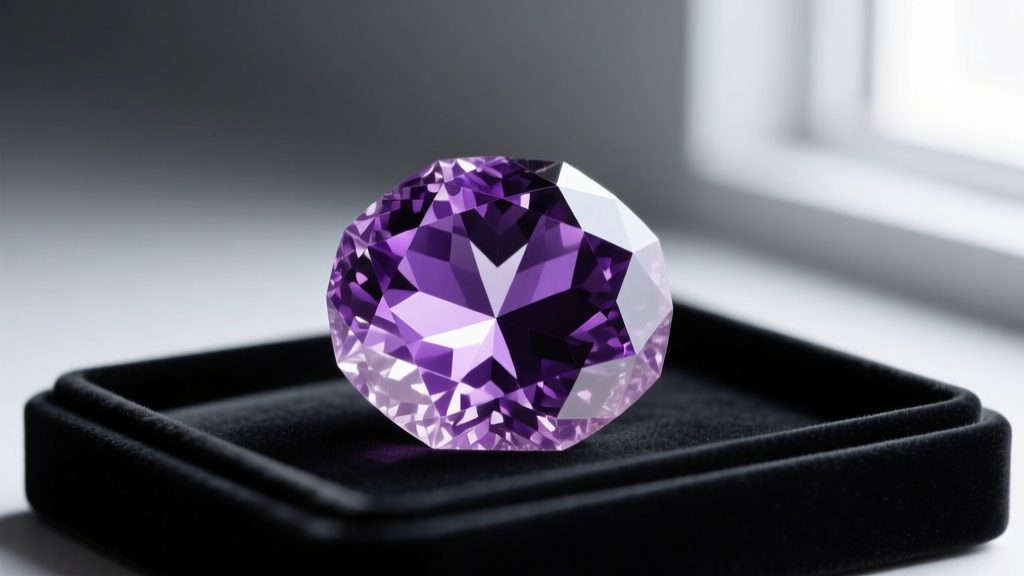
One of the most frequent complaints regarding amethyst heart earrings is a loss of vibrancy. If your once-vivid purple earrings now look pale, milky, or slightly yellow, you must determine if the issue is surface-level or structural.
1. UV and Heat Degradation
Prolonged exposure to direct sunlight can alter the iron impurities that give amethyst its color, slowly fading it to a pale gray or yellow (essentially turning it into pale citrine). Furthermore, amethyst can suffer irreversible color loss when exposed to temperatures above 300°C (572°F). While you won't hit these temperatures on your body, leaving your earrings on a car dashboard in the summer or near a heat lamp can cause micro-fractures and severe cloudiness.
2. Surface Oil and Lotion Buildup
Often, what appears to be fading is actually a microscopic layer of sebum, dead skin cells, and cosmetics blocking light return. Because heart cuts have deep pavilions (the bottom half of the stone), dirt accumulates heavily right beneath the cleft.
The Troubleshooting Test: Clean the stone using the safe method outlined below. If the purple hue does not return, the UV/heat damage is permanent. According to the Gemological Institute of America (GIA), there is no safe, ethical way to 're-dye' or reverse heat damage in natural quartz.
Safe Cleaning Protocols (And What to Avoid)
Many owners ruin their amethyst heart earrings by tossing them into an ultrasonic cleaner. This is a critical mistake.
The Ultrasonic Danger
Ultrasonic cleaners use high-frequency sound waves to create cavitation bubbles in liquid. Natural amethyst frequently contains liquid inclusions, two-phase inclusions, or microscopic internal fractures known as 'tiger stripes.' The shockwaves from an ultrasonic cleaner can cause these internal flaws to expand, literally shattering the stone from the inside out or fracturing it along the heart's delicate cleft.
The Safe Cleaning Method
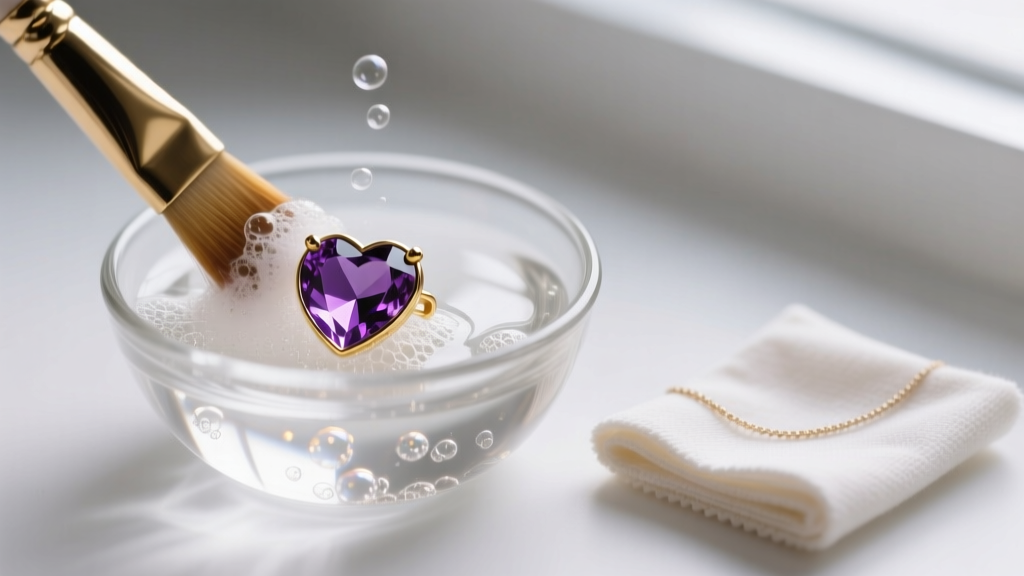
- Step 1: Mix warm distilled water with a single drop of pH-neutral dish soap (avoid harsh detergents or those with added moisturizers).
- Step 2: Submerge the earrings for 5 to 10 minutes to loosen debris trapped in the heart's cleft.
- Step 3: Use a brand-new, ultra-soft baby toothbrush to gently sweep the back of the stone (the pavilion) and the setting prongs.
- Step 4: Rinse under lukewarm running water, ensuring the drain is plugged.
- Step 5: Pat dry with a lint-free microfiber cloth. Do not air dry, as water spots will cling to the facets.
Fixing Tarnished Metal Settings Without Damaging the Stone
Sterling silver (925) is the most common metal used for amethyst earrings due to the beautiful contrast between the cool metal and the warm purple stone. However, silver tarnishes rapidly when exposed to sulfur and humidity.
Never use liquid silver dips or chemical tarnish removers. These harsh acids can strip the polish off the amethyst, leaving a white, etched residue on the stone's surface that requires professional lapidary repolishing to fix. Instead, use a treated jewelry polishing cloth (such as a Sunshine cloth). Fold the cloth to get into the tight spaces around the heart's top cleft, but avoid aggressively rubbing the gemstone itself, as the polishing compounds can leave a greasy film on the quartz.
Authenticating Your Amethyst: Real vs. Synthetic vs. Glass
If you are troubleshooting a pair of vintage or secondhand amethyst heart earrings, you may need to verify their authenticity. The GIA's gem identification guidelines highlight several key markers to look for:
- Natural Amethyst: Look for 'color zoning'—angular bands of lighter and darker purple that follow the crystal's natural growth structure. You may also see natural inclusions like mineral crystals or healing fractures.
- Synthetic (Lab-Created) Amethyst: These stones are chemically identical but are grown in a controlled environment. They will exhibit perfectly even color distribution, lack natural inclusions, and may show 'bread crumb' or 'breadcrumb' inclusions under high magnification.
- Purple Glass: Glass will feel noticeably warmer to the touch than real quartz. Under a loupe, glass will reveal perfectly spherical gas bubbles and swirl marks from the molding process, which are never present in natural amethyst.
When to Seek Professional Jeweler Intervention
While routine cleaning and light polishing can be done at home, certain structural failures require a professional bench jeweler. Use this decision matrix to know when to stop DIY troubleshooting:
- DIY Safe: Surface cleaning, light silver polishing, and visual prong inspection with a loupe.
- Professional Required: Retipping worn V-prongs, deep scratch removal (which requires the stone to be unmounted and repolished on a lapidary wheel, removing slight carat weight), and repairing a bent earring post or broken clutch mechanism.
By understanding the unique geometry of the heart cut and the specific mineral properties of quartz, you can ensure your amethyst heart earrings remain vibrant, secure, and structurally sound for decades of wear.


