How Much Are Diamond Earrings? 2026 Pricing Troubleshooting Guide
Confused by diamond earring prices? Learn how much are diamond earrings in 2026, troubleshoot hidden costs, and compare lab-grown vs. natural studs.

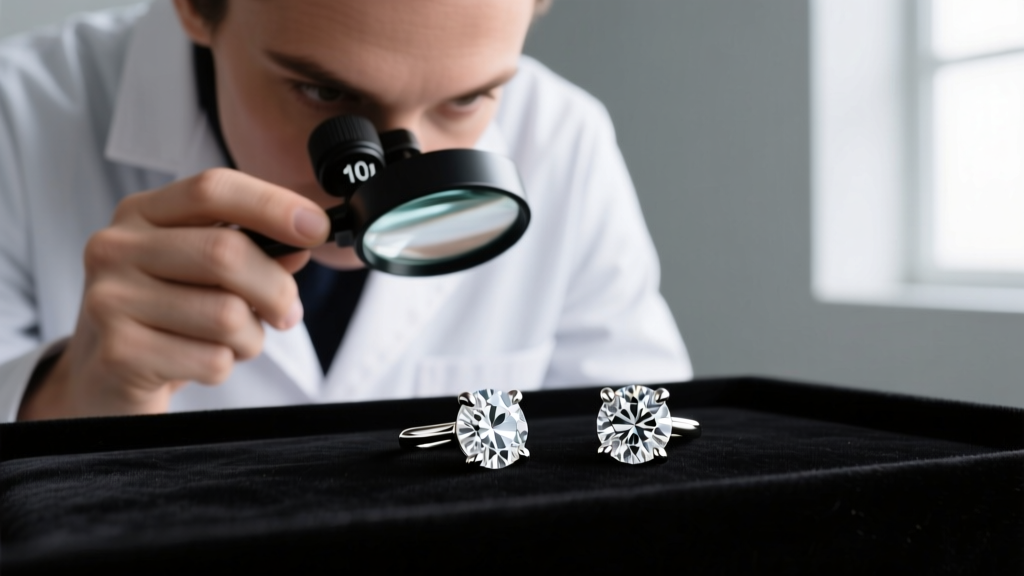
If you have recently started shopping for diamond studs, you have likely hit a wall of conflicting information and wild price disparities. When consumers ask, 'how much are diamond earrings?', the answer they receive can range from $400 to $15,000 for what appears to be the exact same 1.00-carat total weight (CTW) pair. This extreme variance is not just a result of brand markups; it stems from a fundamental misunderstanding of how diamond grading applies specifically to earrings versus engagement rings. In this 2026 troubleshooting guide, we will deconstruct the hidden cost traps, decode the natural versus lab-grown pricing matrix, and provide a step-by-step framework to ensure you never overpay for diamond earrings again.
The Core Problem: Why Diamond Earring Prices Vary So Wildly
The primary reason shoppers struggle to determine fair market value for diamond earrings is that most online guides apply engagement ring logic to earlobe jewelry. When a diamond is set in an engagement ring, it is viewed inches from the eye, compared directly against a white gold or platinum band, and subjected to intense, close-up scrutiny. Earrings, however, are viewed from a distance of two to three feet, constantly in motion, and framed by hair and skin tones.
Because of this viewing distance, the traditional 4Cs (Cut, Color, Clarity, Carat) do not carry equal financial weight in earring pricing. Retailers who fail to educate consumers on this distinction often overcharge for 'over-spec' diamonds—stones with flawless clarity and D-color grades that offer zero visible benefit when worn on the ear. Troubleshooting your earring quote begins with realizing that you are likely paying for microscopic perfection that no one will ever see.
Troubleshooting the Quotes: Natural vs. Lab-Grown Pricing in 2026
The most significant shift in the diamond market over the last few years is the stabilization and widespread adoption of lab-grown diamonds. According to the Gemological Institute of America (GIA), lab-grown diamonds possess the exact same chemical, physical, and optical properties as mined diamonds. However, their pricing structures are vastly different, and understanding this gap is crucial for budget troubleshooting.
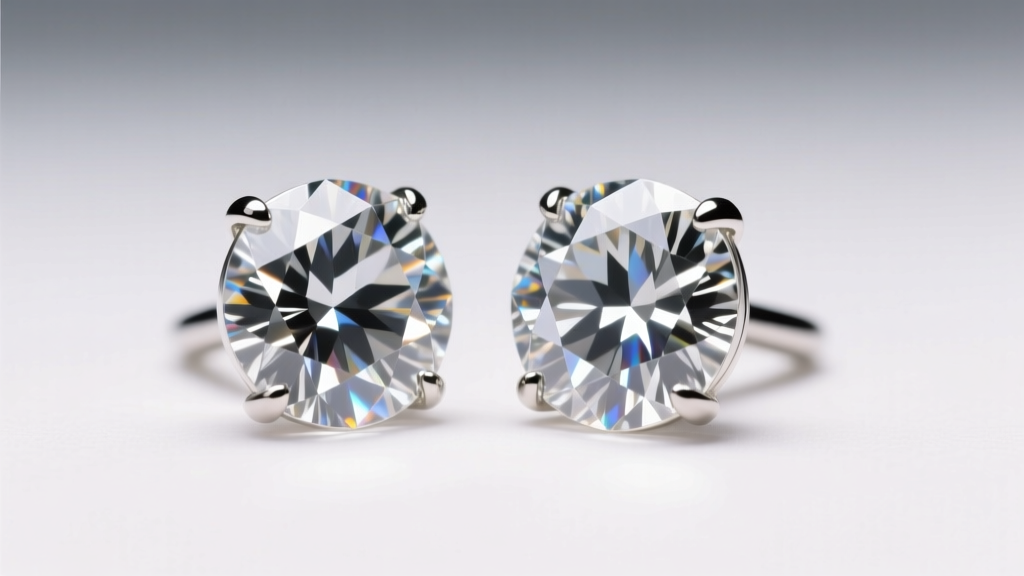
| Specification (1.00 CTW Studs) | Natural Diamond Price Range | Lab-Grown Diamond Price Range | Value Verdict |
|---|---|---|---|
| G-H Color, SI1 Clarity, Excellent Cut | $2,800 - $4,200 | $550 - $850 | Lab-grown offers identical visual performance for 80% less. |
| D-F Color, VVS2 Clarity, Ideal Cut | $5,500 - $8,000 | $900 - $1,400 | Overkill for earrings. Avoid this tier unless buying natural for investment. |
| I-J Color, SI2 Clarity, Very Good Cut | $1,500 - $2,200 | $350 - $500 | Best budget tier. Slight warmth and inclusions are invisible from 2 feet away. |
Troubleshooting Tip: If a jeweler is quoting you over $1,500 for a 1.00 CTW lab-grown pair in 2026, you are being overcharged. The wholesale cost of CVD (Chemical Vapor Deposition) and HPHT (High Pressure High Temperature) melee and small-carat stones has dropped significantly. Always demand an IGI or GIA grading report for lab-grown stones to verify the origin and specifications.
Hidden Cost Traps (And How to Avoid Them)
Even when you understand the 4Cs, retailers utilize structural and semantic traps that inflate the final price of diamond earrings. Here is how to troubleshoot the three most common hidden costs.
Trap 1: The 'Total Carat Weight' (CTW) Illusion
When a product is listed as '1.00 CTW', it means the combined weight of both earrings is one carat (0.50 carats per ear). Many shoppers mistakenly believe they are getting a 1-carat diamond in each ear. Always troubleshoot the listing by checking the 'per ear' weight. A 0.50-carat diamond measures approximately 5.0mm in diameter, while a true 1.00-carat single stone measures 6.5mm. The price difference between a 1.00 CTW pair and a 2.00 CTW pair is not double; it is often triple, due to the exponential rarity of larger natural rough diamonds.
Trap 2: Overpaying for Clarity and Color
In an engagement ring, an SI1 (Slightly Included) diamond might show a visible black carbon inclusion if located near the table. In an earring, the constant movement and the distance from the observer's eye make SI1 and even eye-clean SI2 inclusions completely undetectable. Similarly, while a D-color diamond is icy white, a J-color diamond set in yellow gold will face up completely white to the naked eye when worn on the earlobe. By dropping from VVS1/EF to SI1/GH, you can reduce your natural diamond earring budget by up to 45% without sacrificing visible beauty.
Trap 3: The Setting Metal and Style Markup
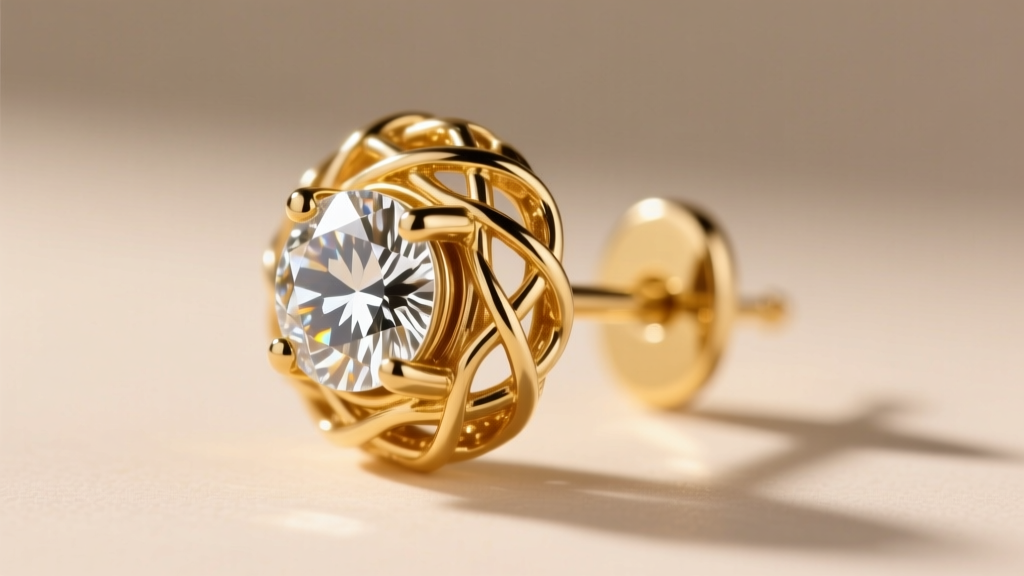
The metal and setting style heavily influence the final quote. A 'martini' setting uses three prongs and minimal metal, allowing the diamond to sit low and close to the earlobe. A 'basket' setting uses four prongs and a horizontal metal base, which raises the diamond and adds structural integrity. Platinum basket settings will add $300 to $600 to the base price of the earrings compared to 14k white or yellow gold. Furthermore, the Federal Trade Commission (FTC) Jewelry Guides mandate strict disclosures on metal purity, so ensure you are not paying 18k gold prices for a 14k gold setting.
Step-by-Step Framework to Calculate Fair Market Value
Use this actionable checklist when evaluating any diamond earring quote to ensure you are paying a fair 2026 market price:
- Verify the Carat Breakdown: Confirm the exact carat weight per ear, not just the CTW.
- Check the Cut Grade First: Cut is the only 'C' you should never compromise on for earrings. Poorly cut diamonds lack the light return necessary to catch the eye from a distance. Insist on 'Excellent' or 'Ideal' cut grades.
- Downgrade Color and Clarity: Target G-H-I color and SI1-SI2 clarity for the best price-to-visual-performance ratio.
- Request the Certificate: Never buy natural diamonds over 0.50 carats per ear without a GIA or AGS report. For lab-grown, accept IGI or GIA.
- Audit the Setting Weight: Ask the jeweler for the total gold/platinum weight of the settings. You should not pay exorbitant premiums for heavy platinum settings if you prefer lightweight, comfortable studs for thin earlobes.
Expert Insight: If you have thin or stretched earlobes, avoid heavy martini settings with large diamonds. The lack of a structural basket base will cause the heavy diamond to droop forward, pointing at the floor rather than facing outward. In this scenario, paying slightly more for a lightweight 14k gold basket setting with a secure friction back or screw back is a necessary structural investment.
Expert Verdict: Where to Actually Spend Your Money
When figuring out how much are diamond earrings and where to allocate your budget, the golden rule for 2026 is to prioritize optical performance over microscopic purity. Allocate 80% of your budget toward the highest possible Cut grade and maximum Carat weight per ear. Relegate the remaining 20% to Color and Clarity, safely dropping down the grading scale until the stone is 'eye-clean' and faces up white.
Finally, decide on your origin based on your financial goals. If you view jewelry as an adornment and want maximum size and sparkle for your dollar, lab-grown diamonds are the undisputed champions of value. If you view diamond earrings as a generational heirloom or an asset tied to the geological rarity of the earth, natural diamonds remain the standard, provided you aggressively negotiate the color and clarity grades to avoid paying the 'retail ignorance tax'.


