Troubleshooting DKNY Earrings: Tarnish, Clasps & Fakes
Learn how to troubleshoot common DKNY earrings issues. Expert fixes for tarnished plating, broken clasps, missing stones, and spotting fakes.

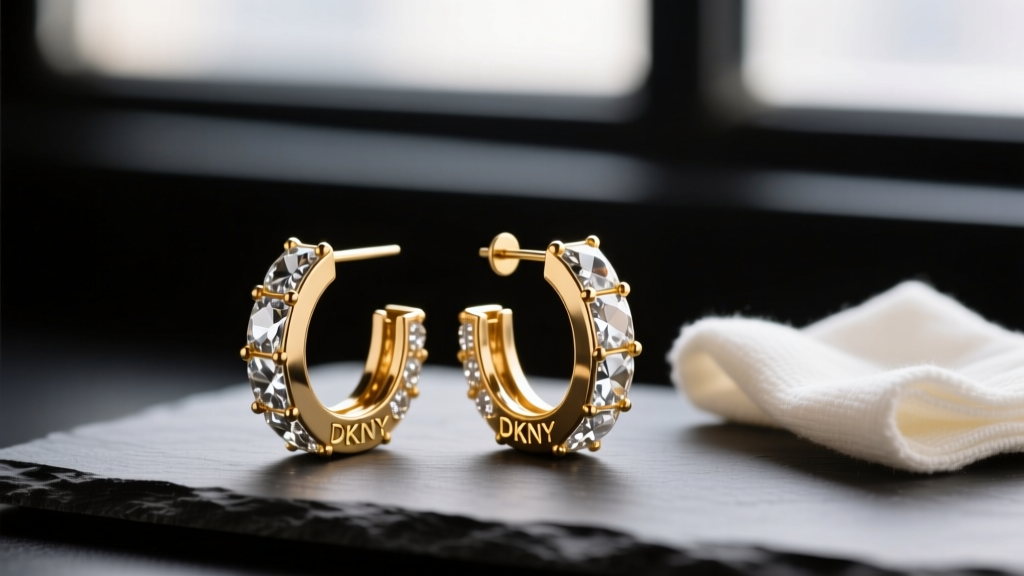
DKNY earrings have long been a staple in fashion jewelry, offering an urban-chic aesthetic that bridges the gap between everyday wear and statement pieces. However, because they are primarily crafted as fashion jewelry rather than fine jewelry, owners frequently encounter specific wear-and-tear issues. Whether you are dealing with rapid tarnishing, a snapped hinge on a huggie hoop, or questioning the authenticity of a vintage pair, understanding the metallurgy and construction of these pieces is the first step toward effective repair.
The Anatomy of DKNY Fashion Earrings
To troubleshoot effectively, you must understand what you are working with. DKNY jewelry is manufactured under the Fossil Group umbrella. As of 2026, the majority of their fashion earrings are cast from brass or zinc alloy bases. These bases are then finished with either gold-tone or silver-tone plating. Older models typically utilized flash electroplating, which deposits a microscopic layer of gold or silver (often less than 0.5 microns). Newer releases have increasingly adopted PVD (Physical Vapor Deposition) coating, which offers superior scratch resistance but requires entirely different cleaning protocols.
The decorative elements usually consist of cubic zirconia (CZ), glass crystals, or synthetic enamel. Recognizing these materials is critical; treating a PVD-coated brass earring with a harsh silver dip will instantly strip the finish and ruin the piece.
Solving Tarnish and Skin Discoloration
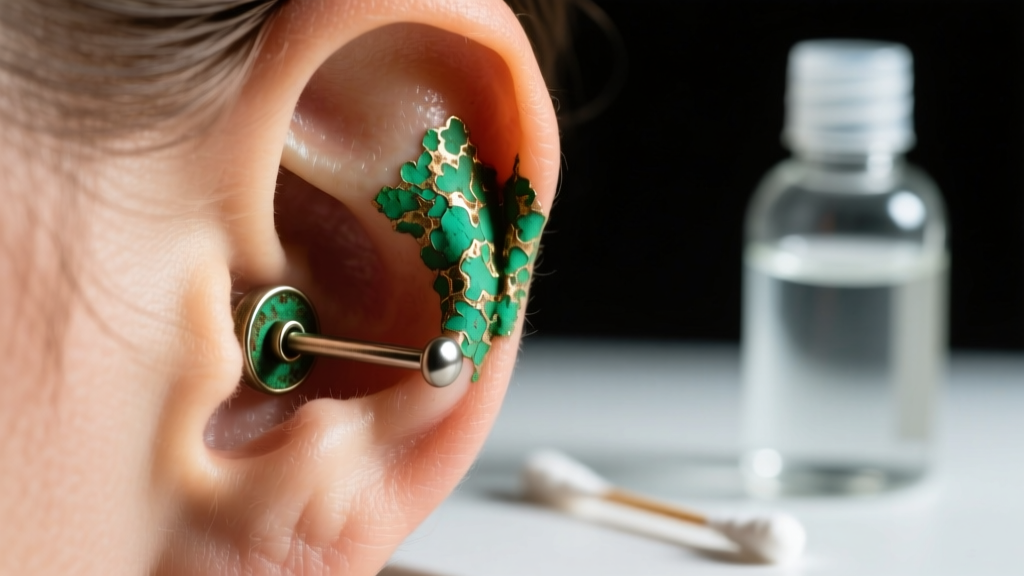
The most common complaint with fashion jewelry is the dreaded "green ear" effect or rapid darkening of the metal. This is not a sign of poor hygiene, but a basic chemical reaction.
Why Brass Turns Skin Green
Brass is an alloy of copper and zinc. When the thin plating on a DKNY earring post wears away from friction, the exposed copper reacts with lactic acid, salt, and moisture in your sweat to create copper chloride—a green compound that transfers to your skin.
Actionable Fixes for Tarnish
- For Light Surface Tarnish: Use a mild, phosphate-free dish soap and warm water. Gently scrub with a baby toothbrush. Avoid ultrasonic cleaners, as the high-frequency vibrations can shatter the adhesive bonds holding DKNY's pavé crystals in place.
- For Exposed Base Metal (Green Skin): If the post is already showing brass, you can temporarily seal it using a coat of clear, hypoallergenic nail polish. For a permanent solution, take the earrings to a local jeweler and request a "rhodium flash" or "e-coating" (electrophoretic coating), which will seal the base metal and prevent future reactions.
- What to Avoid: Never use baking soda paste, toothpaste, or commercial silver dips on DKNY earrings. These abrasives and chemicals will strip the remaining PVD or electroplated finish down to the raw brass.
Clasp and Post Repair Guide
Mechanical failure is the second most frequent issue. DKNY utilizes several distinct clasp mechanisms depending on the earring style. Below is a troubleshooting matrix for the most common hardware failures.
| Clasp Type | Common DKNY Styles | Failure Mode | Troubleshooting Fix |
|---|---|---|---|
| Butterfly Friction Back | Classic Logo Studs, Small CZ Studs | Post bends; back loses tension and falls off. | Standard DKNY posts are 20-gauge (0.8mm). Replace lost backs with 0.8mm silicone or metal friction backs. If the post is bent, gently straighten it using nylon-jaw pliers to avoid scratching the plating. |
| Hinge with Snap Closure | Medium Hoops, Huggies | Hinge pin loosens; snap wire fails to catch the groove. | Use a micro-screwdriver to gently tighten the hinge barrel. If the snap wire is loose, use chain-nose pliers to very slightly bend the wire upward to restore tension. Do not over-bend, or the wire will snap. |
| Leverback | Drop Earrings, Dangle Styles | Wire loop stretches open; jump ring separates. | Gently squeeze the leverback wire loop closed with smooth-jaw pliers. Check the jump ring connecting the leverback to the earring body; if it is pulled apart, twist it closed laterally rather than pulling the ends apart. |
According to Fossil Group Warranty and Care guidelines, attempting to solder a broken brass hinge at home will melt the zinc alloy base and destroy the earring. If a hinge pin is completely sheared off, the piece requires professional laser welding, which often costs more than the replacement value of the fashion earring.
Re-Setting Loose or Missing Crystals
DKNY heavily features pavé and bezel-set cubic zirconia. Over time, impacts or exposure to lotions can degrade the factory adhesive. The Gemological Institute of America (GIA) notes that while CZ is relatively hard (8-8.5 on the Mohs scale), the settings in fashion jewelry are rarely reinforced with traditional metal prongs, relying instead on industrial resins.
Step-by-Step Stone Replacement
- Measure the Stone: Use a digital caliper to measure the missing stone's diameter. DKNY typically uses standard round brilliant CZ sizes ranging from 1.5mm to 5.0mm.
- Clean the Setting: Use a wooden toothpick dipped in isopropyl alcohol to remove old, dried adhesive from the bezel or prong cup. Let it dry completely.
- Select the Adhesive: For tiny pavé stones (under 2mm), use GS Hypo Cement, which features a precision needle tip. For larger bezel-set stones, use E6000 or a two-part clear epoxy for a stronger, shock-resistant bond.
- Cure Time: Allow the adhesive to cure for a full 24 hours in a dry, room-temperature environment before wearing the earring.
Authenticity Verification Matrix
As the secondary market for vintage and discontinued DKNY jewelry grows, so does the prevalence of counterfeits. Authenticating DKNY earrings requires looking past the packaging and examining the physical hallmarks.
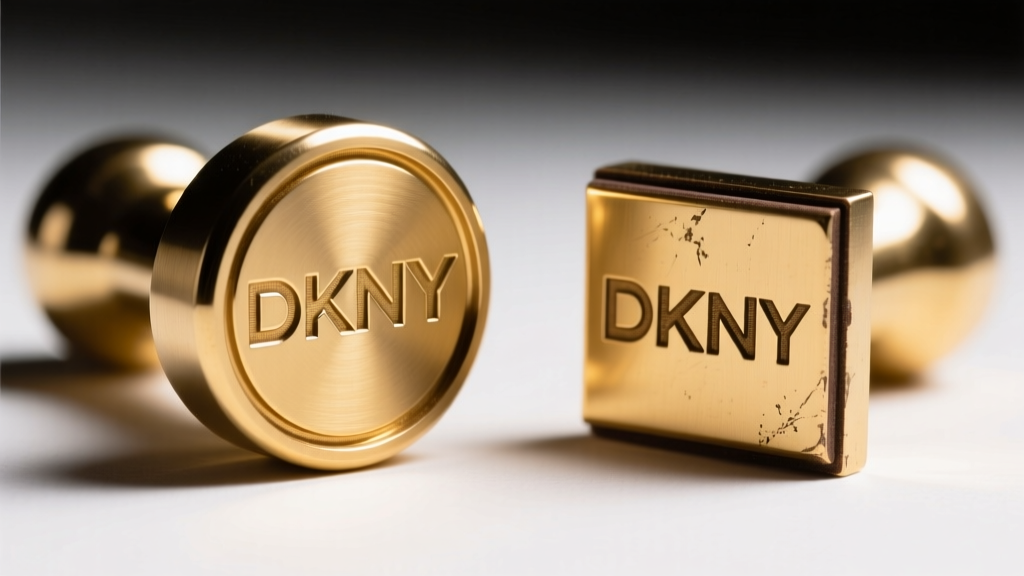
The Federal Trade Commission (FTC) Jewelry Guides mandate specific standards for metal markings and brand hallmarks, which legitimate manufacturers like Fossil Group adhere to strictly.
Key Indicators of Authentic DKNY Earrings
- The Hallmark Stamp: Genuine DKNY studs and hoops will feature a clean, deep laser engraving or stamped logo on the earring post, the back of the clasp, or the inner band of a hoop. Counterfeits often feature blurry, shallow, or misaligned stamps due to inferior casting molds.
- Weight and Cast Quality: Authentic brass-cast DKNY earrings have a specific, substantial heft. Fakes are often made from hollow aluminum or cheap, lightweight pot metal. Run your finger along the edges; genuine pieces are tumbled and polished to remove casting seams, while fakes often have sharp, rough parting lines.
- Stone Quality: While DKNY uses CZ rather than diamonds, their stones are machine-cut for uniformity. If the stones in a pavé setting are unevenly sized, cloudy, or set crookedly, it is a strong indicator of a counterfeit production run.
Preventative Maintenance for Longevity
The best troubleshooting method is prevention. Store your DKNY earrings in individual anti-tarnish flannel pouches or ziplock bags with silica gel packets to control ambient humidity. Always apply perfumes, hairsprays, and lotions before putting on your earrings, as the alcohol and oils in cosmetics accelerate the breakdown of both the metal plating and the crystal adhesives. By understanding the specific material constraints of fashion jewelry, you can extend the life of your favorite DKNY pieces for years to come.


