Lion Earrings Troubleshooting: Fix Weight, Tarnish & Clasps
Fix common lion earring problems. Learn how to stop lobe sagging, clean intricate mane detailing, and upgrade clasps for heavy animal motif jewelry.

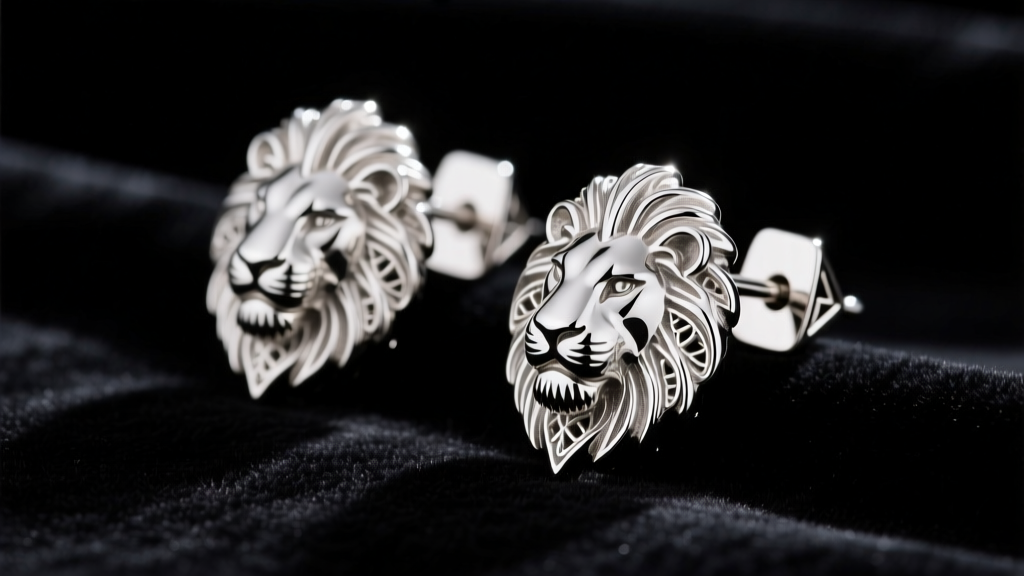
Lion earrings, particularly those featuring 3D sculpted heads, shield motifs, or sprawling mane silhouettes, are statement pieces that command attention. However, their bold aesthetics often introduce a unique set of structural and maintenance challenges. Because animal motifs require intricate casting and substantial surface area, these earrings frequently exceed standard weight limits, trap skin oils in deep crevices, and suffer from premature clasp failure. In 2026, as maximalist and sculptural jewelry continues to dominate trend forecasts, understanding the mechanics behind heavy novelty earrings is essential for both collectors and everyday wearers.
This comprehensive troubleshooting guide addresses the most common failure modes of lion-themed earwear. From upgrading wire gauges to prevent post-bending, to executing deep-cleaning protocols for recessed metalwork, we provide actionable, bench-jeweler-level solutions to restore your favorite pieces to their former glory.
The Unique Structural Challenges of Animal Motif Jewelry
Unlike minimalist studs or geometric hoops, lion earrings are inherently asymmetrical and top-heavy. A standard 3D lion head earring can easily weigh between 8 and 15 grams per ear. For context, the average comfortable weight limit for a standard, unpierced-stretched earlobe is roughly 4 to 5 grams. When you suspend a 12-gram zinc alloy or solid brass lion face from a standard 20-gauge (0.8mm) post, the physics of leverage take over. The center of gravity pulls the earring forward, causing the post to bend, the earlobe to stretch, and the backing to slip down the wire.
Why Standard Manufacturing Fails Heavy Designs
Many mass-produced lion earrings are cast using the lost-wax method in base metals like Zamak (a zinc alloy) or pewter to keep costs under $30. While these materials capture fine details like individual whiskers and mane strands, they lack the tensile strength of precious metals. Consequently, the solder joints where the earring post meets the lion's head are notorious weak points. Repeated stress from the earring drooping forward often results in a clean fracture at the solder seam, leaving you with a beautiful lion face and a detached wire.
Troubleshooting Issue #1: Lobe Sagging and Clasp Slippage
If your lion dangles or heavy studs are constantly pointing toward the floor, the issue is rarely the earring itself, but rather the inadequate backing system. Standard friction butterfly backs rely on a small metal clutch that grips the post. When subjected to the pendulum effect of a heavy lion motif, the clutch slowly slides down the wire, eventually falling off entirely.
Upgrading Your Earring Backs and Posts
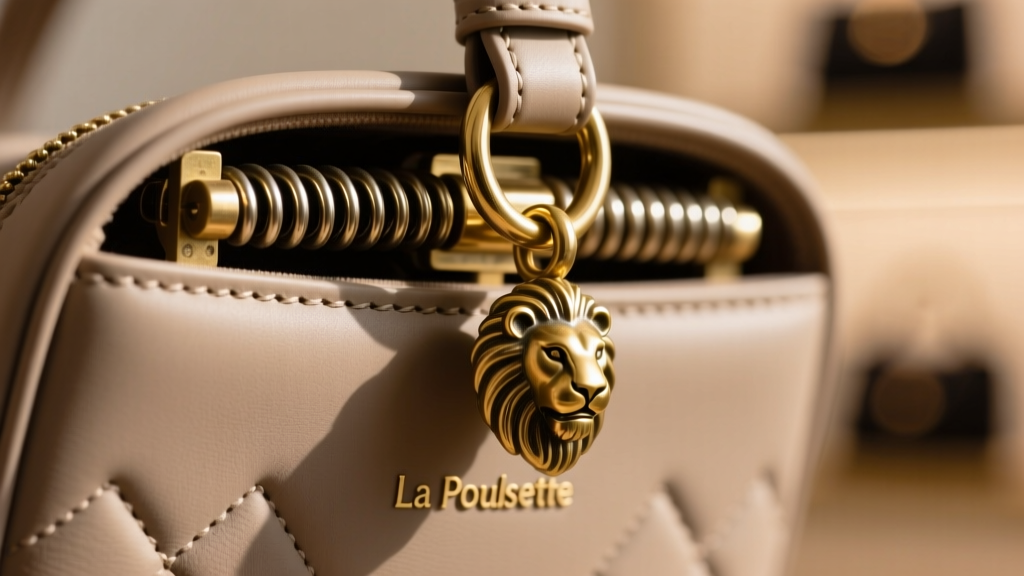
To solve the droop, you must increase the surface area of the backing and the thickness of the post. If your current post is 20-gauge, take the earrings to a local bench jeweler to have them soldered with 18-gauge (1.0mm) or 16-gauge (1.2mm) sterling silver or titanium wires. This prevents the metal from bowing under the weight.
Next, discard the butterfly backs. According to guidelines discussed by the Association of Professional Piercers (APP), heavy jewelry requires specialized support to prevent irreversible lobe stretching. Consider the following upgrades:
| Backing Type | Weight Capacity | Mechanism & Best Use | Estimated Cost |
|---|---|---|---|
| La Pousette | Up to 15g | Spring-loaded internal locking mechanism. Ideal for heavy 3D lion studs. | $15 - $25 / pair |
| Disc Backs (Silicone) | Up to 10g | Wide surface area distributes weight across the back of the lobe. | $5 - $10 / pack |
| Screw Backs | Up to 12g | Threaded post and backing. Prevents slipping but requires a custom threaded post. | $20 - $35 / pair |
| Earlobe Support Patches | Unlimited (Distributes) | Adhesive patches (e.g., LobeWonder) worn behind the ear to prevent tearing. | $10 - $15 / box |
Troubleshooting Issue #2: Tarnish Trapped in Intricate Manes
The defining feature of a lion earring is its mane. Unfortunately, deep, recessed metalwork acts as a magnet for sebum, dead skin cells, hairspray, and environmental pollutants. Over time, this buildup mixes with the natural oxidation of the metal, creating a hardened, dark sludge that is impossible to wipe away with a standard polishing cloth.
Step-by-Step Deep Cleaning Protocol
Before cleaning, you must identify the metal and any secondary materials. If your lion earrings feature enamel eyes, glued-in cubic zirconia, or are merely gold-plated over brass, do not use an ultrasonic cleaner. The high-frequency vibrations will shatter the enamel and dissolve the adhesive holding the stones. Instead, follow this manual deep-cleaning protocol recommended by the Gemological Institute of America (GIA) for delicate and porous jewelry:
- Step 1: The Soak. Mix three drops of mild, phosphate-free dish soap (like Dawn) into a bowl of warm distilled water. Submerge the earrings for exactly 10 minutes to soften the sebum buildup. Do not exceed 15 minutes if the piece is plated.
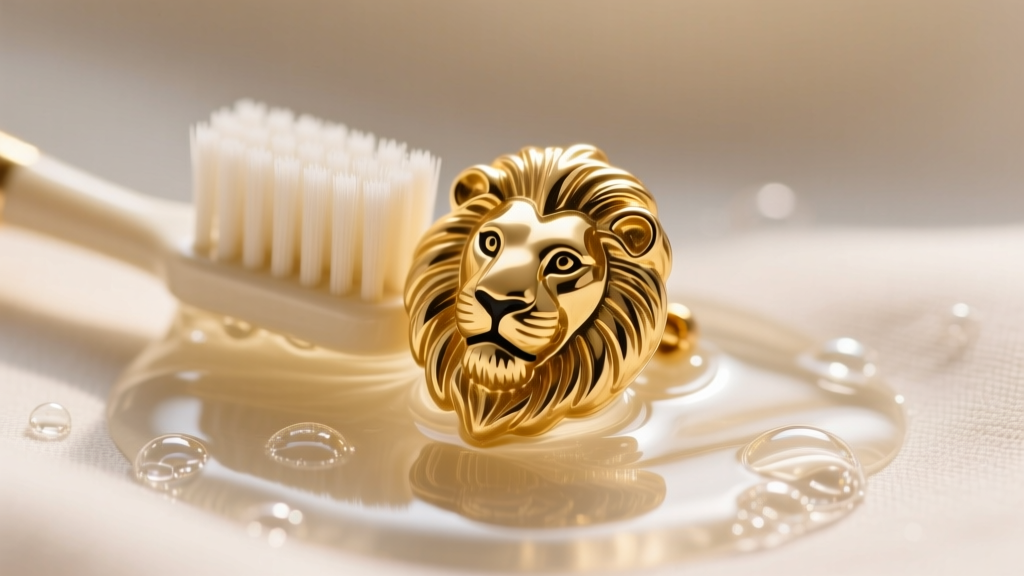
- Step 2: Agitation. Use a brand-new, extra-soft baby toothbrush. Gently brush the recessed areas of the mane using small, circular motions. Never use hard-bristled brushes, as they will leave micro-scratches on polished brass or silver.
- Step 3: The Rinse. Rinse the earrings under a gentle stream of lukewarm water. Ensure the drain is plugged or use a mesh strainer to prevent losing the piece.
- Step 4: Drying. Pat dry with a lint-free microfiber cloth. Use a hairdryer on the 'cool' setting to blast water out of the deepest crevices of the mane; trapped moisture will accelerate future tarnishing.
Troubleshooting Issue #3: Contact Dermatitis from Base Metals
Many affordable lion earrings are manufactured from Zamak or low-grade brass alloys. Under the Federal Trade Commission (FTC) Jewelry Guides, base metals are not required to disclose trace elemental compositions. These alloys frequently contain nickel or cadmium, which, when exposed to the acidity of human sweat, trigger severe contact dermatitis, resulting in itchy, flaky, or green-stained earlobes.
How to Test and Seal Reactive Metals
If your earlobes react to your lion earrings, you have three troubleshooting options:
- The Barrier Method: For an immediate, temporary fix, coat the earring post and the back of the lion's head with a thin layer of clear, flexible jeweler's epoxy or a specialized skin-safe barrier coating like SkinSAFE. Avoid standard nail polish, as it chips quickly and can trap bacteria against the skin.
- The Re-Plating Solution: Take the earrings to a professional plating service. They can polish the base metal and apply a thick layer of rhodium or 18k gold plating, sealed with a clear e-coat (electrocoating) that provides a hypoallergenic barrier lasting up to two years.
- The Post Swap: If only the post is causing irritation, a jeweler can laser-weld a medical-grade titanium or 14k nickel-free gold post onto the base metal lion head, eliminating the primary point of skin contact.
When to Seek Professional Bench Jewelers
While clasps and cleaning can be managed at home, structural failures require professional intervention. If the earring post has snapped flush against the back of the lion's head, do not attempt to glue it back on. Cyanoacrylate (Super Glue) lacks the shear strength to support a heavy motif and will ruin the metal's finish.
Jeweler's Tip: Ask your bench jeweler to perform a 'laser weld' rather than a traditional torch solder. Laser welding uses a concentrated beam of light to fuse metals without generating widespread heat. This ensures that any heat-sensitive patinas, antique oxidized finishes in the lion's mane, or glued-in gemstones remain completely undamaged during the repair process.
By addressing the physics of weight distribution, committing to meticulous cleaning routines, and understanding the metallurgy of your accessories, you can ensure your lion earrings remain a powerful, comfortable staple in your jewelry rotation for years to come.


