Troubleshooting Mens Square Diamond Earrings: Fixing Loose Stones
Learn how to troubleshoot mens square diamond earrings. Expert fixes for loose stones, bent posts, and cloudy diamonds to protect your investment.

The Unique Vulnerabilities of Square Diamond Studs
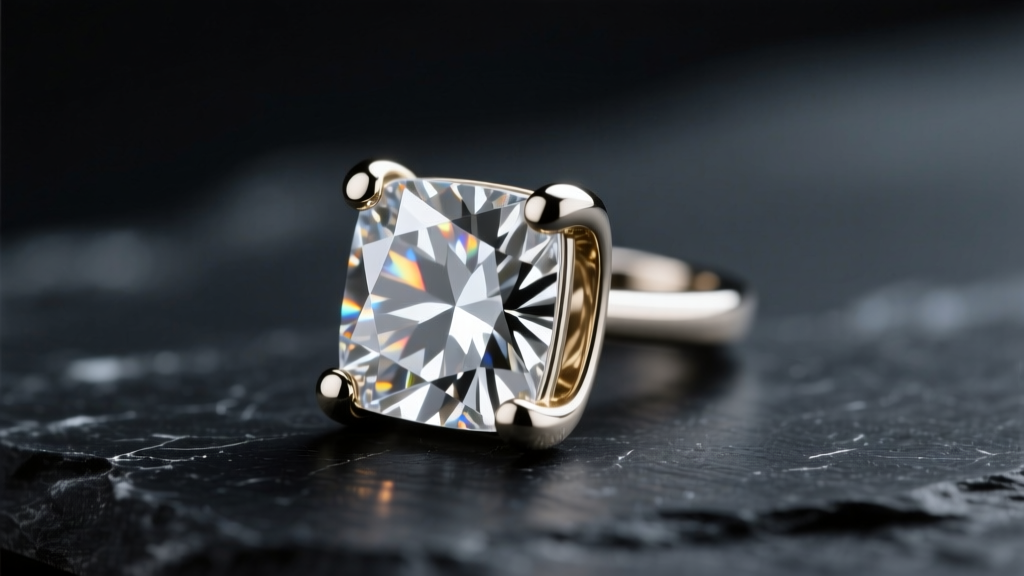
Mens square diamond earrings—typically featuring princess, Asscher, or square radiant cuts—are a cornerstone of modern masculine jewelry. Their sharp, geometric lines offer a bold, architectural aesthetic that round brilliants simply cannot match. However, from a gemological and structural standpoint, square diamonds present a unique set of engineering challenges. Unlike round diamonds, which distribute impact evenly across their curved girdles, square diamonds possess sharp 90-degree corners. These corners are the thinnest, most fragile points of the stone and are highly susceptible to chipping, snagging, and eventual loosening from their settings.
Furthermore, men's lifestyle factors—such as wearing hats, pulling shirts over the head, and exposure to gym environments—subject these earrings to lateral shear forces that standard fine jewelry is rarely tested against. If you are experiencing issues with your square studs, you are not alone. This comprehensive troubleshooting guide addresses the most common failure modes of mens square diamond earrings and provides actionable, expert-level solutions to restore and protect your investment.
Troubleshooting Loose Stones and Corner Chipping
The most catastrophic failure in any diamond earring is the loss of the stone. In square settings, this is almost always preceded by corner chipping or prong degradation. If your diamond rattles when you tap the setting, or if you notice a shadow shifting beneath the table facet, immediate intervention is required.
The Prong Problem: Standard vs. V-Prongs
Many mass-produced mens square diamond earrings utilize standard round prongs placed directly over the sharp corners of the stone to maximize light entry. This is a critical design flaw. A standard round prong offers minimal surface area contact on a 90-degree corner, leaving the diamond's weakest point exposed to blunt force trauma. According to the Gemological Institute of America (GIA), the corners of a princess-cut diamond are highly vulnerable to cleavage if struck at the right angle.
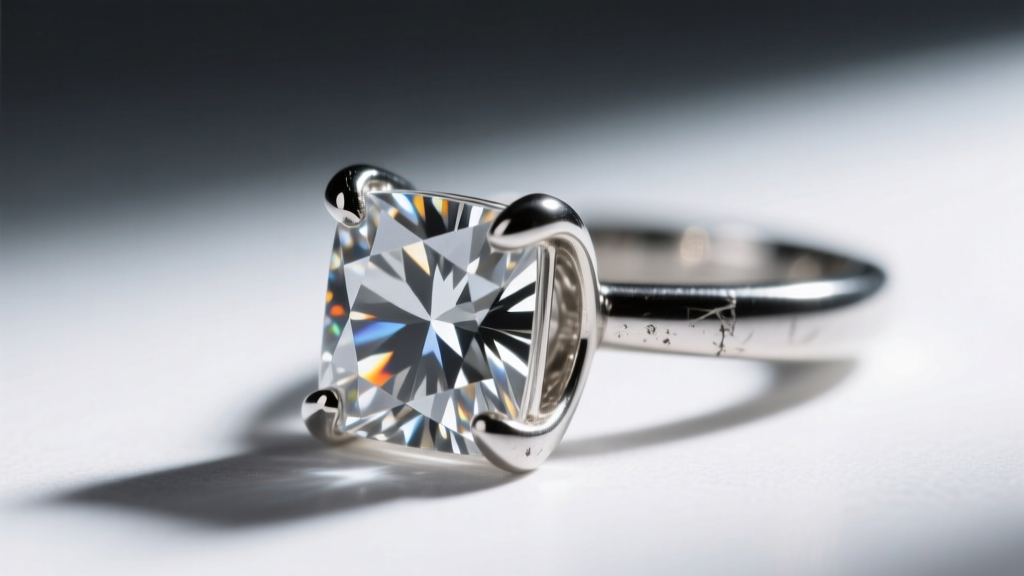
The Fix: If your square diamonds are set with standard prongs, take them to a master jeweler to be retrofitted with V-prongs. A V-prong wraps around the corner of the diamond in a protective metal chevron, completely shielding the fragile point while still allowing light to enter the pavilion. Expect to pay between $60 and $120 per earring for this custom retipping and setting modification. If a corner is already chipped, a jeweler may need to re-cut the stone or adjust the bezel to hide the flaw, which can result in a 5% to 10% loss of carat weight.
Metallurgy Matters: White Gold vs. Platinum Prongs
The metal holding your square diamond dictates how often you will need maintenance. 14k and 18k white gold are alloys mixed with metals like nickel or palladium and plated with rhodium. Over time, white gold prongs experience 'metal fatigue' and become brittle, increasing the risk of a prong snapping off entirely. Platinum, conversely, is a dense, malleable metal that work-hardens and displaces rather than snapping. For mens square diamond earrings that endure daily wear, platinum prongs reduce the frequency of retipping by up to 70% compared to white gold.
Solving Dullness, Cloudiness, and Rhodium Fade
A common complaint among men wearing square diamond studs is that the stones suddenly look cloudy, gray, or lifeless. Because square cuts like the Asscher or emerald cut feature large, open step-cut facets, they act like mirrors. Any oil, dead skin cell, or lotion residue on the pavilion (the bottom of the stone) is immediately magnified, destroying the stone's brilliance.
The Rhodium Contrast Illusion
If your earrings are set in white gold, the rhodium plating naturally wears away over 6 to 12 months, revealing the slightly yellowish or grayish undertone of the white gold alloy beneath. This darkening metal reflects a dull color back through the diamond, making a high-clarity square stone look cloudy. The troubleshooting step here is not just cleaning the diamond, but having the settings re-rhodium plated (dipped) by a jeweler, which typically costs $35 to $50 and instantly restores the high-contrast white backdrop that makes square diamonds pop.
Safe Deep-Cleaning Protocols
Men's skin tends to produce more sebum (oil) than women's, which aggressively coats diamond facets. While ultrasonic cleaners are excellent for removing this buildup, they pose a severe risk to square diamonds. If your princess-cut diamond has 'feathers' (internal fractures) near the corners, the high-frequency vibrations of an ultrasonic bath can cause the stone to fracture completely along those fault lines.
- Safe Daily Clean: Use a few drops of degreasing dish soap (like Dawn) in warm water. Soak for 15 minutes, then use a baby-hair toothbrush to gently scrub the pavilion through the gallery wires.
- Pro Deep Clean: Have a jeweler use a low-pressure steam cleaner, which blasts away hardened sebum without the vibrational risks of ultrasonic waves.
Fixing Bent Posts and Slipping Backings
The hardware of mens square diamond earrings is subjected to immense mechanical stress. Pulling a cotton t-shirt over your head creates a 'snag-and-pull' dynamic that can easily bend a standard earring post or rip a friction backing right off the earlobe, leading to lost earrings.
Upgrading Post Gauge and Tensile Strength
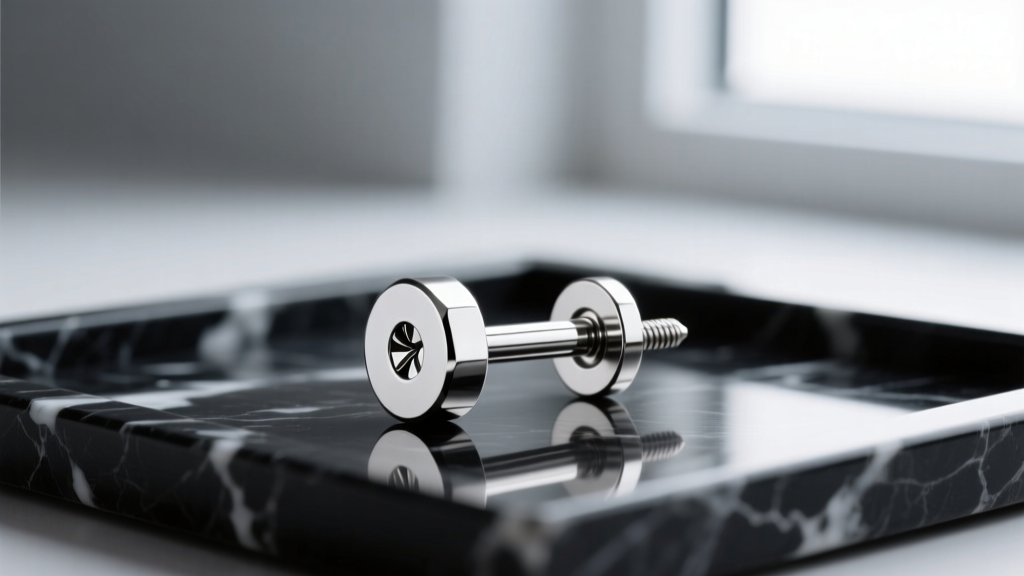
Most commercial mens earrings are manufactured with 18-gauge (1.02mm) or even 20-gauge (0.81mm) posts to save on precious metal costs. For men, this is entirely insufficient. An 18-gauge white gold post will permanently bend if snagged on a towel or shirt collar. The Solution: Have a jeweler laser-weld a 16-gauge (1.29mm) or 14-gauge (1.6mm) post onto the earring head. The exponential increase in cross-sectional area makes a 14-gauge post nearly impossible to bend under normal human force. Ensure the new post is made of platinum or high-nickel white gold for maximum rigidity.
Eliminating Backing Slippage
Standard 'butterfly' friction backs rely on a tiny metal spring mechanism that wears out within months, especially when exposed to sweat and friction. To troubleshoot slipping backs, abandon friction posts entirely.
"For active men or those who sleep in their studs, transitioning to threaded screw-backs or La Pousette (silicone O-ring lock) backs is the single most effective way to prevent catastrophic loss of high-value square diamonds." - Jewelers of America
Screw-backs require the post to be threaded, meaning your jeweler will need to replace the post and provide matching threaded nuts. This upgrade costs roughly $80 to $150 per pair but provides absolute security against accidental removal.
Troubleshooting Matrix: Quick Reference Guide
| Problem | Root Cause | DIY Troubleshooting | Professional Fix | Est. Cost |
|---|---|---|---|---|
| Rattling Stone | Worn or bent corner prongs | Stop wearing immediately; tape over the stone to prevent loss. | Retip prongs or upgrade to V-prongs. | $60 - $120 |
| Cloudy / Gray Diamond | Sebum buildup or faded rhodium | Soak in warm water and degreasing dish soap; brush pavilion. | Professional steam clean and rhodium dip. | $35 - $50 |
| Bent Earring Post | Post gauge too thin (18G or 20G) | Gently bend back to center (high risk of snapping). | Laser-weld a heavy 14-gauge platinum post. | $50 - $90 |
| Backings Falling Off | Friction notches worn smooth | Use a silicone O-ring slider temporarily. | Thread the post and install screw-back nuts. | $80 - $150 |
When to Seek Professional Intervention
While basic cleaning and backing replacements can be managed at home, structural issues regarding the diamond's integrity must never be subjected to DIY repairs. Attempting to push a loose square diamond back into its setting with tweezers or pliers will almost certainly result in applying uneven pressure to the girdle, causing the corner to shatter. Furthermore, if you notice a dark spot appearing inside the stone that was not present on your original GIA grading report, this is likely a new internal fracture caused by impact, not a speck of dirt. In these scenarios, consult a certified gemologist appraiser or a master bench jeweler immediately to assess whether the stone requires re-cutting or if the setting can be modified to mask the damage. By understanding the specific mechanical and gemological needs of square cuts, you can ensure your mens square diamond earrings remain secure, brilliant, and structurally sound for a lifetime of wear.


