Troubleshooting Birthstone Earrings For November: Citrine & Topaz
Expert troubleshooting guide for birthstone earrings for november. Learn how to fix chipped topaz, cloudy citrine, and bent earring posts.

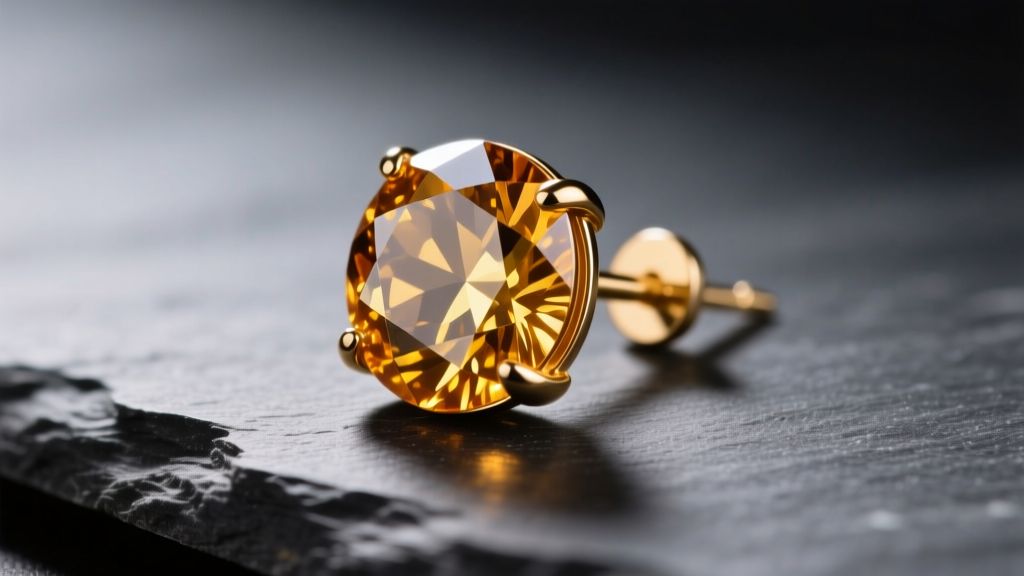
When selecting birthstone earrings for november, jewelry lovers are typically drawn to the warm, honeyed hues of citrine or the striking, icy blues of topaz. However, owning these specific gemstones comes with unique physical vulnerabilities. Unlike diamonds or sapphires, November birthstones possess distinct crystallographic traits that make them prone to chipping, clouding, and hardware failure if not properly maintained. As of 2026, while jewelry repair technologies like laser welding have advanced, the fundamental physics of these stones remain unchanged. This guide provides deep-dive troubleshooting for the most common issues plaguing November birthstone earrings.
The Cleavage Conundrum: Why Your Topaz Earrings Keep Chipping
Topaz ranks an 8 on the Mohs hardness scale, leading many owners to falsely assume it is nearly indestructible. However, hardness only dictates scratch resistance. Topaz possesses perfect basal cleavage, meaning it has a structural weakness along specific crystallographic planes. A hard knock against a bathroom mirror or a dropped earring can cause the stone to split cleanly or chip at the girdle.
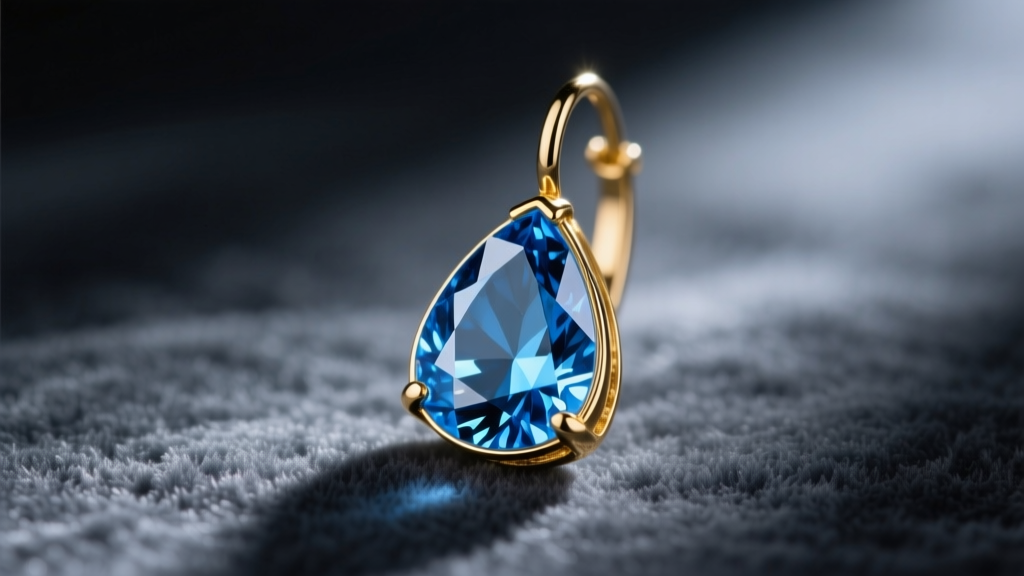
Troubleshooting Chipped Topaz: If your topaz earring has chipped, inspect the damage under a 10x jeweler's loupe. If the chip is superficial and located on the crown, a lapidary can sometimes re-polish the facet. However, if the chip breaches the girdle or pavilion, re-cutting will result in massive carat weight loss, often rendering the stone too small for its original setting. According to the Gemological Institute of America (GIA), the best prevention is structural. If you wear topaz dangles or drops, avoid standard four-prong settings. Instead, opt for bezel settings or V-prongs at the vulnerable points of pear and marquise cuts to absorb impact.
Citrine Cloudiness: Diagnosing and Reversing Surface Damage
Citrine is a variety of quartz (Mohs 7) and is highly susceptible to thermal shock and chemical buildup. A frequent complaint among owners of birthstone earrings for november is that their citrine studs suddenly appear cloudy or milky. Before assuming the stone has been permanently damaged, you must isolate the cause.
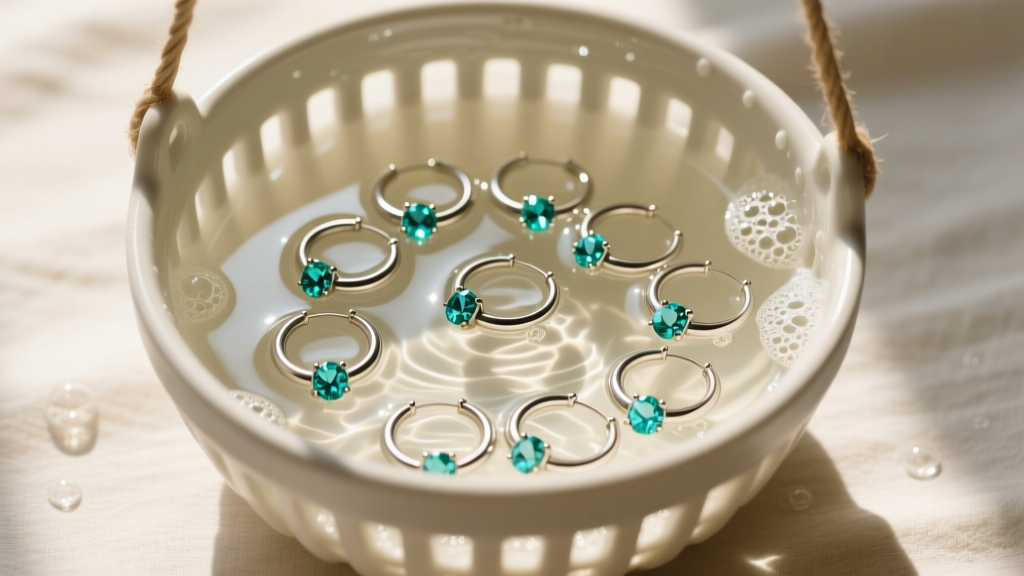
Step 1: Rule out Thermal Shock. Citrine cannot withstand sudden temperature changes. If you recently wore your earrings in a sauna, or if a jeweler used a steam cleaner on them, microscopic internal fractures may have occurred, scattering light and causing a milky appearance. This damage is irreversible. Step 2: Remove Chemical Films. More commonly, cloudiness is caused by a polymerized film of hairspray, lotions, and hard water. Ultrasonic cleaners are generally safe for untreated citrine, but if your stone is fracture-filled or heavily included, the vibrations can shatter it. The safest protocol recommended by the GIA Citrine Guide is a 15-minute soak in lukewarm water with a drop of ammonia-free dish soap, followed by gentle agitation with a baby-hair brush. Never use a toothbrush, as stiff bristles can scratch the precious metal setting and push debris into the prong crevices.
Additionally, be wary of wearing citrine earrings while swimming in chlorinated pools. While quartz is relatively resistant to mild acids, prolonged exposure to harsh chlorine can degrade the alloy metals in your setting (especially 10k or 14k gold), leading to porosity and eventual prong failure.
Hardware Failures: Post Bending and Prong Wear
Topaz and citrine are often cut into large, heavy carat weights to maximize their color saturation. When these heavy stones are set into delicate earring mountings, the hardware inevitably fails. If your topaz drop earrings constantly droop forward, or the posts bend when you insert them, you are dealing with a gauge mismatch.
Standard fashion earring posts are typically 20-gauge (0.81mm) or 22-gauge (0.64mm), which lack the tensile strength to support a 5-carat topaz drop. To troubleshoot this, take your earrings to a bench jeweler and request a post upgrade to an 18-gauge (1.02mm) or 16-gauge (1.29mm) wire. Furthermore, upgrade your earring backs. Standard friction backs (butterfly clutches) will easily slip off heavy stones, leading to loss. Switch to screw-backs or secure silicone friction backs with a metal inner core.
If you are purchasing new topaz huggies or hoops, look for designs where the gemstones are channel-set or bead-set directly into the thick metal body of the hoop, rather than dangling from a fragile soldered jump ring. Jump rings are notorious failure points for heavy gemstone drops, often pulling open under the dynamic weight of the stone as you walk.
Diagnostic Matrix: November Birthstone Earring Issues
| Symptom | Root Cause | Actionable Solution |
|---|---|---|
| Stone droops forward on the lobe | Post gauge too thin for the gemstone carat weight | Solder a thicker 18G or 16G post; use screw-backs |
| Sudden milky or cloudy appearance | Thermal shock from steam cleaning or extreme heat | Irreversible; prevent by using only lukewarm soapy soaks |
| Sharp clicking sound when tapped | Loose prong allowing the stone to rattle in the gallery | Immediate prong tightening; do not wear until repaired |
| Girdle chipping or splitting | Impact on topaz perfect basal cleavage plane | Re-cut if viable and reset into a protective bezel or V-prong |
Color Stability and Repair Risks in 2026
A persistent myth in jewelry circles is that irradiated blue topaz will fade if exposed to sunlight. Modern gemological consensus confirms that the color centers created during the neutron or electron bombardment of blue topaz are entirely stable under normal wear conditions. Your blue topaz birthstone earrings for november will not fade from sun exposure.
However, citrine presents a different risk during jewelry repairs. Much of the citrine on the market is heat-treated amethyst. If you need to have a ring or earring setting resized or repaired using a traditional jeweler's torch, the intense localized heat can alter the stone's color, turning it back to a pale yellow or causing it to bleach entirely. Always insist that your jeweler use a laser welder for prong re-tipping or setting repairs on citrine. Laser welding concentrates heat in a microscopic area, keeping the gemstone completely cool and preserving its rich, autumnal hue. For more on safe jewelry maintenance, consult the Jewelers of America care guidelines.
Final Maintenance Protocol
Troubleshooting birthstone earrings for november requires respecting the unique crystallography of topaz and the thermal sensitivities of citrine. By upgrading your hardware to heavier gauges, utilizing protective bezel or V-prong settings, and strictly avoiding steam and torch heat, you can ensure your November birthstones remain vibrant and secure for decades. Remember that proper storage is just as critical as cleaning. Store your topaz and citrine earrings individually in soft microfiber pouches. Because topaz is an 8 on the Mohs scale, it can easily scratch your citrine (Mohs 7) or gold settings if they are tossed together into a communal jewelry box. Inspect your prongs every six months with a loupe, and when in doubt, rely on professional laser-welding techniques to protect your investment.


