Troubleshooting Vintage 1970s Earrings: Expert Repairs
Fix heavy, tarnished, or painful vintage 1970s earrings. Expert troubleshooting for clip-ons, base metal allergies, and gold vermeil restoration.

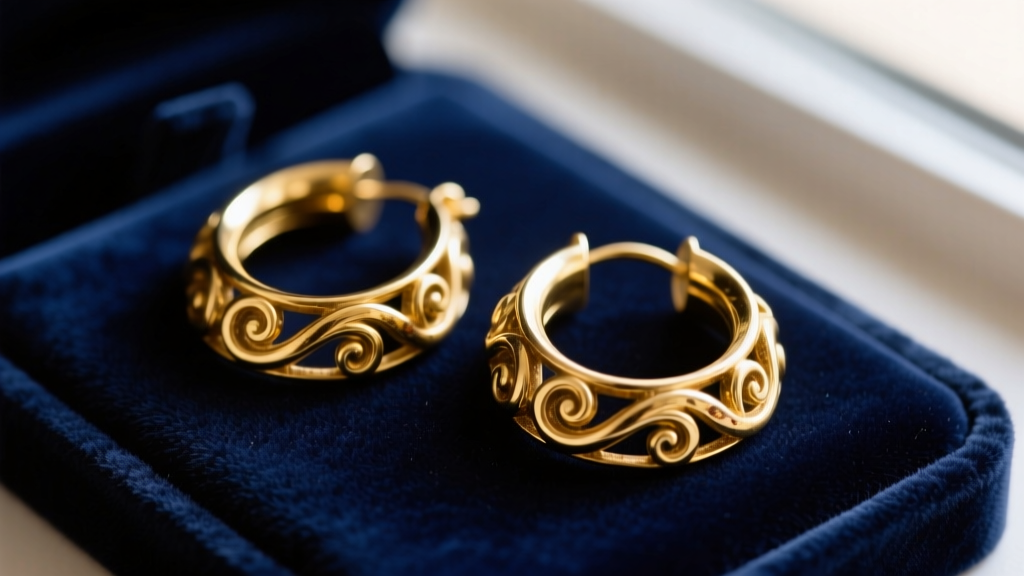
The resurgence of bohemian and disco-era aesthetics in 2026 has driven a massive spike in the demand for authentic vintage jewelry. Among the most coveted pieces are 1970s earrings, characterized by oversized geometric hoops, intricate macrame dangles, and bold gold vermeil designs from heritage brands like Napier, Monet, and Trifari. However, inheriting or thrifting these pieces often reveals a host of structural and dermatological nightmares. Vintage earrings were manufactured with very different wearability standards and metallurgical practices than we use today.
As a jewelry repair specialist, I see countless 1970s earrings abandoned in drawers because they are too heavy, cause allergic reactions, or feature broken, painful clip-on mechanisms. This comprehensive troubleshooting guide will walk you through the exact technical solutions required to restore, retrofit, and safely wear 1970s earrings without compromising their historical integrity.
The Weight Distribution Problem: Heavy Dangles and Thick Wires
One of the most common complaints regarding 1970s dangle and hoop earrings is lobe fatigue and tearing. During the 1970s, costume jewelry manufacturers frequently used 14-gauge (1.6mm) or even 12-gauge (2.0mm) brass or steel wire for ear hooks to support the weight of large resin, wood, or metal geometric shapes. Modern healed earlobes are typically pierced at 18-gauge (1.0mm) or 20-gauge (0.8mm). Forcing a thick 1970s ear wire through a modern piercing causes micro-tears, inflammation, and eventual stretching of the fistula.
Retrofitting Ear Wires for Modern Comfort
If the vintage earring features a simple loop at the top, the most effective solution is to remove the original heavy wire using flush cutters and attach a modern, hypoallergenic French wire. I recommend using 20-gauge implant-grade titanium (ASTM F136) or 22-gauge niobium ear wires. Because titanium cannot be easily soldered with standard jewelers' torches, use a 20-gauge sterling silver or titanium jump ring to connect the vintage top loop to the new ear wire.
For heavy 1970s clip-on dangles that pull downward and pinch the cartilage, utilize silicone earring support patches (such as BlingWraps or generic silicone stabilizers). These adhesive patches distribute the weight across a wider surface area of the earlobe, preventing the heavy brass findings from slicing into the skin.
Rescuing Painful 1970s Clip-On Mechanisms
Before the widespread adoption of modern piercing in the late 1970s and 1980s, clip-on earrings were the standard. Vintage 1970s clip-ons often utilized high-tension, unpadded steel clips or early, stiff omega-backs. Over decades, the metal fatigues, losing its spring, or conversely, becomes so rigid that it causes severe pressure necrosis on the earlobe.
Adjusting Tension Without Snapping the Hinge
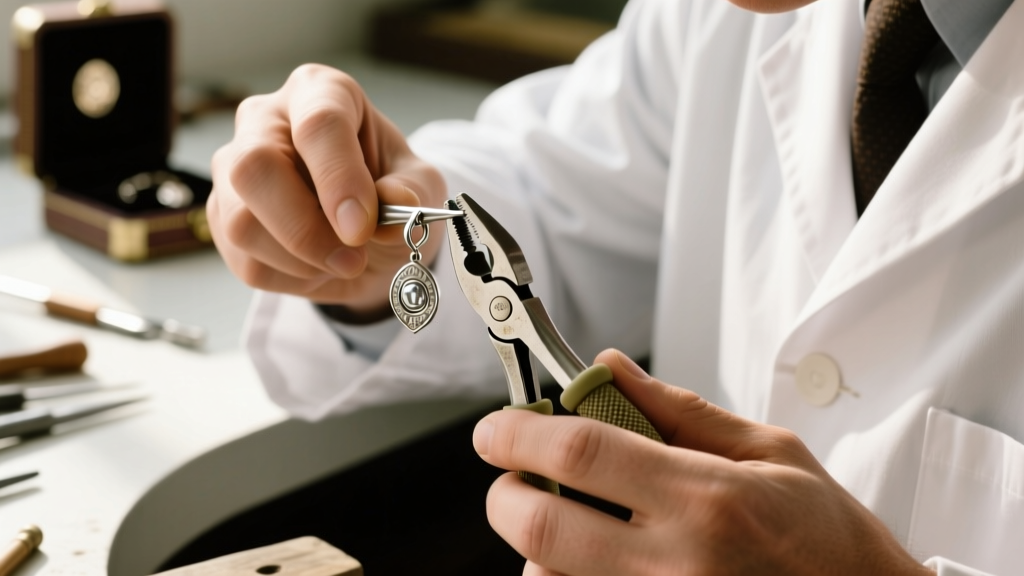
Never use standard steel jewelry pliers to bend a vintage 1970s clip-on backing. The brittle, aged base metals will snap, and the steel teeth will permanently mar the gold or silver plating. Instead, use nylon-jaw pliers.
- Grip the base of the clip (where it meets the hinge) with the nylon pliers.
- Use your thumb to apply gentle, incremental pressure to the paddle of the clip to expand the tension gap by 1-2 millimeters.
- Test the tension on your earlobe. The goal is a snug fit that relies on surface friction rather than crushing pressure.
To further alleviate pain, apply self-adhesive silicone clip-on cushions. These 3mm pads not only provide a barrier between the metal and the skin but also increase friction, allowing you to loosen the metal tension even further while maintaining a secure grip.
The Base Metal Allergy Crisis (And How to Solve It)
The 1970s costume jewelry industry relied heavily on "pot metal"—cheap, unregulated alloys containing high levels of nickel, lead, and cadmium. When the thin outer plating of a 1970s earring wears away, direct skin contact with these base metals triggers severe allergic contact dermatitis. If your earlobes turn green, itch, or weep after wearing vintage finds, you are reacting to nickel salts and copper oxidation.
Testing and Sealing Vintage Alloys
Before wearing any thrifted 1970s earrings, test the posts and clip paddles with a dimethylglyoxime (DMG) nickel test kit. If the swab turns pink, the piece contains reactive nickel. To troubleshoot this without destroying the vintage aesthetic, you have three professional options:
| 1970s Base Metal Issue | Modern Troubleshooting Solution | Durability & Cost |
|---|---|---|
| Nickel-rich brass posts | Laser-weld a new 14k gold or titanium post; coat original in UV resin. | Permanent / High ($40-$80 per pair) |
| Flaking gold plating on clips | Apply a micro-thin layer of JewelersSecret or clear dental-grade UV resin. | Semi-Permanent / Low ($15 DIY kit) |
| Copper oxidation (green skin) | Electroplate a barrier layer of rhodium over the base metal. | Permanent / Medium ($30-$50 per pair) |
For a quick, at-home fix, painting the earring posts or clip paddles with a specialized jewelry barrier coating or clear UV curing resin creates an impermeable shield between the 1970s alloy and your skin. Avoid using standard clear nail polish, as it yellows, chips rapidly, and contains solvents that can melt vintage enamel or acrylic accents.
Cleaning 1970s Gold Vermeil and Enamel Safely
Many 1970s earrings feature gold vermeil (gold plated over sterling silver) or intricate guilloché enamel work. A critical mistake modern collectors make is treating these pieces like contemporary solid gold jewelry. In the 1970s, gold plating was often "flash plated" at a thickness of merely 0.1 to 0.3 microns, compared to the modern vermeil standard of 2.5 microns.
What to Avoid at All Costs
According to the Victoria and Albert Museum's jewelry conservation guidelines, ultrasonic cleaners and commercial silver dips are strictly prohibited for vintage plated and enameled items. The high-frequency vibrations of an ultrasonic cleaner will delaminate 1970s flash plating in seconds, while the harsh chemicals in silver dips will strip the gold layer and cloud the enamel.
The Safe Cleaning Protocol
To safely remove decades of sebum, hairspray, and tarnish from 1970s earrings, follow the Gemological Institute of America (GIA) gem and metal care protocols for delicate organics and plated metals:
- Mix a few drops of pH-neutral dish soap (like Dawn) into a bowl of lukewarm distilled water.
- Submerge the earrings for no more than 3 to 5 minutes to loosen debris.
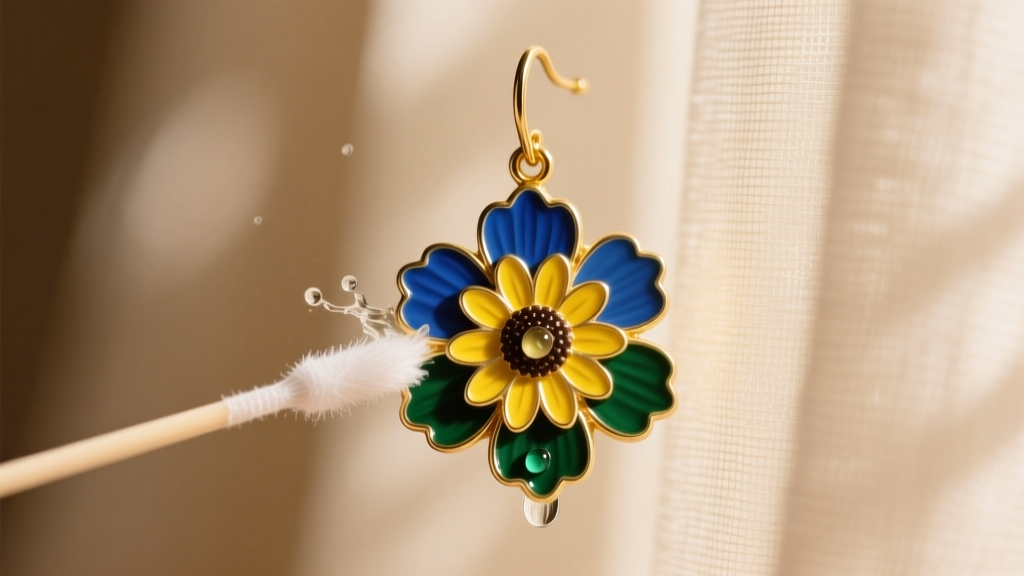
- Use a ultra-soft, lint-free microfiber swab or a makeup sponge to gently wipe the metal. Never use a toothbrush, as the bristles will micro-scratch the thin gold layer.
- Rinse briefly under distilled water and pat dry immediately with a clean cotton cloth. Air-drying can leave hard water spots that are impossible to buff out without abrasive polishes.
Sourcing Obsolete 1970s Findings and Parts
When a 1970s earring breaks, finding an exact replacement part is notoriously difficult. The jewelry industry largely abandoned screw-backs and specific wide-omega clips by the mid-1980s. If you are missing a vintage screw-back nut or a specific hinged clip paddle, do not attempt to glue a modern finding onto the vintage base; the adhesive will fail under the torque of daily wear.
Instead, source New Old Stock (NOS) findings from specialized vintage jewelry supply houses or estate jewelry liquidators online. Look specifically for "1970s raw brass stampings" or "vintage Monet replacement clips." If you must replace a broken post, have a professional jeweler use a laser welder to attach a new post. Laser welding concentrates heat in a microscopic area, preventing the thermal shock that would otherwise melt the surrounding 1970s resin, acrylic, or enamel components.
Final Thoughts on Vintage Preservation
Troubleshooting 1970s earrings requires a balance of historical respect and modern ergonomic science. By upgrading the ear wires to 20-gauge titanium, adjusting clip tensions with nylon tools, and sealing reactive base metals, you can rescue these iconic disco-era and bohemian pieces from the jewelry box. Proper restoration ensures that the bold, expressive silhouettes of the 1970s can be worn comfortably and safely for decades to come.


