Saphiret Earrings: Troubleshooting Fakes, Care & Repair
Learn how to authenticate, clean, and repair vintage saphiret earrings. Expert troubleshooting for color-shifting Czech glass jewelry.

The Allure and Anatomy of Saphiret Glass
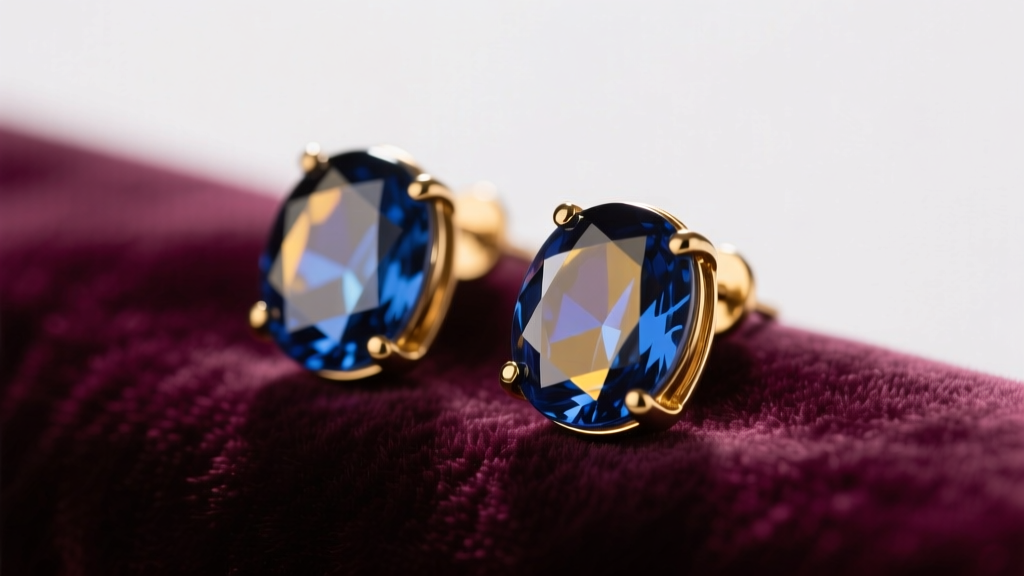
Saphiret earrings represent one of the most fascinating intersections of vintage costume jewelry and optical science. Originally produced in the Gablonz region of Czechoslovakia in the late 19th and early 20th centuries, saphiret is a type of dichroic art glass. The glass is infused with colloidal gold and metallic oxides, creating a mesmerizing color-shift effect: it typically appears steel-blue or pale turquoise in natural daylight, but shifts to a warm amber, golden-brown, or copper hue under incandescent lighting. According to Collectors Weekly, the complex manufacturing process was largely abandoned after World War II, making authentic antique pieces highly sought after. However, the modern market is flooded with plastic imitations, modern dichroic glass, and synthetic spinel. This guide provides a definitive troubleshooting framework for authenticating, dating, cleaning, and repairing saphiret earrings.
Problem 1: Authenticating Saphiret vs. Imitations
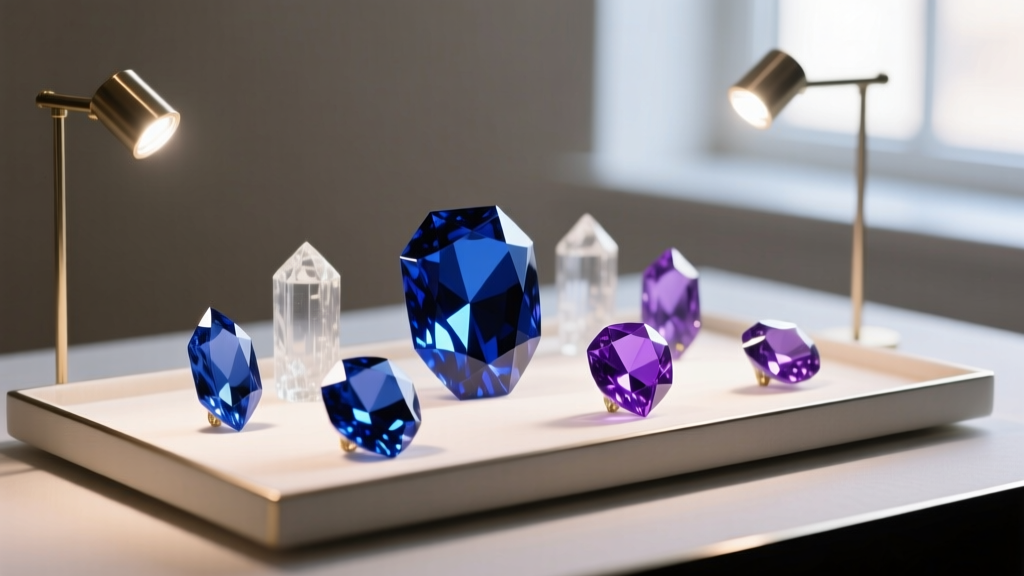
The most common issue collectors face is distinguishing genuine vintage saphiret glass from modern synthetic alternatives or plastic reproductions. Because saphiret was a high-end costume jewelry material, it was frequently mimicked. To solve this, you must rely on a combination of thermal, optical, and weight-based testing.
The Thermal and Optical Tests
Glass is a thermal conductor, meaning it will feel distinctly cool to the touch when first picked up, whereas plastic (like Lucite or Bakelite) will feel room temperature or warm quickly. Optically, genuine saphiret relies on suspended metallic particles, meaning the color shift is deep and somewhat cloudy or 'sleepy' inside the cabochon. Modern dichroic glass, often used in contemporary craft jewelry, relies on surface micro-layers of metal oxides, resulting in a sharp, highly reflective, and uniform color shift that lacks the internal depth of antique saphiret.
Material Comparison Chart
| Material | Specific Gravity | Color Shift Mechanism | Thermal Feel |
|---|---|---|---|
| Authentic Saphiret Glass | ~2.50 | Suspended colloidal gold/oxides (internal) | Cold to touch |
| Modern Dichroic Glass | ~2.50 | Surface micro-layer coatings | Cold to touch |
| Synthetic Spinel | ~3.60 | Uniform body color (no true dichroic shift) | Cold to touch |
| Lucite / Plastic | ~1.18 | Dual-tone molded dyes | Warm to touch |
Note: If the earrings feel exceptionally heavy for their size, they are likely synthetic spinel or leaded crystal, not standard saphiret glass.
Problem 2: Dating Your Saphiret Earrings
Once authenticity is established, the next troubleshooting step is determining the era of manufacture. Saphiret experienced a massive revival in the 1950s, and distinguishing between Victorian/Art Nouveau originals and mid-century revivals requires a close examination of the earring findings and hardware.
Findings and Hardware Clues
- Late 19th / Early 20th Century (Originals): Look for early screw-back mechanisms with thick, flat paddles, or simple C-clasps and kidney wires on dangle styles. The base metal is often unmarked pot metal, early brass, or gold-filled brass with significant patina or wear.
- 1950s Revival: The 1950s saw a surge in demand for Victorian revival jewelry. These pieces frequently feature clip-on findings or hinged omega-backs. According to The Spruce Crafts, mid-century pieces are more likely to be stamped with country-of-origin marks like 'Czechoslovakia' or 'Bohemia' on the clip mechanism.
- Modern Reproductions: If the earrings feature post-and-butterfly backs, laser-etched '925' sterling silver stamps, or perfectly uniform, bright gold plating without any micro-scratches, they are likely modern reproductions utilizing new dichroic glass.
Problem 3: Safe Cleaning Protocols for Foiled Glass
A critical mistake many new collectors make is treating saphiret like modern gemstones. Many vintage saphiret cabochons were backed with delicate metallic foil to enhance their dichroic properties, or set in closed-back collets. Submerging these earrings in water or using ultrasonic cleaners will cause moisture to seep into the setting, oxidizing the foil and turning the glass permanently black or cloudy.
Step-by-Step Dry Cleaning Method
- Dust Removal: Use a soft, dry makeup brush to gently sweep away loose dust and skin cells from the prongs and the surface of the glass.
- Targeted Spot Cleaning: Dampen a cotton swab with a tiny amount of distilled water and a drop of pH-neutral dish soap. Wring it out until it is barely damp.
- Surface Wipe: Gently roll the swab over the surface of the glass cabochon. Do not press hard against the prongs, as this can bend soft vintage brass.
- Immediate Drying: Immediately buff the glass dry with a clean, lint-free microfiber cloth to prevent any moisture from migrating into the setting.
Problem 4: Repairing Loose Cabochons and Rusted Settings
Due to the age of these earrings and the natural degradation of early 20th-century adhesives, loose stones are a frequent issue. Furthermore, the base metals used in vintage settings are highly susceptible to rust and verdigris.
Adhesive Selection for Re-Seating Glass
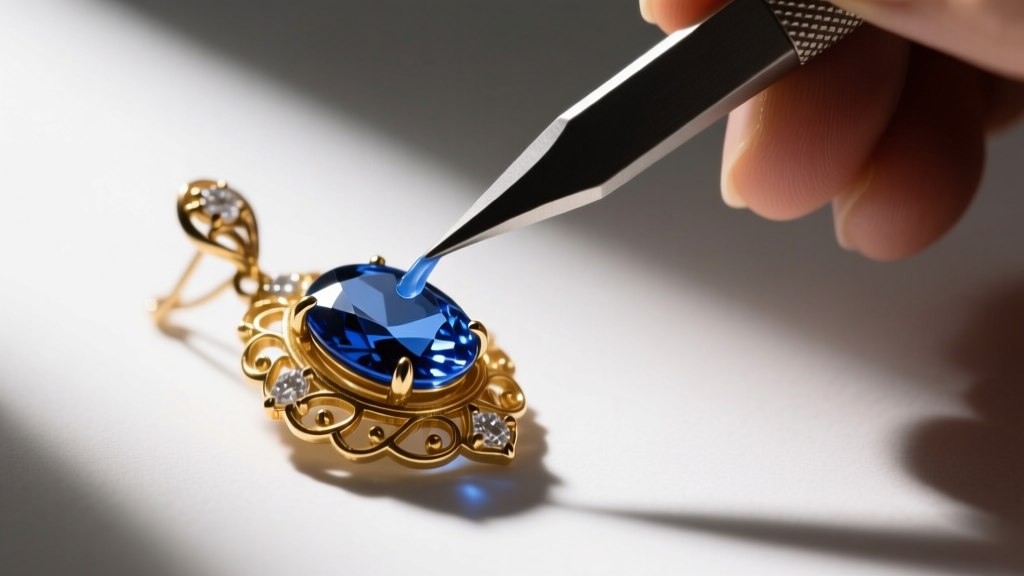
Never use cyanoacrylate (Superglue) to reattach a loose saphiret cabochon. As cyanoacrylate cures, it releases fumes that cause 'blooming'—a permanent, cloudy white fog that will ruin the optical clarity of the glass. Instead, use a jeweler's two-part epoxy or a high-viscosity UV-curing resin. Apply a microscopic dot of adhesive to the center of the setting base using a micro-spatula, seat the glass, and wipe away any excess immediately with a toothpick before curing.
Treating Rusted Base Metals
If the earring settings show signs of rust or green verdigris, do not use harsh liquid rust removers that can splash onto the glass. Use a fiberglass scratch pen to gently mechanically remove rust from the metal prongs. For stubborn verdigris, apply a small amount of Evapo-Rust gel to a cotton swab and carefully dab only the affected metal areas, neutralizing it with a damp swab and drying immediately.
Summary Troubleshooting Checklist
When evaluating or maintaining saphiret earrings, always follow this sequential framework: verify the material through thermal and optical tests, date the piece via its hardware, clean only with dry or barely-damp methods to protect internal foils, and repair using non-fuming adhesives. By respecting the unique material science of Gablonz dichroic glass, you can preserve these color-shifting artifacts for future generations.


