The 2026 Trend Guide To Two Tone Gold Hoop Earrings
Discover the top 2026 trends for two tone gold hoop earrings. Explore sizing, material grades, and expert styling tips for mixed-metal hoops.

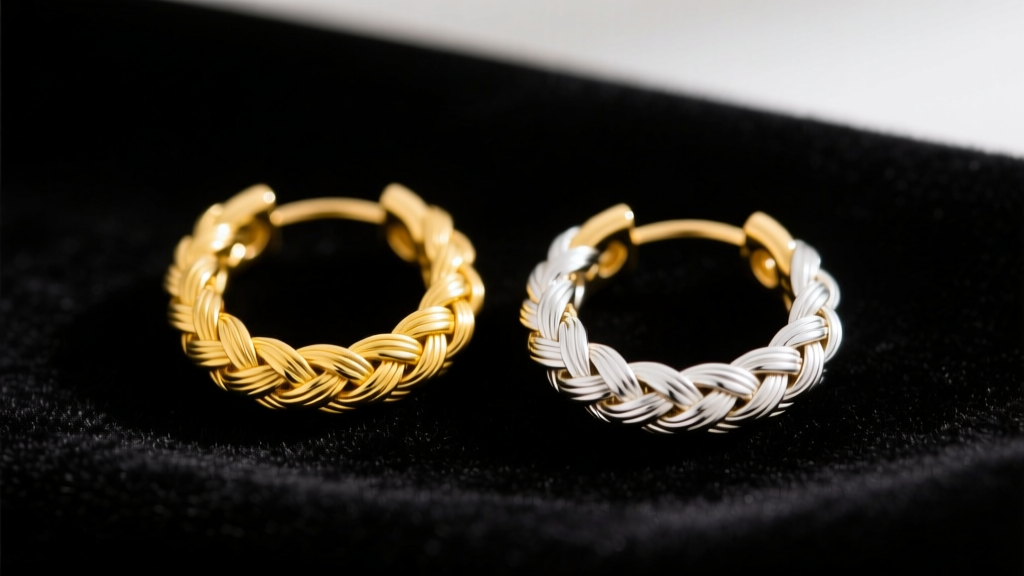
The jewelry landscape of 2026 has decisively pivoted from strict single-metal minimalism to the expressive, layered aesthetic of mixed metals. At the forefront of this movement are two tone gold hoop earrings, a versatile staple that bridges the gap between warm and cool tones. Whether you are navigating the transition from silver-heavy winter accessories to warm summer golds, or simply looking to maximize your capsule jewelry wardrobe, two tone hoops offer a sophisticated solution. This comprehensive trend analysis breaks down the metallurgy, precise sizing frameworks, and dominant silhouettes defining the two tone gold hoop earring market in 2026.
The Metallurgy of Mixed-Metal Hoops
Understanding the value and longevity of your earrings requires a deep dive into their alloy composition. According to the Gemological Institute of America (GIA), pure 24k gold is too soft for functional hoop earrings, which endure constant tension and friction at the clasp. Therefore, jewelers alloy gold with other metals to increase durability and alter color.
In high-quality two tone gold hoops, the yellow gold component is typically 14k (58.5% pure gold alloyed with copper and silver for warmth) or 18k (75% pure gold). The white gold component is created by alloying pure gold with palladium or nickel. For consumers with contact dermatitis or nickel allergies, seeking out palladium-alloyed white gold is non-negotiable in 2026. Palladium creates a naturally whiter, hypoallergenic metal that requires less rhodium plating to achieve a bright, silvery finish. Furthermore, the 2026 market has seen a massive shift toward certified recycled gold alloys, reducing the environmental footprint of mining while maintaining identical structural integrity.
Material Grades and Pricing Matrix
Not all two tone earrings are created equal. The manufacturing technique drastically impacts both the price point and the lifespan of the dual-metal finish. Below is a comparative breakdown of the materials currently dominating the market.
| Material Composition | Expected Price Range | Durability & Tarnish Resistance | Best Use Case |
|---|---|---|---|
| Solid 14k Two-Tone (Yellow & Palladium White) | $280 - $550 | Exceptional. Will not tarnish. Rhodium flash may wear over 2-3 years. | Everyday wear, sensitive ears, heirloom quality. |
| Solid 18k Two-Tone | $600 - $1,200+ | High. Slightly softer than 14k, prone to micro-scratches but rich in color. | Fine jewelry collectors, special occasions. |
| Gold Vermeil over Sterling Silver | $65 - $120 | Moderate. Sterling silver base can oxidize if the 2.5-micron gold layer wears thin. | Trend-driven pieces, budget-conscious styling. |
| Gold-Filled over Brass Core | $40 - $85 | Good. Thick gold layer, but brass core can cause green skin if deeply scratched. | Temporary fashion statements, travel jewelry. |
Gauge Thickness and Diameter Specs
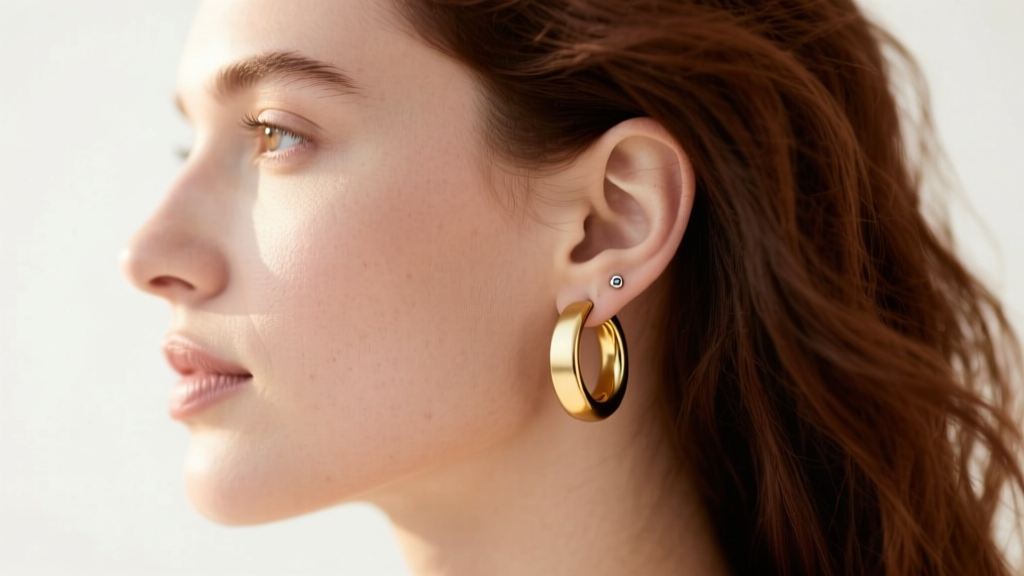
The visual weight of a hoop is dictated by its wire gauge and inner diameter. In 2026, the trend has split into two distinct camps: ultra-chunky statement pieces and micro-huggies. Understanding gauge sizing is critical for both comfort and aesthetic proportion.
- 18-Gauge (1.0mm): The industry standard for lightweight, classic hoops. Ideal for diameters over 30mm, as it prevents the earring from dragging down the earlobe and stretching the piercing over time.
- 16-Gauge (1.2mm): The sweet spot for medium-width hoops and huggies. Provides enough structural integrity to hold complex two-tone braided patterns without bending.
- 14-Gauge (1.6mm) to 12-Gauge (2.0mm): Reserved for the 2026 "chunky" trend. These thick wires are usually seen in smaller 15mm-20mm huggies or heavily structured architectural hoops. They require a fully healed, standard lobe piercing and may not fit through older, tighter piercings without gradual stretching.
When selecting your diameter, consider the "drop" (the distance from the piercing hole to the bottom of the earlobe). A standard 25mm hoop will sit snugly against the lobe for most, while a 40mm hoop will clear the jawline, creating a more dramatic, face-framing effect.
2026 Trend Forecast: Three Dominant Silhouettes
Based on recent market data and runway analyses from the World Gold Council, consumer demand for mixed-metal jewelry has surged, driven by a desire for versatility. Here are the three specific two tone silhouettes dominating 2026.
1. The Diagonal Asymmetrical Split
Instead of traditional concentric rings, the 2026 iteration features a sharp, diagonal color block. The top half of the hoop (near the clasp) is polished yellow gold, which seamlessly transitions into a brushed white gold finish at the bottom curve. This creates a dynamic interplay of light and shadow as the wearer moves, offering a modern, architectural edge to a classic shape.
2. The Braided Rope & Hammered Texture
Texture is paramount this year. Jewelers are twisting 14k yellow and white gold wires together before hammering the surface. The hammered divots catch ambient light, while the raised braided ridges emphasize the contrasting colors. This style is particularly popular in the 30mm to 35mm diameter range, offering a bohemian yet luxurious aesthetic that pairs perfectly with both casual denim and structured evening wear.
3. The Nested Concentric Huggie
For cartilage and snug lobe piercings, the nested huggie is the ultimate 2026 staple. This design features a thick inner tube of yellow gold, encircled by a delicate, pave-set or grooved white gold outer ring. These nested huggies almost exclusively utilize a seamless clicker closure, which ensures the two-tone pattern remains uninterrupted by a visible hinge or latch, providing the illusion of multiple piercings while remaining a single, easy-to-manage piece.
Styling Framework: Face Shapes and Necklines

Two tone gold hoop earrings are uniquely positioned to act as a "bridge" accessory, allowing you to mix silver and gold rings, necklaces, and watches without looking disjointed. However, proportion remains the golden rule of styling.
- Round Face Shapes: Opt for elongated, oval-shaped two tone hoops or larger 45mm-50mm circular hoops that drop below the jawline. This creates a vertical line that elongates the face. Avoid thick, chunky 20mm huggies, which can accentuate facial width.
- Square Face Shapes: Medium-sized, rounded hoops (25mm-30mm) with softer edges, like the braided rope style, help to soften angular jawlines. The mixed metals draw the eye inward and downward, balancing strong bone structure.
- Heart Face Shapes: Teardrop or slightly tapered two tone hoops complement a wider forehead and narrower chin. Keep the visual weight at the bottom of the earring to balance the lower half of the face.
When it comes to necklines, two tone hoops shine brightest against structured collars, turtlenecks, and crew necks, where the contrasting metals stand out against the fabric. For deep V-necks or off-the-shoulder tops, scale up to a 40mm+ statement hoop to fill the negative space and maintain visual equilibrium.
Maintenance of Dual-Metal Finishes
Maintaining the crisp contrast between yellow and white gold requires specific care protocols. The white gold in solid two-tone pieces is almost always plated with a microscopic layer of rhodium to achieve a bright, platinum-like white. Over 12 to 18 months of daily wear, friction from hair, scarves, and skin oils will wear this rhodium layer down, revealing the slightly yellowish-grey undertone of the raw white gold alloy.
To prolong the rhodium flash, avoid spraying perfumes or applying lotions directly before putting on your hoops. When cleaning, use a mild, phosphate-free dish soap and warm water, gently scrubbing with a baby-soft toothbrush. Never use ultrasonic cleaners or harsh chemical dips on rhodium-plated white gold, as these can strip the finish prematurely. If your white gold sections begin to look dull or yellowish, a quick trip to a local jeweler for a rhodium re-dip (typically costing between $35 and $60) will instantly restore the striking two-tone contrast.
When storing your hoops, always keep them in individual soft pouches. The raw yellow gold is softer than the rhodium-plated white gold, and if they tangle together in a jewelry box, the yellow gold can easily scratch against the harder white metal components. By understanding the precise metallurgy, gauge specifications, and styling frameworks of two tone gold hoop earrings, you can invest in pieces that not only align with the 2026 trend cycle but also serve as enduring pillars of your personal jewelry wardrobe.


