The Ultimate Polymer Clay Earrings Kit Guide (2026)
Discover the technical details behind the best polymer clay earrings kit. Expert advice on clay grades, baking, hardware gauges, and sealing.

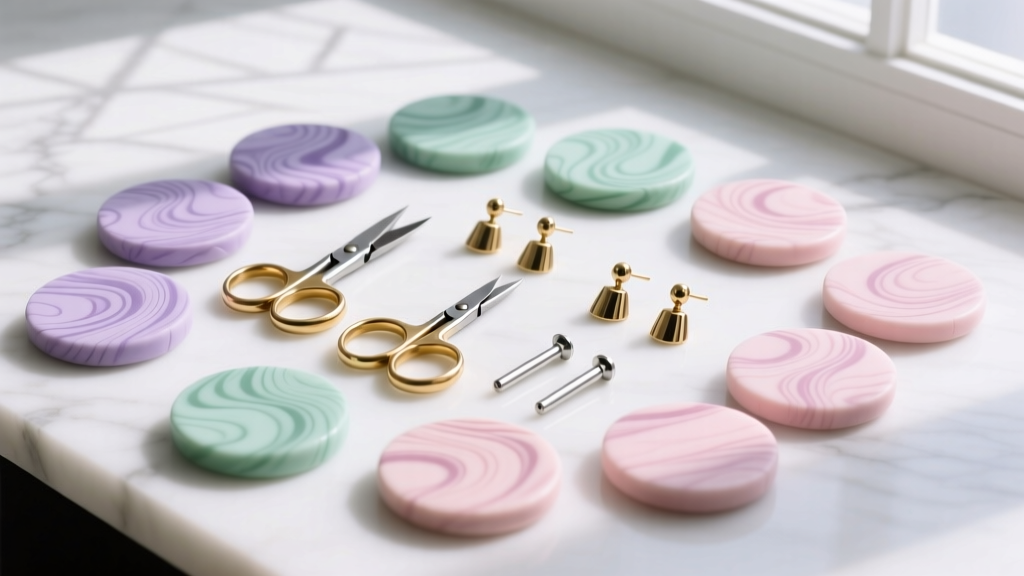
Most commercial 'polymer clay earrings kit' bundles found on big-box marketplaces are engineered for casual crafting, often featuring low-grade clays, nickel-heavy hardware, and flimsy plastic cutters that leave jagged edges. For serious jewelry makers and small-batch artisans in 2026, assembling or sourcing a professional-grade kit requires a deep understanding of polymer chemistry, metallurgical biocompatibility, and structural adhesion. This expert guide deconstructs the technical specifications required to build or identify a top-tier polymer clay earring making setup.
The Anatomy of a Professional-Grade Polymer Clay Earrings Kit
A true professional kit is not just a box of random supplies; it is a curated ecosystem of compatible materials. The five pillars of a high-end setup include:
- Clay Body: High-pigment, archival-grade PVC-based polymer clays.
- Cutting Tools: 1mm brass sheet cutters for clean, vertical shearing.
- Hardware: Biocompatible, hypoallergenic posts with flat adhesion pads.
- Adhesives: Flexible cyanoacrylates or encapsulation resins.
- Sealants: UV-resistant, non-yellowing topcoats compatible with PVC plasticizers.
When evaluating any kit, scrutinize these five elements. If a kit includes standard 'super glue' or 3D-printed plastic cutters, it is designed for beginners, not commercial production.
Clay Formulation & Conditioning: Why Brand Matters
Polymer clay is essentially PVC powder suspended in a plasticizer. The ratio of these components dictates the clay's firmness, translucency, and post-bake durability. According to extensive testing by The Blue Bottle Tree, cheaper clays often use fillers that result in brittle earrings prone to snapping under the weight of metal hardware.
| Brand / Line | Firmness | Translucency | Best Technical Use Case |
|---|---|---|---|
| Fimo Professional | Firm | Opaque | Intricate cutouts, Mokume Gane, cane building |
| Sculpey Premo | Medium | Semi-Translucent | Everyday shapes, color blending, mica shifts |
| Cernit Number 1 | Soft (when warm) | High | Faux porcelain, translucent effects, petal thin |
Expert Tip: If your kit includes Fimo Professional, it requires rigorous conditioning to warm the plasticizers and align the polymer chains. Skipping this step leads to micro-fractures during the curing phase.
Baking Protocols & Preventing Thermal Shock
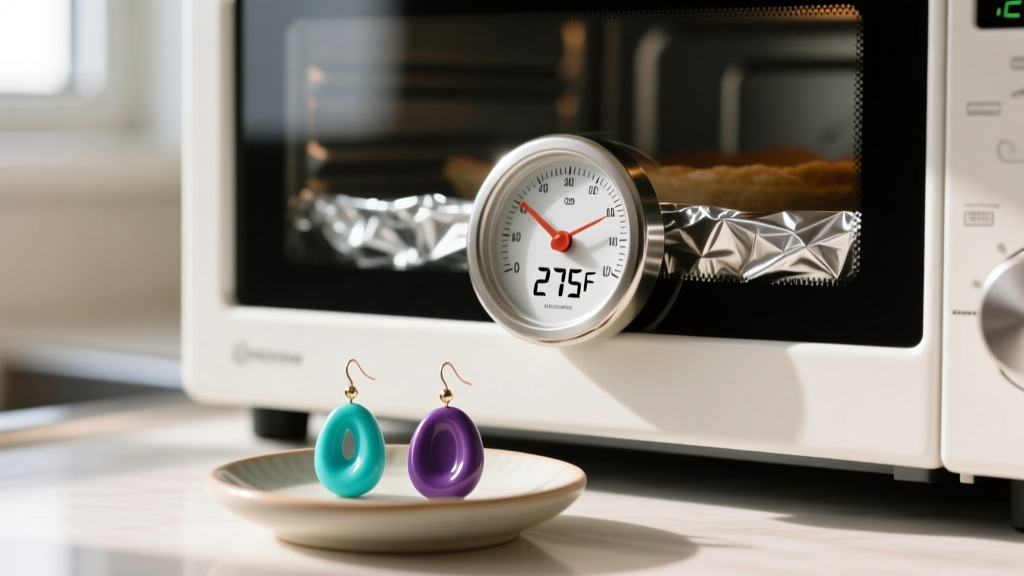
The most common failure mode in polymer clay jewelry is underbaking, which leads to severe brittleness. Polymer clay does not 'dry'; it cures through a thermal process where the PVC particles fuse. Most clays require a sustained temperature of 130°C to 135°C (265°F to 275°F) for 45 to 60 minutes per 6mm of thickness.
The Toaster Oven Problem
Most kits do not include a standalone oven thermometer, which is a critical omission. Toaster ovens cycle their heating elements on and off, causing massive temperature spikes that can scorch the clay (burning off the plasticizer) or drop below the glass transition temperature, halting the cure. Always tent your earrings with aluminum foil to protect them from direct radiant heat and ensure an even, consistent cure. Resources like Polymer Clay Tutor heavily emphasize using an external digital thermometer to map your oven's thermal hot spots before committing expensive clay batches to the bake.
Hardware Selection: Biocompatibility and Gauge Standards
The hardware included in a polymer clay earrings kit dictates the longevity and wearability of the final piece. Standard 'surgical steel' is a marketing term that often masks 300-series stainless steels containing nickel, a primary trigger for contact dermatitis.
Gauge and Pad Specifications
For stud earrings, you must balance the weight of the clay with the thickness of the post. Rio Grande, a premier jewelry supplier, notes the following industry standards:
- 20-Gauge (0.81mm): The standard for lightweight polymer clay studs. Fits most standard earring backs securely.
- 18-Gauge (1.02mm): Required for heavier, oversized polymer clay dangles or when using heavy brass jump rings to prevent the wire from bending under the clay's weight.
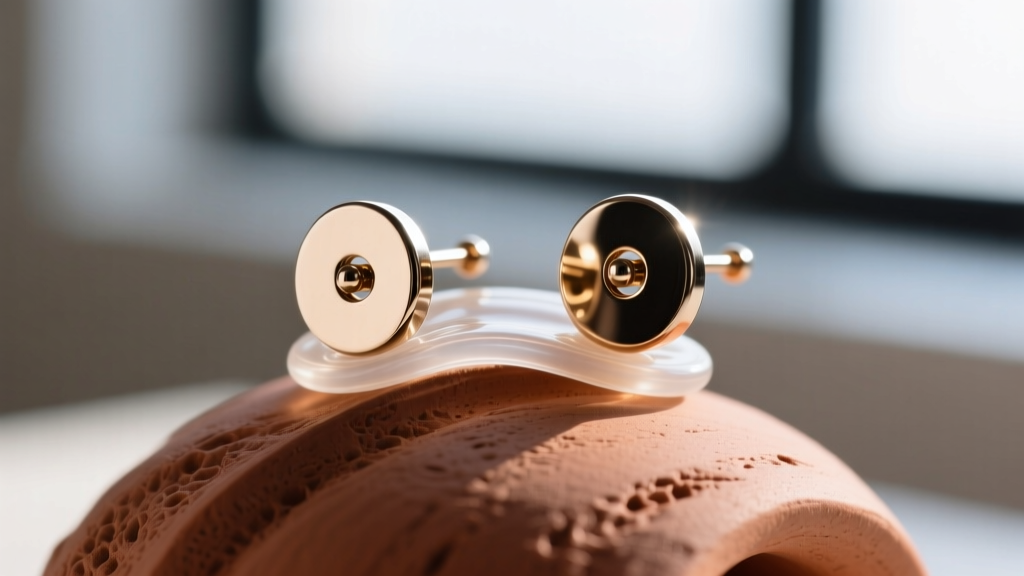
Always ensure your kit includes posts with flat pads (usually 3mm to 4mm in diameter). Round wire posts offer almost zero surface area for adhesion and will inevitably pop off the clay.
Adhesion Mechanics: Why Rigid Glues Fail
If your polymer clay earrings kit includes rigid cyanoacrylate (standard super glue), discard it immediately. Polymer clay retains a microscopic degree of flexural give even after curing. When a rigid glue is used, the flexural modulus mismatch means that any slight bend in the earring will cause the glue joint to snap, leaving the post behind.
The Solution: Use a flexible cyanoacrylate gel (such as Loctite Gel Control) or, ideally, encapsulate the post pad in a layer of UV resin. The resin creates a mechanical bond that absorbs shock and flexes with the clay.
Sealing and Finishing: Navigating Plasticizer Migration
Polymer clay is inherently non-porous once cured, but it continues to off-gas trace amounts of plasticizers over time. If you apply a water-based polyurethane (like Varathane) directly to the clay, the migrating plasticizers can prevent the sealant from cross-linking, leaving it tacky for weeks.
Best Practices for 2026
- UV Resin: Provides a high-gloss, glass-like finish and seals the plasticizers instantly. Requires a 36W+ UV/LED lamp for full penetration.
- Solvent-Based Sealants: Products like Mona Lisa Metal Leaf Sealer penetrate the surface slightly and are unaffected by plasticizer migration.
- Raw Finish: Many modern artisans skip sealants entirely, opting to sand the raw clay up to 2000-grit and buff it with a muslin wheel for a soft, satin sheen that feels organic and avoids the 'plastic' look of cheap topcoats.
Troubleshooting Common Polymer Clay Failures
A professional kit is only as good as the artisan's understanding of its material limitations. Keep this troubleshooting matrix nearby.
- Brittle Earrings: Caused by underbaking or oven temperature spikes. Recalibrate your oven thermometer and bake longer at a lower, steady temp.
- Bubbling in UV Resin: Caused by dust or outgassing from unsealed clay pores. Wipe cured clay with isopropyl alcohol before resin application.
- Jagged Cutout Edges: Caused by dull or thick cutters. Upgrade your kit to 1mm brass sheet cutters and use a ceramic tile as your cutting surface.
By demanding technical excellence from your polymer clay earrings kit, you elevate your craft from casual hobbyist to professional jeweler, ensuring your pieces are durable, hypoallergenic, and built to last.


