Unoaerre Gold Earrings: Material Properties & Quality Guide
Discover the metallurgy behind Unoaerre gold earrings. We compare their signature lightweight 18k gold alloys against solid and plated alternatives.

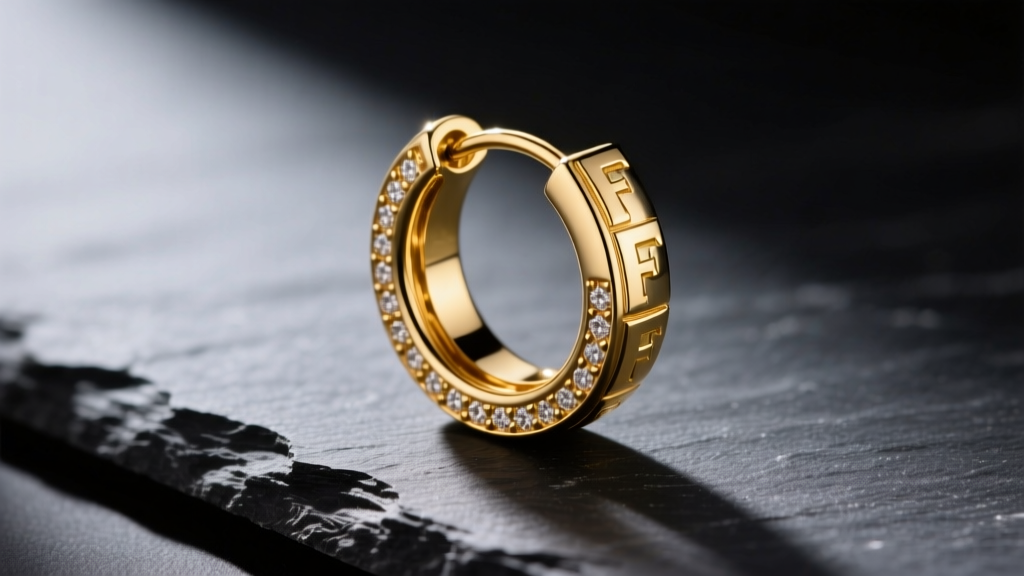
The Metallurgy of UNOAEFFE: Beyond Standard 18k Gold
When evaluating luxury jewelry investments in 2026, understanding the specific metallurgical properties of your pieces is paramount. UNOAEFFE, a historic Italian goldsmithing house founded in 1926, is globally recognized for its distinctive 'F' charm and masterful gold manipulation. However, the true differentiator of Unoaerre gold earrings lies not just in their aesthetic, but in their highly specialized 18-karat (750/1000) gold alloys. Standard 18k gold consists of 75% pure gold and 25% alloying metals (typically copper, silver, and zinc). UNOAEFFE utilizes a proprietary ratio of silver to copper that yields their signature warm, buttery yellow hue while optimizing the metal's tensile strength for complex structural designs.
According to the Gemological Institute of America (GIA), the Vickers hardness (HV) of standard cast 18k yellow gold sits around 125 HV. Through advanced work-hardening techniques and precise thermal treatments during manufacturing, UNOAEFFE elevates the structural integrity of their gold, ensuring that even their most voluminous designs maintain resistance to everyday deformation. This metallurgical precision is what separates heritage Italian manufacturing from mass-produced commercial gold jewelry.
Manufacturing Techniques: Electroforming vs. Traditional Casting
The most defining material property of many Unoaerre gold earrings—particularly their statement hoops and drop styles—is their astonishing volume-to-weight ratio. This is achieved through a process known as electroforming, a technique that revolutionized Italian goldsmithing in the late 20th century and remains a hallmark of high-end lightweight jewelry today.
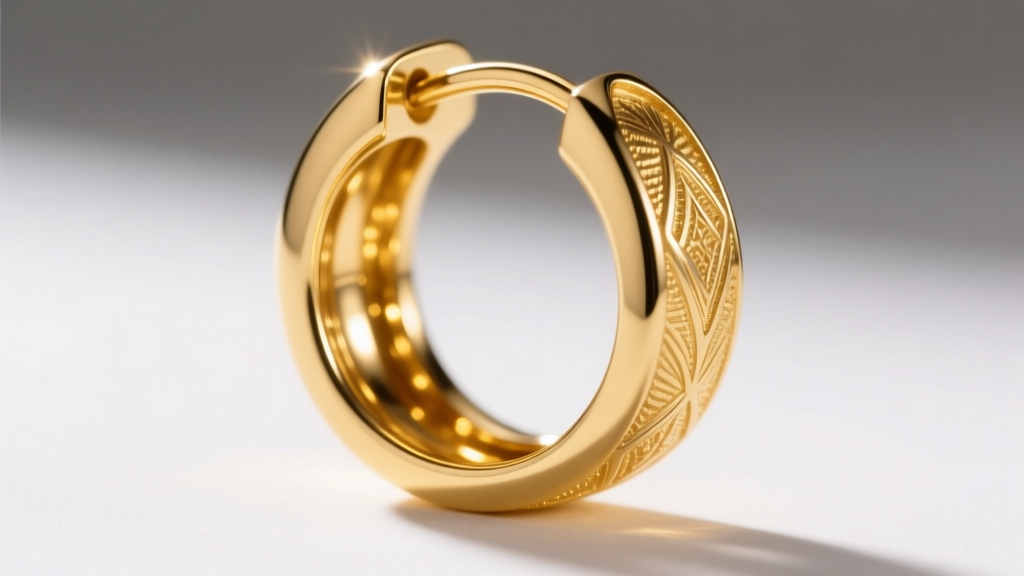
In traditional lost-wax casting, a solid gold object is formed, resulting in heavy, expensive pieces that can drag on the earlobe and cause stretching over time. Electroforming, however, involves depositing gold ions electrolytically onto a conductive wax or resin core. Once the gold shell reaches the desired thickness (often less than 0.2mm), the core is melted and drained out through a microscopic pinhole. The result is a 'bombato' (puffy) hollow structure that possesses the exact exterior dimensions of a solid 40mm hoop but weighs a fraction of a solid cast equivalent.
The Durability Trade-Off: Hollow vs. Solid Gold
While electroformed Unoaerre gold earrings offer unparalleled comfort for extended wear, the hollow material property introduces specific failure modes that buyers must understand. The thin gold shell is highly resistant to bending due to its work-hardened state, but it is susceptible to localized impact. Dropping a hollow electroformed earring onto a hard tile floor can cause a localized dent or crush mark. Unlike solid gold, which can often be hammered and reshaped by a bench jeweler, crushed hollow gold is notoriously difficult, and sometimes impossible, to repair without visible seams or structural compromise.
Material Comparison Chart: UNOAEFFE vs. Market Alternatives
To contextualize the material properties of UNOAEFFE's lightweight 18k gold, we must compare it against the most common earring materials on the market. The table below outlines the physical and economic differences across a standard 30mm hoop earring profile.
| Material Type | Gold Purity | Avg. Weight (30mm Hoop) | Hardness (HV) | Dent Resistance | Approx. Price Range |
|---|---|---|---|---|---|
| UNOAEFFE Electroformed 18k | 75% (18k) | 2.5g - 3.5g | ~160 HV | Low (Impact) | $450 - $750 |
| Solid Cast 18k Gold | 75% (18k) | 8.0g - 12.0g | ~125 HV | High | $1,200 - $1,800 |
| Solid Cast 14k Gold | 58.3% (14k) | 6.5g - 9.0g | ~140 HV | Very High | $600 - $900 |
| Gold Vermeil (Sterling Core) | Surface 18k / Core 92.5% Ag | 5.0g - 7.0g | ~110 HV | Moderate (Wear-prone) | $120 - $250 |
As highlighted in the official UNOAEFFE archives, the brand's commitment to 18k purity ensures that the gold will not tarnish or react with skin acidity, a common failure point in lower-karat or plated alternatives. While 14k gold offers superior dent resistance due to its higher copper/zinc alloy content, it lacks the rich color and hypoallergenic properties of UNOAEFFE's specialized 18k formulation.
Post and Clasp Mechanics: Where Material Meets Function
The material properties of the earring head dictate the engineering of the post and clasp. Because UNOAEFFE designs prioritize a lightweight profile, the posts on their stud and drop earrings are typically manufactured at 19-gauge (0.9mm) or 20-gauge (0.8mm), rather than the standard 18-gauge (1.0mm) found in heavier solid gold pieces. This reduction in post thickness saves crucial grams, preventing the earring from drooping forward on the earlobe.
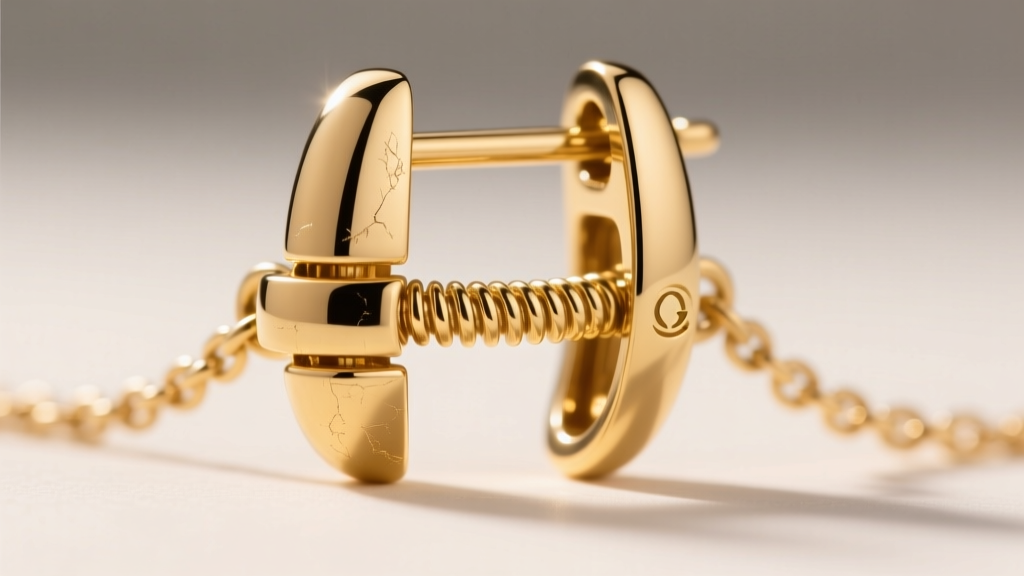
For their larger hoop and drop styles, UNOAEFFE frequently employs the omega back or a reinforced hinged lever-back. The omega clasp utilizes a spring-loaded tension mechanism that grips the earlobe securely. The metallurgy of the clasp spring is critical; it must possess high elasticity to withstand thousands of articulation cycles without suffering from metal fatigue. UNOAEFFE achieves this by using a slightly different, higher-copper 18k alloy specifically for the internal spring components, ensuring the clasp remains snappy over decades of use.
Care and Maintenance for Lightweight Gold Structures
Owning electroformed or hollow-constructed gold requires a departure from standard jewelry cleaning protocols. Improper care can lead to irreversible damage to the delicate internal structures.
- Avoid Ultrasonic Cleaners: Never place hollow Unoaerre gold earrings in an ultrasonic cleaner. The high-frequency vibrations can compromise the microscopic solder seams used to seal the electroformed core. Furthermore, if liquid enters the hollow cavity through a micro-fissure, it becomes trapped, leading to internal discoloration or added weight.
- Chemical Exposure: While 18k gold is highly resistant to tarnish, the alloying metals can react to chlorine. Always remove these earrings before entering swimming pools or using harsh household bleach, which can cause 'stress corrosion cracking' in work-hardened gold components.
- Proper Storage: Store hollow gold pieces in individual soft pouches. Because the outer shell is thin, friction against harder gemstones or solid gold pieces in a communal jewelry box will cause micro-abrasions and surface scratching.
- Polishing: Use only a non-impregnated, ultra-soft microfiber cloth for routine polishing. Avoid heavy abrasive polishing pastes, which can wear down the already thin exterior gold shell over time.
Final Verdict: Are They Worth the Investment?
Unoaerre gold earrings represent a masterclass in material engineering, balancing the luxurious appeal of high-purity 18k gold with the ergonomic necessity of lightweight design. They are the ideal choice for individuals who desire the visual impact of large, voluminous statement earrings without the physical burden and earlobe-stretching associated with solid gold. However, buyers must approach them with an understanding of their structural limitations. If you require indestructible, everyday 'beater' jewelry, a solid 14k cast hoop is a more practical material choice. But for those who appreciate Italian heritage, advanced electroforming metallurgy, and unparalleled comfort, UNOAEFFE's material innovations remain a benchmark in the fine jewelry industry.


