The Johannes Vermeer Girl With A Pearl Earring Trend 2026
Explore the 2026 Johannes Vermeer Girl With A Pearl Earring trend. Discover baroque pearl grades, weight management, and styling frameworks.

The Enduring Allure of the Vermeer Pearl
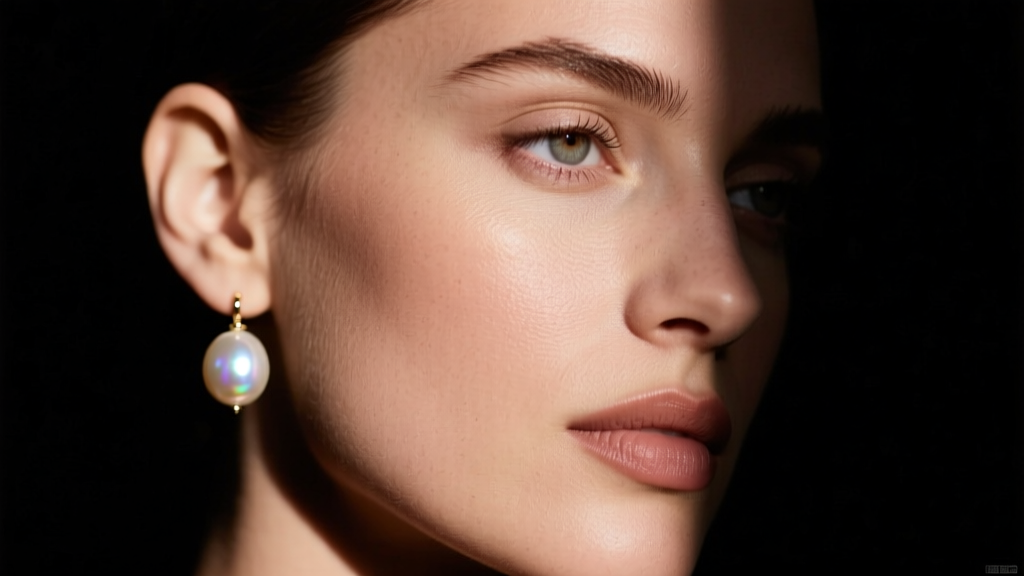
Few artworks have influenced jewelry design as profoundly as the Johannes Vermeer Girl With A Pearl Earring masterpiece. Painted in 1665, the enigmatic tronie features a striking, oversized teardrop pearl that catches the light with a mesmerizing, almost liquid luminescence. Fast forward to 2026, and the "Vermeer pearl" has transcended its historical roots to become a dominant force in contemporary ear styling. However, recreating this iconic look is not as simple as purchasing any round white bead. The modern interpretation of the Johannes Vermeer Girl With A Pearl Earring aesthetic demands a deep understanding of pearl morphology, structural jewelry engineering, and nuanced styling frameworks.
In this comprehensive trend analysis, we deconstruct the anatomy of the Vermeer drop, examine the material grades driving the 2026 market, and provide actionable engineering solutions for wearing heavy statement pearls without compromising earlobe health.
The Anatomy of the "Vermeer" Pearl Drop
To authentically capture the essence of the painting, one must understand that Vermeer did not paint a perfectly spherical, machine-grade bead. The earring depicted is widely believed by gemologists and art historians to be a baroque or semi-baroque teardrop pearl. These organic anomalies are characterized by their irregular, asymmetrical shapes and deep, complex overtones.
In 2026, the defining characteristics of a true "Vermeer-style" earring include:
- Dimensions: A substantial vertical drop, typically ranging from 12mm to 16mm in length, providing the necessary visual weight to frame the jawline.
- Morphology: A distinct teardrop or pendulum shape with slight organic undulations (baroque traits) rather than a perfect sphere.
- Luster and Overtone: High to very high luster with a deep, mirror-like reflection, often featuring subtle rosé or silver overtones that mimic the dramatic chiaroscuro lighting of 17th-century Dutch Golden Age paintings.
- Setting: Minimalist metalwork. The pearl is usually the sole focal point, suspended from a simple shepherd’s hook, a bare post, or an invisible wire to create the illusion that the pearl is floating directly from the earlobe.
2026 Trend Forecast: Asymmetry and Mixed Media
While the classic single-drop styling remains a staple for formal wear, the 2026 trend cycle has introduced radical new ways to integrate the Vermeer drop into everyday ear curation. The most prominent shift is the embrace of deliberate asymmetry. Stylists are pairing a single, massive 15mm baroque drop in one ear with a curated constellation of micro-huggies and flush-set cartilage studs in the other. This juxtaposition honors the single-pearl motif of the original painting while adapting it to modern maximalist-minimalist sensibilities.
Furthermore, mixed-metal suspensions are replacing traditional high-polish yellow gold. Brushed 18k champagne gold and oxidized sterling silver are increasingly used to cap baroque pearls, providing a matte contrast that makes the pearl’s luster appear even more vibrant. We are also seeing the integration of detachable ear cuffs that wrap around the helix, connected by delicate chains to the primary Vermeer drop, distributing the visual weight across the entire ear.
Material & Grade Breakdown: Sourcing the Perfect Drop
Not all pearls can achieve the Vermeer effect. According to the Gemological Institute of America (GIA), pearl value is determined by a combination of size, shape, color, luster, surface quality, and nacre thickness. For the oversized teardrop look, three primary pearl types dominate the 2026 market:
| Pearl Type | Typical Size Range | Luster Profile | 2026 Price Range (Per Pair) | Best For |
|---|---|---|---|---|
| Edison Freshwater | 12mm - 16mm | Very High (Metallic) | $120 - $350 | Everyday luxury, dramatic baroque shapes |
| Baroque South Sea | 13mm - 18mm | High (Soft, Satiny) | $600 - $2,500+ | Heirloom pieces, high-end formal styling |
| Akoya Drop/Keshi | 8mm - 11mm | Extreme (Mirror-like) | $200 - $500 | Petite frames, subtle Vermeer interpretations |
Edison pearls, cultivated in China using advanced bead-nucleation techniques, have become the undisputed champions of the Vermeer trend. They offer the massive size and metallic luster required to mimic the painting's focal point at a fraction of the cost of South Sea alternatives.
The Physics of the Drop: Managing Weight and Gauge
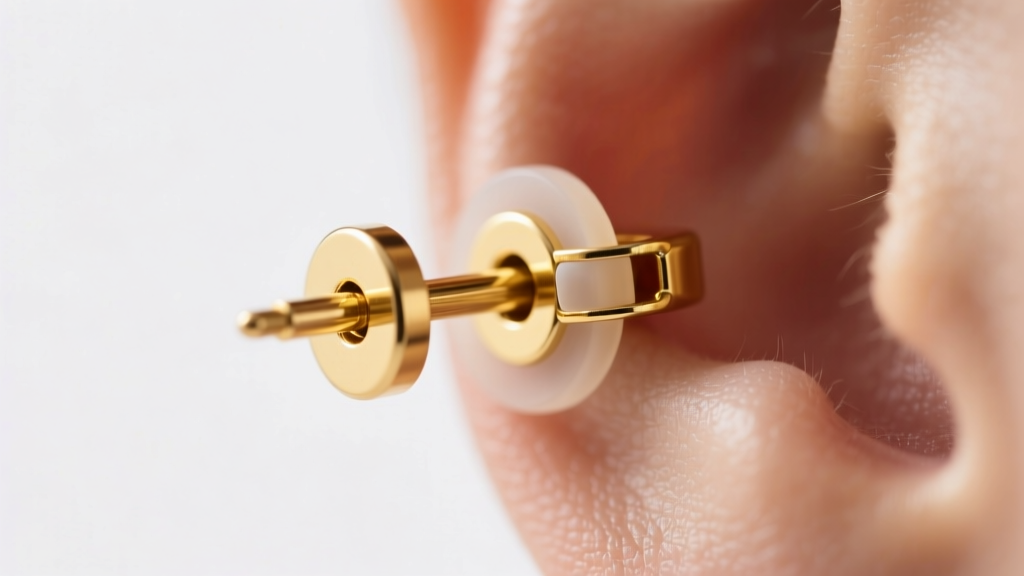
The most overlooked aspect of wearing oversized baroque pearls is the physical toll they take on the earlobe. A high-quality 15mm freshwater baroque pearl can weigh between 4.5 and 6.5 grams. When suspended from a standard earring post, this weight creates a continuous downward lever effect on the piercing fistula.
Most commercial earrings utilize a 20-gauge (0.81mm) or 22-gauge (0.64mm) post. Under the constant stress of a 6-gram pearl, a 20-gauge post will inevitably bend, and the earlobe will droop, causing the pearl to face downward rather than catching the light as intended. Furthermore, standard butterfly friction backs concentrate this weight onto a tiny 2mm pressure point, leading to tissue fatigue and elongated piercings over time.
Expert Engineering Solutions for 2026:
- Upgrade the Gauge: Always opt for Vermeer-style drops mounted on 18-gauge (1.02mm) or 16-gauge (1.29mm) posts. The thicker metal provides the structural rigidity needed to keep the pearl oriented forward.
- Utilize Support Patches: Apply invisible silicone earlobe support patches (such as EarStyler or generic 10mm stabilizer discs) to the back of the earlobe. These patches distribute the 6-gram load across a 100-square-millimeter surface area, completely eliminating tissue strain.
- Locking Clutch Backs: Replace standard friction backs with La Pousette locking backs or silicone O-rings. These mechanisms grip the post securely, preventing the heavy pearl from sliding down the post and pulling on the fistula.
Styling Frameworks for Different Face Shapes
The dramatic scale of the Vermeer pearl drop acts as a powerful visual anchor. To maximize its flattering effects, the specific morphology of the pearl should be matched to the wearer's facial geometry.
- Round Faces: Opt for elongated, pendulum-shaped baroque pearls (14mm-16mm). The verticality of the drop creates an optical illusion that lengthens the face and sharpens the jawline. Avoid wide, button-like baroques.
- Square Faces: Choose softer, more organic, and rounded baroque shapes with gentle undulations. The fluid curves of the pearl will contrast with and soften strong, angular jawlines. A 12mm to 14mm drop is ideal.
- Heart-Shaped Faces: Medium-sized teardrops (11mm-13mm) with a wider base help to add visual volume to the lower half of the face, balancing a narrower chin and wider forehead.
- Oval Faces: The universal canvas. Oval faces can support the most extreme, asymmetrical, and oversized 16mm+ South Sea baroque drops without being overwhelmed by the jewelry.
Sourcing Authentic Baroque Drops: What to Look For
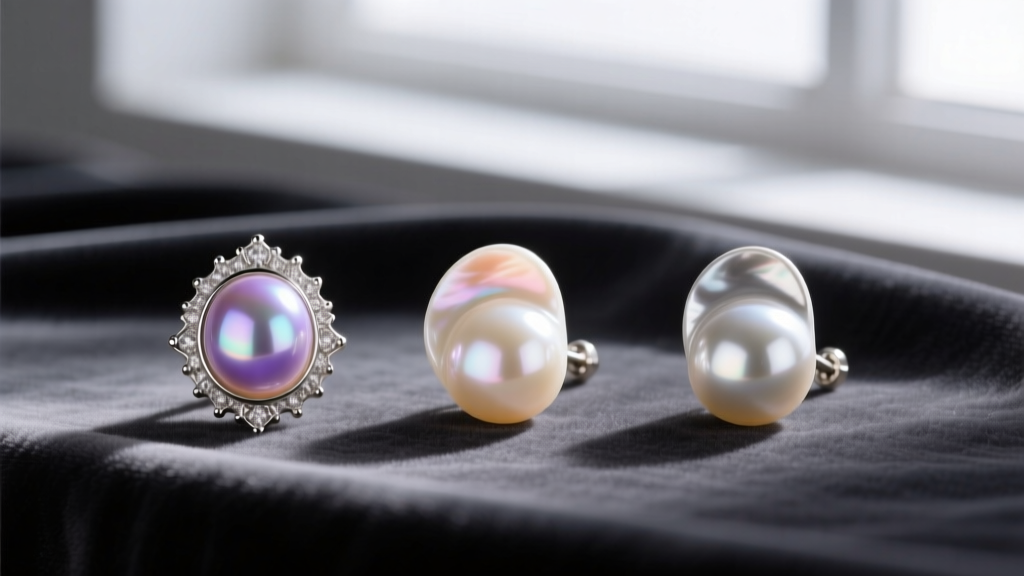
When investing in a Vermeer-style piece, scrutinizing the surface quality and nacre thickness is paramount. Because baroque pearls are valued for their irregularities, buyers must distinguish between desirable organic ridges and detrimental surface blemishes. Avoid pearls with deep, chalky spots, cracks, or visible concentric rings, which indicate uneven nacre deposition or premature harvesting.
Examine the drill hole where the pearl meets the metal cap. A clean, precise drill hole with no visible chipping indicates high-quality manufacturing. Furthermore, evaluate the overtone under natural daylight. The magic of the Vermeer pearl lies in its depth; a high-quality Edison or South Sea baroque will reveal secondary colors—flashes of pink, green, or silver—rolling beneath the surface white or cream body color. This optical phenomenon, known as orient, is what gives the pearl its legendary, light-catching glow, ensuring your 2026 ear styling remains as captivating as a Dutch Golden Age masterpiece.
Final Verdict on the Vermeer Revival
The Johannes Vermeer Girl With A Pearl Earring trend is not a fleeting seasonal fad; it is a permanent fixture in the fine jewelry lexicon. By understanding the specific morphological traits of baroque teardrops, investing in proper gauge engineering to protect your earlobes, and leveraging asymmetrical styling frameworks, you can master this iconic look with modern precision and enduring elegance.


