How to Vet Wholesale Boho Tassel Earrings Suppliers in 2026
Learn how to find, vet, and negotiate with wholesale boho tassel earrings suppliers. Master MOQs, material grades, and quality control for your boutique.
The 2026 Landscape of Bohemian Jewelry Sourcing
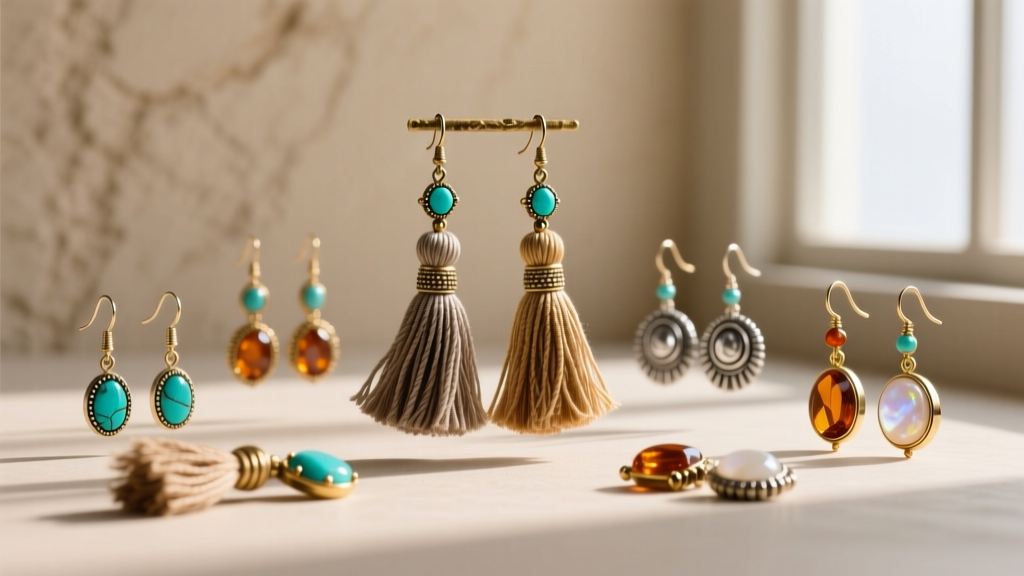
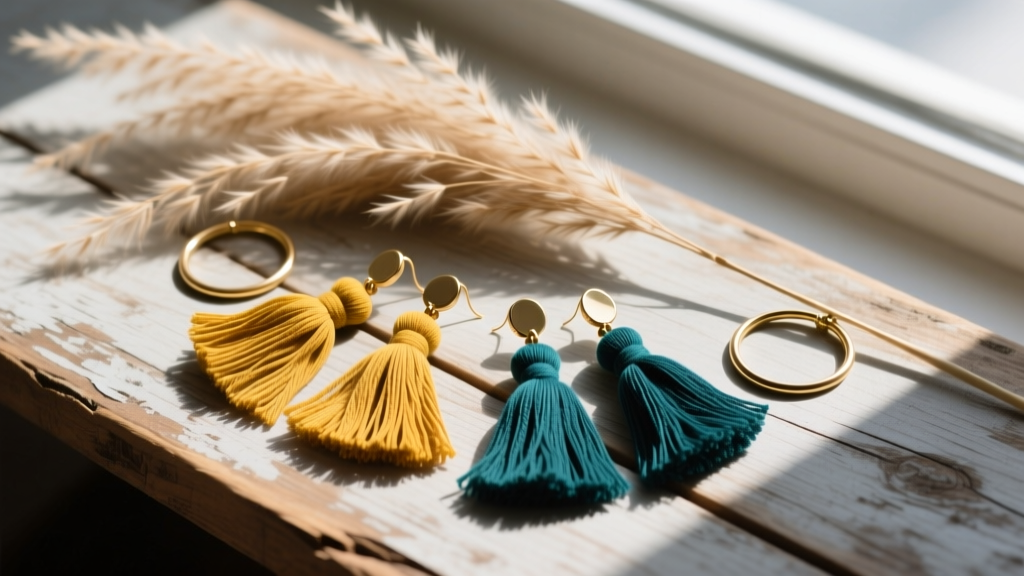
The bohemian jewelry market has matured significantly. In 2026, consumers are no longer satisfied with flimsy, mass-produced festival gear; they demand artisanal quality, sustainable materials, and hypoallergenic hardware. For boutique owners and Etsy sellers, finding reliable wholesale boho tassel earrings suppliers is no longer just about finding the lowest price per unit. It is about securing a manufacturing partner who can deliver consistent thread tension, premium metalwork, and ethical labor practices. This step-by-step guide will walk you through the exact process of sourcing, vetting, and negotiating with top-tier suppliers to ensure your inventory stands out in a saturated market.
Step 1: Define Your Material & Hardware Specifications
Before you even open a supplier directory, you must define your exact material requirements. Boho tassel earrings consist of two primary components: the textile tassel and the metal hardware. Vague requests for 'good quality' will result in mixed batches and high return rates.
Thread Quality: Cotton vs. Rayon vs. Silk
- Rayon (Viscose): The most common and affordable option. Rayon offers a high-sheen finish and vibrant dye absorption. However, it is highly susceptible to humidity. If your customers live in coastal or tropical climates, rayon tassels will frizz, tangle, and lose their cylindrical shape within weeks.
- Mercerized Cotton: The premium standard for mid-tier boutiques. Mercerization treats the cotton fibers to increase luster and strength. Cotton tassels hold their shape beautifully, resist fraying, and offer a sophisticated, matte-to-satin finish that photographs exceptionally well for e-commerce.
- Pure Silk: Reserved for luxury bohemian lines. Silk tassels are incredibly lightweight and possess a natural, unparalleled sheen. They require strict dry-storage protocols and command a wholesale price 3x to 5x higher than cotton.
Hypoallergenic Hardware Mandates
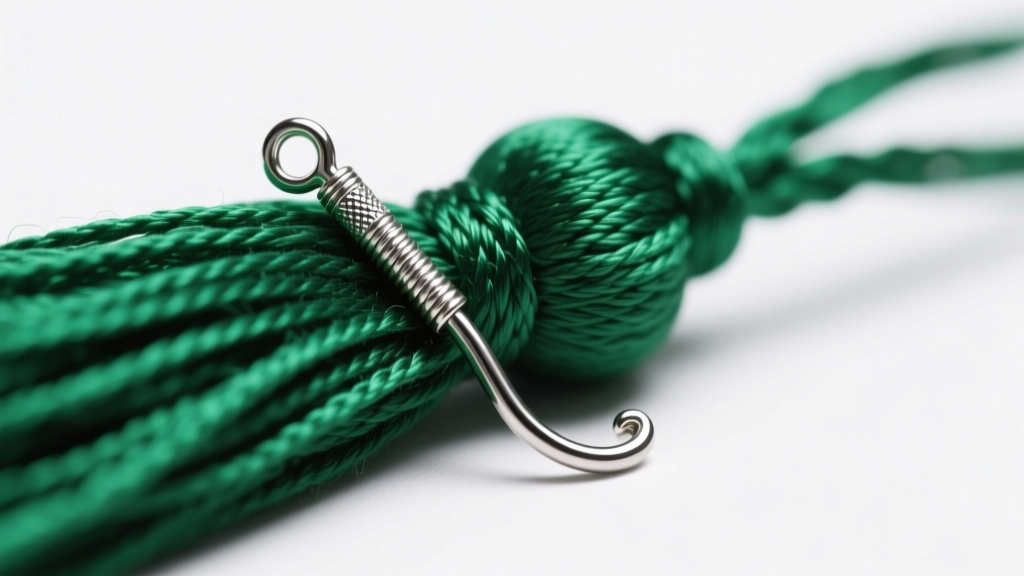
According to the FTC Jewelry Guides, misrepresenting metal content or failing to disclose nickel presence can lead to severe compliance issues. Never accept 'Tibetan Silver' or 'Antique Bronze' zinc alloys from overseas suppliers; these are notorious for causing contact dermatitis and turning earlobes green. Demand 316L surgical stainless steel, niobium, or solid 925 sterling silver for all ear wires. Furthermore, specify a 20-gauge (0.8mm) thickness for the ear wire. Anything thicker (like 18g) can cause micro-tears in standard lobe piercings, while 22g is often too flimsy and bends out of shape when removed.
Step 2: Platform Selection & Supplier Discovery
Where you look for wholesale boho tassel earrings suppliers dictates your Minimum Order Quantities (MOQs), lead times, and pricing structures. Here is how the primary sourcing platforms compare in 2026:
- Alibaba & Global Sources: Best for high-volume, custom designs. You will be dealing directly with factories in Yiwu or Jaipur. Expect MOQs of 300-500 pairs per color. Lead times are 30-45 days, plus ocean freight.
- Faire & Tundra: Ideal for domestic boutiques needing fast restocks. These B2B marketplaces connect you with established domestic importers and local artisans. MOQs are low (10-50 pairs), and they offer Net-60 payment terms, though the wholesale cost per unit is significantly higher.
- Direct Artisan Outreach (Instagram/Etsy): Many independent jewelry makers in India, Mexico, and Bali take on small wholesale contracts. This route provides the best 'brand story' for your marketing but requires manual vetting and lacks the buyer protection of a B2B platform. As noted in Faire's Wholesale Sourcing Guide, diversifying your supplier base across both B2B marketplaces and direct artisans is the safest way to mitigate supply chain shocks.
Step 3: The Vetting Checklist & Supplier Tiers
Once you have a shortlist of 5-10 suppliers, you must categorize them. Understanding whether you are speaking to a factory, a trading company, or an artisan collective will completely change your negotiation strategy.
| Supplier Type | Avg. MOQ | Price Per Pair (Wholesale) | Best For | Communication Speed |
|---|---|---|---|---|
| Overseas Factory (Direct) | 300 - 500 pairs | $0.80 - $1.50 | High-volume, low-cost boutiques | Slow (12-24 hrs) |
| Domestic Trading Co. | 10 - 50 pairs | $4.00 - $8.50 | Boutiques needing fast restocks | Fast (Same day) |
| Artisan Collectives | 20 - 100 pairs | $6.00 - $12.00 | Premium, story-driven brands | Moderate (Variable) |
Red Flags to Watch For
If a supplier refuses to provide a video call to show their production floor, they are likely a middleman marking up prices. Additionally, if they claim all their metal hardware is 'nickel-free' but cannot provide a recent SGS or RoHS testing certificate, walk away. Tassel caps are another failure point: insist on crimped and glued metal caps. Glue-only caps will inevitably detach after 3-4 wears, resulting in negative reviews for your brand.
Step 4: Ordering Samples & Stress Testing
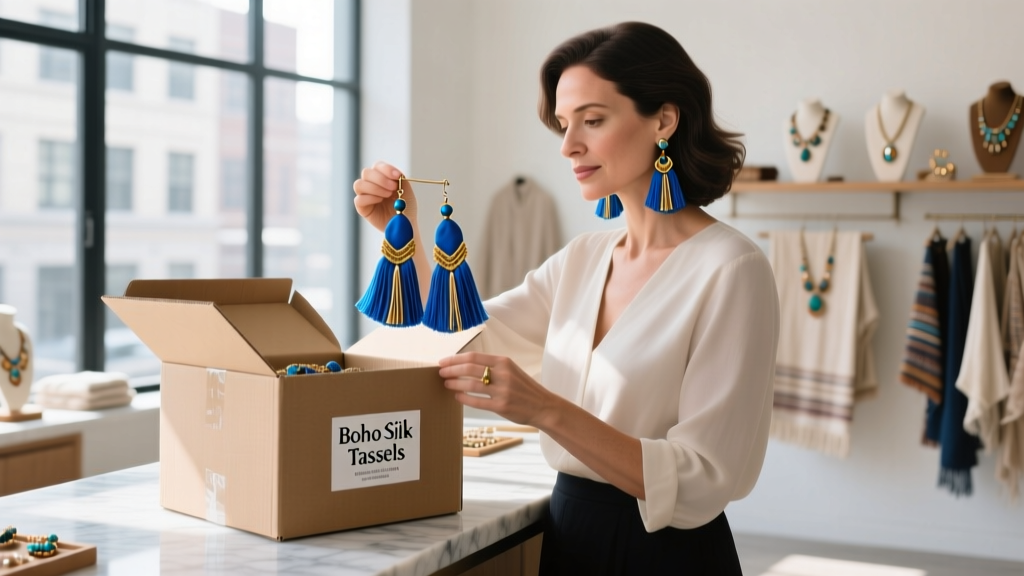
Never place a bulk order without a rigorous sampling phase. Order 3-5 pairs from your top three suppliers and subject them to the following stress tests in your studio:
- The Tug Test: Grip the tassel cap and the thread bundle firmly and pull in opposite directions with moderate force. If the threads slip out of the cap or the jump ring separating the tassel from the ear wire opens, the hardware is too soft or the crimping machine is poorly calibrated.
- The Humidity Test: Hang the sample earrings in a steamy bathroom for two hours. Rayon and low-grade cotton will absorb the moisture and 'mushroom' at the bottom, losing their sleek, straight lines. High-quality mercerized cotton will remain largely unaffected.
- The Snag Test: Run the tassels across a piece of delicate knit fabric. Poorly sheared threads with micro-barbs will catch and pull the fabric. Premium suppliers use hot-cutting techniques to seal the ends of synthetic threads or precision-shear natural fibers.
Step 5: Negotiating MOQs, Lead Times, and Customs
When negotiating with wholesale boho tassel earrings suppliers, avoid asking 'What is your best price?' right out of the gate. Instead, request a tiered pricing sheet based on SKU consolidation. For example, if a factory demands a 500-piece MOQ per color, negotiate a 'mixed style' MOQ. Most factories will agree to a 500-piece total order split across 10 different colors (50 pieces each) if you agree to use their existing thread dye lots.
Navigating Import Duties
If you are importing directly from overseas, HS Codes (Harmonized System Codes) will dictate your customs duties. Tassel earrings generally fall under HS Code 7117.90 (Imitation Jewelry of Base Metal) or HS Code 7113.11 (Articles of Silver). Misclassification by a lazy freight forwarder can result in unexpected 15-20% duty penalties. Always ask your supplier for the exact HS Code they use on their commercial invoices and verify it with a licensed customs broker before the goods ship.
Conclusion
Sourcing premium bohemian jewelry requires a meticulous eye for detail. By strictly defining your material grades, demanding hypoallergenic 20-gauge hardware, and subjecting samples to real-world stress tests, you elevate your boutique above the fast-fashion competition. The right wholesale boho tassel earrings suppliers will act as an extension of your brand, delivering consistent quality that keeps your customers coming back season after season.


