Cleaning Vintage Gold Hoops: Radar Love by Golden Earring Guide
Learn how to clean and maintain 1970s vintage gold hoop earrings with our Radar Love by Golden Earring era care guide. Expert tips for 14k and 18k gold.

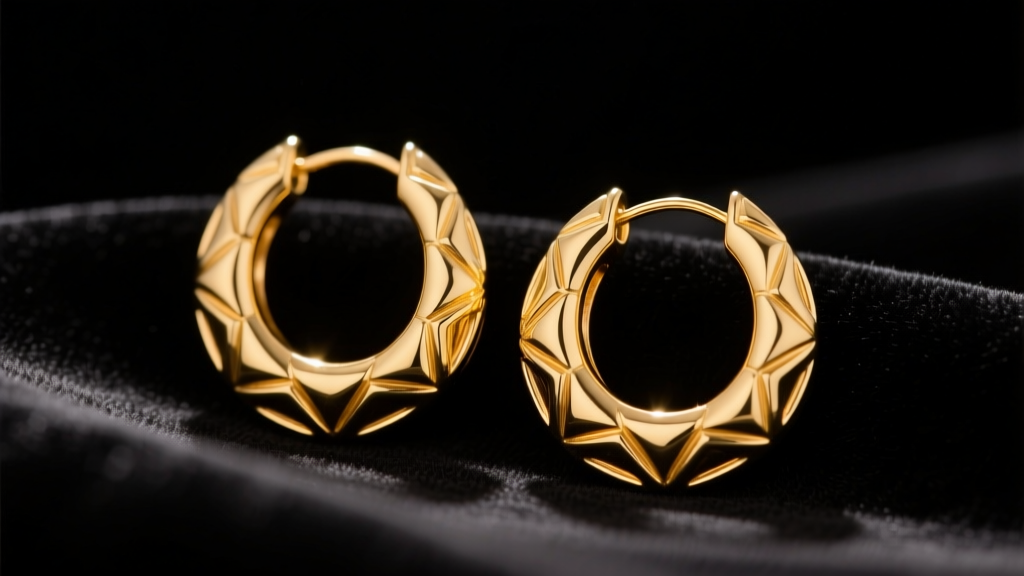
The 1970s Gold Hoop Revival: Why Era-Specific Care Matters
Much like the enduring, driving groove of the classic rock anthem Radar Love by Golden Earring, the 1970s vintage gold hoop earring possesses a timeless rhythm that continues to dominate fashion in 2026. Characterized by their chunky profiles, hollow tube constructions, and intricate saddleback hinges, these pieces are highly sought after by collectors and style enthusiasts alike. However, caring for a 50-year-old piece of jewelry requires vastly different protocols than maintaining modern, mass-produced cast jewelry. The alloys used in the 1970s, the specific soldering techniques of the era, and the mechanical wear on vintage hinges all demand a specialized approach to cleaning and maintenance. This comprehensive guide will walk you through the exact metallurgical realities of vintage gold and provide a professional-grade maintenance routine to keep your hoops in pristine condition.
Metallurgy of the 70s: Understanding Your Gold Alloy
Before applying any cleaning solution to your vintage hoops, you must identify the karat weight and alloy composition. In the 1970s, 14k (58.5% pure gold) and 18k (75% pure gold) were the industry standards in the US and Europe, respectively. The remaining percentage consists of alloy metals like copper, silver, zinc, and occasionally nickel. These base metals are what give the gold its structural integrity and color, but they are also the culprits behind tarnish and patina.
| Alloy Type | Gold Content | Common Base Metals | Tarnish Risk | Care Consideration |
|---|---|---|---|---|
| 14k Yellow Gold | 58.5% | Copper, Silver, Zinc | Moderate | Copper oxidizes; requires gentle polishing to remove dark patina. |
| 18k Yellow Gold | 75.0% | Copper, Silver | Low | Softer metal; highly prone to denting and bending in hollow tubes. |
| 14k White Gold | 58.5% | Nickel, Palladium, Zinc | Low | Often rhodium-plated; vintage pieces may need re-plating if yellowing. |
According to the Gemological Institute of America (GIA), the copper content in vintage 14k gold can react with sulfur in the environment, creating a dark copper sulfide layer on the surface. While some collectors appreciate this 'antique' patina, those seeking a high-polish rock-and-roll shine must remove it carefully without stripping away microscopic layers of the gold itself.
Step-by-Step Cleaning Protocol for Vintage Gold Hoops
Forget harsh commercial jewelry dips or abrasive toothpaste. Vintage gold, especially hollow tube hoops from the 70s, requires a gentle, non-corrosive cleaning method that protects both the metal and the delicate hinge mechanisms.
Phase 1: The Degreasing Soak
- Solution: Mix 1 cup of warm distilled water with 3 drops of pH-neutral dish soap (such as original Dawn).
- Process: Submerge the hoops for exactly 10 minutes. This breaks down sebum, cosmetic residues, and environmental oils without attacking the copper alloys.
- Agitation: Use an extra-soft baby toothbrush to gently sweep the crevices near the hinge and the inside of the post hole. Do not scrub the flat surfaces of the hoop.
Phase 2: The Rinse and Dry
Rinse the earrings under a gentle stream of lukewarm distilled water. Tap water contains chlorine and hard minerals that can leave micro-deposits on vintage gold. Immediately pat dry with a lint-free microfiber cloth. For hollow tube hoops, moisture can get trapped inside the tubing; use a hair dryer on the 'cool' setting to blow air into the hinge gap and post hole to ensure complete internal drying.
The Ultrasonic Warning: What to Avoid
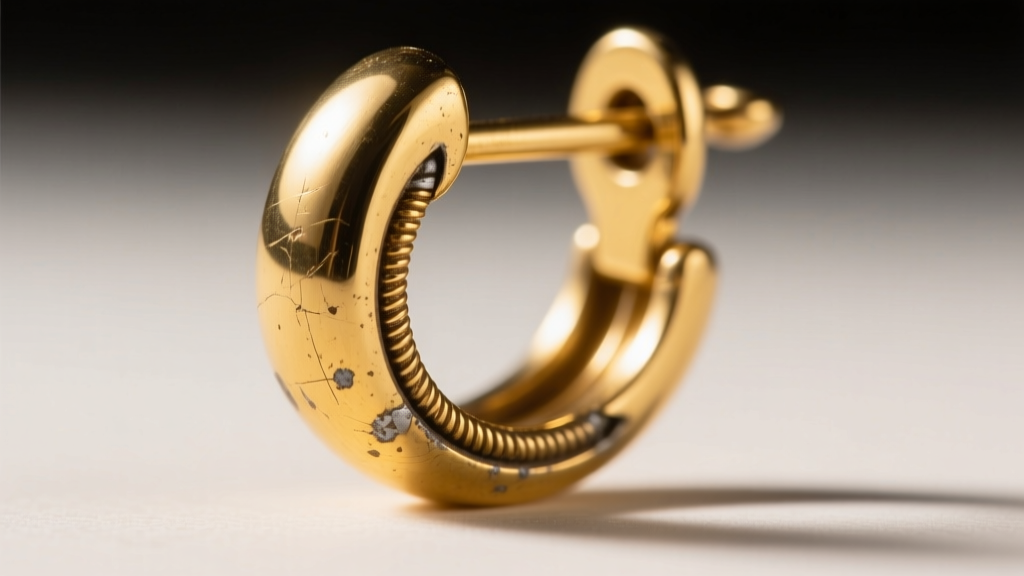
It is a common misconception that ultrasonic cleaners are safe for all gold jewelry. While solid cast gold can withstand ultrasonic cavitation, vintage 1970s hoops are frequently constructed from thin gold tubing or sheet metal that has been soldered and formed. The high-frequency vibrations of an ultrasonic cleaner can easily shatter 50-year-old solder joints, particularly at the base of the earring post or the hinge housing. Furthermore, if your vintage hoops feature any glued-in accents (like coral or turquoise, popular in 70s bohemian designs), the ultrasonic waves will dissolve the adhesive. Always stick to manual, chemical-free cleaning for vintage structural pieces.
Structural Maintenance: Hinges, Latches, and Gauge Wear
The most critical failure point on any vintage hoop is the hinge and clasp mechanism. The 1970s saw the rise of the 'saddleback' hinge and the 'snap' clasp. Over decades of use, the 18-gauge (1.0mm) or 16-gauge (1.2mm) wire posts can bend, and the tension of the snap clasp can weaken, leading to lost earrings.
Tightening a Loose Snap Clasp
If your hoop's post no longer 'clicks' securely into the clasp housing, the post has likely thinned or bent. Using a pair of nylon-jaw jewelry pliers (never metal-on-metal, which will mar the gold), gently squeeze the base of the post to slightly widen it, or use a burnishing tool to harden the wire. If the clasp housing itself is stretched, a professional jeweler will need to use a steel punch to gently tap the housing back into a tight cylinder. Expect to pay between $45 and $85 for a professional hinge retensioning or resoldering in 2026.
Post Gauge Verification
Always verify the gauge of your vintage posts. Modern standard earrings are typically 20G (0.8mm) or 18G (1.0mm). Many 1970s European hoops were crafted with thicker 16G (1.2mm) or even 14G (1.6mm) wires to support the heavy hollow tubes. Forcing a thick vintage post into a modern, tight piercing can cause tissue tearing and lobe trauma. If the post is too thick for your comfort, have a jeweler carefully file it down to a standard 18G taper, ensuring they polish the tip to a smooth, rounded point to prevent insertion friction.
Storage Solutions to Prevent Heartbreak
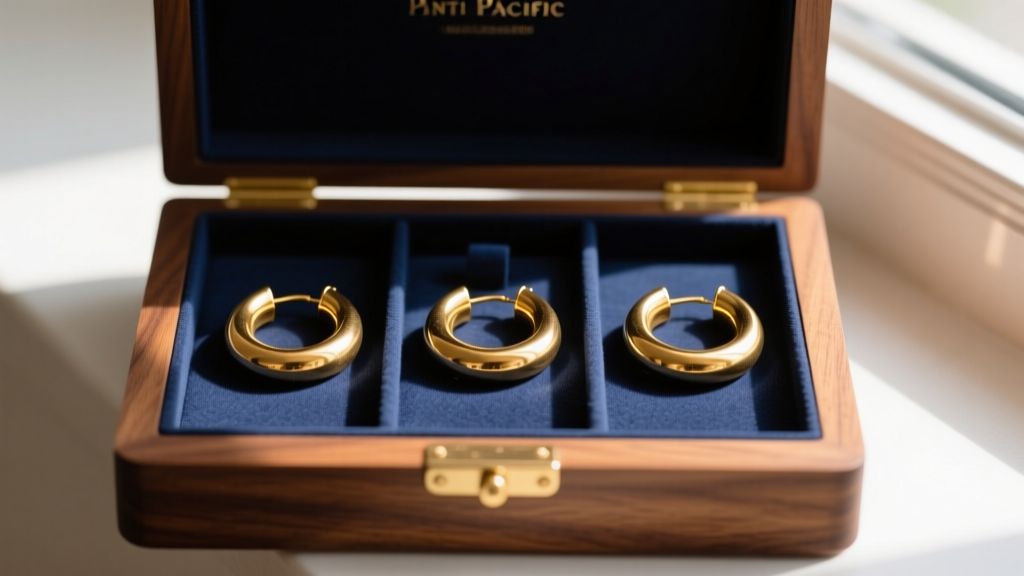
Proper storage is the final pillar of the Radar Love by Golden Earring era care guide. Hollow gold hoops are notoriously susceptible to denting. Storing them loosely in a communal jewelry box where they can be crushed by heavier items is a recipe for irreversible structural damage. Furthermore, the copper alloys in 14k gold will continue to oxidize if exposed to ambient humidity and sulfur in the air.
To preserve your vintage hoops:
- Individual Pouches: Store each pair in its own soft flannel or Pacific cloth pouch. Pacific cloth is treated with microscopic silver and copper particles that intercept and neutralize tarnish-causing gases before they reach your gold.
- Anti-Tarnish Strips: If storing in a wooden or leather jewelry box, place a 3M anti-tarnish strip inside each compartment. These strips absorb sulfur vapors and remain effective for up to 6 months.
- Shape Retention: For large diameter hoops (over 40mm), hang them on a dedicated velvet-lined earring stand rather than laying them flat, which prevents the tubing from developing flat spots or warping under its own weight over time.
Summary Checklist for 2026 Vintage Gold Care
- Clean: Monthly with distilled water and pH-neutral soap; avoid ultrasonics.
- Inspect: Check the saddleback hinge and post gauge for wear every 3 months.
- Protect: Remove before swimming (chlorine destroys gold alloys) or applying aerosol hairsprays.
- Store: Keep in individual anti-tarnish pouches away from direct sunlight and humidity.
By respecting the metallurgy and mechanical history of your 1970s gold hoops, you ensure they remain a staple of your wardrobe for decades to come. Channel the enduring energy of Radar Love by Golden Earring, and treat your vintage jewelry with the expert care it deserves.


