The 2026 Gift Guide to Vintage Miriam Haskell Earrings
Discover the ultimate 2026 gift guide to vintage Miriam Haskell earrings. Learn eras, authentication, pricing, and occasion matching for collectors.

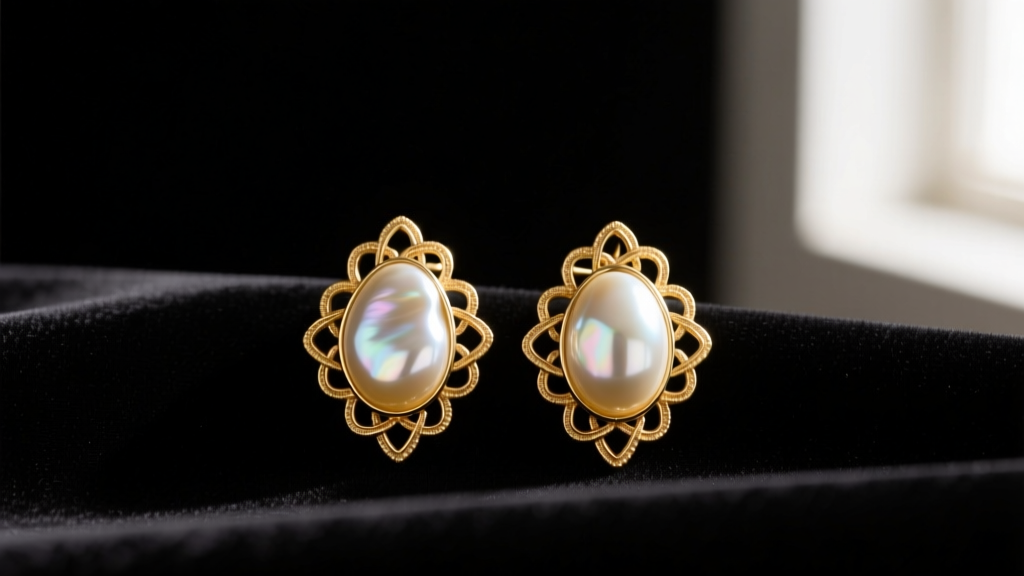
The Allure of Gifting Wearable Art
When it comes to gifting fine jewelry, the focus often defaults to precious metals and gemstones. However, for the discerning collector, the fashion historian, or the lover of mid-century couture, few gifts carry the prestige and artistic weight of vintage Miriam Haskell earrings. Founded in 1926, the House of Miriam Haskell, with the visionary design direction of Frank Hess, revolutionized American costume jewelry. By elevating faux pearls, baroque glass beads, and intricate wirework to the level of high art, Haskell created pieces that were worn by Hollywood royalty and high-society icons alike.
In 2026, gifting vintage Haskell earrings is a masterclass in occasion matching. It shows a profound understanding of the recipient's personal style and an appreciation for historical craftsmanship. But navigating the secondary market requires a keen eye. From decoding unsigned 1930s Art Deco clips to identifying the signature 'Russian gold' finish of the 1950s, this comprehensive guide will help you select, authenticate, and present the perfect pair of Haskell earrings for any milestone.
Decoding the Eras: Matching Style to the Recipient
Miriam Haskell's design language evolved significantly over the decades. To choose the right gift, you must align the era's aesthetic with your recipient's personal wardrobe and lifestyle.
The 1920s–1930s: Art Deco Filigree & Early Pearls
Earrings from the brand's nascent years are characterized by lighter, more delicate constructions. Influenced by the Art Deco movement and the discovery of King Tutankhamun's tomb, Hess utilized stamped filigree brass, early celluloid plastics, and seed beads. Gift these to: The minimalist vintage lover, fans of 'Great Gatsby' aesthetics, or those who prefer lightweight, understated elegance over heavy maximalism.
The 1940s–1950s: Russian Gold & The Baroque Boom
This is the golden age of Haskell. During WWII, metal restrictions pushed the brand to experiment with carved plastics and natural materials. However, the post-war era birthed the iconic 'Russian gold' finish—a warm, matte, bronze-gold electroplating over brass that resisted tarnishing. This era is famous for massive, ornate chandelier earrings and dangle drops heavily laden with signature 'Haskell pearls' (glass beads dipped multiple times in a guanine and lacquer mixture to mimic the irregular, baroque shapes of natural pearls). Gift these to: The bold maximalist, theater enthusiasts, and collectors of statement evening wear.
The 1960s–1980s: Signed Statements & Colorful Pop
As fashion shifted, so did Haskell. The later decades introduced brighter, more opaque glass beads, Lucite elements, and larger, more prominent signature plaques. While purists often chase the 1950s pieces, the later eras offer incredible durability and vibrant colorways. Gift these to: Mod-fashion enthusiasts, retro-pop art lovers, and those seeking highly durable, everyday vintage clips.
Occasion Matching: 2026 Gifting Matrix
Not all vintage earrings suit all events. Use this matrix to align your purchase with the recipient's upcoming milestones.
| Occasion | Ideal Haskell Style | Target Era | 2026 Market Budget |
|---|---|---|---|
| Milestone Anniversary (e.g., 30th) | Elaborate Faux Pearl Chandeliers | 1950s | $450 – $850 |
| Graduation / Career Milestone | Geometric Filigree Clips | 1930s | $250 – $400 |
| Holiday / Stocking Stuffer | Single-Pearl or Seed Beed Studs/Clips | 1970s | $125 – $180 |
| Bridal 'Something Vintage' | Floral Wirework Drops with Aurora Borealis Rhinestones | 1950s-1960s | $350 – $600 |
| Serious Collector Addition | Rare Unsigned Horseshoe Plaque Pieces | 1920s-1930s | $800 – $1,500+ |
The Collector’s Checklist: Authentication & Condition
Buying vintage Miriam Haskell earrings as a gift means you must guarantee their authenticity. The secondary market is flooded with franken-pieces and outright counterfeits. According to the Vintage Fashion Guild, hallmarking is your first clue, but it is not the only one.
- The Hallmark Timeline: Early pieces (1920s-1940s) are largely unsigned or feature a tiny horseshoe-shaped plaque stamped 'MIRIAM HASKELL'. In the 1950s, a flat, oval cartouche was introduced. Later pieces may have the signature stamped directly into the metal or on a hanging tag.
- Examining the Wirework: Authentic Haskell wirework is essentially bead crochet. The seed beads and findings are meticulously wrapped and woven around a brass wire armature. If the wire looks glued, soldered clumsily, or lacks the intricate, woven tension, walk away.
- The Pearl Test: Genuine Haskell pearls have a distinct, slightly irregular baroque shape and a deep, luminescent orient. They should feel relatively smooth but possess a depth that flat, modern plastic pearls lack.
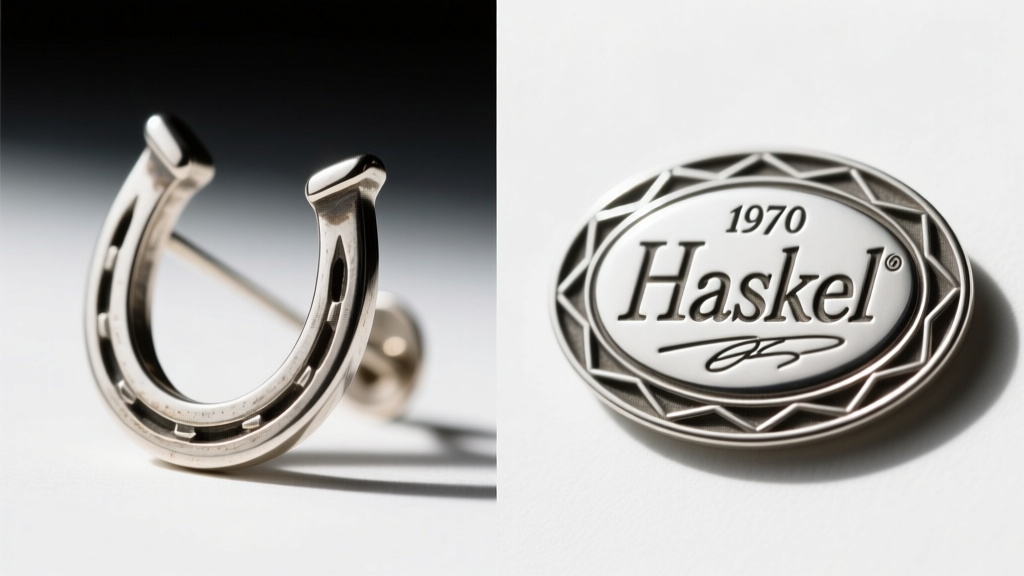
Navigating Condition Issues
When gifting vintage, condition is paramount. Inspect the 'Russian gold' plating for rub-through, especially on the high points of the filigree. More critically, check for verdigris—a green, powdery copper oxidation that occurs when the brass base metal is exposed to moisture over decades. While light verdigris can be carefully cleaned by a professional conservator, deep structural corrosion compromises the wirework's integrity. Furthermore, inspect the pearls for 'nacre loss' or peeling, which occurs when the pearl essence coating flakes away from the glass core.
Solving the Piercing Dilemma: Clip-On Conversions
The most common hurdle when gifting vintage earrings is that the majority of mid-century Haskell pieces are clip-ons or screw-backs, as ear piercing was not mainstream until the late 1960s. If your recipient only wears pierced earrings, you have two options:
- Gift the Conversion Service: Present the vintage clip-ons in a beautiful box alongside a gift certificate to a reputable bench jeweler for a 'clip-to-post conversion'. The jeweler will carefully remove the clip mechanism and laser-solder an 18-gauge or 20-gauge sterling silver post to the base. This preserves the historical integrity of the front-facing design while making it wearable for modern ears.
- Use Clip-On Adapters: For a non-destructive approach, gift the earrings with a set of high-quality silicone earring backers designed to slip over the clip-on paddle, providing comfort and grip without altering the vintage finding.
Never allow a jeweler to use traditional torch soldering on Haskell wirework. The intense heat will melt the internal lacquer of the faux pearls and shatter the glass beads. Always insist on laser welding for finding conversions.
Presentation and Archival Care Instructions
A gift of this caliber demands an equally thoughtful presentation. Never gift vintage costume jewelry in modern, airtight plastic containers, as trapped humidity accelerates verdigris. Instead, present the earrings in an archival-quality, acid-free jewelry box lined with unbleached cotton or anti-tarnish cloth.
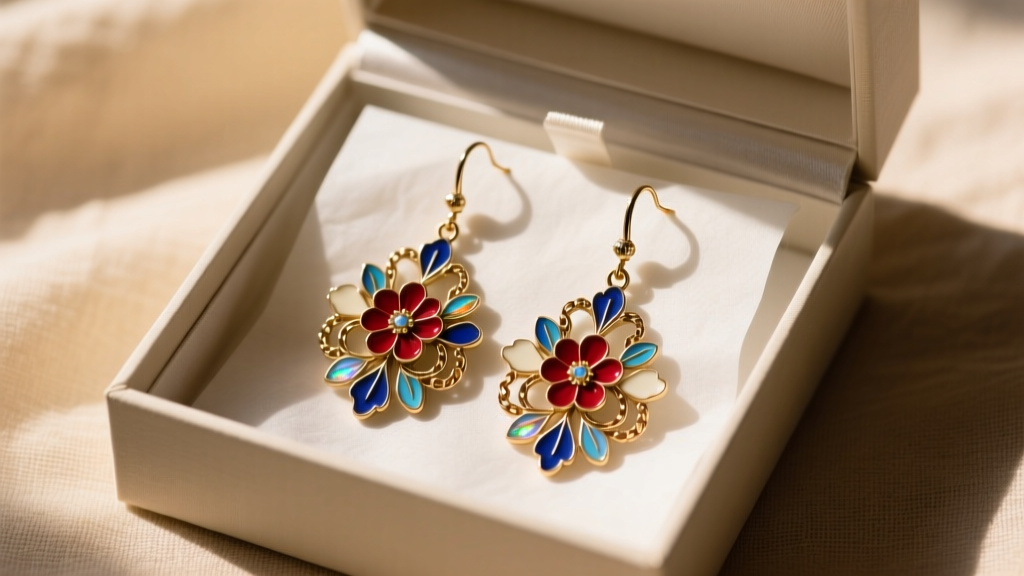
Include a handwritten 'Care Card' detailing the specific needs of Haskell pieces. As noted by antique jewelry experts at Lang Antiques, the organic guanine coating on Haskell pearls is highly sensitive to chemicals. Your care card should explicitly state:
- No Ultrasonic Cleaners: The vibrations and chemical baths will instantly strip the pearl coating.
- No Water or Perfume: Always apply hairspray and perfume before putting the earrings on. Water will cause the internal brass wire to rust and expand, cracking the glass beads from the inside out.
- Dust Removal: Clean the intricate wirework gently using a dry, soft-bristled makeup brush to dislodge dust without snagging the delicate seed bead threads.
Final Thoughts on Sourcing in 2026
When sourcing vintage Miriam Haskell earrings, prioritize established vintage dealers, vetted platforms like 1stdibs, or specialized auction houses over unverified flea market finds. The premium you pay for a dealer-authenticated piece is essentially an insurance policy against the heartbreak of gifting a counterfeit. By understanding the eras, respecting the materials, and thoughtfully addressing the clip-on reality, you elevate a simple gift into the transfer of a wearable, historical masterpiece.


