Vintage Pearl Drop Earrings: 2026 Value & Pricing Guide
Discover how to appraise vintage pearl drop earrings in 2026. Learn nacre grading, metal hallmarks, and fair market pricing for antique jewelry.

The Investment Appeal of Vintage Pearl Drop Earrings
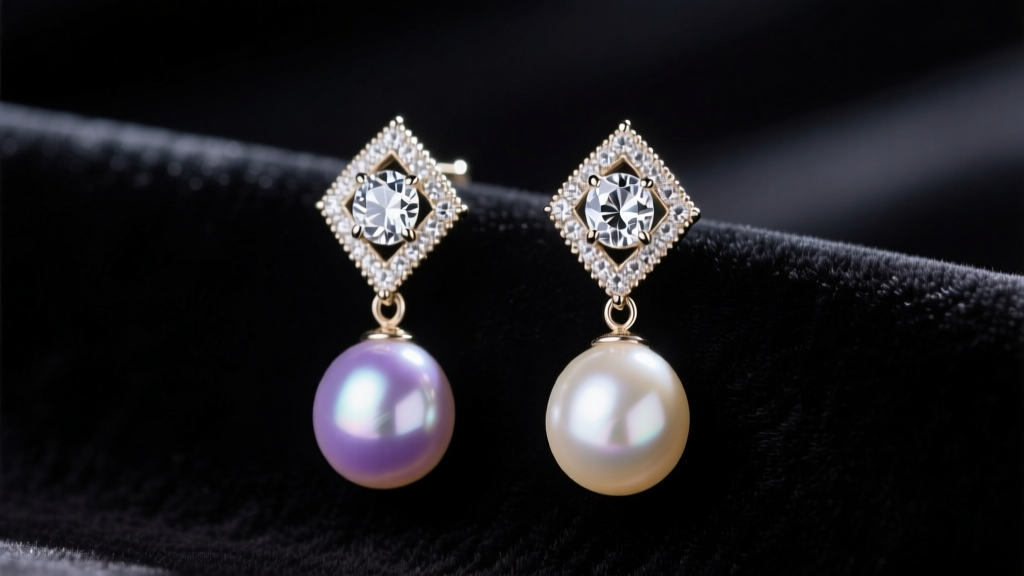
In the 2026 estate jewelry market, vintage pearl drop earrings occupy a unique intersection of wearable elegance and tangible asset appreciation. Unlike contemporary mass-produced jewelry, vintage pieces carry historical provenance, superior craftsmanship, and materials that are increasingly difficult to source. Whether you are an estate buyer, a collector, or someone who has inherited a pair of heirloom drops, understanding the precise metrics of valuation is critical. The term 'vintage' generally applies to pieces between 20 and 99 years old, while 'antique' denotes pieces over a century old. When evaluating vintage pearl drop earrings, appraisers look far beyond simple aesthetic appeal. They scrutinize nacre thickness, pearl origin, metal purity, hardware integrity, and era-specific design motifs. According to the Gemological Institute of America (GIA), the value of a pearl is dictated by seven distinct factors: size, shape, color, luster, surface quality, nacre quality, and matching. In vintage drops, nacre quality and luster are the primary drivers of long-term value.
Decoding Pearl Quality: Nacre, Luster, and Origin
The most common failure mode in vintage pearl jewelry is nacre degradation. Nacre is the crystalline substance a mollusk secretes to form a pearl. In the mid-20th century, some commercial producers harvested cultured pearls prematurely, resulting in nacre layers as thin as 0.1mm to 0.3mm. Over decades of wear, exposure to cosmetics, and friction, this thin nacre peels away, revealing the dull shell bead nucleus beneath. When appraising vintage drops, an expert will use a 10x loupe to examine the drill hole. High-quality vintage Akoya pearls should exhibit a nacre thickness of at least 0.4mm, with premium Hanadama-grade specimens boasting 0.6mm or more. Luster is the second critical factor. High-quality vintage pearls possess a 'mirror-like' luster where reflections are sharp and distinct. Chalky or dull pearls indicate either poor original quality, severe dehydration, or chemical damage from decades of improper storage.
Akoya vs. South Sea vs. Freshwater in Vintage Pieces
The origin of the pearl drastically alters the pricing tier. Vintage Akoya drops (predominantly from Japan) are the most common in mid-century estate lots, prized for their perfect roundness and sharp luster. Vintage South Sea pearls are exceptionally rare in true antique settings because large-scale commercial cultivation did not peak until the late 20th century; if you encounter massive 14mm+ drops in an alleged 1920s setting, they are likely later additions or misidentified. Freshwater pearls in vintage pieces (often from the Mississippi River basin) tend to be baroque or off-round, featuring a softer, satiny luster and commanding a lower premium than saltwater counterparts, unless they are natural, unseeded river pearls from the Edwardian era.
Era-Specific Valuations: Edwardian to Mid-Century
The historical era of the mounting provides a baseline for authentication and value. Each period utilized distinct metals, design philosophies, and pearl types.
Edwardian and Belle Époque (1901–1915)
Earrings from this era were predominantly crafted in platinum or high-karat yellow gold. Crucially, the pearls used in genuine Edwardian drops are almost always natural saltwater pearls, as commercial culturing was in its infancy. Natural pearls are formed without a bead nucleus, making them incredibly rare and valuable. A matched pair of natural pearl drops with diamond-set platinum caps can easily command $15,000 to $50,000+ at auction, provided they are accompanied by a gemological lab report confirming their natural origin.
Art Deco (1920–1935)
The Art Deco period introduced geometric symmetry, bold contrasts, and the widespread adoption of cultured Akoya pearls. Drop earrings from this era often feature onyx, black enamel, or carved coral accents alongside old European cut diamonds. The metal is typically platinum or 18k white gold. Valuations here rely heavily on the quality of the diamond melee and the precision of the milgrain detailing. Expect pricing to range from $2,500 to $8,000 for well-preserved, original pairs.
Retro and Mid-Century (1935–1970)
During the WWII era, platinum was reserved for military use, prompting a shift to rose and yellow gold. Retro drops often feature floral motifs and larger, sometimes lower-grade cultured pearls. By the 1950s and 60s, the classic 'diamond-capped Akoya drop' became a staple of American and European jewelry houses like Tiffany & Co. and Cartier. These mid-century pieces are highly liquid in the 2026 market, with values typically ranging from $400 to $1,800, depending on the diamond weight and pearl luster.
Hardware Integrity and the 'Married' Earring Problem
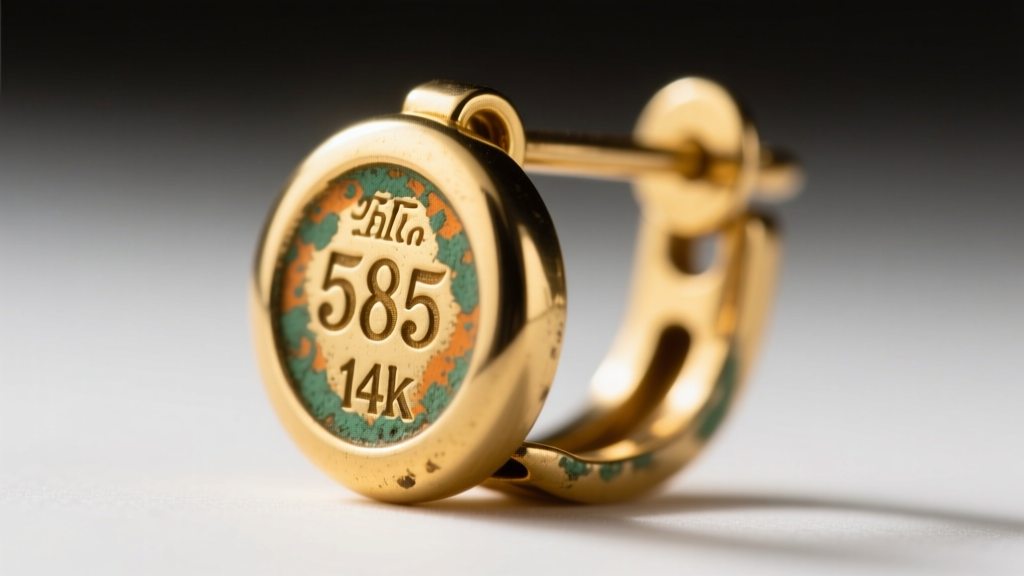
One of the most significant value-killers in vintage earrings is hardware replacement. Original leverbacks, screw-backs, or early friction posts are vital to provenance. If a jeweler has soldered modern 14k gold posts onto an 18k platinum Edwardian drop, the piece loses 20% to 30% of its collector value. Furthermore, appraisers must watch for 'married' pairs. Because earrings are frequently lost or broken over a century, dealers sometimes pair two similar, but not original, single drops together. Discrepancies in the patina, slight variations in the filigree caps, or mismatched hallmarks on the left and right ear wires are dead giveaways of a married pair, which should be priced as two individual singles rather than a matched suite.
2026 Fair Market Value Matrix
The following table outlines estimated retail replacement values for vintage pearl drop earrings in the current 2026 market, assuming excellent condition and authentic, unaltered mountings.
| Era | Pearl Type | Primary Metal | Est. Value Range (USD) |
|---|---|---|---|
| Edwardian (1901-1915) | Natural Saltwater | Platinum / 18k Gold | $12,000 - $65,000+ |
| Art Deco (1920-1935) | Early Cultured Akoya | Platinum / White Gold | $2,500 - $9,000 |
| Retro (1935-1950) | Cultured Akoya / Freshwater | 14k Rose / Yellow Gold | $600 - $2,200 |
| Mid-Century (1950-1970) | Premium Akoya (7-9mm) | 14k / 18k Gold, Platinum | $400 - $1,800 |
| Unsigned Vintage (Mixed) | Commercial Cultured | 10k / 14k Gold, Silver | $150 - $450 |
Red Flags: Spotting Fakes and Over-Restored Pieces
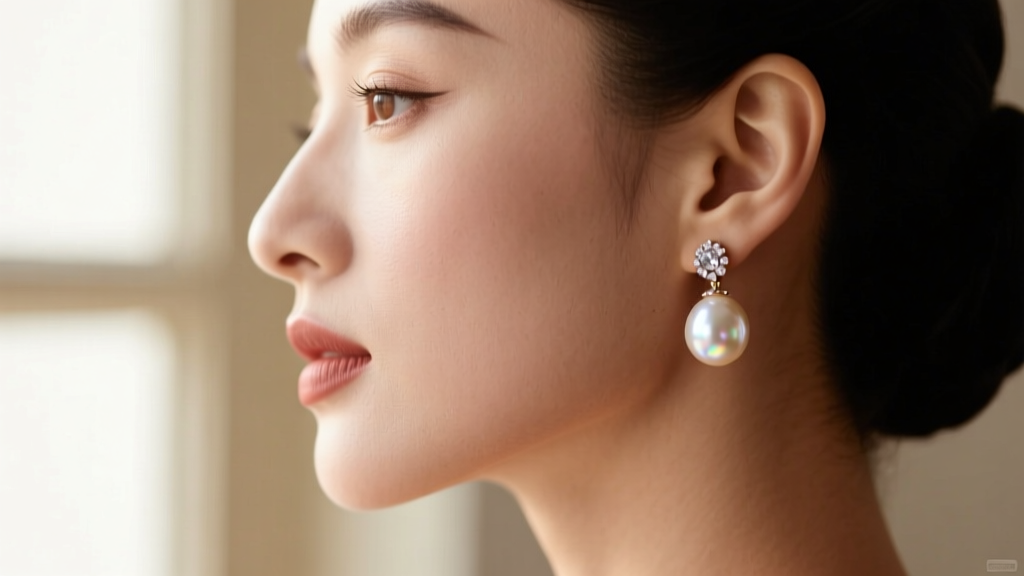
The vintage market is flooded with convincing imitations. The most notorious is the Majorica pearl, a glass bead coated with a proprietary fish-scale essence developed in the late 19th century. While Majorica pearls are beautiful and have their own collectible niche, they possess zero gemological value compared to real nacre. The traditional 'tooth test'—gently rubbing the pearl against the biting edge of your front tooth to feel for a gritty, sandy texture—works well for identifying glass fakes. However, never perform the tooth test on high-value Edwardian or Art Deco pieces, as you risk damaging the surface or offending a seller. Instead, use a loupe to look for the perfectly uniform, slightly peeling 'paint' lines near the drill hole of a coated glass pearl.
Another major red flag is epoxy degradation. Many mid-century pearl drops feature diamond or gold caps glued to the top of the pearl to hide blemishes or secure the drop mechanism. Over 50 to 70 years, vintage epoxy yellows, becomes brittle, and fails. If you see a yellowish residue around the cap, or if the cap shifts slightly when gently prodded with a wooden toothpick, the piece requires professional restoration. Furthermore, be wary of 're-drilled' pearls. If a pearl was originally a button shape and was aggressively drilled and sanded to fit into a drop setting, the structural integrity is compromised, severely impacting the appraisal value.
Expert Tips for Buying and Selling
If you are looking to acquire vintage pearl drop earrings, always request a condition report detailing any nacre loss, post replacements, or cap re-gluing. For pieces claiming to feature natural (non-cultured) pearls, a certificate from a top-tier laboratory like GIA or SSEF is non-negotiable; the price differential between a natural and cultured pearl of the same size can be over 1,000%. When selling, avoid aggressive ultrasonic cleaning, which can shatter dehydrated vintage nacre or shake loose glued caps. Instead, gently wipe the pearls with a damp, lint-free microfiber cloth and consult a certified American Gem Society (AGS) appraiser to establish a fair market baseline before approaching auction houses or estate buyers. By understanding the intricate balance of history, gemology, and metallurgy, you can confidently navigate the 2026 vintage pearl market and secure pieces that hold both profound beauty and enduring financial value.


