Vintage Pink Earrings: A Beginner's Guide to Eras & Styling
Discover how to identify, buy, and style authentic vintage pink earrings. Learn about eras, clasp types, material testing, and proper care techniques.

What Actually Qualifies as "Vintage" Pink Earrings?
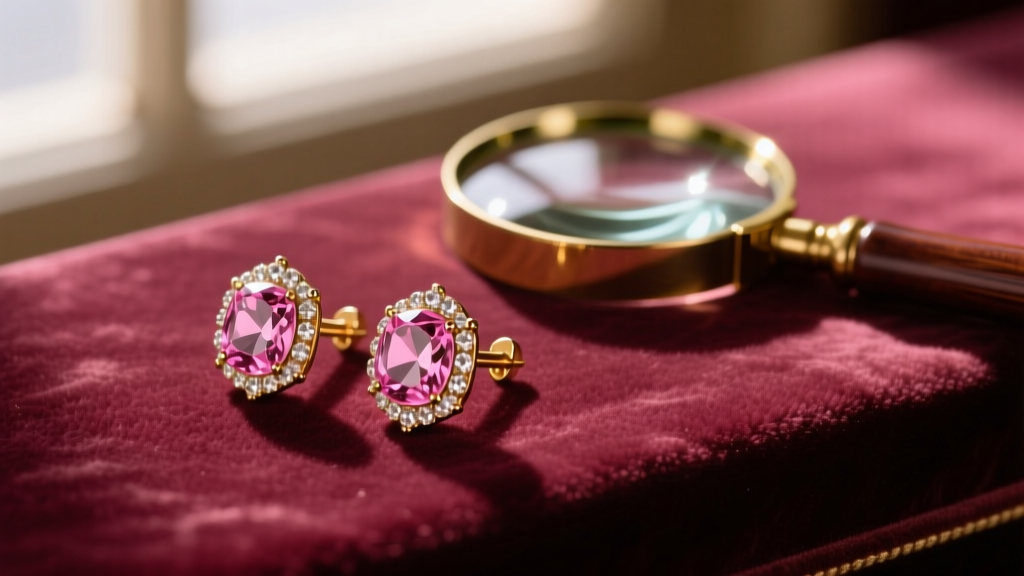
When diving into the secondary jewelry market, terminology is your first line of defense against overpaying for modern reproductions. In the gemological and antique trade, "vintage" refers to pieces that are at least 20 to 99 years old, while "antique" strictly applies to items over a century old. As we navigate the 2026 vintage jewelry market, the surge in demand for romantic, feminine aesthetics has made vintage pink earrings—ranging from carved Bakelite to rose gold and pink sapphires—highly sought after.
Understanding the distinct historical eras is crucial for identifying authentic vintage pink earrings. Each decade favored specific materials, cuts, and manufacturing techniques that serve as built-in authentication markers for beginners.
The Art Deco Era (1920s–1930s)
Art Deco pink earrings are defined by bold geometry and high contrast. During this time, pink Bakelite (an early synthetic plastic) became immensely popular. Carved into domes, teardrops, and geometric blocks, Bakelite was often paired with chrome or early celluloid. Genuine 1930s pink Bakelite earrings are heavyweight, emit a distinct formaldehyde scent when rubbed vigorously, and feature seamless carving rather than molded seams.
The Retro Era (1940s)
Due to WWII metal rationing, 1940s jewelry shifted toward oversized, bold designs using less precious metal. Rose gold (often alloyed with copper to achieve a deep pink hue) and pink topaz or pink tourmaline dominated this era. Retro pink earrings often feature massive, three-dimensional ribbon or bow motifs. If you find a pair of oversized rose gold clip-ons with a trombone clasp, you are likely holding a genuine 1940s Retro piece.
Mid-Century Modern (1950s–1960s)
This is the golden age of the pink rhinestone. In 1955, Swarovski introduced the Aurora Borealis (AB) finish, a micro-thin metallic coating that gave glass stones an iridescent, rainbow-like sheen. Vintage pink AB rhinestone earrings from houses like Dior, Chanel, and Miriam Haskell are highly collectible in 2026. They are characterized by intricate wire-work, hand-set stones, and foiled backing that creates a deep, glowing pink hue.
How to Authenticate Vintage Pink Earrings
Beginners often mistakenly buy modern, mass-produced "vintage-style" earrings, believing them to be authentic. To build a genuine collection, you must examine the hardware and materials closely.
The Clasp Test
The earring backing is the most reliable indicator of age. Modern earrings use butterfly friction backs or standard hinged hoops. Vintage pieces utilize entirely different mechanisms:
- Trombone Clasps (Pre-1950s): Common on European Art Deco and Retro pieces, these feature a push-pull barrel mechanism that locks the wire into a tube.
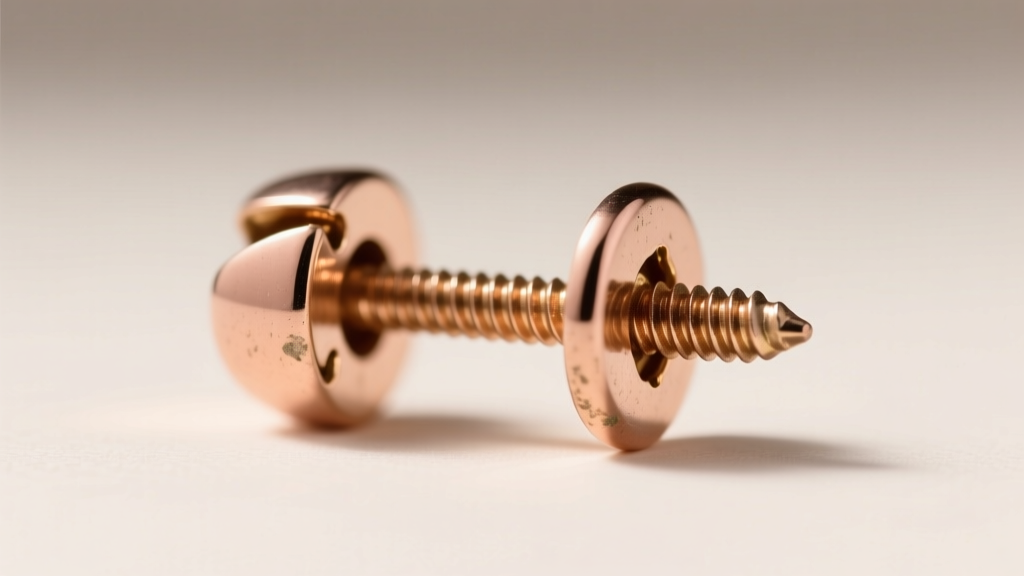
- Screw-Backs (1930s–1960s): Before pierced ears became the mainstream standard, screw-backs clamped onto the lobe using a threaded post and an adjustable tension paddle.
- Early Kidney Wires (1920s–1940s): Simple, unadorned wire hooks without the modern "locking" latch at the bottom.
The Material Test: Bakelite vs. Modern Plastic
Modern reproductions often use lightweight acrylic or Lucite to mimic 1930s Bakelite. To test pink Bakelite, apply a tiny drop of Simichrome metal polish to a cotton swab and rub an inconspicuous area of the earring. If the swab turns a vibrant, mustard yellow, the piece is genuine Bakelite. Modern plastics will not react. According to material conservation guidelines from institutions like the Victoria and Albert Museum, Bakelite also produces a deep, hollow "clack" when two pieces are tapped together, unlike the high-pitched click of modern acrylic.
Decoding Materials: A Quick Reference Chart
Use this framework to quickly assess the era, material, and expected market value of vintage pink earrings you encounter at estate sales or online auctions.
| Era | Common Pink Material | Identifying Hardware | 2026 Avg. Price Range |
|---|---|---|---|
| Art Deco (1920s-30s) | Carved Pink Bakelite, Coral | Trombone clasp, C-clasp | $150 – $600 |
| Retro (1940s) | Rose Gold, Pink Topaz | Screw-back, heavy clips | $400 – $2,500+ |
| Mid-Century (1950s-60s) | Pink AB Rhinestones, Enamel | Paddle clips, early posts | $80 – $450 |
| Victorian (1890s-1900s) | Pink Sapphire, Rose Cut Gems | Shepherd hooks, screw-backs | $1,000 – $5,000+ |
Piercing Safety, Gauges, and Wearability
One of the most overlooked aspects of buying vintage pierced earrings is gauge sizing. Modern standard pierced earrings are typically 20-gauge (0.81mm) or 22-gauge (0.64mm). However, when jewelers in the 1960s and 70s began converting vintage screw-backs and clip-ons into pierced earrings, they often soldered on much thicker posts.
It is incredibly common to find converted vintage pieces with 18-gauge (1.0mm) or even 16-gauge (1.2mm) posts. Forcing a thick 16-gauge vintage post into a delicate 22-gauge healed lobe can cause micro-tears, blowouts, and severe irritation. Always measure the post with a digital caliper before inserting vintage earrings into your piercings. If the post is too thick, take the earrings to a professional bench jeweler to have the posts swapped for modern, hypoallergenic titanium or 14k gold 20-gauge posts.
The Nickel Warning
Vintage white gold and base-metal alloys frequently contain high levels of nickel, which was used to bleach gold or add strength to cheap pot metals. The Mayo Clinic notes that nickel allergy is one of the most common causes of allergic contact dermatitis. If you have sensitive ears, avoid unmarked vintage white gold or silver-plated base metals. Instead, look for vintage pieces stamped "14K" or "18K" in yellow or rose gold, or opt for vintage clip-ons that you can wear using modern silicone earring converters.
Cleaning and Preservation (Do Not Use Ultrasonics!)
Beginners often ruin valuable vintage pink earrings by treating them like modern jewelry. Never put vintage rhinestone or Bakelite earrings in an ultrasonic cleaner. Ultrasonic waves and liquid solutions will instantly dissolve the delicate silver foil backing on 1950s rhinestones, turning your vibrant pink gems into dull, transparent glass.
Furthermore, the Federal Trade Commission (FTC) guidelines on jewelry care emphasize that harsh chemical dips can strip the patina from vintage rose gold and degrade early synthetic plastics. To safely clean vintage pink earrings:
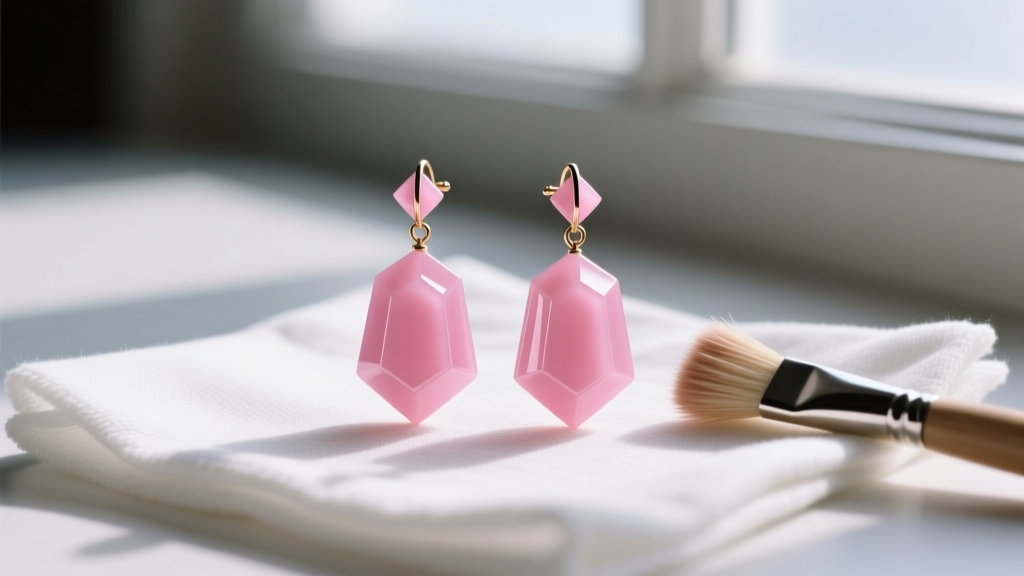
- For Rhinestones: Use a completely dry, soft-bristled baby toothbrush or makeup brush to gently sweep away dust and skin oils from the prongs. Never use water, Windex, or ammonia.
- For Bakelite: Wipe gently with a barely damp microfiber cloth and a drop of mild dish soap. Dry immediately. Never use alcohol-based cleaners, which will cause the plastic to crack and craze over time.
- For Rose Gold: Soak only the metal components (avoiding any porous gemstones like coral or opals) in warm water and mild soap, then polish with a jeweler's cloth.
Styling Vintage Pink Earrings for Everyday Wear
The key to styling vintage pink earrings in 2026 without looking like you are wearing a theatrical costume is contrast. Because vintage pink pieces—especially Mid-Century AB rhinestones and Art Deco Bakelite—are inherently ornate and romantic, they pair best with modern, minimalist, or structured clothing.
Try pairing oversized 1950s pink rhinestone clip-ons with a crisp, oversized white button-down shirt and a structured blazer. The sharp tailoring of the clothing grounds the sparkle of the earrings, making them look like an intentional, high-fashion statement rather than a period reenactment. For delicate 1930s pink Bakelite drops, wear them with a simple ribbed knit turtleneck and vintage denim to let the unique carving and warm pink hue take center stage.
By understanding the historical markers, respecting the material limitations, and prioritizing piercing safety, you can confidently build a stunning, authentic collection of vintage pink earrings that will last for generations.


