The Biomechanics of Ms Frizzle Earrings: A Technical Guide
Explore the engineering of Ms Frizzle earrings. Learn about weight distribution, hypoallergenic posts, and lobe support for heavy novelty dangles.

The Magic School Bus Aesthetic: More Than Just Enamel
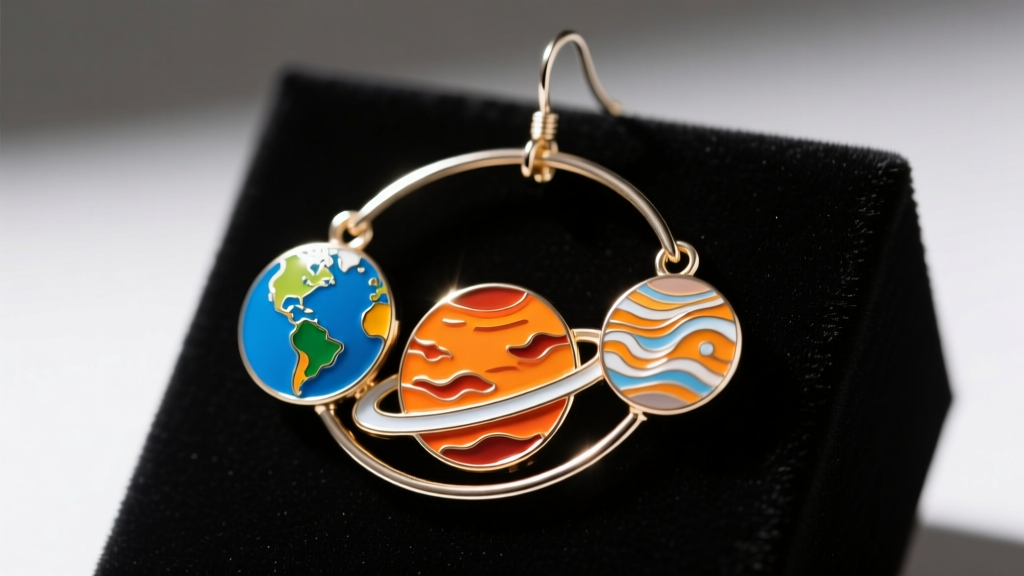
When discussing iconic jewelry in pop culture, Ms Frizzle earrings immediately come to mind. The beloved educator from The Magic School Bus is famous for her thematic, whimsical, and often oversized dangle earrings featuring everything from the solar system and metamorphosing frogs to complex magnetic fields. While these pieces are a masterclass in visual storytelling, translating this aesthetic into real-world, wearable jewelry requires a deep understanding of material science, biomechanics, and structural engineering. Wearing a two-inch die-cast brass volcano or a multi-layered acrylic food chain dangle is not merely a fashion choice; it is a physical load-bearing exercise for the human earlobe.
In this technical deep dive, we deconstruct the engineering required to design, fabricate, and safely wear heavy novelty earrings. We will examine the metallurgical realities of commercial novelties, the physics of lobe torque, and the precise hardware upgrades necessary to prevent structural failure and tissue damage.
Material Science: Zamak, Brass, and Vitreous Enamel
The vast majority of mass-produced thematic earrings are manufactured using Zamak, a family of zinc alloys (typically Zamak #3 or #5) that contain small amounts of aluminum, magnesium, and copper. Zamak is favored for its low melting point (around 385°C) and exceptional fluidity in die-casting molds, allowing for the high-detail reproduction of a Tyrannosaurus rex skull or a microscopic tardigrade. However, Zamak is inherently heavy and porous. A solid cast Zamak earring measuring 50mm x 30mm can easily exceed 25 grams, which is well beyond the comfortable threshold for an unreinforced earlobe.
For higher-end Ms Frizzle-inspired pieces, jewelers opt for stamped or cast brass (an alloy of copper and zinc). Brass provides superior tensile strength and can be finished with vitreous enamel (glass powder fused at 800°C) rather than cheap epoxy resins. Vitreous enamel is highly resistant to UV degradation and chemical solvents, ensuring that a vibrant planetary nebula design will not yellow or chip after years of wear. The trade-off is that brass and glass add significant mass, necessitating rigorous weight-management strategies in the earring's architecture.
The Post Problem: Nickel Allergies and the Cheese-Cutter Effect
The most critical failure point in commercial novelty earrings is the ear post. To cut costs, manufacturers frequently solder 20-gauge (0.8mm) or 22-gauge (0.6mm) nickel-plated steel posts to heavy die-cast bodies. This presents two severe issues:
- Allergic Contact Dermatitis: Nickel is a primary sensitizer. According to the American Academy of Dermatology, prolonged exposure to nickel in jewelry is a leading cause of allergic contact dermatitis, resulting in erythema, vesicles, and chronic tissue scarring around the fistula.
- The Cheese-Cutter Effect: A 22-gauge wire has a surface area contact point so small that the downward force of a 20-gram earring concentrates immense pressure on the lower edge of the piercing canal. Over time, this literal slices through the tissue, a phenomenon documented in dermatological studies on heavy jewelry wear (National Center for Biotechnology Information).
The Expert Solution: Any jeweler fabricating heavy thematic dangles must upgrade the post to an 18-gauge (1.0mm) or 16-gauge (1.2mm) wire made from ASTM F136 implant-grade titanium. Titanium's high strength-to-weight ratio and absolute biocompatibility eliminate both the allergy risk and the structural shear threat.
Lobe Biomechanics and Torque Distribution
To understand how to safely wear Ms Frizzle-style statement pieces, we must apply basic physics to earlobe anatomy. The earlobe consists of loose areolar connective tissue and fat, lacking the rigid cartilage found in the upper ear. When a heavy dangle earring is worn, it does not merely pull straight down; it creates rotational torque on the fistula.
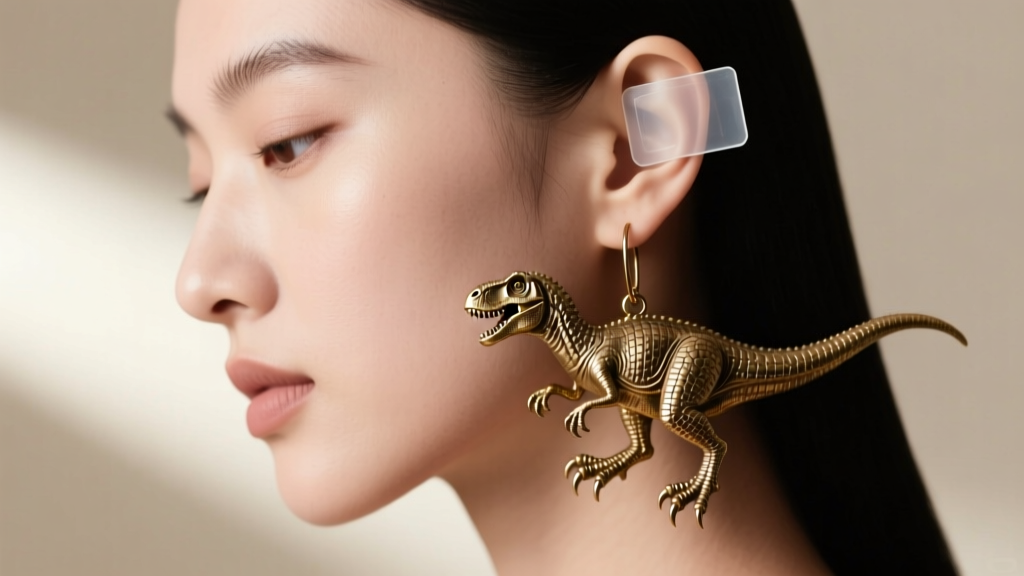
Torque is calculated as Force × Distance. If a brass dinosaur earring weighs 15 grams (approx. 0.147 Newtons) and its center of mass hangs 45 millimeters below the piercing, the rotational force exerted on the lower tissue of the piercing canal is highly concentrated. This constant pendulum motion—exacerbated by walking or talking—causes micro-tears in the collagen matrix of the lobe, leading to permanent elongation.
Weight Thresholds and Support Mechanisms
To mitigate biomechanical stress, jewelers and wearers must categorize novelty earrings by weight and deploy appropriate support hardware. The following table outlines the engineering thresholds for standard, unreinforced earlobes:
| Weight Class | Mass Range | Post Gauge Requirement | Required Support Hardware |
|---|---|---|---|
| Light Novelties | 1g – 7g | 20G (0.8mm) Titanium | Standard friction backs or silicone stoppers |
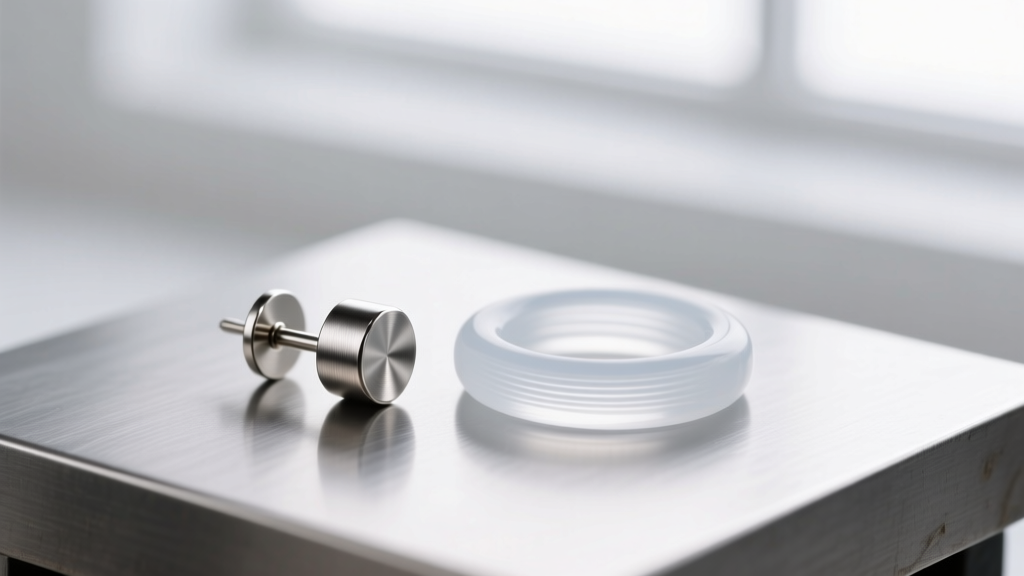
| Medium Dangles | 8g – 15g | 18G (1.0mm) Titanium | Wide-base silicone O-rings or jumbo disc backs |
| Heavy Statements | 16g – 30g+ | 16G (1.2mm) Titanium | Adhesive earlobe support patches + screw-backs |
For pieces in the "Heavy Statements" category, such as a multi-tiered acrylic water cycle mobile, adhesive earlobe support patches (made from medical-grade polyurethane tape with a pre-punched hole) are mandatory. These patches distribute the localized torque across a 20mm surface area of the posterior lobe, effectively neutralizing the cheese-cutter effect.
Engineering Your Own Thematic Dangles
For independent jewelers looking to capture the educational whimsy of Ms Frizzle earrings without compromising structural integrity, the fabrication workflow must be meticulously planned. The connection points between the main body and the ear wire are the most common sites of catastrophic failure.
Fabrication Workflows and Kinetic Dampening
When designing a kinetic earring—such as a solar system where the planets spin independently—the use of standard open jump rings is a critical error. The constant friction of spinning metal components will cause an open jump ring to twist apart, dropping a die-cast Saturn onto the floor. Instead, engineers must use soldered closed jump rings or riveted micro-hinges for all kinetic articulation points.
Furthermore, heavy dangles are prone to acoustic resonance and excessive swinging, which can strike the jawline or neck. To introduce kinetic dampening, jewelers can incorporate micro-bead chains or textured silicone grommets at the primary articulation joint. This introduces just enough friction to slow the pendulum swing of a heavy brass magnet earring without completely immobilizing its intended movement.
Maintenance and Structural Integrity
Novelty earrings often feature mixed-media assemblies, such as glass cabochons glued into brass bezels, or acrylic layers bonded with cyanoacrylate (CA) adhesives. Environmental factors severely impact these assemblies. Cyanoacrylate becomes brittle over time and degrades rapidly when exposed to the oils and slight acidity of human skin (which typically rests at a pH of 4.7 to 5.75).
To ensure the longevity of thematic dangles, manufacturers should avoid CA glue for load-bearing joints. Instead, two-part optical epoxies (which offer higher shear strength and UV resistance) or mechanical bezel settings should be utilized. Wearers should routinely inspect the solder joints connecting the post to the earring body. A microscopic crack in a lead-free silver solder joint will propagate rapidly under the cyclic loading of daily wear, ultimately resulting in the loss of the piece.
Conclusion
The magic of Ms Frizzle earrings lies in their ability to turn complex scientific concepts into wearable art. However, translating these imaginative designs into physical objects requires a rigorous adherence to the laws of physics and human anatomy. By upgrading to implant-grade titanium posts, calculating torque distribution, and utilizing proper support hardware, both jewelers and enthusiasts can ensure that these educational statement pieces remain as structurally sound as they are visually spectacular. True style is not just about the aesthetic; it is about the flawless engineering that allows the aesthetic to exist in the real world.


