Types of Earring Closures: 2026 Trend & Security Guide
Discover the top types of earring closures in 2026. Compare security, style trends, and failure modes for studs, hoops, and fine jewelry.

The 2026 Paradigm Shift: Closures as a Style and Security Statement
In the contemporary jewelry landscape, the hardware that secures your earrings is no longer an afterthought. As we navigate the style trends of 2026, the 'quiet luxury' movement and the rise of active, high-net-worth lifestyles have forced a massive evolution in earring engineering. Consumers are no longer willing to risk five-figure diamond studs on flimsy friction backs, and the aesthetic demand for seamless, invisible profiles has pushed jewelry manufacturers to rethink structural integrity from the ground up.
Understanding the different types of earring closures is now a critical component of jewelry literacy. Whether you are investing in heavy carat-weight drops, navigating the complexities of cartilage piercings, or simply seeking everyday comfort, the closure mechanism dictates the lifespan, security, and wearability of the piece. This comprehensive analysis breaks down the metallurgy, engineering tolerances, and style trajectories of modern earring backs.
The Autopsy of the Butterfly Back: Why Friction is Failing
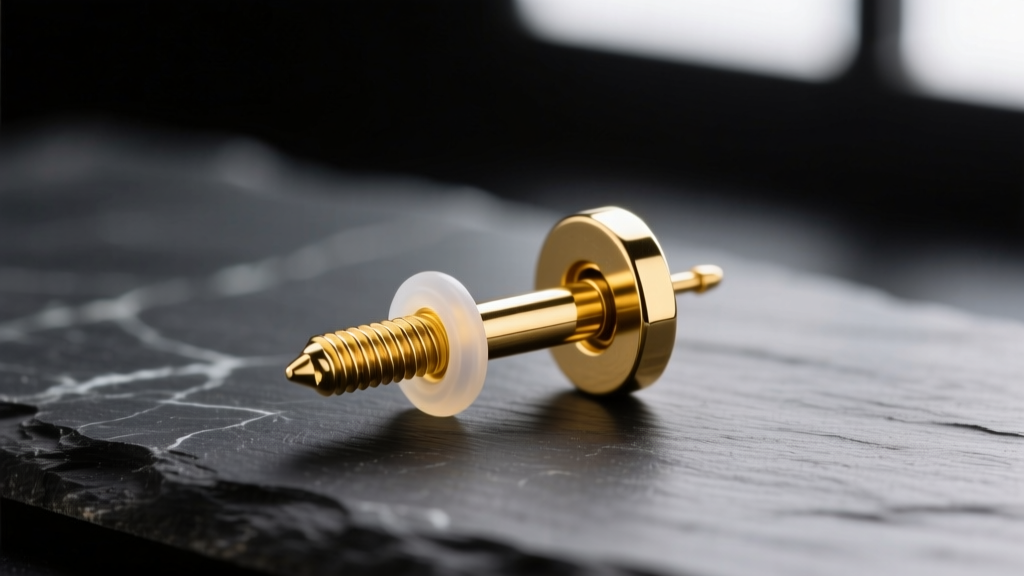
The traditional butterfly back (or friction back) has been the industry standard for over a century, but its dominance is rapidly waning in the fine jewelry sector. The mechanism relies entirely on the tension of a stamped metal scroll gripping a notched post.
- The Gauge Problem: Most standard butterfly backs are paired with 20-gauge (0.81mm) or 18-gauge (1.02mm) posts. In softer metals like 22k or 18k yellow gold, these thin posts are highly susceptible to bending, which ruins the friction notches and compromises the grip.
- Silicone Degradation: The 2020s trend of using silicone O-rings for extra grip has proven problematic. Silicone is porous; it traps sebum, dead skin cells, and bacteria, leading to contact dermatitis and localized infections. Furthermore, UV exposure and cosmetic chemicals cause the silicone to dry rot and snap within 12 to 18 months.
- Tension Loss: Every time a metal butterfly back is pushed on and pulled off, the microscopic prongs stretch. According to manufacturing standards cited by the Gemological Institute of America (GIA), stamped metal backs lose up to 15% of their original tension after 500 cycles, making them a liability for heavy statement earrings.
High-Security Mechanisms Dominating Fine Jewelry
For high-value assets, the industry has pivoted toward mechanical locking systems that rely on precision machining rather than simple tension.
Screw Backs and Thread Pitch Specifics
Screw backs remain the gold standard for security, but not all threads are created equal. A high-quality screw back requires a precise V-thread cut into the post. For a standard 16-gauge (1.2mm) post, the optimal thread pitch is 0.9mm. If the manufacturer cuts the threads too shallow to save on gold weight, the nut will strip within six months of daily wear.
'Material hardness is the invisible variable in screw back longevity. We strongly advise against threading 18k or 22k yellow gold posts, as the Mohs hardness is too low. The nut will eventually ream out the post threads. 14k gold, 18k white gold (alloyed with palladium or nickel for rigidity), or platinum are mandatory for threaded closures.' — Master Bench Jeweler, 2026 Manufacturing Report.
La Pousette and Push-Pull Mechanisms
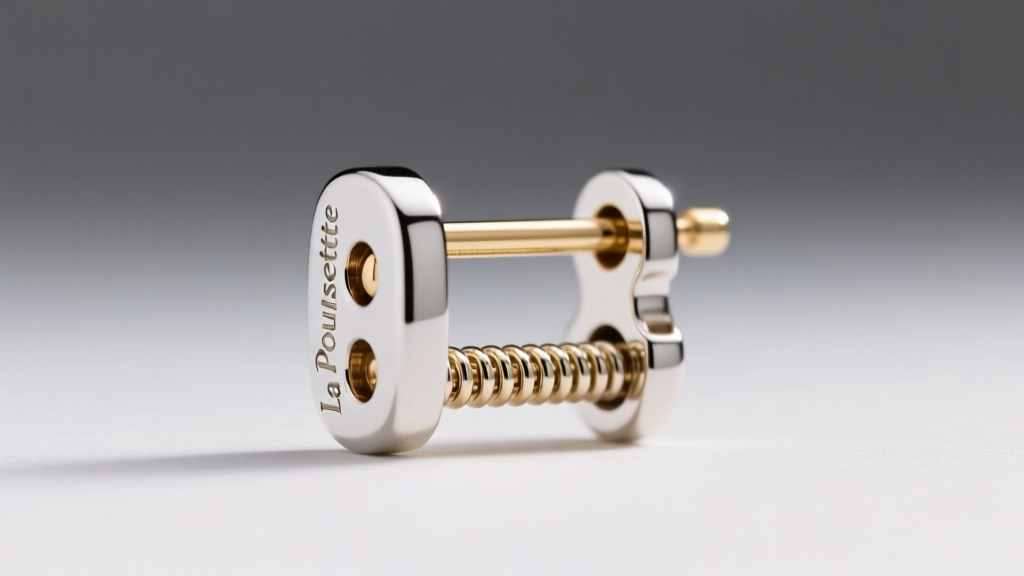
Originally patented in the late 20th century, the La Pousette (or push-pull) closure is experiencing a massive renaissance in 2026 bespoke jewelry. This mechanism features a hollow cylindrical back containing two internal beryllium-copper springs. When you push the back onto the post, the springs compress into the notches, locking it in place. To remove it, you must pinch the two external tabs to retract the springs.
Market Reality: The engineering required for La Pousette backs is immense. Expect a price premium of $180 to $350 per pair just for the locking mechanisms when added to custom fine jewelry. However, for diamond studs over 2.0 carats total weight, this investment is non-negotiable for insurance and peace of mind.
Cartilage and Hoop Innovations: The Clicker Revolution
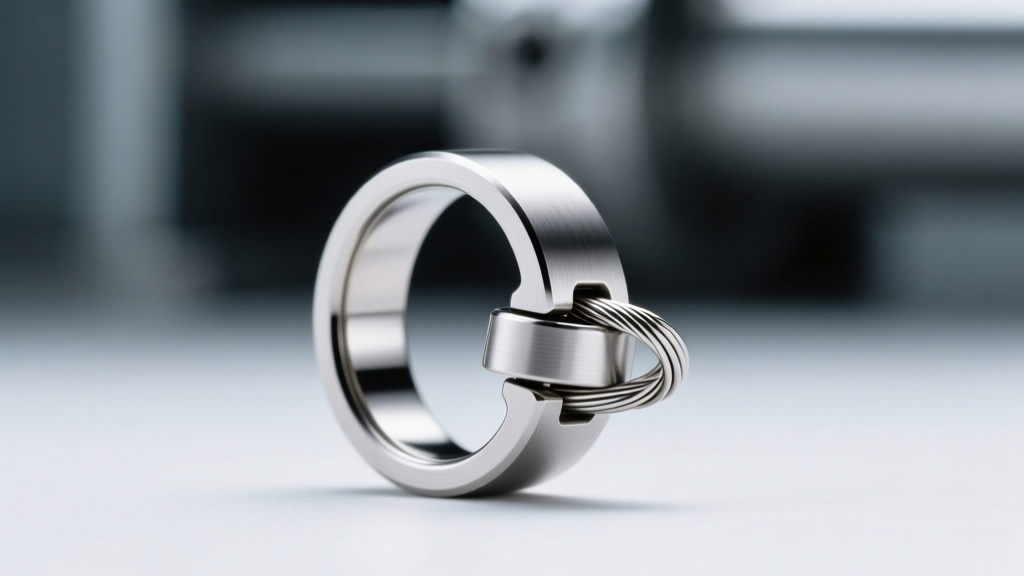
The explosion of curated ear projects and multiple cartilage piercings has driven innovation in hoop closures. The traditional captive bead ring (CBR), which requires pliers and immense grip strength, has been entirely eclipsed by the hinged segment ring, universally known as the 'clicker'.
Clickers feature a microscopic hinge on one side and a tension-based latch on the other. When closed, they produce an audible 'click,' confirming the latch is seated. According to the Association of Professional Piercers (APP), premium clickers must be milled from ASTM F136 implant-grade titanium or niobium to prevent galvanic reactions in healing cartilage. The hinge tolerance on a high-end clicker is often less than 0.05mm, ensuring a completely seamless joint that will not snag on hair or towels.
For larger diameter hoops (over 20mm) worn in the lobe, the hinged snapback with a hidden locking clasp is the 2026 trend of choice, offering the continuous look of an endless hoop with the security of a mechanical latch.
Comprehensive Closure Comparison Matrix
To make informed purchasing decisions, reference this structural matrix detailing the performance metrics of modern earring closures.
| Closure Type | Security Rating (1-5) | Ideal Gauge / Use Case | Metal Recommendation | Primary Failure Mode |
|---|---|---|---|---|
| Butterfly (Friction) | 2 | 20g - 18g / Lightweight Studs | 14k Gold, Stainless Steel | Loss of metal tension; post bending |
| Screw Back | 4.5 | 16g - 14g / Heavy Studs | Platinum, 14k/18k White Gold | Thread stripping; cross-threading |
| La Pousette | 5 | 16g - 12g / High-Value Diamonds | Platinum, 18k Gold Alloys | Internal spring fatigue (rare) |
| Hinged Clicker | 4 | 16g - 14g / Cartilage & Septum | ASTM F136 Titanium, Niobium | Hinge pin snapping under torque |
| Omega Clip | 2.5 | N/A / Vintage & Button Earrings | 18k Gold (requires thick casting) | Tension wire losing elasticity |
Troubleshooting Common Closure Failures
Even the most expensive engineering can fail if maintained improperly. Here is how to troubleshoot the most common issues encountered with premium closures:
- Stuck Screw Backs: Never use pliers, which will mar the precious metal. Apply a microscopic drop of synthetic watch oil to the threads, let it sit for ten minutes, and use a textured rubber jar opener to grip the nut. The rubber provides immense torque without scratching the gold.
- Loose Clicker Latches: If your titanium clicker no longer 'clicks' and feels loose, the latch tab has likely compressed. Using a pair of nylon-jaw jewelry pliers, gently bend the male latch tab outward by a fraction of a millimeter. Do not use steel pliers, as they will scratch the titanium oxide layer.
- Push-Pull Slippage: If a La Pousette back slides off too easily, the notches on your earring post may be worn down, or the internal springs are clogged with lotion. Soak the back in warm water with a drop of mild dish soap, and use a soft toothbrush to clear the debris from the post notches.
Final Verdict: Matching Closure to Lifestyle
The year 2026 has definitively proven that one closure type does not fit all. For the minimalist wearing lightweight, everyday titanium studs, a precision-machined friction back with a flat disc (to prevent poking while sleeping) remains perfectly adequate. However, for heirloom jewelry, heavy gemstone drops, and active lifestyles, the transition to mechanical locks like screw backs and La Pousette mechanisms is a necessary evolution. By understanding the metallurgy and engineering behind these tiny components, you ensure that your jewelry remains securely in place, allowing the design itself to take center stage.


