Vintage Red Coral Earrings: 2026 Trend Revival & Guide
Discover the 2026 revival of vintage red coral earrings. Learn to authenticate eras, navigate CITES rules, and style these organic gems.

The 2026 Revival: Heritage Maximalism Meets Organic Gems
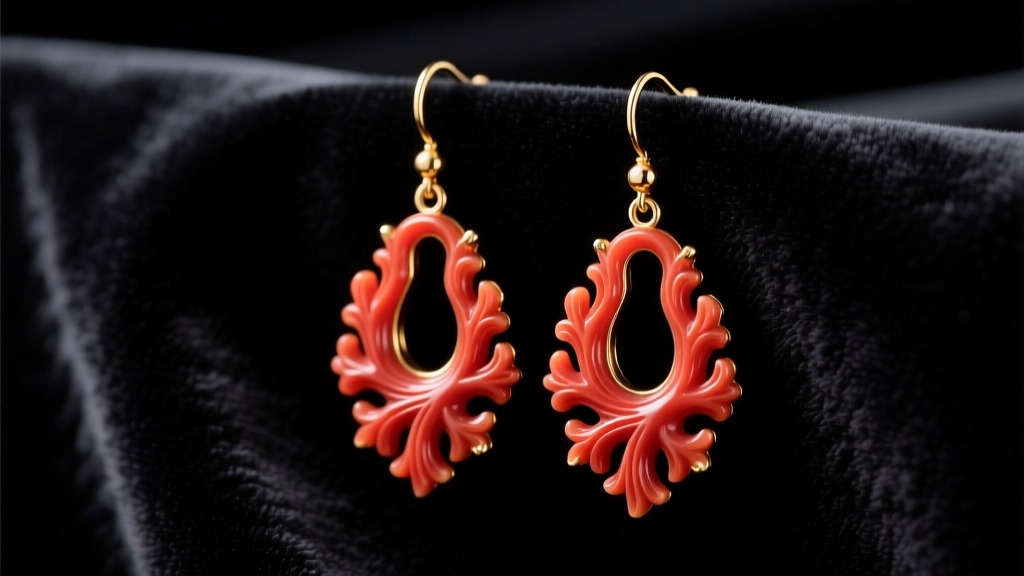
In the landscape of 2026 jewelry trends, the pendulum has swung decisively away from the ultra-minimalist aesthetics of the early 2020s toward what industry analysts are calling 'heritage maximalism.' At the forefront of this movement are vintage red coral earrings. Unlike the mass-produced, uniform accessories of the fast-fashion era, genuine antique coral offers an unrepeatable organic texture, deep historical provenance, and a striking visual warmth that synthetic alternatives simply cannot replicate. According to recent auction data from major heritage houses, prices for authenticated Art Deco and Victorian coral earrings have appreciated by 18% to 24% over the last three years, driven by a new generation of collectors who value sustainability, rarity, and artisanal craftsmanship.
However, navigating the vintage coral market requires a sophisticated understanding of gemology, historical design periods, and international trade regulations. Whether you are hunting for a pair of 19th-century Sardinian cameos or bold 1940s Retro-era clip-ons, this comprehensive guide will equip you with the expert knowledge needed to authenticate, evaluate, and style vintage red coral earrings with absolute confidence.
Decoding Authenticity: Genuine vs. Treated Coral
The most critical skill for any vintage jewelry collector is distinguishing genuine Mediterranean red coral (Corallium rubrum) from the myriad of treated, dyed, or simulated alternatives that flood the market. As an organic gemstone formed by marine polyps, coral possesses unique gemological signatures that trained eyes and loupes can easily identify.
The Gemological Profile of Genuine Red Coral
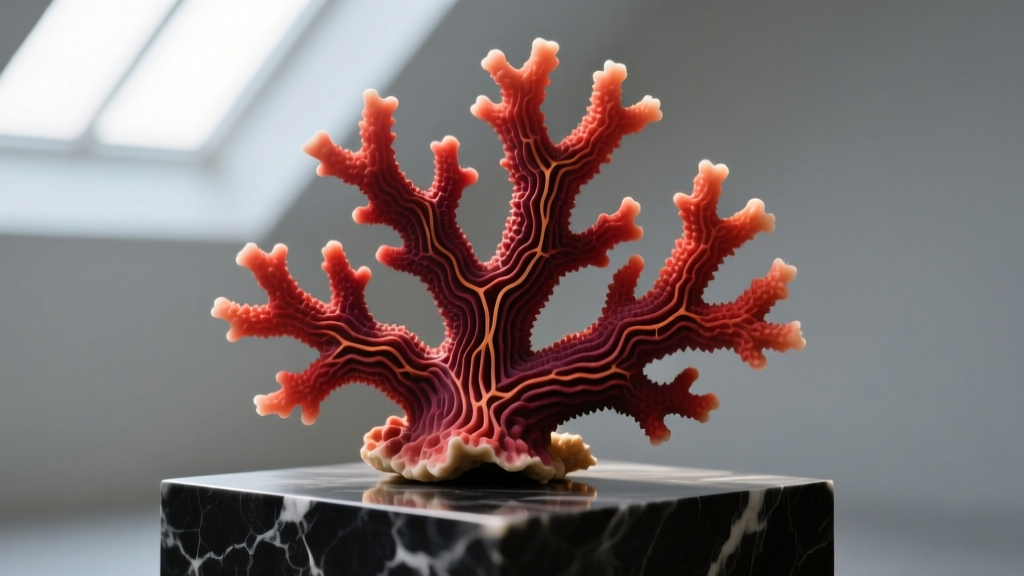
Genuine Corallium rubrum exhibits a specific gravity of 2.60 to 2.70 and a Mohs hardness of 3.5 to 4.0, making it relatively soft and susceptible to scratching. Under 10x magnification, authentic red coral reveals a distinct 'wood-grain' or cross-hatch pattern—a result of its natural radial and concentric growth structure. Furthermore, because it is composed primarily of calcium carbonate, genuine coral will effervesce (fizz) slightly when exposed to a weak hydrochloric acid solution, though this destructive test is never recommended for finished vintage jewelry.
Common Imitations and Enhancements
- Dyed Bamboo Coral: Often sold as 'red coral,' bamboo coral is a different, more porous species that is bleached and dyed using organic dyes or potassium permanganate. Under magnification, the dye concentrates in the porous channels, creating a spiderweb or dotted pattern rather than a natural wood-grain.
- Sponge Coral: This highly porous variety is frequently stabilized with epoxy resins and dyed. It lacks the smooth, polished luster of Mediterranean coral and often exhibits a pitted, unnatural surface texture.
- Glass and Plastic Simulants: Glass will feel significantly heavier (higher specific gravity) and colder to the touch, while plastic will show mold marks and lack any natural growth patterns.
For definitive verification, the Gemological Institute of America (GIA) recommends relying on advanced spectroscopic analysis to detect synthetic dyes, ensuring your vintage investment is entirely natural.
Era-Specific Styling: A Historical Breakdown
Vintage red coral earrings are not a monolith; their design language shifts dramatically depending on the era in which they were crafted. Understanding these historical nuances is essential for accurate valuation and period-appropriate styling.
| Era | Design Characteristics | Metal Pairings | Estimated Market Range (2026) |
|---|---|---|---|
| Victorian (1837-1901) | Intricately hand-carved cameos, floral motifs, and romantic drop shapes. Often features mythological figures or cherubs. | 14k or 15k Yellow Gold, Pinchbeck | $800 - $4,500+ |
| Art Deco (1920-1939) | Geometric inlays, cabochon cuts, bold contrast. Frequently paired with onyx, jade, or diamonds for high-contrast maximalism. | Platinum, White Gold, 18k Yellow Gold | $2,500 - $12,000+ |
| Retro (1940-1950) | Bold, voluminous goldwork, sweeping curves, and large polished coral cabochons. Clip-on backs became standard due to metal rationing. | 14k Rose Gold, 14k Yellow Gold | $1,200 - $5,000 |
The craftsmanship of the Italian town Torre del Greco is particularly prized among Victorian and Art Deco pieces. Known as the historic capital of coral cameo carving, pieces bearing the subtle hallmarks of Neapolitan artisans command a significant premium in today's market.
Ethical Sourcing and the CITES Impact
You cannot discuss vintage coral in 2026 without addressing the regulatory environment. Over-harvesting and ocean acidification have severely depleted natural Corallium rubrum populations. Consequently, the trade of many coral species is strictly regulated under the Convention on International Trade in Endangered Species (CITES).
For vintage collectors, this creates a unique market dynamic. Antique coral earrings (generally defined as being over 100 years old, or pre-dating 1947 under specific CITES exemptions) are legally tradable and highly sought after precisely because no new material can be ethically or legally harvested to replicate them. When purchasing vintage coral across international borders, always request a CITES pre-Convention certificate or a documented appraisal proving the item's antique status to avoid customs seizures. This scarcity is the primary engine driving the 2026 price surge; you are not just buying jewelry, you are acquiring a finite, non-renewable historical artifact.
How to Style Vintage Red Coral Earrings Today
Styling vintage coral requires balancing its inherent visual weight and warm, orangey-red undertones with modern wardrobe choices. The rich, earthy hue of genuine Mediterranean coral acts as a spectacular neutral-warm accent.
Face Shape and Silhouette Considerations
- Round Faces: Opt for elongated Victorian drop earrings or Art Deco geometric dangles. The vertical lines will draw the eye downward, creating a lengthening effect that balances wider cheekbones.
- Angular/Square Faces: Embrace the sweeping, curved lines of 1940s Retro-era coral cabochons in rose gold. The soft, rounded organic shapes will beautifully offset sharp jawlines.
- Oval Faces: You have the versatility to wear almost any silhouette, from bold Art Deco studs to elaborate chandelier drops. Consider coral hoops with inlaid gold detailing for a contemporary twist on a vintage classic.
Color Theory and Wardrobe Pairing
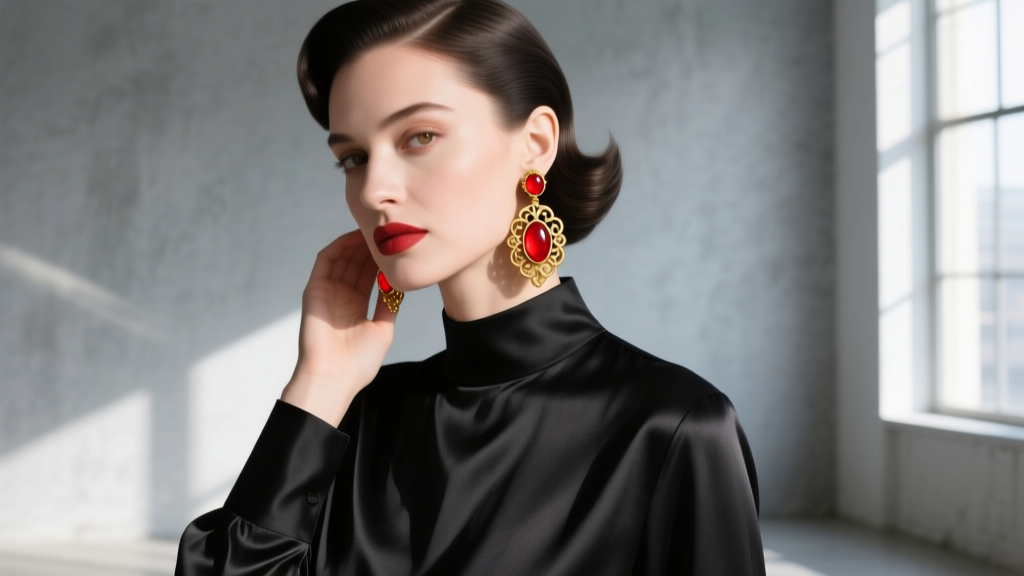
Red coral pops most vibrantly against deep, cool-toned backgrounds. In 2026, the 'quiet luxury' trend has popularized rich navy wools, charcoal cashmeres, and deep emerald silks. Pairing a bold pair of Retro coral clip-ons with a minimalist black silk blouse or a cream-colored cashmere turtleneck allows the organic gemstone to serve as the undisputed focal point of your ensemble. Avoid pairing coral with competing warm, loud prints; let the historic craftsmanship speak for itself.
Care and Maintenance for Porous Organics
Because coral is a porous organic material with a low Mohs hardness, it requires specialized care to preserve its polish and structural integrity over the decades.
Expert Warning: Never place vintage coral earrings in an ultrasonic cleaner. The high-frequency vibrations can easily fracture the internal growth structures, and the heat from the cleaning solution can alter the stone's natural color or damage historical epoxy treatments.
Instead, clean your vintage coral earrings using a soft, lint-free microfiber cloth slightly dampened with distilled water. Gently wipe the surface to remove skin oils, cosmetics, and environmental pollutants, which can slowly degrade the calcium carbonate over time. Always apply perfumes, hairsprays, and acidic skincare products before putting on your coral jewelry. When storing, keep them in a soft velvet pouch separate from diamonds, sapphires, or harder metals that could easily scratch the coral's delicate surface. By treating these organic treasures with the respect they demand, you ensure they remain pristine for the next generation of collectors.


