Wedding Guest Earrings: Technical Guide to Comfort & Metals
Discover the technical specs for wedding guest earrings. Learn about ASTM titanium grades, lobe weight limits, and hypoallergenic metal choices.

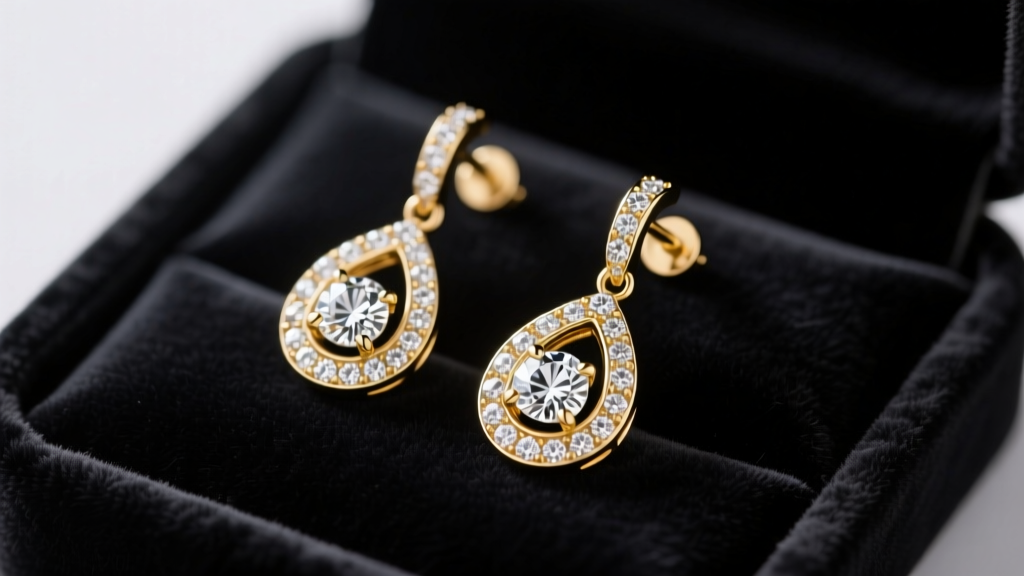
Selecting the perfect wedding guest earrings is rarely just an exercise in aesthetic coordination; it is a complex calculation involving materials science, biomechanics, and dermatological safety. As we navigate the 2026 wedding season, the modern guest faces itineraries that frequently span 10 to 14 hours, transitioning from outdoor ceremonies to high-energy receptions. Under these conditions, poorly engineered jewelry inevitably fails. The earring post bends, the friction clutch slips, or the metal alloy triggers a delayed contact dermatitis flare-up. This expert deep dive bypasses superficial style advice to examine the structural and metallurgical realities of long-wear earrings, ensuring your jewelry remains as comfortable at the final dance as it was during the first look.
The Biomechanics of Earlobe Suspension
The human earlobe is composed primarily of fibrofatty tissue, lacking the rigid cartilage framework found in the upper ear. This makes it highly pliable but susceptible to tensile fatigue. When you wear drop or dangle wedding guest earrings, the lobe acts as a suspension bridge bearing a dynamic load. Every time you turn your head, hug a relative, or dance, kinetic drag amplifies the static weight of the earring. Over a 12-hour period, this repetitive micro-trauma can cause the piercing channel to stretch, leading to the dreaded "earlobe droop" where the jewelry hangs at an awkward, downward angle.
To mitigate this, we must evaluate the center of gravity and the post gauge. A standard ear piercing is performed at 20-gauge (0.81mm) or 18-gauge (1.02mm). If a heavy chandelier earring utilizes a thin 22-gauge (0.64mm) post to save material costs, the post will inevitably warp under kinetic stress, creating a sharp edge that microscopically tears the fistula (the healed skin tube of the piercing).
Weight-to-Wear Ratio Matrix
Understanding the safe weight limits for standard, un-stretched earlobes is critical for all-day comfort. The following data table outlines the maximum recommended weights based on structural style:
| Earring Style | Average Weight (Per Pair) | Max Safe Wear Time | Minimum Recommended Gauge |
|---|---|---|---|
| Stud / Huggie | 1.5g - 3.0g | Unlimited (24+ hours) | 20g (0.81mm) |
| Medium Drop | 4.0g - 6.0g | 8 - 10 Hours | 18g (1.02mm) |
| Chandelier / Long Dangle | 7.0g - 10.0g | 4 - 6 Hours | 16g (1.29mm) or reinforced 18g |
Note: If your chosen wedding guest earrings exceed 6 grams per pair, it is highly recommended to utilize an earlobe support patch (a small, adhesive, invisible backing) to distribute the tensile load across a wider surface area of the lobe.
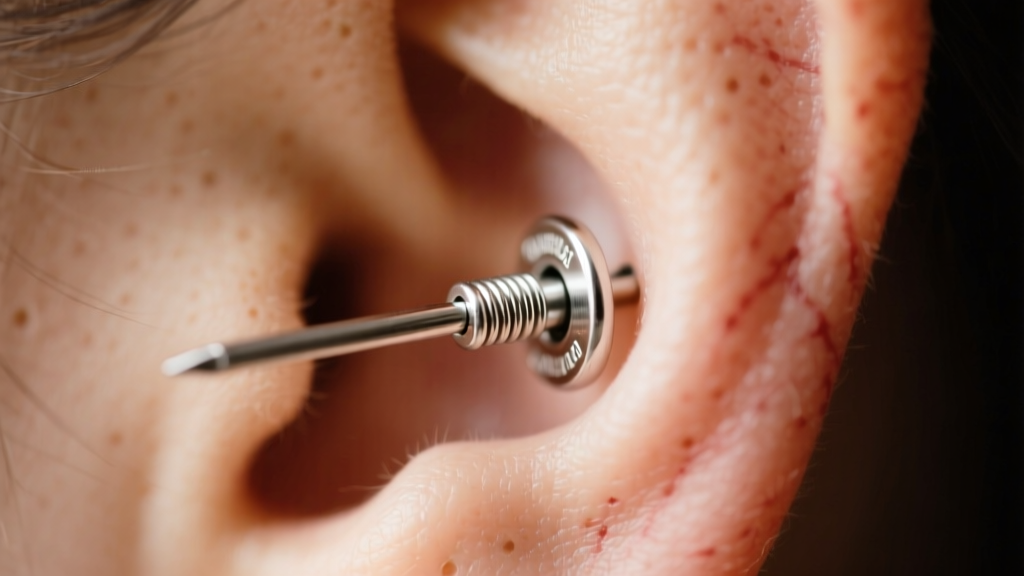
Metallurgical Realities: Sweat, Friction, and Alloys
The environment of a wedding reception is inherently hostile to base metals. Elevated body temperature, perspiration, humidity, and the application of perfumes or hairsprays create a highly reactive chemical bath against your skin. This is where the metallurgical composition of your wedding guest earrings dictates whether you end the night comfortably or with inflamed, weeping piercings.
The Nickel Migration Problem in Gold Alloys
Pure 24k gold is entirely hypoallergenic, but it is far too soft for jewelry fabrication. Therefore, it is alloyed with other metals to increase tensile strength. 18k gold contains 75% pure gold and 25% alloy metals, while 14k gold contains 58.3% pure gold and 41.7% alloys. Historically, nickel was the alloy of choice to create white gold and increase the hardness of yellow gold. However, nickel is a potent sensitizer. According to the Mayo Clinic, nickel allergy is one of the most common causes of allergic contact dermatitis. When sweat interacts with nickel-containing alloys, nickel ions leach into the skin, triggering an immune response that can manifest hours after the initial exposure—often ruining the latter half of the wedding day.
In 2026, reputable jewelers adhere strictly to the EU Nickel Directive (EN 1811:2011), which limits nickel migration to 0.2 µg/cm²/week. When purchasing white gold wedding guest earrings, always verify that the alloy utilizes palladium or manganese instead of nickel, and ensure the rhodium plating is thick enough to prevent premature wear-through during a long event.
The Gold Standard: ASTM F136 Titanium
For guests with hyper-sensitive piercings or newly healed fistulas, implant-grade titanium is the ultimate safeguard. However, not all titanium is created equal. Commercially pure titanium (ASTM F67) is acceptable, but ASTM F136 (Ti-6Al-4V ELI) is the premier medical-grade alloy used in surgical implants. It possesses a highly stable oxide layer that completely resists corrosion from human sweat and cosmetic chemicals. If you are wearing heavy, elaborate wedding guest earrings that put stress on the piercing channel, an ASTM F136 post will guarantee zero inflammatory response, regardless of how much you perspire on the dance floor.
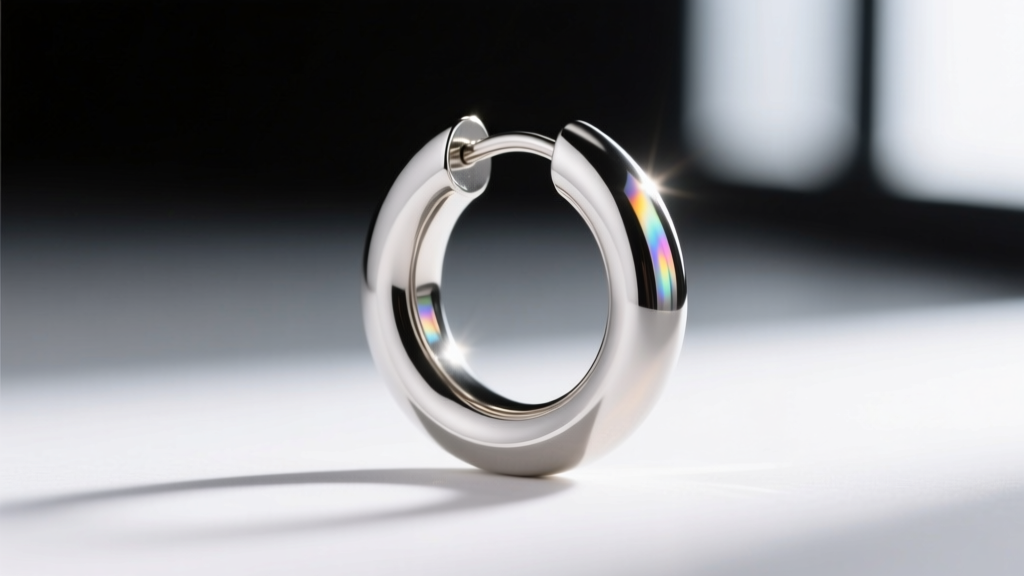
Structural Failure Points in Earring Closures
The most technically brilliant earring design is rendered useless if the closure mechanism fails. The standard "butterfly" or friction back relies entirely on the tension of a bent metal tab or a degrading silicone o-ring. Over the course of a 12-hour wedding, the friction coefficient drops due to skin oils and movement, leading to catastrophic loss. Screw-backs offer better security but are prone to cross-threading; if a guest forces a misaligned screw-back, they will strip the micro-threads, permanently damaging the earring post.
For high-value or heavy drop wedding guest earrings, the La Pousette clutch is the superior engineering choice. Originally developed in Paris, the La Pousette mechanism functions like a camera shutter. It utilizes dual internal springs that lock into a precision-milled groove on the earring post. To remove it, the user must squeeze two microscopic side tabs simultaneously. This dual-action requirement makes it physically impossible for the earring to dislodge accidentally during hugs, wardrobe changes, or vigorous dancing, providing unparalleled peace of mind for the wearer.
Cartilage Considerations: Helix and Tragus Dynamics
Many modern wedding guests sport curated ear projects featuring helix, tragus, or conch piercings. Cartilage is avascular, meaning it lacks a direct blood supply and relies on surrounding tissue for healing and inflammation management. It is also highly rigid. When selecting cartilage wedding guest earrings, the inner diameter of hoops and the post length of studs are critical metrics.
A standard helix piercing requires a hoop with an inner diameter of at least 8mm to 10mm. If a guest wears a rigid 6mm huggie in a helix piercing for 12 hours, normal daily fluctuations in bodily swelling (exacerbated by sodium intake from wedding catering and alcohol) will cause the jewelry to compress the tissue. This pressure necrosis can lead to localized cartilage bumps (hypertrophic scarring). Furthermore, cartilage piercings are typically done at 16-gauge (1.29mm) or 14-gauge (1.60mm). Attempting to force a delicate 18-gauge earring post into a 16-gauge cartilage channel will cause micro-tearing and immediate discomfort. Always verify the exact gauge of your cartilage piercings with a digital caliper before purchasing specialized cartilage wedding guest earrings.
Pre-Event Troubleshooting Checklist
- Verify the Post Gauge: Use a caliper to ensure the post matches your piercing (20g/18g for lobes, 16g/14g for cartilage).
- The Snag Test: Run a piece of silk fabric over the earring. If it catches on the stone settings or the post base, it will catch on delicate wedding attire and lace veils.
- Closure Tension: Test the clutch on a flat surface. If a friction back slides off with less than 2 pounds of lateral pressure, replace it with a silicone locking back or upgrade to a La Pousette system.
- Alloy Confirmation: Request written confirmation from the jeweler that white gold pieces are nickel-free and alloyed with palladium.
By treating your jewelry selection as a technical specification rather than a mere afterthought, you ensure that your wedding guest earrings remain a source of elegance and joy from the ceremony prelude to the final farewell.


