What Are Screw Back Earrings? Fixing Fit & Threading Issues
Learn what screw back earrings are and how to fix common threading issues, cross-threading, and stuck backings with our expert troubleshooting guide.

The Core Question: What Are Screw Back Earrings?
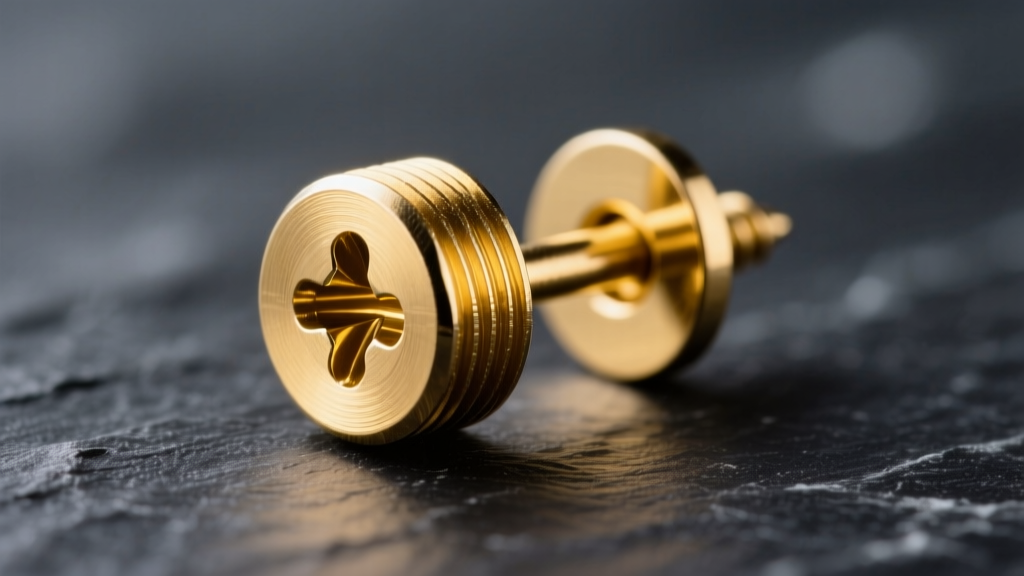
If you have ever invested in high-value diamond studs or heirloom gemstones, you have likely asked, what are screw back earrings and why do jewelers insist on them? Unlike standard friction backs (butterfly clutches) that rely on tension and a grooved post, screw back earrings feature a post with precision-machined male threads and a corresponding backing with female internal threads. The backing literally screws onto the post, creating a mechanical lock that prevents accidental loss.
In fine jewelry, screw backs are typically reserved for stones over 0.50 carats or heavy gold designs where the cost of replacement far outweighs the minor inconvenience of threading. According to the Gemological Institute of America (GIA), secure settings and backings are critical for protecting valuable diamonds from the daily impacts and snags that easily dislodge friction backs. However, this mechanical precision introduces unique vulnerabilities: cross-threading, sebum buildup, and dexterity challenges.
Anatomy of a Threaded Post: Gauges and Pitches
To troubleshoot screw back earrings, you must understand their physical dimensions. The threading is not universal; it varies by gauge (thickness) and manufacturer.
- 18-Gauge (1.0mm): Common for lightweight diamond studs and vintage pieces. Usually features a finer 0.9mm thread pitch.
- 16-Gauge (1.2mm): The standard for modern fine jewelry and high-end body jewelry. Offers a robust thread that resists stripping.
- 14-Gauge (1.6mm): Reserved for heavy statement pieces or cartilage piercings requiring maximum structural integrity.
When mixing and matching posts and backings from different jewelers, a mismatch in thread pitch (the distance between the threads) will cause immediate binding. Always use the backing provided by the original manufacturer.
Common Screw Back Earring Problems & Troubleshooting
While highly secure, threaded earrings require a deliberate approach. Here is how to solve the most frequent issues encountered by collectors and daily wearers.
1. Cross-Threading and Stripped Threads
Cross-threading occurs when the backing is forced onto the post at an angle, cutting a new, misaligned path into the metal. This is most common with softer metals like 24k or 22k gold, though 14k and 18k gold can also suffer if forced.
The Fix: Never apply downward pressure. Place the backing on the post and turn it counter-clockwise (lefty-loosey) until you feel a subtle "click" or drop. This drop indicates the male and female threads have perfectly aligned. Once you feel the drop, reverse direction and screw it on clockwise. If the threads are already stripped, a jeweler can sometimes re-cut them using a specialized micro-die, but often the post must be replaced.
2. Stuck or Overtightened Backings
The earlobe environment is warm and produces sebum (natural oils) and dead skin cells. Over time, this biological matter works its way into the threads and acts like a biological Loctite, cementing the backing in place.
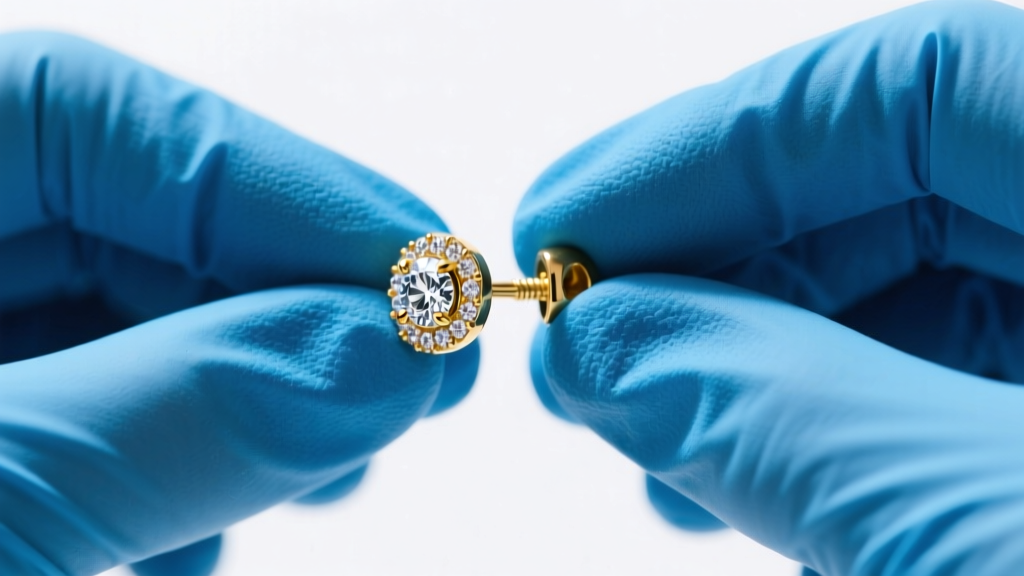
The Fix: Do not use metal pliers, which will mar the gold or platinum finish. Instead, use the Nitrile Glove Technique. Put on a pair of textured blue nitrile medical gloves. The rubber provides immense friction against the smooth metal backing, allowing you to grip and twist without slipping. If the backing remains stuck, soak the earring in warm water with a drop of mild dish soap for 10 minutes to soften the sebum, then try the glove method again.
3. Dexterity and Swelling Challenges
For individuals with arthritis, neuropathy, or limited fine motor skills, aligning a microscopic 16-gauge thread behind the earlobe is incredibly frustrating. Furthermore, if the piercing is swollen, the tissue can swallow the post, leaving no room to thread the backing.
The Fix: Invest in a threading aid or a tapered insertion pin, often used by professional piercers. These tools guide the backing straight onto the post. For swollen piercings, switch to a longer, internally threaded flat-back labret post temporarily until the swelling subsides, as standard screw back posts are often too short to accommodate inflamed tissue.
Material & Hygiene: Hidden Issues in Threaded Posts
The threads on a screw back earring act as a trap for moisture, bacteria, and debris. According to the Association of Professional Piercers (APP), jewelry worn in the body must be made of biocompatible materials that resist corrosion. This is doubly important for threaded components.
Expert Warning: Never purchase gold-plated or vermeil screw back earrings. The friction of screwing and unscrewing the backing will quickly wear away the thin gold plating on the threads, exposing the base metal (often brass or nickel-containing alloys) to your skin. This leads to contact dermatitis and galvanic corrosion, which will permanently fuse the backing to the post.
Always opt for solid 14k/18k gold, platinum, or ASTM F-136 implant-grade titanium. Titanium is exceptionally resistant to corrosion and is lightweight, making it ideal for threaded posts that sit close to the skin.
Comparison: Screw Backs vs. Other Earring Backings
Understanding how screw backs compare to alternatives helps in diagnosing whether they are the right choice for your lifestyle and dexterity.
| Backing Type | Security Level | Ease of Use | Avg. Price Premium | Best Use Case |
|---|---|---|---|---|
| Screw Back | Very High | Moderate (Requires alignment) | +$150 - $300 | High-value diamonds, active lifestyles, travel |
| Friction (Butterfly) | Low to Moderate | Very High (Push-on) | Included (Standard) | Fashion jewelry, low-value studs, children |
| Flat Back (Labret) | High | Moderate (Threading required) | +$40 - $100 | Cartilage piercings, sleeping, 24/7 wear |
| Locking/Snap | High | High (Click mechanism) | +$75 - $150 | Hoops, huggies, men's earrings |
Maintenance Protocol for Longevity
To prevent the "biological Loctite" effect and ensure your threads remain pristine, implement a strict maintenance protocol.
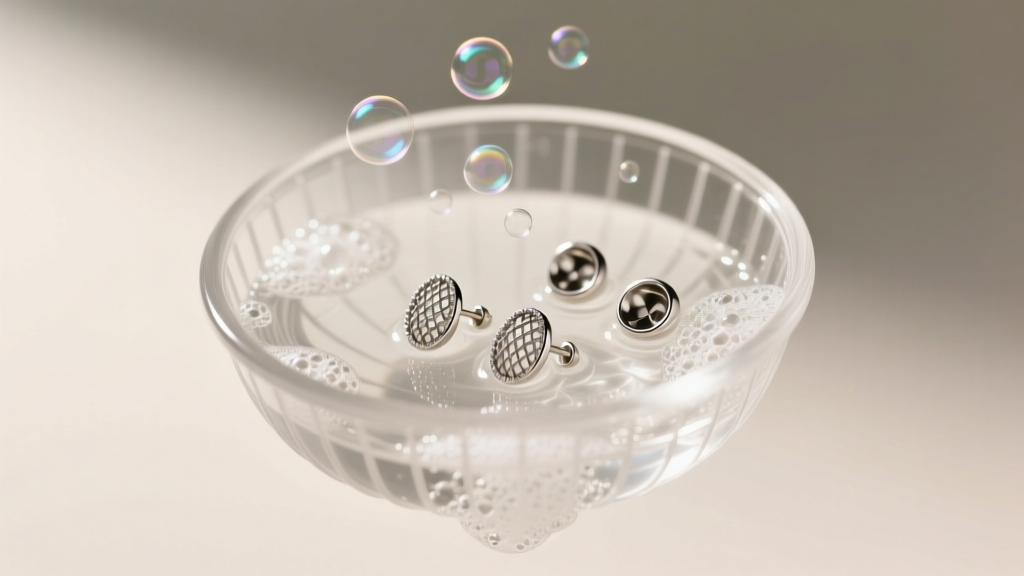
- Weekly Soaks: Remove your earrings weekly and soak them in a small ultrasonic cleaner filled with warm water and a few drops of ammonia-free dish soap. The high-frequency sound waves will vibrate debris out of the microscopic thread grooves without requiring manual scrubbing.
- Soft Brushing: If you do not own an ultrasonic cleaner, use an extra-soft baby toothbrush to gently sweep along the threads of the post. Never use hard-bristled brushes or metal picks, which can bend the delicate male threads.
- Dry Before Threading: Always ensure both the post and the backing are completely dry before reassembling. Trapped moisture accelerates tarnishing in silver alloys and promotes bacterial growth in the piercing channel.
- Proper Storage: Store screw back earrings fully assembled. Leaving the backing off exposes the male threads to impacts in your jewelry box, which can easily dent or warp the metal, rendering the backing unusable.
Final Expert Takeaway
Screw back earrings represent the gold standard for securing valuable fine jewelry. While they demand a bit more patience and dexterity than standard friction backs, the mechanical security they provide is unparalleled. By understanding thread alignment, utilizing the nitrile glove trick for stuck backings, and committing to ultrasonic cleaning, you can ensure your threaded earrings remain secure, hygienic, and functional for a lifetime of wear.


