Which Earring Is the Gay Side? Modern Piercing Guide
Discover which earring is the gay side, explore the history of ear piercing codes, and learn how to choose modern, gender-fluid earrings today.

The History of the "Gay Earring" Code
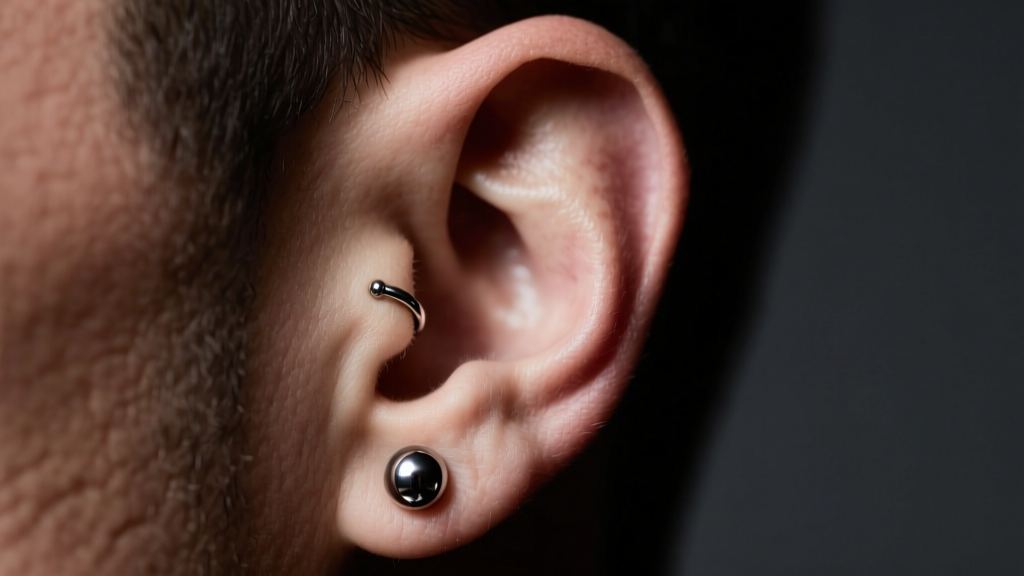
If you have ever found yourself asking which earring is the gay side, you are tapping into a fascinating cultural time capsule. In the 1970s and 1980s, queer men utilized subtle visual cues to signal their sexual orientation to one another while remaining hidden from a largely hostile mainstream society. Much like the hanky code, which used colored bandanas in specific pockets to denote preferences, ear piercings adopted a strict geographical binary.
The prevailing mnemonic of the era was "left is right, and right is wrong" (with "wrong" being a derogatory slang term for homosexual). Consequently, a single piercing on the right earlobe became a widespread, albeit covert, signal of queer identity. However, treating this historical artifact as a modern style rule is not only outdated but fundamentally misunderstands contemporary jewelry and gender expression.
Decoding the Myth: Does the Rule Still Apply?
In 2026, the concept of a "gay ear" is entirely obsolete. The cultural landscape has shifted dramatically. With the mainstreaming of LGBTQ+ rights and the dismantling of rigid gender binaries, jewelry is no longer used as a covert survival mechanism. Today, Gen Z, millennials, and queer individuals approach ear styling as an exercise in personal curation, not sexual signaling.
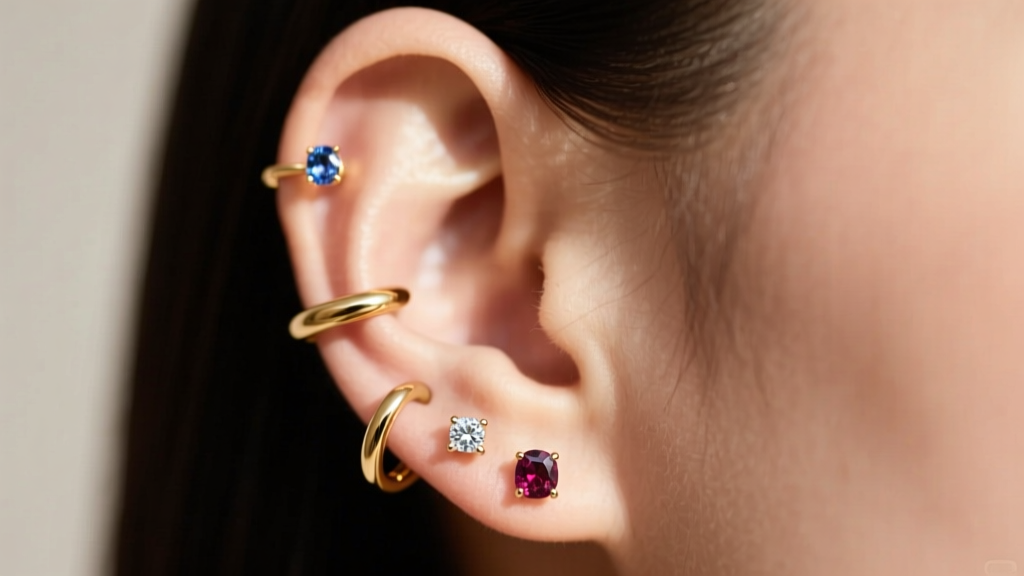
Modern masculine and gender-fluid styling embraces bilateral symmetry, intentional asymmetry, and the "ear party"—a curated collection of lobe and cartilage piercings that span across both ears. High-profile athletes, actors, and musicians routinely sport bilateral hoops, diamond studs, and elaborate cartilage setups without any underlying code. The focus has shifted from which ear is pierced to how the jewelry complements your facial structure, personal aesthetic, and anatomy.
Buying Guide: Choosing Earrings for Masculine & Gender-Fluid Styles
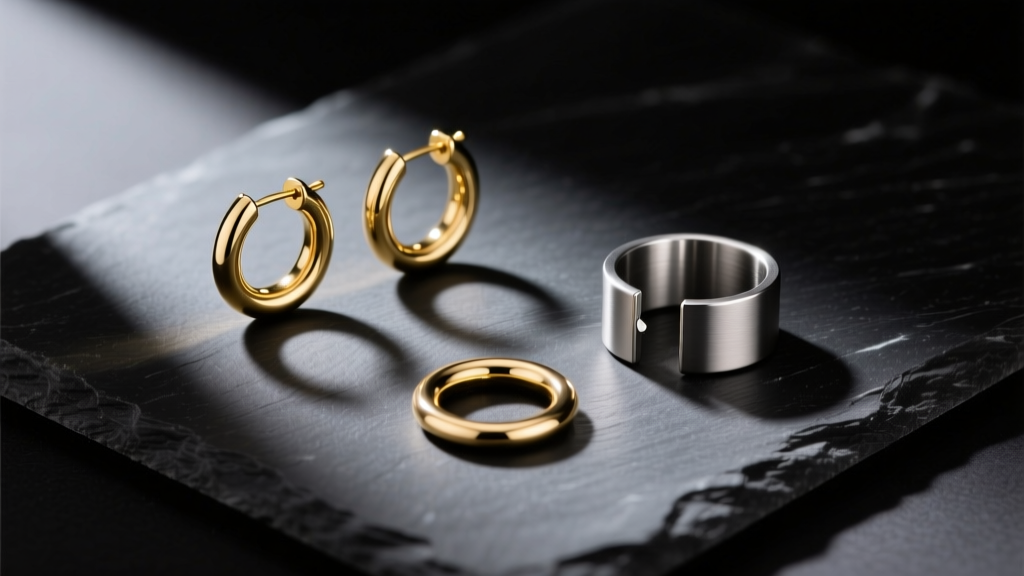
When building a modern, gender-neutral jewelry wardrobe, the quality of the metal and the precision of the fit are far more important than outdated cultural codes. Here is what you need to look for when shopping for high-end body jewelry.
Material Grades: Beyond "Surgical Steel"
The most critical mistake buyers make is settling for vague marketing terms like "surgical steel" or "hypoallergenic." According to the Association of Professional Piercers (APP), these terms are largely unregulated and often mask metals that contain nickel, a primary culprit for contact dermatitis and piercing rejection.
- Implant-Grade Titanium (ASTM F136): The absolute gold standard for initial piercings and sensitive ears. It is completely nickel-free, lightweight, and can be anodized to create various colors without using surface plating that can flake off.
- 14k or 18k Solid Gold: Must be alloyed for biocompatibility (often using palladium instead of nickel for white gold). Brands like BVLA and Maria Tash specialize in high-karat gold body jewelry that is safe for long-term wear.
- Niobium: A highly reactive, nickel-free metal similar to titanium, often used for decorative rings and ear cuffs.
Gauge Sizes and Piercing Placements
Understanding gauge (the thickness of the jewelry post) is essential for a comfortable fit. Standard mall kiosk earrings are usually 20-gauge or 18-gauge, which can cause the "cheese-cutter effect" in healed lobes, where thin wire slowly migrates through the tissue.
| Piercing Type | Standard Gauge | Recommended Jewelry Style |
|---|---|---|
| Standard Lobe | 16g - 14g | Threadless labret studs, seamless hoops |
| Helix / Conch | 16g | Flat-back labrets, captive bead rings |
| Tragus / Daith | 16g | Internally threaded or threadless ends |
The Style Matrix: Earring Types by Vibe
To help you curate your look without relying on antiquated codes, use this matrix to match jewelry styles with your desired aesthetic.
- The Minimalist: Opt for 14k gold or titanium bezel-set studs (2mm to 4mm). These provide a subtle sparkle that catches the light without overwhelming the ear.
- The Industrial Edge: Explore threadless titanium labret studs with matte black or dark grey anodized finishes. Pair these with simple 16-gauge seamless hoops in the upper cartilage.
- The Gender-Fluid Maximalist: Mix textures by combining a diamond-encrusted huggie hoop in the lobe with a delicate chain-link ear cuff on the helix. Balance is achieved by keeping the color palette consistent (e.g., all yellow gold or all silver-toned metals).
How to Curate Your Ear Party (Actionable Framework)
Building a cohesive ear party requires an understanding of negative space and focal points. Follow this three-step framework to plan your piercing journey:
- Establish a Focal Point: Choose one piercing to be the star. This is usually the primary lobe piercing or a large conch stud. Invest in a high-quality, gem-set piece from a reputable brand like Anatometal or BVLA for this spot.
- Create Constellations: Use smaller, complementary pieces to draw the eye toward the focal point. A row of three tiny, flush-set diamond studs leading up the helix creates a guiding line that frames the face.
- Balance the Silhouette: If you have a heavy, ornate setup on your right ear, balance it with a single, bold hoop or a sleek ear cuff on the left ear. Intentional asymmetry looks deliberate and high-fashion, whereas accidental asymmetry can look unbalanced.
"Jewelry is the ultimate tool for self-authorship. The moment you worry about which ear signals what to strangers, you surrender your personal style to a ghost from the 1980s. Claim your space, curate your anatomy, and wear the gold."
Final Verdict: Wear What You Want
The question of which earring is the gay side belongs in a museum of queer history, not in a modern jewelry buying guide. Today's landscape celebrates individuality, high-quality metallurgy, and anatomical precision. Whether you are stepping into a professional piercing studio for your first 14-gauge titanium labret or investing in a custom 18k gold huggie, let your choices be guided by your aesthetic vision, your skin's biocompatibility needs, and your desire for self-expression. Both ears are open for business.


