Which Side of the Earring is Gay? Debunking the Myth
Wondering which side of the earring is gay? We debunk the outdated 'gay ear' myth and provide a 2026 troubleshooting guide for men's ear piercings.

The Short Answer: Does the 'Gay Ear' Code Still Exist in 2026?
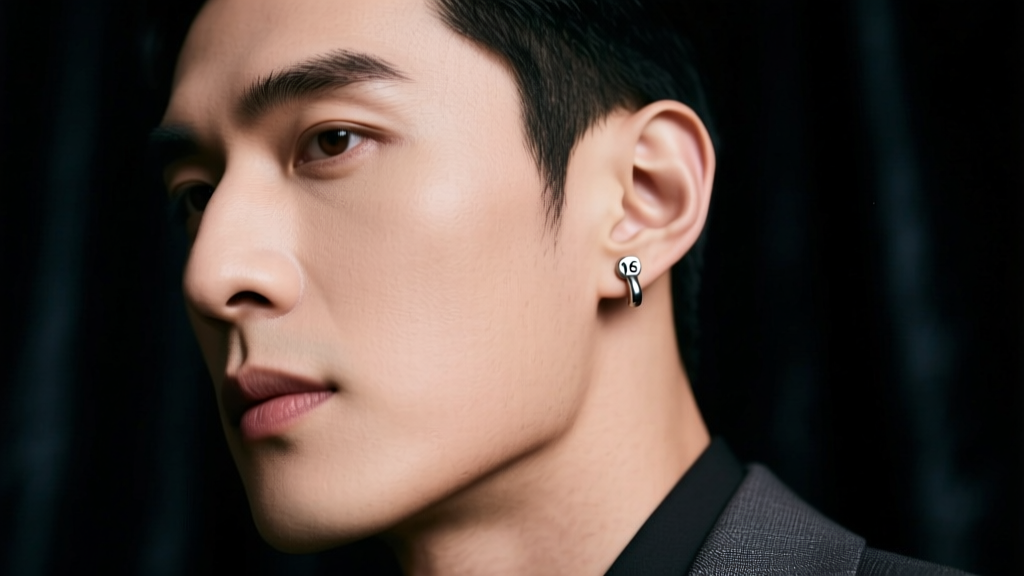
If you have found yourself searching for which side of the earring is gay, you are stumbling upon a cultural artifact that has long since expired. The short answer is: neither. In 2026, the concept of a 'gay ear' is entirely obsolete. Ear piercings on men, women, and non-binary individuals are universally recognized as forms of personal expression, fashion, and body modification, completely divorced from sexual orientation. Whether you choose the left ear, the right ear, or bilateral piercings, no modern stylist, piercer, or culturally aware individual will assume your sexuality based on your jewelry placement.
However, the anxiety surrounding this outdated stereotype still prompts thousands of searches every month. Men and masculine-presenting individuals often worry about accidental signaling or facing outdated prejudices in conservative environments. To properly troubleshoot this concern, we must first understand where the myth originated, how it died, and—most importantly—how to actually choose which ear to pierce based on practical, anatomical, and lifestyle factors rather than 40-year-old urban legends.
The Historical Troubleshooting: Origins of the 'Right Ear' Myth
To dismantle the anxiety around which side of the earring is gay, we need to look at queer history. During the 1970s and 1980s, LGBTQ+ individuals faced severe legal and social persecution. Openly identifying as gay could result in job loss, violence, or arrest. As a result, the community developed covert signaling systems, most notably the 'hanky code,' where colored bandanas worn in specific back pockets indicated sexual preferences.

This covert signaling eventually translated to ear piercings. The rhyme 'Left is right, and right is wrong' emerged as a whispered guideline among teenagers and young men. In this historical context, a piercing in the right ear served as a subtle, deniable beacon to other queer men. However, by the mid-1990s, this code began to collapse. The mainstream explosion of hip-hop, grunge, and pop culture saw icons like Tupac Shakur, Eminem, and George Michael sporting piercings in both ears or exclusively the left ear, entirely stripping the practice of its covert sexual coding. According to historical retrospectives on queer fashion published by Them, the digital age and the subsequent mainstreaming of LGBTQ+ rights rendered secret sartorial codes unnecessary. Today, wearing a hoop or stud in the right ear is simply a stylistic choice, not a sociological statement.
Modern Troubleshooting: How to Actually Choose Your Piercing Side
Since sexual orientation is no longer a factor in ear piercing placement, how do you decide which ear to pierce? Professional piercers recommend troubleshooting your decision based on ergonomics, lifestyle, and facial asymmetry. The goal is to minimize healing complications and maximize aesthetic balance.
Ergonomic and Lifestyle Factors
Healing a fresh lobe piercing takes 6 to 8 weeks, while cartilage piercings can take up to a year. During this time, friction and pressure are your biggest enemies. Use the table below to troubleshoot which ear is the safest choice for your daily routine.
| Lifestyle Factor | Pierce the LEFT Ear If... | Pierce the RIGHT Ear If... |
|---|---|---|
| Sleeping Habits | You primarily sleep on your right side or back. | You primarily sleep on your left side or back. |
| Phone Usage | You hold your smartphone to your right ear for calls. | You hold your smartphone to your left ear for calls. |
| Dominant Hand | You are right-handed (easier to clean the opposite ear). | You are left-handed (easier to clean the opposite ear). |
| Hair Parting | Your hair naturally parts to the right, exposing the left ear. | Your hair naturally parts to the left, exposing the right ear. |
By aligning your piercing choice with your physical habits, you drastically reduce the risk of irritation bumps, delayed healing, and accidental snagging. The Association of Professional Piercers (APP) emphasizes that minimizing physical trauma to a fresh piercing is the single most critical factor in successful healing, far outweighing any aesthetic considerations.
Material and Gauge Specifications for First-Time Piercings
Once you have abandoned the 'gay ear' myth and selected a side based on practical troubleshooting, you must address the hardware. The jewelry you choose for your initial piercing will dictate your healing experience. Many first-timers make the mistake of accepting whatever jewelry a mall kiosk offers, leading to severe allergic reactions.
The Titanium Standard
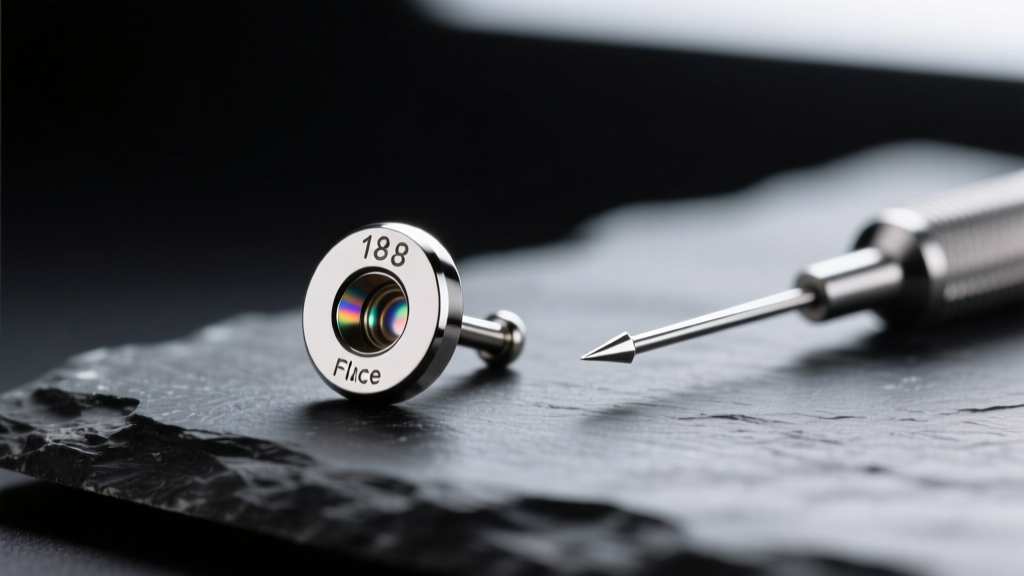
For any new piercing, the only acceptable baseline material is implant-grade titanium (ASTM F-136). According to the Association of Professional Piercers (APP), implant-grade titanium is entirely biocompatible and completely nickel-free. 'Surgical steel' is a marketing term that often encompasses 316L stainless steel, which contains up to 14% nickel. Because nearly 15% of the population has a nickel allergy, surgical steel frequently causes contact dermatitis, itching, and rejection in fresh piercings.
Gauge Sizing: 18g vs. 16g
The gauge refers to the thickness of the jewelry post. While standard mall piercings often use ultra-thin 20g (0.8mm) or 18g (1.0mm) posts, professional piercers strongly recommend 16g (1.2mm) or even 14g (1.6mm) for lobes. Why? A thicker gauge provides structural stability. Thin posts act like a wire cheese-cutter; if the earring is snagged on a towel or shirt, a thin post will slice through the delicate fistula (the healing skin tube). A 16g titanium flat-back labret stud offers a wide, stable base that resists migration and tearing.
- 18g (1.0mm): Standard for delicate cartilage or secondary lobe piercings.
- 16g (1.2mm): The gold standard for primary lobe piercings; balances stability with minimal insertion pain.
- 14g (1.6mm): Ideal for those planning to stretch their lobes in the future, or for heavier statement hoops.
Overcoming Piercing Anxiety and Outdated Stereotypes
If you are still hesitating, ask yourself who you are trying to appease. The anxiety surrounding which side of the earring is gay is rooted in a fear of being misidentified by a demographic that is likely operating on outdated cultural software. In 2026, the fashion landscape is entirely gender-neutral and side-agnostic. High-fashion runways, streetwear icons, and everyday professionals sport bilateral ear cuffs, asymmetrical stud arrangements, and intricate cartilage constellations without a second thought regarding sexual signaling.
Troubleshooting your own internal bias is just as important as troubleshooting your sleeping habits. If you prefer the way a 14k solid gold huggie hoop looks on your right ear, wear it. If you want a minimalist black titanium stud on your left, wear it. The only 'wrong' choice is selecting a side that causes you physical discomfort or choosing cheap, porous materials that lead to infection.
Final Styling Takeaways
When stepping out with your new piercing, confidence is your best accessory. Pair a simple 16g titanium stud with a minimalist wardrobe for a sleek, professional look, or opt for a seamless 14g gold hoop for a more rugged, relaxed aesthetic. Remember to clean the area twice daily with sterile saline wound wash, avoid rotating the jewelry, and leave the initial flat-back stud in place for a minimum of eight weeks. By focusing on anatomy, high-quality materials, and personal style, you completely bypass the ghost of 1980s stereotypes and step firmly into modern, confident self-expression.


