Discover who invented hoop earrings: History & Gift Guide
Discover who invented hoop earrings and explore our expert gifting guide. Match historical styles, gauges, and metals to every milestone occasion.

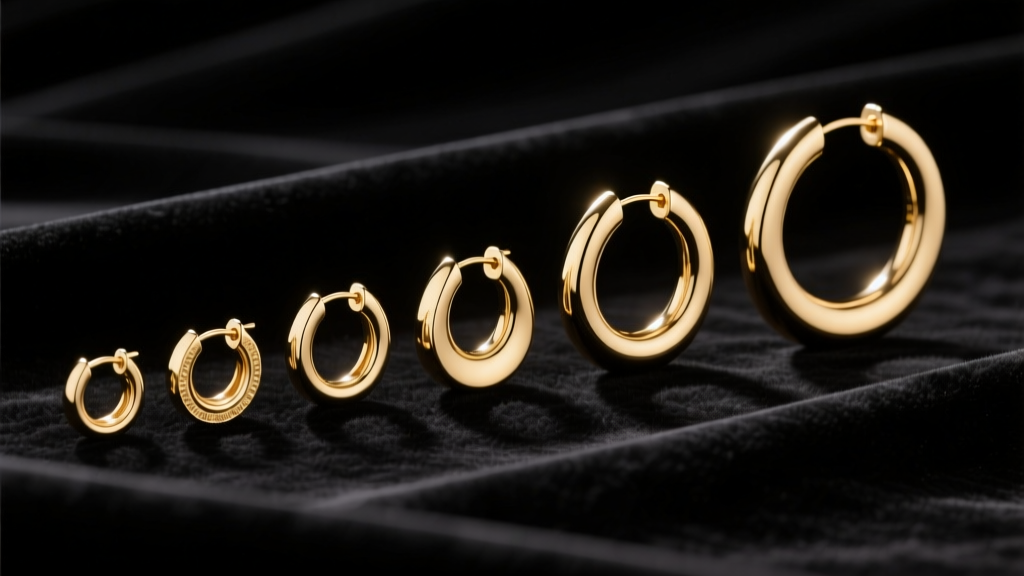
The Ancient Origins: Tracing the First Hoops
When curating the perfect jewelry gift, few pieces carry the profound historical weight and universal appeal of the hoop earring. But who invented hoop earrings? The answer transports us back over 4,500 years to ancient Sumeria (modern-day Iraq) around 2500 BCE. According to artifacts housed in the Metropolitan Museum of Art, early Mesopotamian goldsmiths crafted some of the first known hoop earrings using gold, silver, and bronze. These early designs were not merely decorative; they were potent symbols of wealth, status, and spiritual protection.
Simultaneously, early African civilizations, particularly in Nubia and ancient Egypt, were mastering the art of the hoop. Nubian goldsmiths were renowned for their intricate metallurgy, creating thick, heavy gold hoops that signified royalty and divine connection. By the time of the Roman Empire, hoop earrings had evolved to include elaborate pendants and gemstone inlays, becoming a staple for both men and women across the Mediterranean. Understanding this rich lineage transforms a simple jewelry gift into a meaningful artifact of human history, making hoops an exceptionally thoughtful present for milestones.
The Symbolism of the Circle: Why Hoops Make Meaningful Gifts
From a gifting perspective, the geometry of the hoop is deeply symbolic. The circle represents eternity, wholeness, and unbreakable bonds. When you gift a pair of hoop earrings for an anniversary or a significant birthday, you are subtly communicating a message of enduring connection. Unlike trend-driven novelty jewelry, a well-crafted pair of hoops transcends seasonal fads. In 2026, the shift toward 'quiet luxury' and heritage pieces means that recipients are increasingly valuing versatile, historically rooted jewelry that can be worn daily and eventually passed down as heirlooms.
Occasion Matching: The Ultimate Hoop Gifting Matrix
Selecting the right hoop requires matching the scale, material, and style to the recipient's specific milestone. Use the following matrix to align your purchase with the occasion, ensuring your gift is both appropriate and deeply appreciated.
| Occasion | Ideal Hoop Style | Diameter | Metal Recommendation | Estimated Budget |
|---|---|---|---|---|
| Wedding Anniversary | Diamond-Paved Huggies | 10mm - 14mm | 18k Solid Yellow Gold | $450 - $900 |
| College Graduation | Classic Medium Hoops | 20mm - 30mm | 14k Solid Gold | $180 - $350 |
| Milestone Birthday (30/40) | Textured / Hammered Hoops | 35mm - 45mm | 14k Rose Gold or Vermeil | $120 - $280 |
| Cartilage Piercing Milestone | Seamless Hinged Clickers | 8mm - 12mm | ASTM F-136 Titanium | $45 - $95 |
| First Job / Professional | Sleek Minimalist Huggies | 12mm - 15mm | Platinum or White Gold | $250 - $600 |
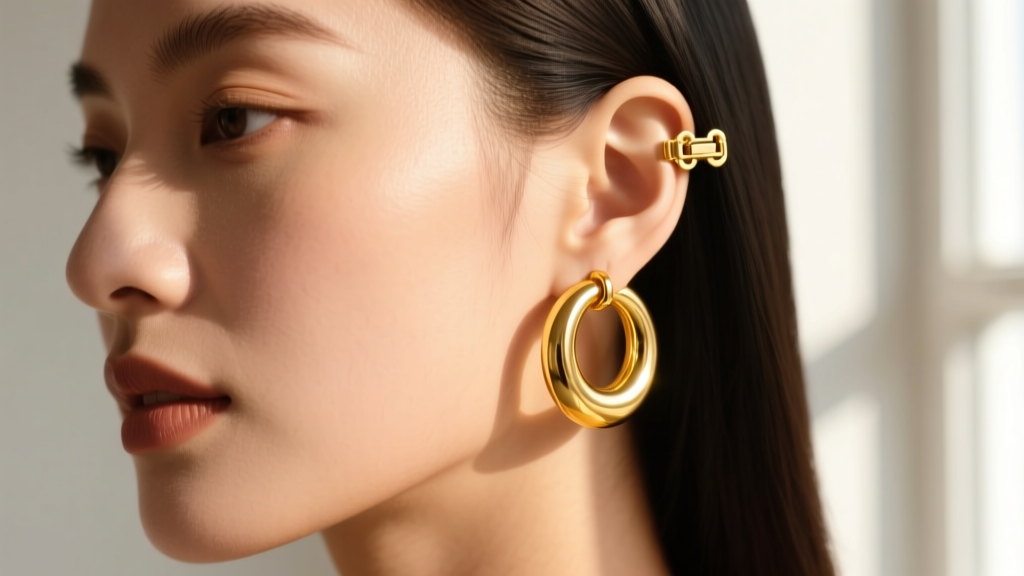
Technical Gifting Guide: Gauges, Metals, and Closures
A beautiful hoop earring is a failed gift if it does not fit the recipient's piercing or irritates their skin. As a domain expert, I cannot stress enough the importance of understanding the technical specifications of ear jewelry before making a purchase.
Wire Thickness (Gauge) Specifics
The 'gauge' refers to the thickness of the wire that passes through the ear. Gifting a 16-gauge hoop to someone with standard 20-gauge lobe piercings will result in an unwearable gift, as the wire will be too thick to pass through the fistula. Conversely, putting a thin 20-gauge wire into a 16-gauge cartilage piercing can cause the 'cheese-cutter effect,' where the thin wire migrates through the tissue.
- Standard Lobe Piercings: Typically 20g (0.81mm) or 18g (1.02mm). Most commercial fashion hoops are 20g.
- Cartilage / Helix / Conch: Usually 16g (1.29mm) or 14g (1.60mm). Always verify the recipient's cartilage gauge before buying.
- Daith / Rook: Often 16g, but requires a specific small-diameter huggie or clicker (usually 8mm to 10mm) to fit the anatomical fold.
For comprehensive safety standards regarding body jewelry thickness and materials, the Association of Professional Piercers (APP) provides definitive guidelines that high-end jewelers follow.
Choosing the Right Closure Mechanism
The closure type dictates the earring's comfort and security, which is vital for a gift meant to be worn frequently.
- Hinged Clickers: The gold standard for cartilage and huggies. A hinged segment snaps securely into a recessed groove with an audible 'click.' They are incredibly secure and easy to insert.
- Latch-Backs (Saddlebacks): The traditional choice for medium to large lobe hoops. A hinged wire loops up and clicks into a grooved catch on the back of the hoop. Excellent for 20g and 18g lobes.
- Endless / Continuous Hoops: A seamless wire that threads through the piercing and snaps into the hollow opposite end. While they offer a beautiful, uninterrupted circle, they can be notoriously frustrating to insert and are prone to bending if the gauge is too thin.
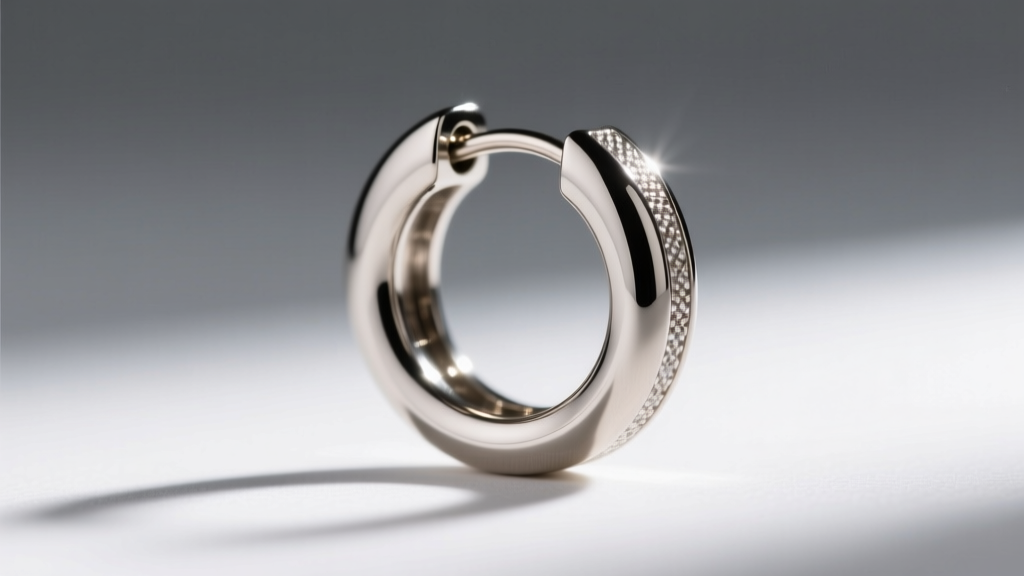
Metallurgy: 14k vs. 18k Gold and Titanium
According to the Gemological Institute of America (GIA), pure 24k gold is too soft for functional hoop earrings. Therefore, alloys are essential. 14k gold (58.5% pure gold) is alloyed with copper, silver, or zinc, making it highly durable, scratch-resistant, and ideal for everyday medium-to-large hoops that might get snagged on clothing. 18k gold (75% pure gold) offers a richer, warmer hue and is hypoallergenic, making it perfect for low-impact huggies or heirloom anniversary gifts. For recipients with severe nickel allergies or fresh piercings, bypass gold entirely and opt for ASTM F-136 implant-grade titanium, which is completely biocompatible and lightweight.
Sizing for Face Shapes: A Gifter’s Cheat Sheet
To elevate your gifting game, consider the recipient's face shape. The diameter and proportion of the hoop can beautifully accentuate their natural features.
- Round Faces: Avoid small, perfectly round hoops that mimic the face shape. Instead, gift elongated drop-hoops or angular, geometric hoops (30mm+) to create a lengthening illusion.
- Square Faces: Soften strong jawlines with medium-sized, rounded hoops (20mm - 30mm). Avoid stiff, boxy shapes.
- Heart-Shaped Faces: Teardrop hoops or bottom-heavy oval hoops complement a wider forehead and narrower chin beautifully.
- Oval Faces: The universal canvas. Oval faces can pull off anything from tight 10mm diamond huggies to dramatic 50mm statement hoops.
Pro-Gifting Tip: If you are unsure of the recipient's preferred size, secretly borrow one of their favorite everyday hoops, place it on a piece of paper, trace the inner and outer circles, and measure the diameter in millimeters. This guarantees your gift will match their exact comfort zone.
Final Thoughts on Gifting a Piece of History
Discovering who invented hoop earrings reveals a lineage of human adornment that spans millennia, from the ancient sands of Sumeria to the modern jewelry boutiques of 2026. When you gift a pair of hoop earrings, you are not just giving a trendy accessory; you are offering a timeless artifact of culture, status, and eternal geometry. By paying close attention to the technical nuances—matching the correct gauge, selecting the appropriate closure, and choosing a metal that suits their lifestyle—you ensure your gift will be cherished, worn, and eventually passed down to the next generation.


