Why Do My Earrings Itch? A Deep Dive Into Hypoallergenic Metals
Discover why your earrings itch with our expert material comparison. Learn about nickel allergies, safe metals, and how to choose hypoallergenic jewelry.

The Biology of the Itch: Contact Dermatitis Explained
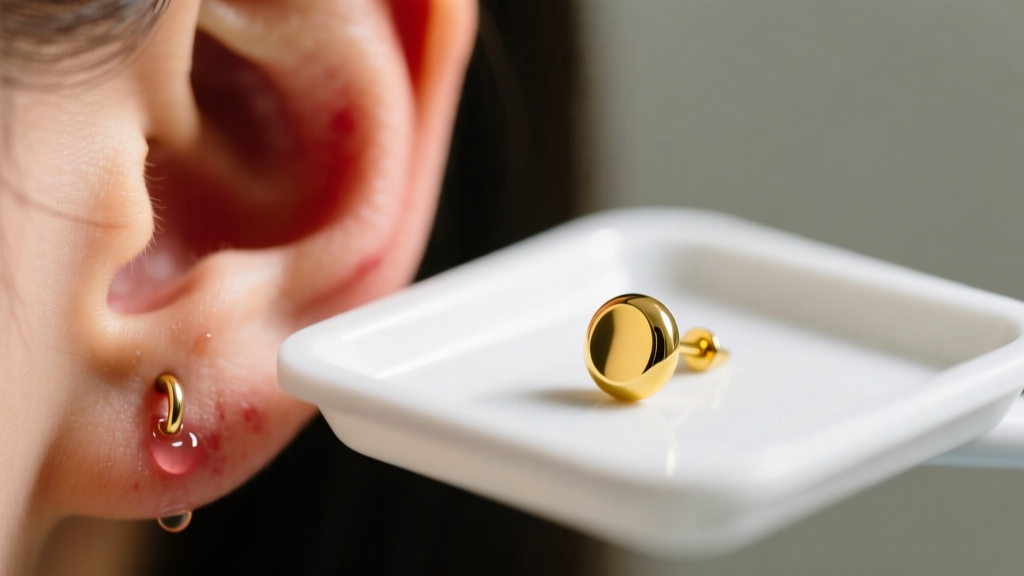
If you have ever asked yourself, "why do my earrings itch?" the answer almost always lies in a localized immune response known as allergic contact dermatitis. This is not merely a surface-level irritation; it is a Type IV delayed hypersensitivity reaction. When your skin's sweat and natural oils interact with reactive metals in your jewelry, microscopic metal ions are released. These ions penetrate the epidermis and bind to skin proteins, forming complexes that your immune system identifies as foreign invaders.
Macrophages and T-cells are immediately dispatched to the area, resulting in the classic symptoms: intense pruritus (itching), erythema (redness), localized swelling, and sometimes weeping or flaking skin. According to the Mayo Clinic, nickel allergy is one of the most common causes of allergic contact dermatitis, affecting roughly 15% to 20% of the general population. Once your immune system develops a sensitivity to a specific metal ion, the reaction will only become faster and more severe with subsequent exposures.
The Usual Suspects: Metals That Trigger Reactions
To solve the mystery of itchy ears, we must first eliminate the offending materials from your jewelry box. Many commercial earrings are manufactured from alloys that prioritize cost and malleability over biocompatibility.
1. "Surgical" Stainless Steel (316L)
The term "surgical steel" is largely a marketing fabrication. Most affordable earrings labeled as such are made from 316L stainless steel. While this alloy is highly resistant to rust and corrosion, it contains between 8% and 10.5% nickel. The nickel is bound within the steel matrix, but the constant friction of an earring post against the fistula (the piercing channel) acts like sandpaper, releasing nickel salts directly into the tissue. For anyone with a known sensitivity, 316L steel is a primary trigger.
2. Brass and Bronze
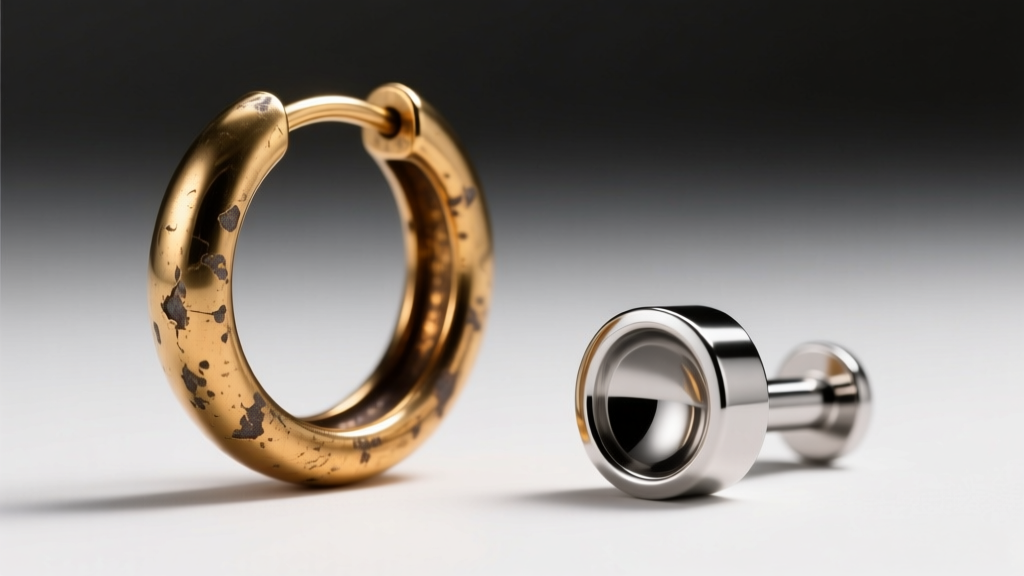
Brass (an alloy of copper and zinc) and bronze (copper and tin) are incredibly common in inexpensive fashion jewelry and vintage hoops. These metals are highly porous and reactive. When exposed to the slightly acidic pH of human skin (which typically ranges from 4.5 to 5.5), they oxidize rapidly. This oxidation not only turns your skin green but also introduces copper and zinc ions into the piercing, causing severe contact dermatitis in sensitive individuals.
3. Rhodium-Plated White Gold
Many consumers believe white gold is inherently safe. However, standard white gold is created by alloying yellow gold with white metals—frequently including nickel to increase hardness and achieve a silvery color. To make it look bright white, it is plated with rhodium. Once that microscopic rhodium layer wears away (usually within 6 to 12 months of daily wear), the nickel-rich alloy beneath is exposed to your skin, leading to sudden, unexplained itching.
The Hypoallergenic Hierarchy: Material Comparison Chart
Not all "hypoallergenic" labels are created equal. The term is unregulated in the jewelry industry, meaning brands can legally use it even if a piece contains trace allergens. Below is a data-driven comparison of materials based on their actual biocompatibility, porosity, and market pricing.
| Material Grade | Nickel Content | Porosity & Corrosion Resistance | Average Price Range (Per Pair) | Best Application |
|---|---|---|---|---|
| Implant-Grade Titanium (ASTM F136) | 0.00% | Non-porous; highly resistant to bodily fluids | $25 - $80 | Fresh piercings, severe allergies, cartilage |
| Niobium (99.99% Pure) | 0.00% | Non-porous; forms a passive oxide layer | $30 - $90 | Lobe studs, anodized color jewelry |
| 14k/18k Solid Gold (Nickel-Free Alloy) | 0.00% | Low porosity; requires proper polishing | $150 - $600+ | Healed piercings, luxury daily wear |
| 316L Stainless Steel | 8.00% - 10.50% | Low porosity; releases ions under friction | $10 - $30 | Strictly for non-sensitive, fully healed lobes |
| Sterling Silver (925) | Variable (usually 0%, but contains copper) | Highly porous; tarnishes and absorbs bacteria | $20 - $75 | Occasional wear in fully healed lobes only |
Deep Dive: Implant-Grade Titanium vs. Niobium vs. Solid Gold
When curating a safe jewelry collection, you must look beyond the surface and demand specific metallurgical standards. The Association of Professional Piercers (APP) provides strict guidelines on what constitutes safe body jewelry.
Implant-Grade Titanium (ASTM F136 and F67)
Not all titanium is equal. "Commercially pure" titanium (ASTM F67) is safe, but the gold standard for body jewelry is Ti-6Al-4V ELI (Extra Low Interstitial), designated as ASTM F136. This is the exact same alloy used in pacemakers, joint replacements, and surgical bone screws. It contains absolutely zero nickel and boasts a mirror finish that prevents bacterial adhesion. If a vendor simply says "titanium" without providing the ASTM grade, they are likely selling Grade 2 or unverified commercial titanium, which may contain trace impurities.
Niobium: The Underdog of Biocompatibility
Niobium is a transitional metal that shares titanium's incredible biocompatibility. It is entirely nickel-free and highly malleable, making it an excellent choice for intricate hoop designs and huggies that require precise bending. Furthermore, niobium can be anodized using electricity to create a vibrant spectrum of colors without the use of toxic dyes or paints. The only drawback is its density; niobium is heavier than titanium, which can cause discomfort in large-gauge (e.g., 8g or 6g) cartilage earrings.
Solid Gold: The Alloy Caveat
Gold purity is measured in karats. 24k gold is 99.9% pure but far too soft for earring posts, which would easily bend and trap bacteria in microscopic scratches. Therefore, 14k (58.5% gold) and 18k (75% gold) are the ideal standards. However, you must verify the alloy composition. Reputable manufacturers alloy their gold with palladium or silver to create white gold, completely bypassing nickel. Always look for brands that explicitly state "nickel-free alloy" or "palladium-white."
Hidden Triggers: Beyond the Metal Itself
If you have upgraded to ASTM F136 titanium and your ears are still itching, the culprit may not be the metal. Consider these secondary failure modes:
- Galvanic Corrosion: If you wear a titanium stud with a stainless steel backing, the two dissimilar metals interacting with your sweat (an electrolyte) create a micro-battery. This galvanic reaction accelerates the degradation of the lesser metal, releasing irritating ions into the piercing.
- Acrylic and Silicone Porosity: Many decorative earrings use acrylic gems or silicone O-rings. Acrylic is highly porous and harbors bacteria, while silicone can trap moisture against the skin, creating a macerated environment that mimics an allergic reaction.
- Harsh Cleaning Agents: Using rubbing alcohol, hydrogen peroxide, or tea tree oil to clean your earrings strips the ear of its natural lipid barrier. This compromises the stratum corneum, making the skin hyper-reactive to even the safest metals.
- Mechanical Irritation: An earring post that is too long for your earlobe thickness will pivot and drag, while a post that is too short will compress the tissue, restricting blood flow and causing ischemic itching.
Actionable Troubleshooting Framework
Follow this diagnostic protocol the next time your earrings cause discomfort:
- Isolate the Variable: Remove all jewelry. Cleanse the area with sterile saline (0.9% sodium chloride). Allow the tissue to rest for 48 hours.
- Audit Your Jewelry: Check the back of your earrings for stamps. If you see "925", "316L", or no stamp at all, quarantine the piece. Test it with a commercial nickel-testing solution (dimethylglyoxime swab) if you suspect hidden nickel.
- Verify the Gauge and Length: Standard lobe earrings are usually 20g (0.81mm) or 18g (1.0mm). Cartilage piercings are typically 16g (1.2mm) or 14g (1.6mm). Wearing a 20g wire in a 16g hole causes the "cheese-cutter effect," leading to migration and chronic irritation.
- Switch to Verified Implant-Grade: Purchase a simple, internally threaded or threadless ASTM F136 titanium labret stud from a verified APP-member brand. Wear it exclusively for two weeks to establish a baseline.
Expert Sourcing: Where to Buy Truly Safe Earrings
To guarantee material integrity, bypass fast-fashion retailers and mall kiosks. Invest in jewelry from manufacturers that provide mill certificates for their metals. Industry leaders like BVLA, Anatometal, and Maria Tash utilize verified implant-grade titanium and nickel-free 14k/18k gold alloys. While the initial investment is higher—often ranging from $40 for basic titanium ends to over $300 for gem-set gold pieces—the cost is negligible compared to the medical treatment required for chronic contact dermatitis and piercing rejection.
"True biocompatibility is not a marketing buzzword; it is a verifiable metallurgical standard. If your piercer or jeweler cannot tell you the exact ASTM grade of your titanium, you are wearing mystery metal." — Senior Piercing Specialist, Jewel Style Radar
Understanding why your earrings itch is the first step toward curating a jewelry collection that is as comfortable as it is beautiful. By prioritizing verified materials, proper gauge sizing, and meticulous hygiene, you can eliminate contact dermatitis and enjoy your piercings without compromise.


