Why Does My Earring Hole Smell? Material Causes & Fixes
Discover why your earring hole smells based on jewelry material properties. Compare titanium, gold, and steel to eliminate piercing odors.

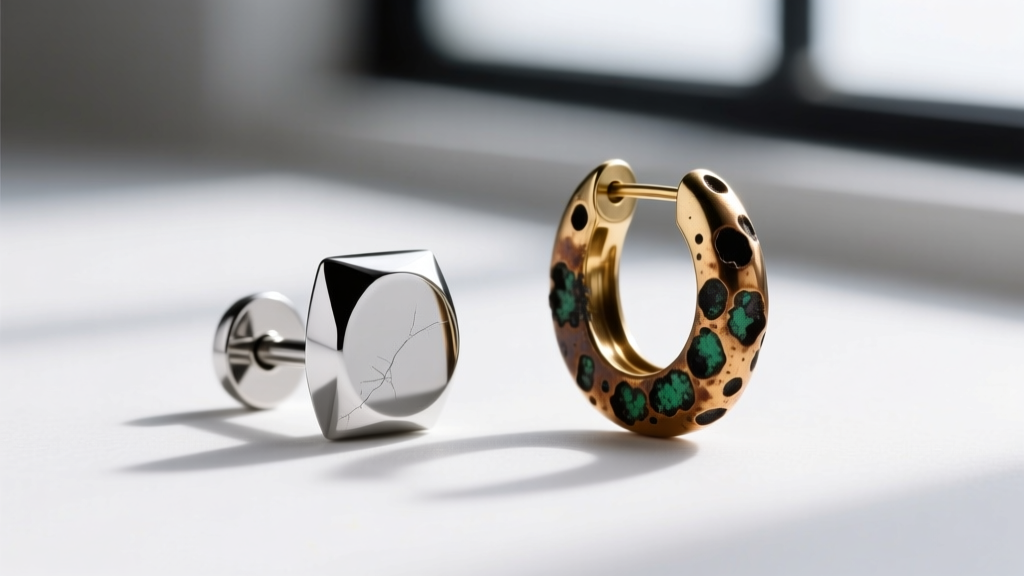
The Biology and Metallurgy of Piercing Odor
If you have ever removed your earrings and been hit with a sharp, foul, cheesy odor, you are not alone—and poor hygiene is rarely the primary culprit. The phenomenon commonly referred to as 'earring cheese' is a complex interaction between your body's natural biology and the metallurgical properties of your jewelry. To understand why your earring hole smells, we must look at the intersection of dermatology and material science.
The human earlobe and cartilage fistula (the piercing tunnel) constantly shed dead skin cells (keratinocytes) and secrete sebum, an oily substance produced by sebaceous glands. When sebum and dead skin mix, they create a nutrient-rich environment for naturally occurring skin bacteria, particularly Staphylococcus hominis and Corynebacterium species. These bacteria metabolize the lipids in sebum and excrete isovaleric acid—a volatile organic compound responsible for the distinct, pungent odor associated with body odor and smelly piercings.
However, biology is only half the equation. The jewelry material you wear dictates whether this biological byproduct is easily flushed out or trapped in microscopic crevices. According to the Association of Professional Piercers (APP), the surface finish and porosity of a metal directly impact its ability to harbor biofilm. Cheap, reactive, or poorly polished metals develop microscopic pitting over time, creating physical anchors for bacteria and sebum to accumulate, leading to chronic odors that survive even rigorous cleaning.
Material Porosity & Reactivity Chart: Which Metals Cause Odor?
Not all metals interact with the human fistula equally. Below is a comparative analysis of common earring materials, evaluating their porosity, reactivity, and likelihood of trapping odor-causing biofilms.
| Material | Surface Porosity | Chemical Reactivity | Odor Risk Level | Avg. Price Range (Pair) |
|---|---|---|---|---|
| Implant-Grade Titanium (ASTM F136) | Non-Porous (Mirror Polish) | Inert / Biocompatible | Extremely Low | $30 - $80 |
| Solid 14k / 18k Gold (Nickel-Free) | Low (Depends on Polish) | Low (Alloy Dependent) | Low | $80 - $300+ |
| Niobium | Non-Porous | Inert / Biocompatible | Extremely Low | $25 - $60 |
| Surgical Stainless Steel (316L) | Low to Moderate | Moderate (Nickel Leaching) | Moderate to High | $10 - $30 |
| Sterling Silver (.925) | Moderate to High | High (Sulfur/Copper Reaction) | High | $15 - $50 |
| Brass / Copper Alloys ('Mystery Metal') | High (Micro-Pitting) | Very High (Galvanic Corrosion) | Extremely High | $2 - $15 |
Why Reactive Metals Trigger the 'Smell'
To eliminate the odor, you must stop using metals that degrade inside the warm, slightly acidic, and saline environment of a piercing fistula. Here is a deep dive into the specific failure modes of popular jewelry materials.
Sterling Silver & The Sulfide Problem
Sterling silver is an alloy consisting of 92.5% silver and 7.5% copper. While silver itself is relatively stable, the copper content is highly reactive. When exposed to the sulfur compounds naturally present in human sweat and sebum, the copper and silver react to form silver sulfide (tarnish). This tarnishing process creates a microscopically rough, porous surface on the earring post. This roughness acts like a sponge for dead skin and bacteria. Furthermore, the Mayo Clinic warns that reactive metals can cause low-grade contact dermatitis, leading to weeping serous fluid that bacteria feed on, compounding the foul smell.
Surgical Steel & Passivation Breakdown
316L Surgical Stainless Steel is widely sold as 'hypoallergenic,' but it actually contains 8% to 10.5% nickel. The steel relies on a microscopic passivation layer of chromium oxide to protect the skin from the nickel. However, the friction of inserting and removing earrings, combined with the lactic acid in sweat, can scratch and degrade this passivation layer. Once compromised, nickel ions leach into the fistula. This triggers an immune response, causing micro-swelling and increased cellular turnover (more dead skin), which rapidly accelerates the buildup of smelly sebum and keratin.
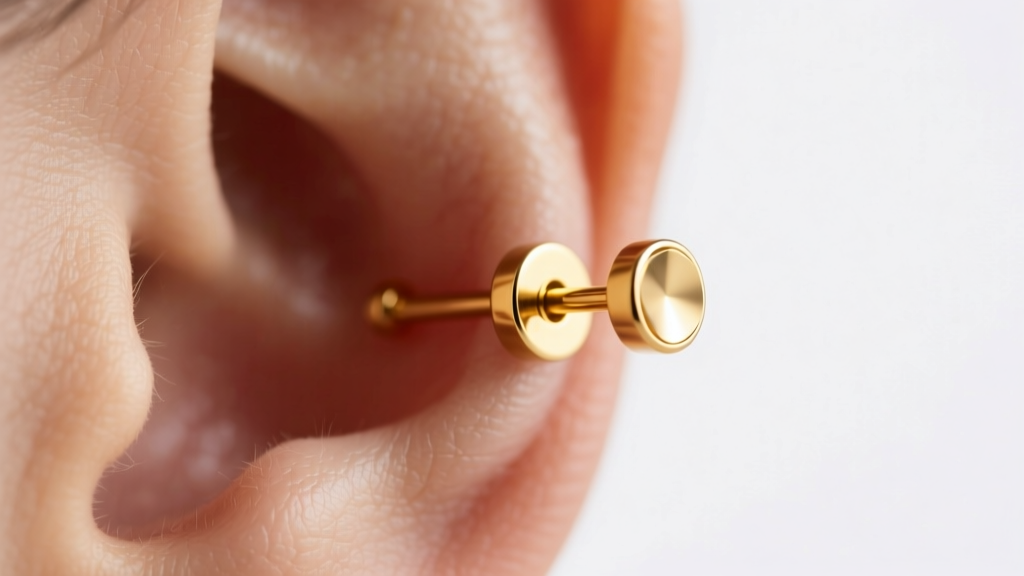
The Odor-Free Material Hierarchy
If you are tired of constantly cleaning your piercings only to have the smell return within 24 hours, you must upgrade to metals that offer a biologically inert, mirror-polished surface.
Tier 1: Implant-Grade Titanium (ASTM F136)
Implant-grade titanium is the undisputed gold standard for piercing jewelry. The 'ASTM F136' designation ensures the alloy is entirely free of nickel and possesses a highly controlled surface roughness (typically Ra < 0.2 µm). Because it is polished to a mirror finish, there are no microscopic grooves for biofilm to anchor to. Sebum and dead skin simply slide off the post when you remove the earring, making it virtually impossible for the earring hole to develop a persistent odor.
Tier 2: Niobium & Solid 14k/18k Gold
Niobium is a highly inert, nickel-free elemental metal that is easily anodized for color without using reactive platings. It is an excellent, budget-friendly alternative to titanium. For those who prefer the look of gold, solid 14k or 18k gold is acceptable, provided it is alloyed with palladium or silver rather than nickel or zinc. Avoid gold-plated or gold-filled earrings entirely; the thin gold layer will eventually wear off inside the friction of the fistula, exposing the reactive base metal underneath and immediately triggering odor and irritation.
The 7-Day Protocol to Eradicate Piercing Odor
Switching your jewelry material is only half the battle. You must also clear the existing biofilm from the fistula and ensure your jewelry fits correctly to prevent 'dead space' where sebum can pool.
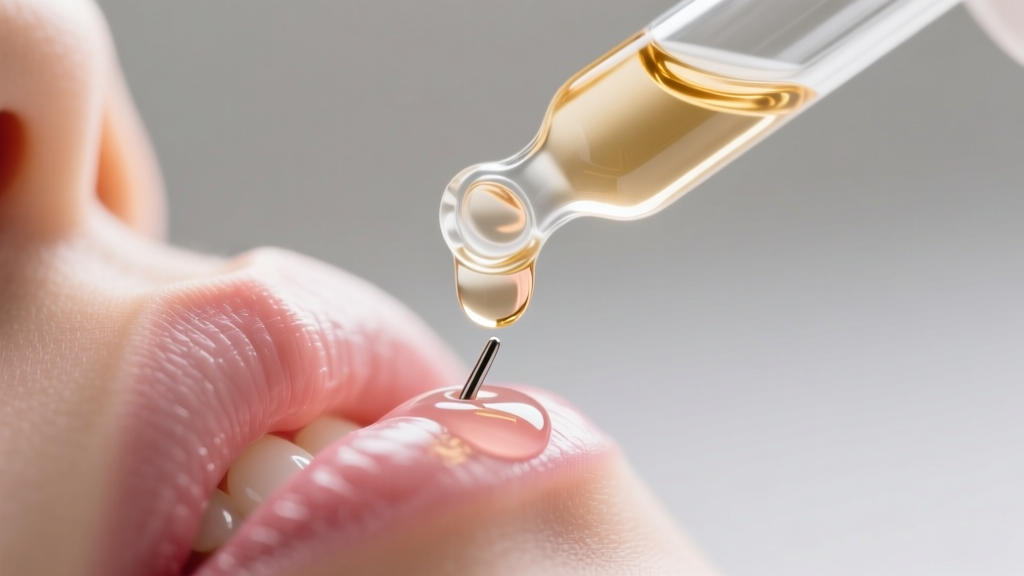
- Day 1: The Purge. Remove all sterling silver, surgical steel, and alloy earrings. Discard any earring with visible dark tarnish or pitting on the post.
- Day 2: Saline Soak. Do not use rubbing alcohol or hydrogen peroxide; these strip the fistula of its natural moisture barrier, causing micro-tears that trap bacteria. Instead, soak a sterile cotton pad in warm 0.9% sodium chloride (sterile saline) and hold it against the front and back of the earlobe for 5 minutes to soften hardened sebum.
- Day 3: Gentle Exfoliation. While in a warm shower, gently massage the earlobe around the piercing hole with a mild, fragrance-free glycerin soap to encourage the expulsion of trapped keratin plugs.
- Day 4: Upgrade to Titanium. Insert a brand-new, sterilized ASTM F136 titanium stud. Ensure the gauge is correct (standard lobes are 20g or 18g; cartilage is 16g). Using a gauge that is too thin for your stretched hole can create a crevice for debris to hide.
- Day 5: Check the Post Length. A standard earlobe is roughly 4mm to 6mm thick. If your earring post is 8mm or 10mm long, the extra metal creates a 'dead space' between the earring back and the skin. Sebum will pool in this gap and smell. Switch to a post length that sits flush against the ear without compressing the tissue.
- Day 6: Clean the Earring Backs. Earring backs (especially butterfly friction backs) are notorious traps for dead skin. Switch to flat-back labret studs, which have a smooth, flat disc that rests against the back of the ear, eliminating the mechanical trap of a butterfly clutch.
- Day 7: Maintenance Routine. Moving forward, simply rinse your titanium flat-backs with warm water and mild soap once a week when you change them. The mirror finish will prevent the odor from ever returning.
Final Thoughts on Gauge and Fit
Understanding why your earring hole smells requires looking past basic hygiene and examining the physical environment of the piercing. By eliminating porous, reactive metals like sterling silver and brass, and replacing them with mirror-polished, implant-grade titanium, you remove the physical architecture that bacteria need to thrive. Combine this material upgrade with a properly fitted flat-back labret stud, and you will permanently neutralize piercing odors while promoting long-term fistula health.


