Why Does My Earring Smell Like Cheese? The Science of Ear Odor
Discover why your earring smells like cheese. We break down the science of ear sebum, bacterial buildup, and the best hypoallergenic metals to stop odor.

The Biochemical Reality: What Exactly is "Ear Cheese"?
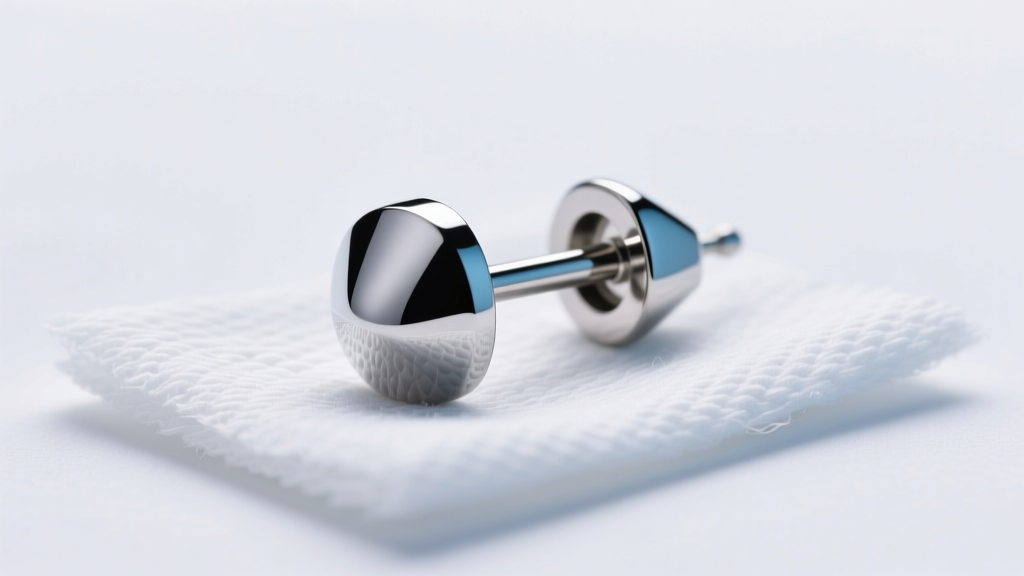
If you have ever removed a pair of stud earrings and been hit with a pungent, sour odor reminiscent of aged parmesan or dirty socks, you are not alone. In the jewelry and body modification communities, this phenomenon is colloquially known as "ear cheese." However, from a dermatological and biochemical perspective, this odor is the result of a highly specific metabolic process occurring within the fistula (the piercing channel).
The human earlobe is densely packed with sebaceous glands, which continuously secrete sebum—an oily, waxy matter composed of triglycerides, wax esters, squalene, and free fatty acids. Sebum's primary biological function is to lubricate and waterproof the skin. However, when sebum becomes trapped inside the narrow, unventilated tunnel of a piercing fistula, it mixes with dead keratinocytes (skin cells), environmental dust, and cosmetic residues.
The Isovaleric Acid Pathway
The "cheese" smell is not caused by the sebum itself, but by the bacteria that consume it. The skin microbiome, specifically strains like Staphylococcus hominis and Corynebacterium, thrive in the dark, warm, and lipid-rich environment of an earring hole. These bacteria produce lipase enzymes that break down the triglycerides in sebum into free fatty acids.
"The distinct, pungent odor associated with unworn earrings is primarily caused by isovaleric acid, a volatile short-chain fatty acid produced during the bacterial degradation of skin lipids. It is the exact same compound responsible for the odor of certain aged cheeses and human foot sweat."
When you wear earrings continuously, especially those with thick posts or friction backs that restrict airflow, you create an anaerobic microenvironment. This accelerates bacterial proliferation and the subsequent release of isovaleric acid. The longer the jewelry remains undisturbed, the more concentrated the volatile compounds become.
Material Science: How Your Earring Metal Triggers Odor
Not all earrings smell equally offensive. The metallurgical composition and surface finish of your jewelry play a massive role in how much debris accumulates and how aggressively bacteria multiply. Many commercial earrings are manufactured from porous base metals or plated alloys that inadvertently accelerate tissue shedding and bacterial adhesion.
The Myth of "Surgical Steel" and Micro-Corrosion
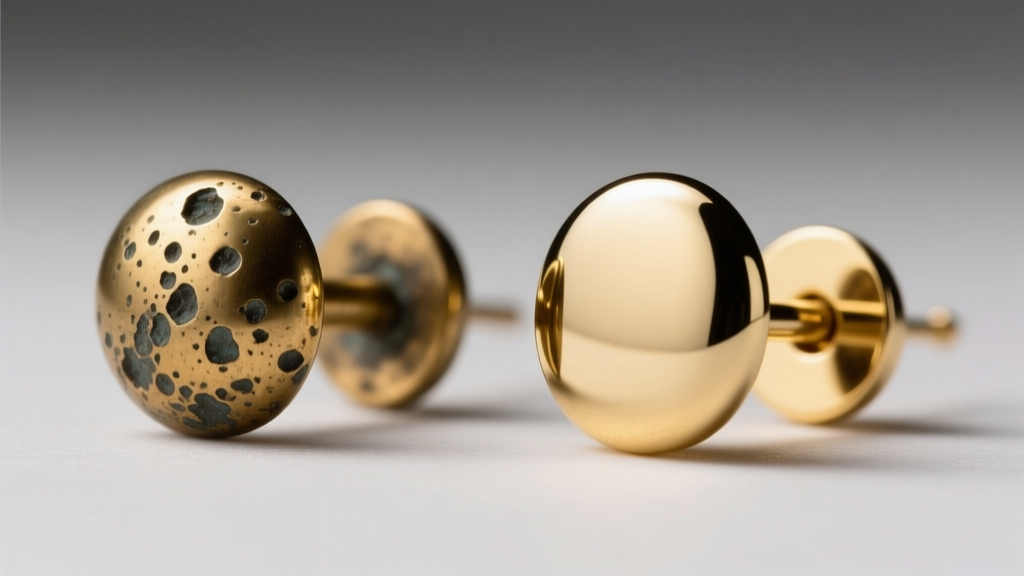
A common culprit behind severe ear odor is low-grade "surgical steel" or mystery metals containing nickel and copper. When these metals are exposed to the slightly acidic pH of human sebum and sweat (typically around 4.5 to 5.5), they undergo micro-corrosion. This corrosion creates a pitted, microscopic landscape on the earring post.
Bacteria and dead skin cells become physically wedged into these microscopic pits, making them impossible to remove with a simple wipe. Furthermore, nickel exposure triggers mild contact dermatitis in a large percentage of the population. According to the American Academy of Dermatology, allergic contact dermatitis causes the tissue to weep clear lymph fluid. This protein-rich lymph fluid mixes with sebum, creating a highly nutritious breeding ground for odor-causing bacteria.
| Metal Grade | Nickel Content | Surface Finish (Ra) | Tissue Reaction & Odor Risk |
|---|---|---|---|
| ASTM F136 Titanium | 0% | < 0.2 µm (Mirror) | Inert; minimal cellular adhesion; lowest odor risk. |
| Niobium (99.9%) | 0% | < 0.4 µm | Highly biocompatible; resists lipid buildup effectively. |
| 14k / 18k Solid Gold | Varies (Palladium alloyed preferred) | < 0.3 µm | Excellent if nickel-free; soft metals may scratch and trap debris. |
| ASTM F138 Steel | 8% - 12% | 0.5 - 1.0 µm | Can cause micro-weeping in sensitive ears, increasing odor. |
| Brass / Copper Alloys | Often contains Nickel/Zinc | > 1.5 µm (Porous) | High corrosion rate; traps bacteria; highest odor risk. |
The Anatomy of the Fistula: Gauge Size and Debris Traps
The physical dimensions of your piercing also dictate the mechanics of odor accumulation. A standard earlobe piercing is usually performed at 20-gauge (0.81mm) or 18-gauge (1.02mm). In these tight fistulas, the earring post sits flush against the tissue walls. As the ear naturally sheds its stratum corneum (outer skin layer), the dead cells have nowhere to go but to wrap tightly around the post.
Standard Lobes vs. Stretched Gauges
Conversely, individuals with stretched earlobes (ranging from 10-gauge to 00-gauge and beyond) experience a different mechanical issue. A larger fistula has a vastly increased surface area of sebaceous glands. When wearing thick plugs or tunnels, the sheer volume of sebum produced can coat the inner walls of the ear. If the jewelry material is porous—such as silicone, raw wood, or unsealed stone—it will absorb the sebum and bacteria, acting like a sponge. This results in a persistent, deep-seated odor that cannot be washed off the jewelry itself.
For stretched lobes, the Association of Professional Piercers recommends removing porous jewelry daily and allowing the tissue to breathe, while relying on non-porous materials like glass or polished steel for long-term wear to prevent lipid absorption.
Expert Protocols: Eradicating Odor Without Damaging Tissue
Many people attempt to solve the "ear cheese" problem by aggressively cleaning their earlobes with rubbing alcohol, hydrogen peroxide, or harsh antibacterial soaps. This is a critical mistake. These astringent chemicals strip the ear of its natural lipid barrier, prompting the sebaceous glands to go into overdrive and produce even more sebum to compensate for the dryness—a phenomenon known as rebound seborrhea.
The Two-Pronged Cleaning Strategy
To effectively eliminate the odor, you must treat the tissue and the jewelry separately, using methods that respect the biological and metallurgical properties of both.
1. Tissue Management (The Fistula)
- Daily Saline Flush: Use a sterile 0.9% sodium chloride wound wash. Spray it directly into the fistula to gently flush out trapped keratinocytes and excess sebum without disrupting the skin's acid mantle.
- Warm Compresses: Once a week, apply a warm, damp compress to the earlobe for three minutes. The heat gently melts the hardened waxy esters inside the pore, allowing them to be wiped away easily.
- Jojoba Oil Massages (For Stretched Lobes): Jojoba oil closely mimics human sebum. Massaging a single drop into the fistula helps dissolve hardened lipid plugs and keeps the tissue supple without triggering rebound oil production.
2. Jewelry Decontamination (The Metal)
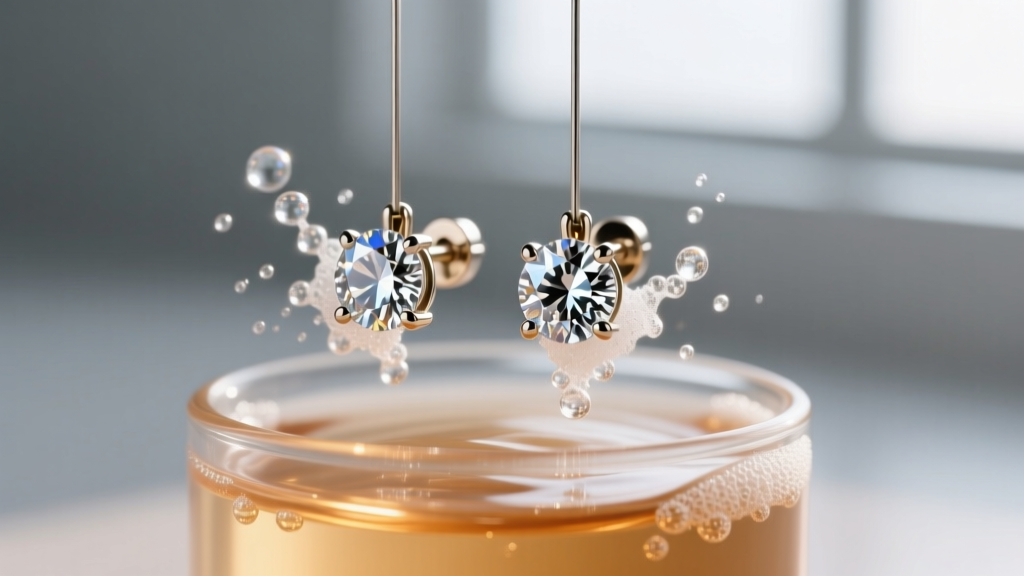
- Ultrasonic Cleaning: For diamond studs or intricate metal designs, an ultrasonic jewelry cleaner uses high-frequency sound waves to create microscopic cavitation bubbles in a warm water bath. This physically blasts bacteria and sebum out of microscopic metal pores and prong settings.
- Castile Soap Soak: For solid gold or titanium pieces, a five-minute soak in warm water mixed with a few drops of mild, unscented liquid Castile soap will break down the lipid bonds of the sebum. Scrub gently with a dedicated, ultra-soft baby toothbrush.
- Avoid Chemical Dips: Never use silver dip or harsh chemical polishes on earrings. These leave toxic residues that will cause immediate contact dermatitis when reinserted into the fistula.
When to See a Professional: Infection vs. Normal Sebum
While a cheesy odor is usually a benign biochemical nuisance, it is vital to differentiate between normal sebum buildup and an active bacterial or fungal infection. Normal "ear cheese" smells sour or pungent but is accompanied by dry, grayish-white debris. The tissue should feel normal, with no pain or swelling.
If the odor is distinctly sweet, putrid, or smells like rotting meat, and is accompanied by yellow or green purulent exudate (pus), localized heat, throbbing pain, or erythema (redness) spreading beyond the immediate piercing site, you may have an infection. In such cases, do not remove the earring, as the fistula can close and trap the abscess inside the tissue. Instead, consult a dermatologist or a professional piercer immediately for appropriate medical intervention and potential culture swabbing.
By understanding the biochemical origins of ear odor and upgrading to high-polish, biocompatible metals like ASTM F136 titanium, you can entirely eliminate the "cheese" factor and maintain a healthy, odor-free piercing environment.


