Ultimate Care Guide for Your Wicked Glinda Earrings
Keep your Wicked Glinda earrings sparkling in Oz. Learn expert cleaning, storage, and maintenance tips for crystal, enamel, and plated jewelry.

The Magic and Fragility of Oz-Inspired Jewelry
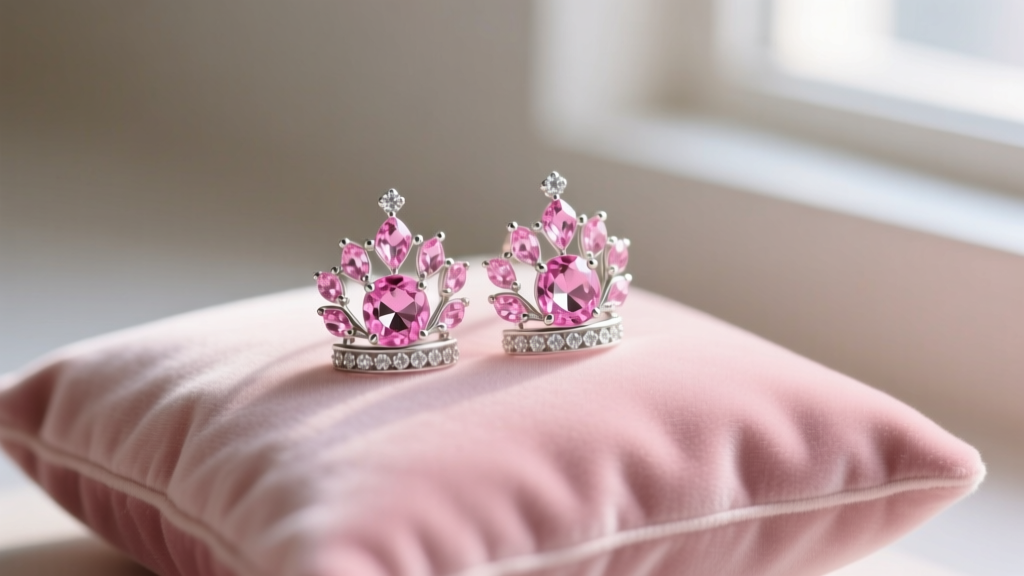
With the massive cultural impact of the Wicked cinematic universe extending well into 2026, the demand for Glinda the Good Witch-inspired jewelry has skyrocketed. Whether you own official movie merchandise, Broadway souvenirs, or independent artisan creations, your wicked glinda earrings likely feature a glamorous mix of pink crystals, starburst motifs, bubble pearls, and silver-toned metals. However, the very elements that make these earrings look like they belong in the Emerald City also make them highly susceptible to environmental damage.
Fashion jewelry designed for high visual impact often prioritizes aesthetics over longevity. By understanding the specific material science behind your Glinda earrings, you can prevent tarnish, clouding, and stone loss. This comprehensive guide provides actionable, expert-level maintenance protocols to keep your pink and silver pieces defying gravity for years to come.
Decoding the Materials: What Are Your Glinda Earrings Made Of?
Before applying any cleaning solution, you must identify the materials. Most Glinda-themed earrings are constructed using a combination of base metals, micro-plating, and synthetic gemstones.
Base Metals and Plating
The structural base of these earrings is typically brass or Zamak (a zinc-aluminum alloy). To achieve Glinda's signature bright silver aesthetic, manufacturers apply a rhodium or white bronze plating. In fashion jewelry, this plating is exceptionally thin—usually between 0.1 and 0.5 microns. Once this microscopic layer wears away due to friction or acidic sweat, the underlying copper or zinc reacts with oxygen and chlorides, resulting in dullness or the dreaded "green ear" effect.
The "Glinda Pink" Enamel
The vibrant pink accents (often found on crown or bubble motifs) are rarely fired vitreous enamel. Instead, they utilize cold enamel, which is essentially a pigmented epoxy resin. While beautiful, epoxy resin has a low Mohs hardness (around 2.5) and is highly sensitive to heat, alcohol, and prolonged UV exposure, which can cause the pink hue to yellow over time.
Crystals and Pearls
According to the Gemological Institute of America (GIA), cubic zirconia (CZ) ranks at 8.5 on the Mohs scale, making it highly scratch-resistant but prone to attracting oils that dull its refractive index. The "bubble" pearls often seen in Glinda designs are usually glass pearls—glass beads coated with a delicate pearlescent paint that will peel if exposed to harsh chemicals.
Step-by-Step Cleaning Routine for Crystal and Enamel Pieces
Forget commercial jewelry dips; they will strip the rhodium plating and melt the cold enamel. Follow this precise, gentle cleaning protocol recommended by conservation experts.
Step 1: The Safe Wash Solution
Fill a small glass bowl with distilled water. Tap water contains dissolved minerals (calcium and magnesium) that leave microscopic hard-water spots on CZ crystals, reducing their sparkle. Heat the water to exactly lukewarm—no higher than 85°F (29°C). Hot water will soften the jeweler's epoxy used to set the stones. Add exactly two drops of a mild, lotion-free surfactant, such as original blue Dawn dish soap.
Step 2: Targeted Agitation
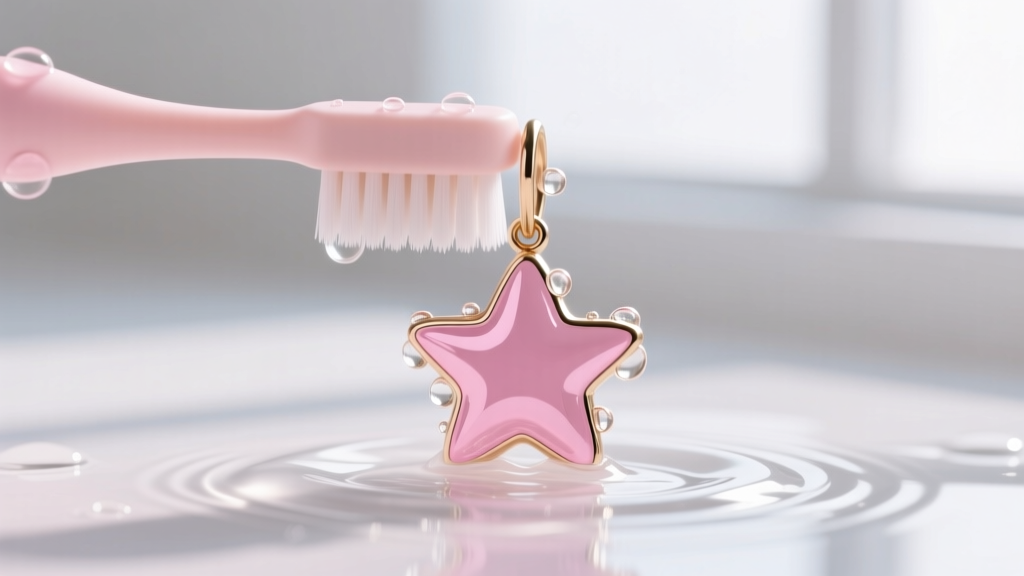
Submerge the earrings for no more than three minutes. Using an extra-soft baby toothbrush (never a standard firm brush), gently sweep the bristles across the surface. Pay special attention to the pavilion (the underside) of the crystals, where skin oils and dead cells accumulate, blocking light return. Use short, flicking motions rather than circular scrubbing to avoid catching the prongs.
Step 3: Rinsing and Drying
Rinse the earrings under a slow trickle of room-temperature distilled water. Immediately pat them dry with a clean, lint-free microfiber cloth. Never use paper towels or tissues; wood pulp fibers can inflict micro-scratches on the rhodium plating and cold enamel. Allow the earrings to air-dry completely on a towel for 15 minutes before storage to ensure no moisture is trapped in the earring post hinges.
Critical Mistakes to Avoid (The "Defying Gravity" Disasters)
When maintaining your wicked glinda earrings, what you don't do is just as important as what you do. Avoid these common jewelry care pitfalls:
- Ultrasonic Cleaners: The high-frequency cavitation bubbles generated by ultrasonic machines can easily shatter glass pearls and shake glued CZ stones loose from their settings.
- Alcohol and Hand Sanitizer: Isopropyl alcohol will degrade the epoxy resin used for the pink enamel and strip the pearlescent coating off glass pearls, leaving them dull and chalky.
- Hairspray and Aerosols: Glinda's aesthetic often involves elaborate styling, but aerosol hairsprays contain polymers that coat crystals in a cloudy film that is incredibly difficult to remove without damaging the plating.
- Silver Polish Cloths: Treated silver polishing cloths contain mild abrasives designed to remove tarnish from solid silver. Using them on plated jewelry will literally wipe the 0.5-micron rhodium layer right off the brass base.
Expert Rule of Thumb: Always apply your perfume, hairspray, and lotions at least 15 minutes before putting on your earrings. The alcohol and oils in cosmetics are the primary enemies of fashion jewelry plating and synthetic stones.
Storage Solutions to Prevent Tarnish and Scratches
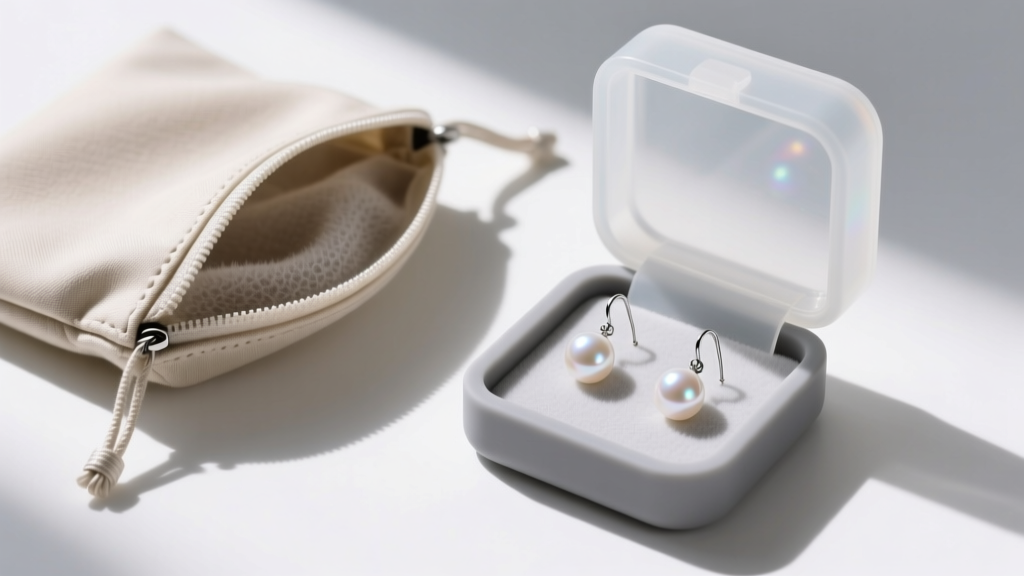
Proper storage is your first line of defense against oxidation. The Jewelers of America organization emphasizes that limiting exposure to ambient humidity and sulfur in the air is critical for plated base metals. Below is a comparison of common storage methods for your Glinda collection.
| Storage Method | Tarnish Protection | Scratch Risk | Expert Verdict |
|---|---|---|---|
| Open Jewelry Tree | None (High Oxidation) | High (Tangling/Impacts) | Avoid completely. Plating will degrade within weeks. |
| Standard Felt Box | Low (Traps Moisture) | Medium (Felt Abrasion) | Poor choice. Felt can hold ambient humidity against the metal. |
| Anti-Tarnish Ziploc + Silica | Excellent | Low (If separated) | Highly Recommended. Use 3M anti-tarnish strips inside the bag. |
| Silicone-Lined Compartments | Good | None | Ideal for daily wear. Silicone absorbs trace sulfur gases. |
Troubleshooting Common Issues
Issue 1: Cloudy Pink Crystals
If your pink crystals look dull even after washing, the cloudiness may be trapped beneath the setting prongs, or the foil backing (if applicable) has oxidized. For unfoiled CZ, use a wooden toothpick to gently dislodge compacted debris from the tiny crevices where the metal meets the stone. Never use metal needles, as they will scratch the CZ or bend the delicate prongs.
Issue 2: The "Green Ear" Reaction
If the earring posts are turning your skin green, the rhodium plating on the post has worn through to the copper-rich brass underneath. The copper is reacting with the acids and salts in your sweat. The Fix: Paint the earring posts with a thin layer of clear, hypoallergenic nail polish to create a temporary barrier. For a permanent solution, take the earrings to a local jeweler to have the posts replaced with solid surgical stainless steel or sterling silver, which typically costs between $25 and $45.
Issue 3: Loose Starburst or Crown Stones
Because Glinda earrings feature intricate, multi-stone pavé designs, glue failure is common. If a stone falls out, locate it immediately. Do not use super glue (cyanoacrylate), as it releases fumes that will permanently frost the surrounding crystals. Instead, purchase a two-part jeweler's epoxy or UV-curing resin. Apply a microscopic dot using a toothpick, seat the stone, and let it cure for 24 hours in a dry, dust-free environment.
Conclusion
Your wicked glinda earrings are more than just accessories; they are wearable pieces of theatrical and cinematic art. By respecting the delicate nature of cold enamel, micro-plating, and synthetic crystals, you can ensure they remain as radiant as the Good Witch herself. Stick to gentle surfactants, avoid extreme temperatures, and store them in anti-tarnish environments. With this expert-level care routine, your favorite Oz-inspired pieces will continue to sparkle beautifully through every viewing, convention, and magical occasion.


