The Beginner's Guide to Choosing Gold Anchor Earrings
Discover everything about gold anchor earrings, from 14k vs 18k metals and gauge sizes to styling tips for your face shape and proper care.

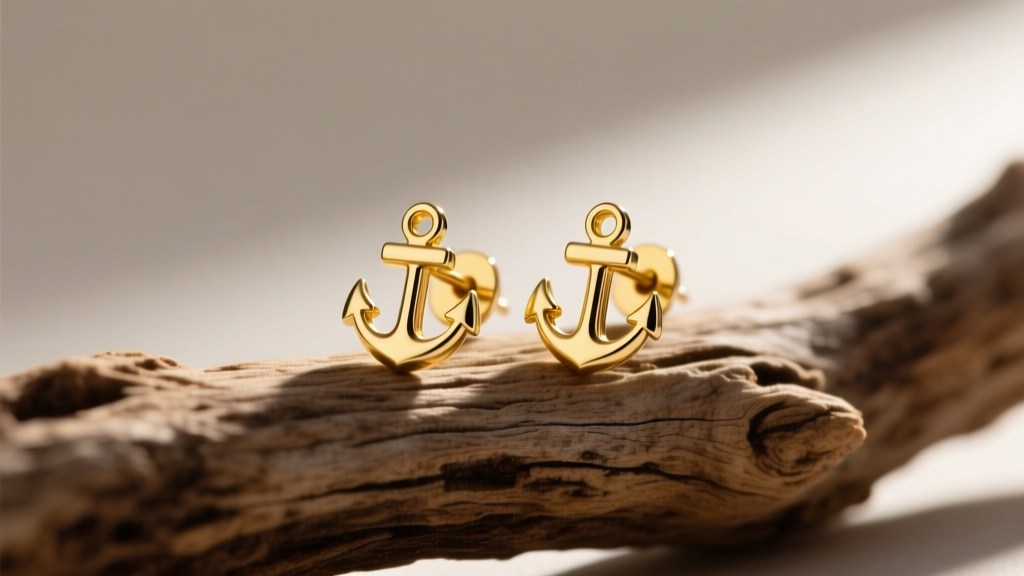
Setting Sail: The Appeal of Nautical Jewelry
Nautical jewelry has long transcended its maritime roots to become a staple in everyday fine jewelry collections. Among these coastal-inspired pieces, gold anchor earrings stand out for their unique blend of symbolic depth and versatile aesthetics. Historically, the anchor represents hope, steadfastness, and a safe return home. Today, it serves as a grounding motif in a jewelry box, offering a subtle nod to adventure and stability.
For beginners stepping into the world of themed fine jewelry, navigating the nuances of metal purity, piercing gauges, and structural integrity can feel overwhelming. This comprehensive guide breaks down everything you need to know before purchasing your first pair of gold anchor earrings, ensuring you invest in pieces that are both beautiful and biomechanically sound for your piercings.
Decoding the Metals: Solid Gold vs. Vermeil
When shopping for gold anchor earrings, the terminology used to describe the metal can be misleading. Understanding the exact metallurgical composition is critical for both the longevity of the jewelry and the health of your piercings. According to the Gemological Institute of America (GIA), the karat system dictates the purity of the gold, which directly impacts its color, weight, and durability.
| Material Type | Gold Purity | Durability | Average Price Range | Best Use Case |
|---|---|---|---|---|
| 14k Solid Gold | 58.5% Pure | High | $120 - $350 | Everyday wear, cartilage, active lifestyles |
| 18k Solid Gold | 75.0% Pure | Medium | $300 - $800 | Special occasions, highly sensitive lobes |
| Gold Vermeil | Sterling Silver Base | Medium-Low | $45 - $95 | Budget-friendly trends, occasional wear |
| Gold Plated | Brass/Copper Base | Low | $15 - $40 | Short-term fashion, non-pierced clip-ons |
Why 14k Gold is Often Superior for Anchor Designs
While 18k gold offers a richer, deeper yellow hue, it is a softer metal. An anchor design features thin, protruding elements—specifically the "flukes" (the curved bottom arms) and the "stock" (the top crossbar). If crafted in 18k or 24k gold, these delicate points are highly susceptible to bending or snapping if caught on a sweater or hair. 14k gold is alloyed with metals like copper, silver, and zinc, providing the tensile strength necessary to maintain the anchor's crisp, geometric lines over years of daily wear.
Sizing, Gauges, and Piercing Placements
One of the most common mistakes beginners make is ignoring the "gauge" (thickness) of the earring post. The Association of Professional Piercers (APP) emphasizes that wearing jewelry thinner than your healed piercing can lead to migration and tissue damage.
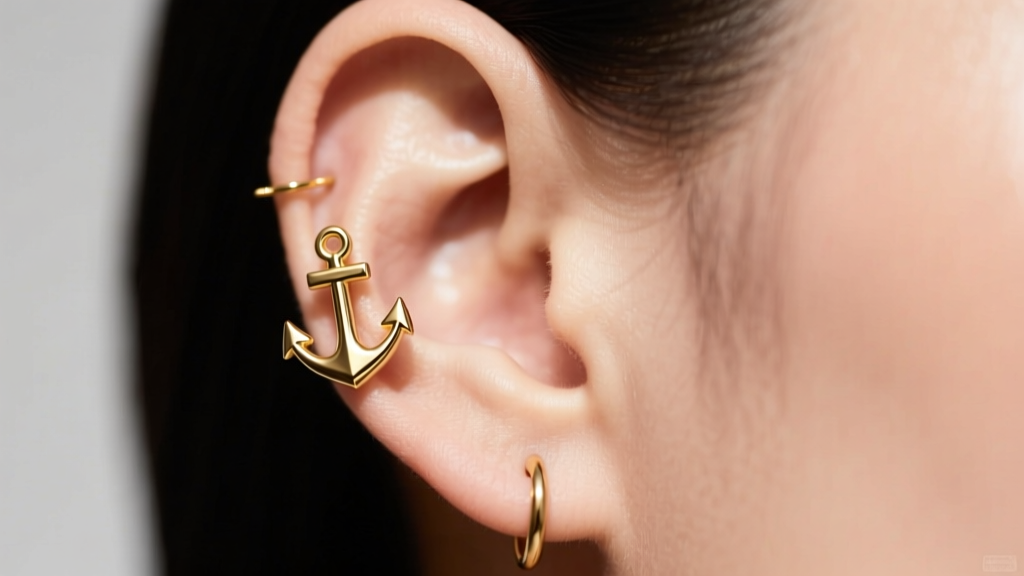
Understanding Gauge Sizes
- 20-Gauge (0.81mm): The standard for most commercial stud earrings. Ideal for standard lobe piercings and lightweight anchor studs.
- 18-Gauge (1.02mm): Slightly thicker, offering better stability. Excellent for lobe piercings and some healed cartilage piercings.
- 16-Gauge (1.29mm): The standard for most cartilage piercings (helix, tragus, conch). If you plan to wear a small gold anchor stud in your upper ear, you will likely need a 16G post.
The "Cheese Cutter" Effect
If you attempt to wear a delicate 20-gauge gold anchor earring in a healed 16-gauge helix piercing, the thin wire can act like a cheese cutter. The weight of the jewelry, combined with the small surface area of the thin post, can cause the metal to slowly migrate through the cartilage tissue, leading to rejection or tearing. Always verify the gauge of your piercing before purchasing.
The Mechanics of Earring Backs
Because anchor shapes are inherently top-heavy (the crossbar and ring at the top add visual and physical weight), the backing mechanism is just as important as the front design.
- Friction Backs (Butterfly): The most common and affordable option. However, they can harbor bacteria and may slip off if the anchor catches on clothing.
- Screw Backs: The post is threaded, and the backing screws on securely. This is the gold standard for valuable solid gold anchor studs, ensuring you never lose your investment.
- Leverbacks / French Wire: Used for anchor dangle earrings. Ensure the leverback has a secure latch closure to prevent the earring from sliding out of the lobe during movement.
Styling Gold Anchor Earrings for Your Face Shape
Anchor earrings come in various silhouettes, from minimalist micro-studs to elaborate diamond-encrusted drops. Choosing the right silhouette can beautifully complement your natural facial structure.
Round Faces
The Goal: Elongate the face and create vertical lines.
The Style: Opt for gold anchor drop or dangle earrings. A vertical anchor design that hangs just below the earlobe will draw the eye downward, creating a lengthening illusion. Avoid wide, horizontal anchor hoops.
Square Faces
The Goal: Soften strong jawlines and angular features.
The Style: Choose anchor earrings with curved elements, such as an anchor integrated into a small gold hoop or a huggie design. The circular motion of the hoop softens the jawline, while the anchor provides a focal point without adding harsh geometric lines.
Heart-Shaped Faces
The Goal: Balance a wider forehead with a narrower chin.
The Style: Teardrop-shaped anchor dangles or anchors featuring a gemstone (like a sapphire or diamond) at the top loop. The added width at the bottom of the earring helps visually balance the lower half of the face.
Oval Faces
The Goal: Maintain natural balance.
The Style: Virtually any style works. A classic 14k solid gold anchor stud with a polished finish is a timeless, everyday choice that highlights the natural symmetry of an oval face.
Care and Maintenance for Maritime Jewelry
There is a deep irony in nautical jewelry: while anchors belong in the ocean, saltwater is highly detrimental to gold alloys. The copper and zinc used to strengthen 14k gold can oxidize and tarnish when exposed to salt and chlorine.
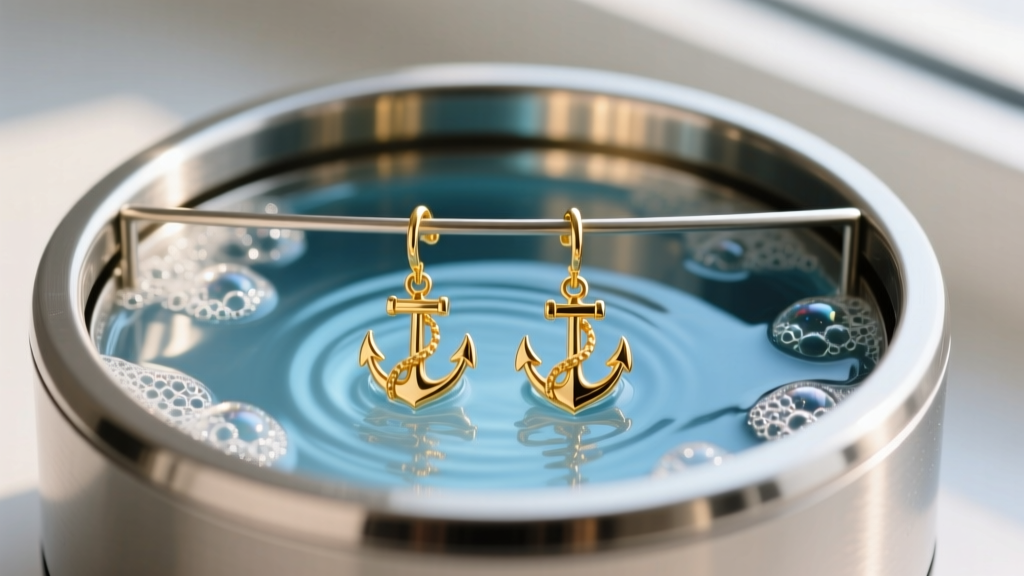
Step-by-Step Cleaning Routine
- The Rinse: If you wear your gold anchor earrings to the beach or pool, immediately rinse them with fresh, lukewarm water afterward to remove salt and chemical residue.
- The Soak: Mix a few drops of mild, phosphate-free dish soap (like Dawn) into a bowl of warm water. Let the earrings soak for 10-15 minutes to break down sebum, lotion, and dead skin cells.
- The Scrub: Use a baby-soft toothbrush to gently clean the crevices of the anchor, particularly where the shank meets the flukes. Do not use hard-bristled brushes, as they can leave micro-scratches on the gold.
- The Dry: Pat dry with a lint-free microfiber cloth. Avoid paper towels, as the wood pulp fibers can scratch high-polish gold.
Final Thoughts on Building Your Collection
Gold anchor earrings are more than just a seasonal summer trend; they are a meaningful addition to any curated jewelry wardrobe. By prioritizing 14k solid gold for structural integrity, matching the correct gauge to your specific piercing, and selecting a silhouette that flatters your face shape, you ensure your jewelry works as hard as you do. Whether you are treating yourself to a pair of micro-studs for your helix or investing in diamond-accented drops for a coastal wedding, understanding these foundational elements guarantees your nautical pieces will weather any storm.


