Expert Care and Cleaning Guide for Wishbone Earrings
Learn how to safely clean, store, and maintain your wishbone earrings. Expert tips on protecting the V-shape vertex, pavé prongs, and metal integrity.

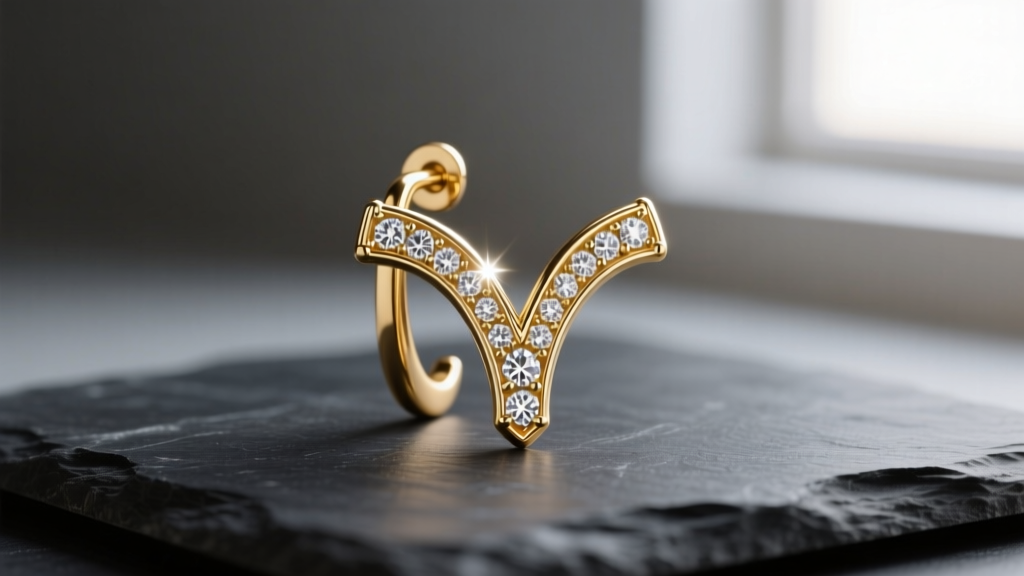
Wishbone earrings, also known as chevron earrings, have become a staple in fine jewelry collections due to their elegant, directional geometry. However, their distinct "V" shape introduces unique structural vulnerabilities that require specialized care. Whether your pair features a simple polished metal finish or is heavily paved with micro-set diamonds, understanding how to clean and maintain wishbone earrings is critical to preventing bent arms, loose stones, and metal fatigue.
The Structural Vulnerabilities of the Wishbone Shape
The defining feature of wishbone earrings is the sharp chevron angle. While visually striking, this geometry creates a natural stress concentrator at the vertex (the bottom point of the V). When you handle the earring, especially when pushing a standard butterfly friction back onto a 20-gauge (0.81mm) or 18-gauge (1.02mm) post, lateral pressure can easily bend the arms outward or warp the vertex.
Furthermore, metal choice plays a massive role in durability. Platinum has high tensile strength and is the superior choice for delicate, heavily pavé'd wishbone designs because its prongs are less likely to snap over time. Conversely, 18k gold is softer than 14k gold; an 18k gold wishbone earring worn daily is more prone to bending at the vertex than a 14k gold alternative, which benefits from a harder alloy mix of copper and zinc.
The Safest At-Home Cleaning Protocol
According to the Gemological Institute of America (GIA), the safest way to clean diamond jewelry at home is with warm water, mild soap, and a soft brush. However, for wishbone earrings, the technique of brushing is just as critical as the cleaning solution itself.
Step 1: The Ammonia-Free Soak
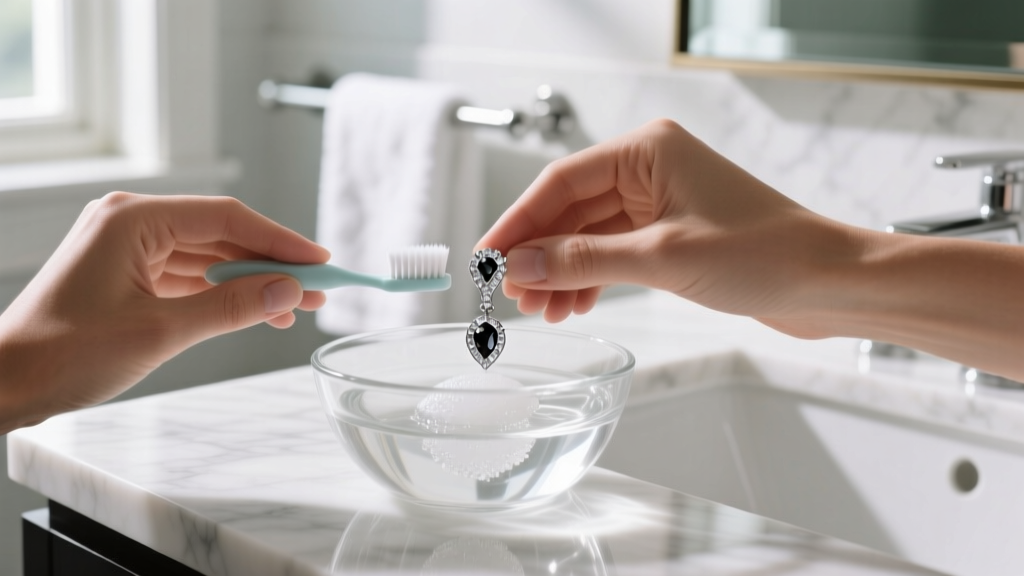
Mix one cup of warm distilled water (tap water contains calcium and magnesium that can leave a cloudy film on your stones) with three drops of ammonia-free dish soap. Submerge the earrings for 15 to 20 minutes. This loosens sebum, dead skin cells, and cosmetic residue trapped in the tight crevices of the pavé settings without degrading the metal.
Step 2: Directional Brushing
Use an extra-soft infant toothbrush. Crucially, you must brush parallel to the arms of the wishbone, moving from the top post down toward the vertex. Never brush horizontally across the V-shape, as the lateral bristle pressure can bend the delicate metal arms or lift the micro-prongs securing your gemstones.
Step 3: Post and Clutch Sanitization
The friction back (butterfly clutch) accumulates bacteria and debris. Use a cotton swab dipped in 70% isopropyl alcohol to clean the post and the inside of the clutch. Warning: Keep the alcohol strictly on the metal post and backing; if it drips onto porous accent stones like turquoise or pearls sometimes used in bohemian wishbone designs, it will permanently strip their luster.
Why You Must Avoid Ultrasonic and Steam Cleaners
It is highly tempting to drop fine jewelry into an ultrasonic cleaner for a quick, sparkling result. For wishbone earrings, this is a critical error. Ultrasonic cleaners generate high-frequency sound waves that create microscopic cavitation bubbles. When these bubbles collapse against the jewelry, they blast away dirt. However, these same shockwaves can easily shake loose the tiny stones secured by micro-prongs (often measuring just 0.8mm to 1.2mm) along the wishbone's arms.
Additionally, if your wishbone earrings feature fracture-filled diamonds or treated sapphires, the intense vibrations and heat from steam cleaners can cause catastrophic internal fracturing or clouding. Stick to the manual soak method to preserve the integrity of the settings.
Routine Maintenance and Prong Inspection
Routine inspection is non-negotiable for pavé wishbone styles. Invest in a 10x triplet jeweler’s loupe. Once a month, examine the vertex and the prongs securing the accent stones. Look for "lifted" prongs (where the metal no longer sits flush against the gemstone's crown) or thinning metal at the bend of the V. As noted by Jewelers of America, professional prong tightening should be performed at least once a year for daily-wear earrings.
| Maintenance Task | Frequency | Tools Required | Failure Mode Prevented |
|---|---|---|---|
| Ammonia-free soak & directional brush | Bi-weekly | Distilled water, mild soap, infant toothbrush | Sebum buildup dulling diamonds |
| Post and clutch sanitization | Weekly | Cotton swabs, 70% isopropyl alcohol | Bacterial infection of the earlobe piercing |
| 10x Loupe prong inspection | Monthly | 10x Triplet jeweler's loupe | Lost pavé diamonds due to snagging |
| Professional tightening & polish | Annually | Jeweler's bench tools | Metal fatigue and catastrophic stone loss |
Proper Storage to Prevent Bending
Never toss wishbone earrings loosely into a jewelry box drawer. The sharp vertex can easily scratch softer pieces, and the weight of heavier items can bend the chevron shape out of alignment, ruining the symmetry required for them to sit flat against the earlobe.
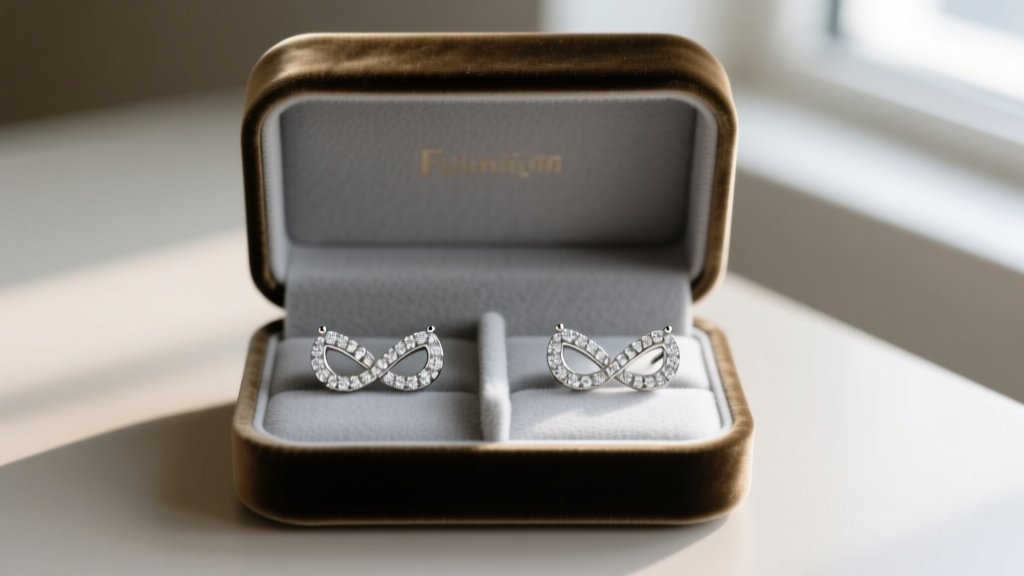
Store them flat in a dedicated compartment lined with soft velvet or anti-tarnish felt. If you travel, use a hard-shell jewelry case with individual snap-down straps or padded slots to immobilize the earrings, ensuring the vertex is not subjected to pressure from shifting luggage.
When to Seek Professional Jewelry Servicing
If your wishbone earrings are crafted from 14k or 18k white gold, they are likely plated with rhodium to achieve a bright, silvery-white finish. Over time, the friction from wearing and cleaning will wear this plating away, revealing the slightly yellowish undertone of the white gold alloy. When this happens, take them to a jeweler for a professional polish and rhodium re-plating, which typically costs between $35 and $75 depending on the intricacy of the pavé work.
Expert Insight: If you notice the vertex of your wishbone earring looking slightly warped or feeling "soft" when you handle it, stop wearing it immediately. A master jeweler can gently reshape it and, if necessary, use a laser welder to add a microscopic reinforcement bead of metal on the back of the vertex to prevent future snapping.
By respecting the unique geometry of the wishbone shape and adhering to a strict, gentle cleaning protocol, you can ensure your earrings remain brilliant and structurally sound for a lifetime of wear.


