Wooden Earrings Value Guide: What to Pay in 2026
Discover the true value of wooden earrings in 2026. We break down wood species, hardware grades, and pricing tiers to help you budget for quality.

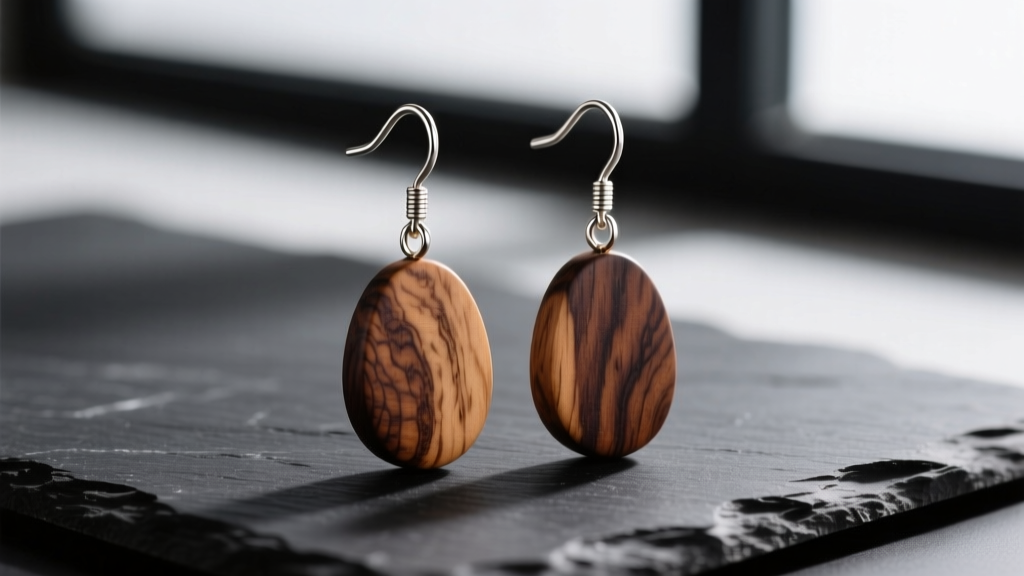
The True Cost of Wooden Earrings: Beyond the Price Tag
As sustainable and lightweight jewelry continues to dominate the market in 2026, wooden earrings have transitioned from a niche craft-fair staple to a mainstream wardrobe essential. However, the influx of mass-produced, dropshipped wooden jewelry has created a confusing marketplace. How do you differentiate between a $12 pair of laser-cut pine drops that will warp in a month, and a $45 pair of hand-finished walnut dangles that will last a lifetime? Evaluating the budget and true value of wooden earrings requires looking far beyond the aesthetic appeal of the wood grain. It demands a critical assessment of material density, hardware metallurgy, sealing techniques, and manufacturing precision.
In this comprehensive value assessment, we break down the exact metrics you need to determine if a pair of wooden earrings is a budget-friendly steal or an overpriced liability. Whether you are shopping for delicate lobe studs or bold, oversized cartilage-compatible hoops, understanding the intersection of botany and metallurgy is the key to maximizing your jewelry budget.
Wood Species & Value Matrix
Not all wood is created equal. The value of wooden earrings is heavily dictated by the Janka hardness rating (which measures resistance to denting and wear) and the specific gravity (which dictates weight and durability). According to The Wood Database, a species' cellular structure determines how well it holds a polished edge and resists moisture absorption. Below is a comparative matrix of common woods used in earring manufacturing.
| Wood Species | Janka Hardness (lbf) | Specific Gravity | Expected Price Range | Value Rating |
|---|---|---|---|---|
| Bamboo (Grass) | 1,380 | 0.70 | $8 - $18 | High (Budget Tier) |
| Black Walnut | 1,010 | 0.55 | $22 - $40 | Excellent (Mid-Tier) |
| Hard Maple | 1,450 | 0.63 | $25 - $45 | High (Mid-Tier) |
| Gaboon Ebony | 3,220 | 1.10 | $65 - $130 | Moderate (Luxury) |
| Baltic Birch Plywood | N/A (Layered) | 0.65 | $5 - $15 | Low (Fast Fashion) |
The Budget Tier: Bamboo & Softwoods
Bamboo, while technically a grass, offers a fantastic Janka hardness rating at a very low price point. It is highly renewable, making it a favorite for eco-conscious buyers on a strict budget. However, bamboo's long, stringy fibers can lead to microscopic splintering if the manufacturer uses low-wattage laser cutters that burn rather than slice through the material. Pine and Cedar are true softwoods that are incredibly lightweight—ideal for massive, oversized statement earrings—but they dent easily and absorb skin oils rapidly if not properly sealed.
The Sweet Spot: Domestic Hardwoods
For the best balance of budget and longevity, domestic hardwoods like Black Walnut, Cherry, and Hard Maple represent the ultimate value tier. Walnut offers a rich, dark chocolate grain that requires minimal staining, while Maple provides a pale, tight-grained canvas perfect for intricate laser-engraved patterns. These woods are dense enough to hold a crisp 90-degree edge without chipping, yet light enough to wear comfortably in an 18-gauge (1.0mm) post configuration without stretching the earlobe over time.
The Investment Tier: Exotic Hardwoods
Exotic woods like Ebony, Zebrawood, and Cocobolo are visually stunning and incredibly durable. However, their high specific gravity means they are heavy. A solid Ebony drop earring measuring just 1.5 inches can weigh enough to cause lobe fatigue after four hours of wear. When paying luxury prices for exotic woods, you are paying for the scarcity of the material and the specialized CNC routing tools required to cut them, rather than everyday wearability.
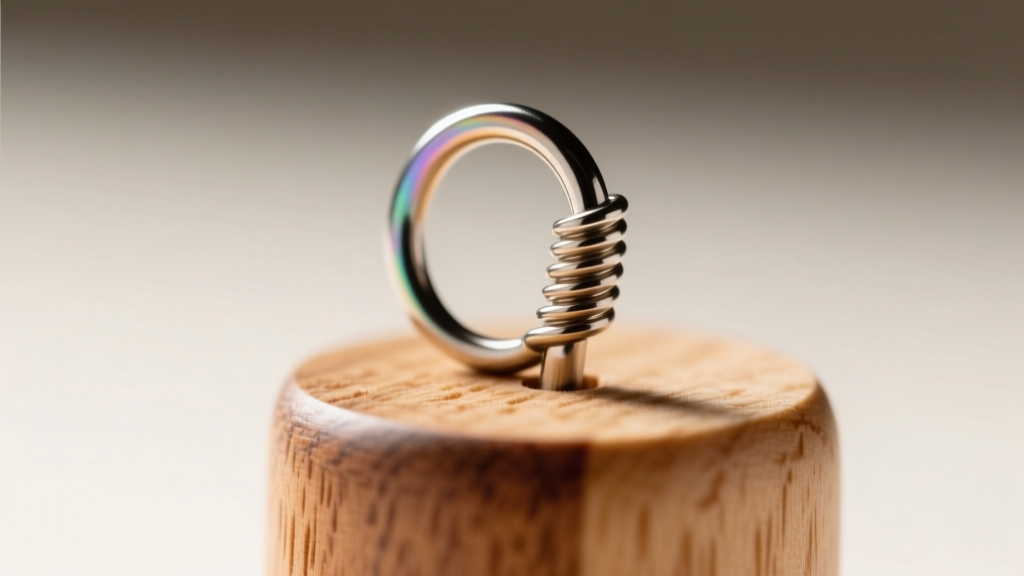
The Hidden Value Killer: Hardware & Hypoallergenic Standards
The most common point of failure in budget wooden earrings is not the wood itself, but the metal hardware. A $10 pair of beautifully laser-cut cherry wood earrings holds exactly zero value if the posts are made of a cheap brass alloy containing nickel. The American Academy of Dermatology notes that nickel contact dermatitis is one of the most common causes of allergic reactions, leading to itchy, swollen, and weeping earlobes. When assessing the budget of wooden earrings, you must audit the hardware.
- Implant-Grade Titanium (ASTM F136): The gold standard for value. It is completely nickel-free, lightweight, and will not react with the natural acidity of your skin or the tannins in the wood. Expect to pay a $5-$10 premium for genuine titanium hardware.
- Niobium: An excellent, highly malleable alternative to titanium, often used for french wires and ear hooks. It is naturally hypoallergenic and can be anodized into vibrant colors that complement the wood grain.
- Surgical Steel (316L): A common mid-tier option. While generally safe for healed lobes, 316L steel still contains trace amounts of nickel (around 8-10%). If you have high metal sensitivities, the "budget savings" of steel hardware are not worth the medical risk.
- "Hypoallergenic" Alloy (Red Flag): If a brand simply stamps "hypoallergenic" on a mystery white metal without specifying the alloy or grade, assume it is plated brass or copper. The plating will wear off within weeks of friction against the hair and skin, exposing the reactive base metal.
Sealing the Deal: Why Raw Wood is a Bad Investment
Wood is a hygroscopic material, meaning it absorbs and releases moisture from the environment. It also absorbs sebum, sweat, and hair products. Unfinished or poorly sealed wooden earrings will quickly warp, crack, and develop an unpleasant odor as trapped organic matter breaks down inside the wood's pores. When evaluating a price tag, examine the finish.
High-value wooden earrings are sealed using penetrating oils (like polymerized tung oil) or cyanoacrylate (CA) resin finishes that cure into a hard, waterproof shell. Mass-market budget earrings are often sprayed with a cheap, matte polyurethane that flakes off near the post hole within a month. A proper resin-dipped or hand-rubbed oil finish adds roughly 20% to the manufacturing cost but increases the lifespan of the earring by a factor of ten.
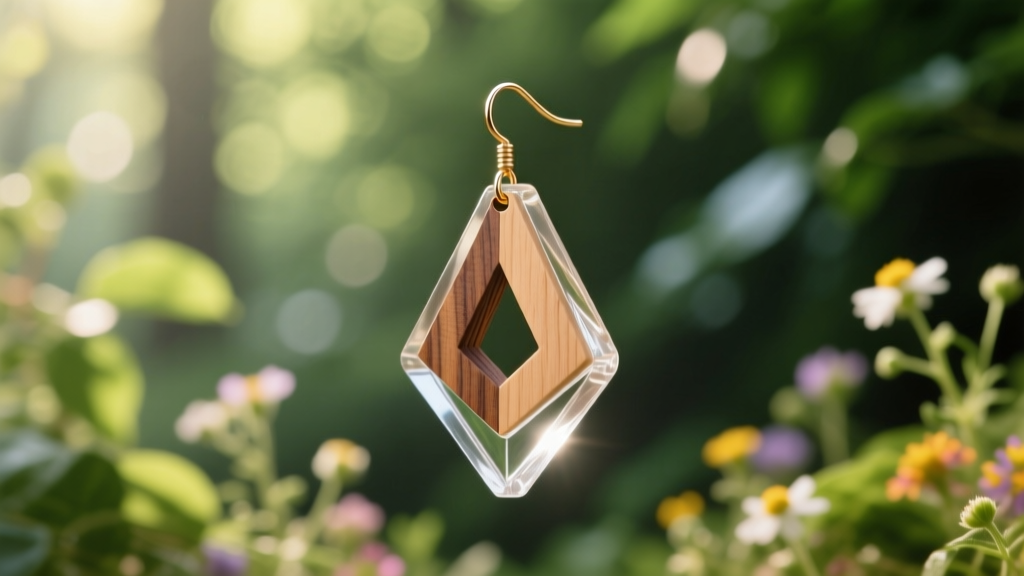
Manufacturing Methods: Laser vs. CNC vs. Hand-Carved
The manufacturing technique heavily influences both the price and the tactile value of the earring. Laser cutting is the most common method for budget and mid-tier wooden earrings. It allows for intricate, lace-like geometric designs that are impossible to achieve by hand. However, low-quality lasers leave a thick, blackened "char" mark on the edges that can stain the skin and clothing. High-value laser-cut earrings undergo a secondary tumbling or sanding process to remove this char.
CNC routing and hand-carving are reserved for thicker, three-dimensional studs and hoops. These methods leave clean, unburnt wood edges but require significantly more labor and material thickness, driving the price up into the $40+ range. If you are buying flat, 2mm-thick dangles, you should expect laser-cut precision; if you are buying 8mm-thick geometric studs, you should expect routed or carved edges with a smooth, beveled transition.
2026 Pricing Tiers: What You Should Actually Pay
To help you navigate the market, here is a realistic breakdown of what you should expect to pay for wooden earrings in 2026, based on material quality and hardware standards.
Under $15: The Fast Fashion Zone
At this price point, you are typically looking at thin Baltic birch plywood or bamboo, cut with low-wattage lasers, and fitted with alloy or heavily plated steel posts. Value Verdict: Only purchase if you treat them as seasonal, disposable accessories. Do not wear them in high humidity or while exercising.
$20 to $45: The Artisan Sweet Spot
This is where true value lives. Expect solid domestic hardwoods (Walnut, Maple, Cherry), finished with natural waxes or eco-resins, and assembled with genuine titanium or niobium hardware. The edges will be sanded smooth, and the wood grain will be carefully matched for symmetry. Value Verdict: The highest return on investment for everyday wearers and those with sensitive skin.
$50 to $120+: The Luxury & Exotic Market
Here, you are paying for exotic, sustainably sourced woods (like reclaimed Mahogany or certified Ebony), intricate 3D carving, and potentially the integration of secondary materials like crushed turquoise inlay or 14k gold wire wrapping. Value Verdict: Excellent for collectors and statement pieces, but often too heavy for all-day, un-stretched lobe wear.
Final Verdict: Maximizing Your Wooden Earring Budget
When shopping for wooden earrings, the cheapest option is rarely the most economical in the long run. A $12 pair of raw pine earrings with nickel posts will result in warped wood and an ear infection, costing you far more in replacements and dermatology creams. By targeting the $25 to $40 range, you can secure domestic hardwoods sealed with waterproof resins and anchored by implant-grade titanium. This specific combination guarantees a lightweight, hypoallergenic, and structurally sound accessory that will retain its beauty and integrity for years, proving that true style is always a smart investment.


