How to Safely Clean and Maintain Wrap Around Earrings
Learn how to safely clean wrap around earrings, restore cuff tension, and prevent tarnish without damaging delicate metals or gemstones.

The Unique Anatomy and Vulnerabilities of Wrap Around Earrings
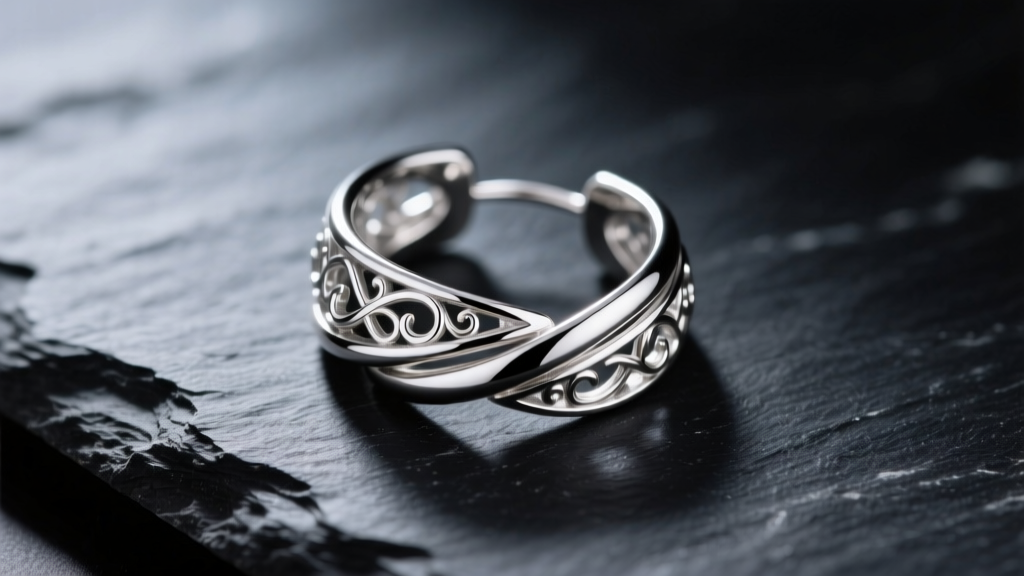
Wrap around earrings, frequently referred to as ear cuffs, cartilage spirals, or wrap hoops, represent a unique category of jewelry that relies heavily on mechanical tension and precise structural geometry. Unlike traditional post earrings that are secured by a friction back or a threaded screw, wrap around earrings cling to the ear's cartilage or lobe through carefully calibrated pressure. While this design offers the aesthetic appeal of multiple piercings without the commitment of needles, it introduces specific maintenance challenges that standard jewelry care guides often overlook.
The primary vulnerability of wrap around earrings lies in their inner curvature. Because they wrap tightly around the ear's anatomical folds, the interior metal surface is in constant contact with the skin. This creates a micro-environment that traps sebum, dead epidermal cells, cosmetic residues, and environmental pollutants. Over time, this organic buildup not only accelerates metal tarnishing but can also lead to contact dermatitis. Furthermore, the repeated act of sliding the cuff on and off the ear subjects the metal to cyclical stress, leading to work hardening, metal fatigue, and an eventual loss of the very tension required to keep the earring in place.
Step-by-Step Cleaning Protocol for Cuffs and Wraps
To maintain the structural integrity and visual brilliance of your wrap around earrings, you must adopt a cleaning regimen that addresses both organic buildup and inorganic tarnish without compromising the metal's temper. According to guidelines from the Gemological Institute of America (GIA), the porosity of any inset gemstones must dictate your cleaning chemistry.
Phase 1: Dry Debris Removal
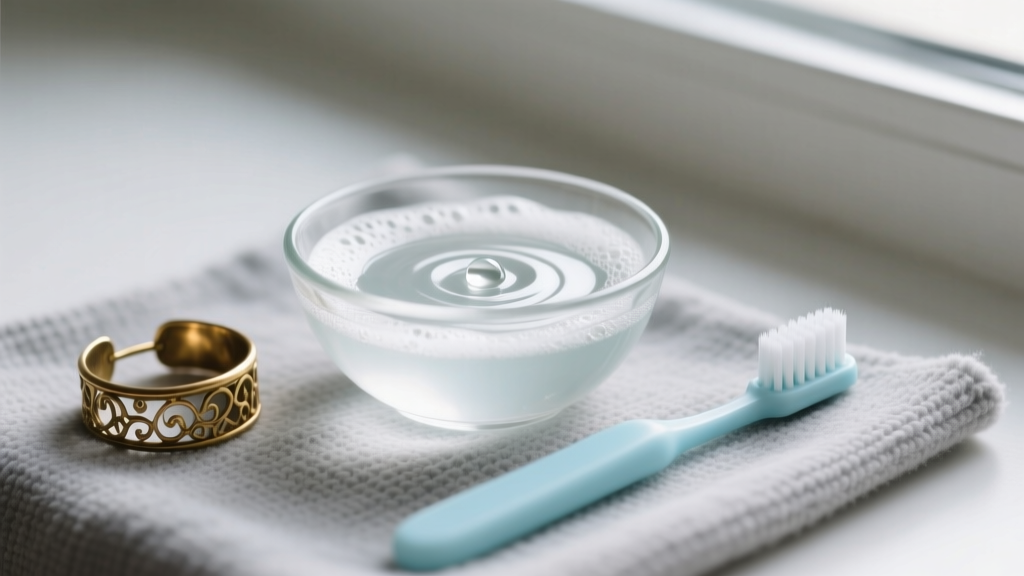
Never submerge a heavily soiled wrap earring directly into water. Doing so can turn trapped cosmetic powders and dead skin into a stubborn, paste-like substance that lodges deeper into the metal's crevices or gemstone settings. Instead, use a clean, dry, ultra-soft baby toothbrush or a specialized jewelry detailing brush with nylon bristles. Gently agitate the inner curve of the wrap and the area around any prong or bezel settings to dislodge dry particulate matter. For intricate filigree wraps, a burst of compressed air (held at least six inches away) can effectively blow out loose debris from hard-to-reach galleries.
Phase 2: The Surfactant Wash
For standard metals like sterling silver, 14k gold, and platinum, a mild surfactant is your safest cleaning agent. Mix a few drops of phosphate-free, lotion-free dish soap (such as original blue Dawn) into a bowl of lukewarm distilled water. Avoid tap water, as the dissolved minerals and chlorine can leave microscopic water spots or react with base metal alloys. Submerge the wrap around earrings for no more than three to five minutes. This brief soak softens residual sebum without risking the adhesive integrity of any glued gemstone inlays. After soaking, use your soft brush to gently sweep the interior curve, paying special attention to the tapered ends of the wrap where friction against the skin is highest.
Phase 3: Drying and Polishing
Moisture is the catalyst for tarnish, particularly in copper-heavy alloys like brass or standard 925 sterling silver. After rinsing the earrings under a gentle stream of distilled water, do not simply air-dry them. Use a lint-free microfiber cloth to pat the metal completely dry. To ensure no moisture remains trapped in the tight coils of a cartilage spiral, utilize a hair dryer on the "cool" setting or a can of compressed air to force water droplets out of the crevices. Once bone-dry, buff the exterior with a treated silver or gold polishing cloth to restore the high-shine finish and deposit a micro-thin layer of anti-tarnish protection.
Restoring Tension: Fixing Loose Wrap Around Earrings
The most common complaint regarding wrap around earrings is that they gradually loosen and slip down the ear. This occurs due to a metallurgical phenomenon known as work hardening, combined with the natural outward pressure exerted by the ear's cartilage. When you repeatedly squeeze the cuff open to put it on, you are stretching the metal's crystalline lattice. Over time, the metal yields and loses its "memory" or spring-back tension.
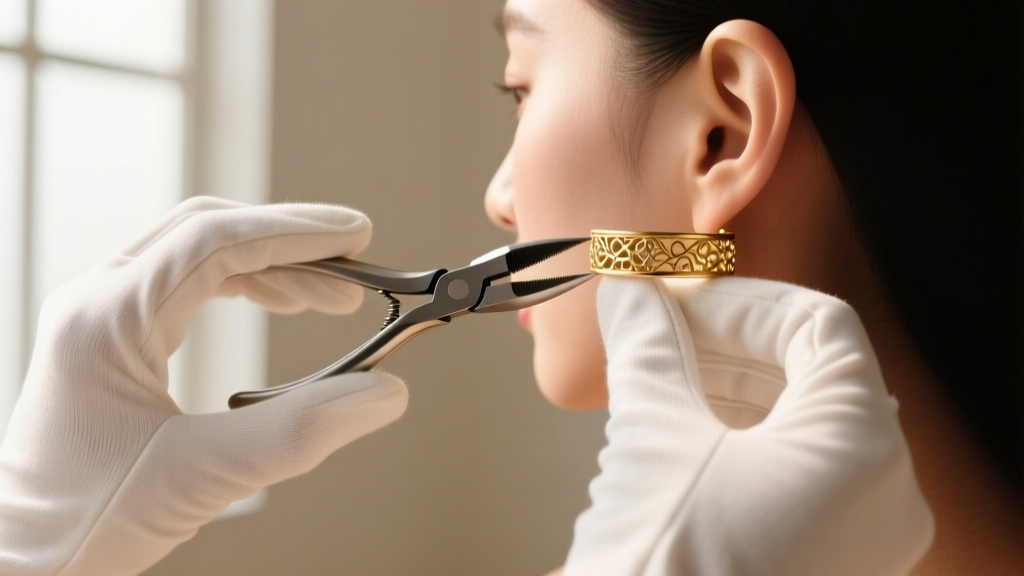
Restoring this tension requires careful, calculated manipulation. You must never use standard steel jewelry pliers directly on your earrings, as the hardened steel teeth will gouge, scratch, and permanently mar the precious metal. Instead, invest in a pair of nylon-jaw pliers or wrap the tips of your pliers in several layers of painter's tape.
| Metal Composition | Tension Retention | Adjustment Risk | Recommended Tool |
|---|---|---|---|
| 925 Sterling Silver | Moderate | High (Prone to snapping if work-hardened) | Nylon-jaw pliers |
| 14k Yellow Gold | High | Moderate (Malleable but expensive to fix) | Taped brass pliers |
| Gold Vermeil / Plated | Low to Moderate | Very High (Bending cracks the plating) | Fingers only (Gentle squeeze) |
| Surgical Steel / Titanium | Very High | Low (Requires significant force to bend) | Heavy-duty nylon pliers |
To tighten a loose wrap earring, identify the fulcrum point—usually the center of the curve opposite the opening. Apply gentle, incremental inward pressure using your nylon-jaw pliers. Squeeze slightly, test the tension on your ear, and repeat. It is crucial to make micro-adjustments; bending the metal too far inward and then trying to bend it back outward will cause catastrophic metal fatigue and snap the piece.
Preventing Tarnish, Corrosion, and Skin Irritation
Because wrap around earrings sit flush against the skin, they are highly susceptible to the acidic nature of human sweat and the chemical compounds found in everyday cosmetics. Hairsprays, perfumes, and lotions contain alcohols and volatile organic compounds (VOCs) that can strip the rhodium plating off white gold wraps or accelerate the oxidation of raw brass and copper alloys.
"The golden rule of jewelry maintenance is 'last on, first off.' Your wrap around earrings should be the very last accessory you put on after your cosmetics and perfumes have fully dried, and the very first thing you remove when you begin your evening skincare routine."
If you experience skin irritation or a greenish discoloration on your ear cartilage, this is typically not an allergic reaction to the metal itself, but rather a reaction to the trapped bacteria and oxidized metal salts mixing with your skin's natural moisture. To sanitize your wrap earrings and prevent this, wipe the interior curve with a cotton swab dipped in 70% isopropyl alcohol once a week. Note: Never use alcohol on wrap earrings featuring porous gemstones like turquoise, opal, pearl, or malachite, as the alcohol will dehydrate the stone and cause severe crazing or cracking, as warned by Jewelers of America.
Advanced Storage Solutions to Prevent Warping
How you store your wrap around earrings when they are not on your ear is just as critical as how you clean them. Tossing these tension-dependent pieces into a communal jewelry box guarantees they will become tangled, scratched, and, most importantly, warped. If a delicate ear cuff is crushed under the weight of a heavy chain necklace, its geometric curve will distort, ruining both the fit and the aesthetic.
For optimal preservation, store each wrap earring individually. Utilize small, anti-tarnish flannel pouches that contain treated silver-guard fibers to absorb ambient sulfur gases in the air. Alternatively, if you prefer to display your collection, use a slotted acrylic or velvet-lined jewelry organizer with dedicated, narrow compartments that support the earring's natural curve without applying lateral pressure. For spiral cartilage wraps, consider using small, cylindrical foam inserts (similar to those used for ring sizing) to slide the wrap onto, ensuring the metal retains its exact coiled shape during long-term storage. By combining meticulous cleaning, mindful tension adjustments, and structural storage, your wrap around earrings will remain secure, brilliant, and comfortable for years of continuous wear.