Yellow Drop Earrings: The Definitive Buying Guide
Discover how to choose the perfect yellow drop earrings. Compare gemstones, metal pairings, face-shape mechanics, and secure hardware options.

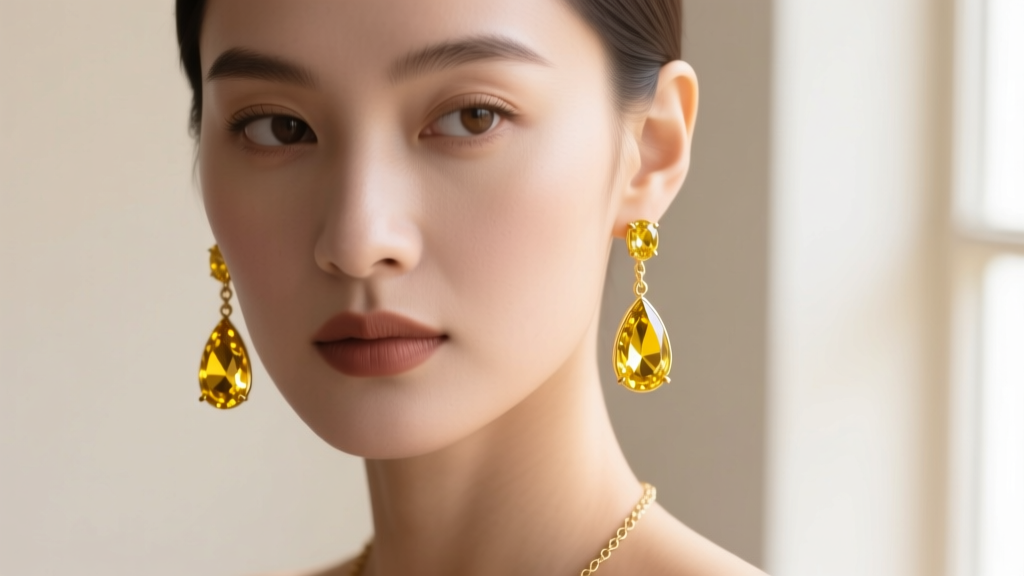
The Allure and Mechanics of Yellow Drop Earrings
Yellow drop earrings occupy a unique space in fine jewelry. Unlike studs that sit flush against the lobe or hoops that frame the periphery of the face, drop earrings introduce kinetic energy, color, and verticality. The color yellow itself is historically associated with vitality, intellect, and warmth, making it a highly sought-after hue in contemporary jewelry design. However, purchasing a high-quality pair requires navigating a complex matrix of gemological durability, metallurgical integrity, and ergonomic weight distribution.
As we move through 2026, the market has seen a surge in demand for alternative yellow gemstones, moving beyond traditional citrine into ethically sourced yellow sapphires and lab-grown canary diamonds. This guide provides a rigorous, expert-level breakdown of what to look for when investing in yellow drop earrings, ensuring your purchase is both visually stunning and structurally sound for daily wear.
Decoding Yellow Gemstones: Beyond Basic Citrine
The longevity of a drop earring is heavily dictated by the gemstone's position on the Mohs scale of hardness. Because drop earrings swing and are prone to accidental impacts against desks, steering wheels, and hairbrushes, selecting a stone with adequate toughness is paramount. According to the Gemological Institute of America (GIA), understanding a gem's cleavage and fracture tendencies is just as critical as its scratch resistance.
Citrine: The Accessible Classic
Citrine (Mohs 7) is the most ubiquitous yellow gemstone. It is a variety of quartz, and the vast majority of citrine on the market is actually heat-treated amethyst. While it offers excellent clarity and a warm, honey-like hue, its hardness of 7 means it can accumulate micro-scratches over years of daily wear. For drop earrings, citrine is best reserved for occasional wear or protected in bezel settings rather than exposed prong settings.
Yellow Sapphire: The Daily Wear Champion
Yellow sapphire (Mohs 9) is a corundum variety colored by trace amounts of iron. It is exceptionally durable, lacking any true cleavage planes, which makes it highly resistant to chipping. The International Gem Society notes that unheated yellow sapphires with vivid saturation command a premium, but heat-treated stones are completely stable and widely accepted in the fine jewelry market. For a drop earring meant for everyday office wear, yellow sapphire is the optimal choice.
Heliodor and Canary Diamonds
Heliodor (yellow beryl, Mohs 7.5-8) offers a crisp, lemon-yellow alternative to sapphire at a lower price point, though it requires more careful handling. Canary diamonds, colored by nitrogen impurities during formation, represent the pinnacle of luxury. With a Mohs hardness of 10 and immense toughness, they are virtually impervious to daily wear and tear, though they command exponentially higher prices.
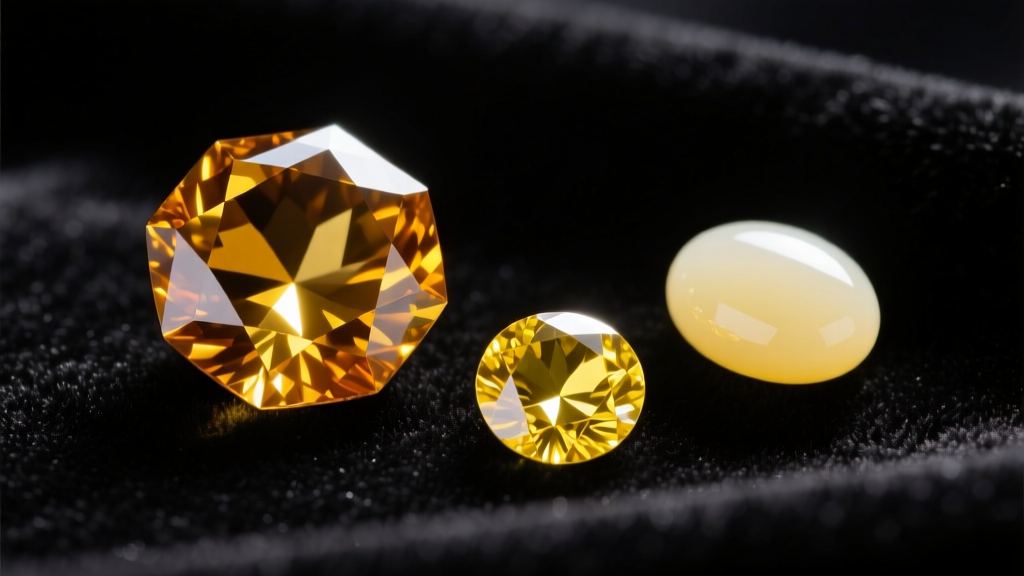
| Gemstone | Mohs Hardness | Avg Price / Carat | Durability Risk | Recommended Setting |
|---|---|---|---|---|
| Citrine | 7 | $15 - $50 | Prone to surface scratching | Bezel or Halo |
| Yellow Sapphire | 9 | $300 - $1,500 | Very low; excellent toughness | Prong or Tension |
| Heliodor | 7.5 - 8 | $50 - $150 | Moderate; can chip on hard impact | Bezel |
| Canary Diamond | 10 | $3,000+ | Extremely low | Any (Prong preferred for light) |
Metallurgy: Choosing the Right Gold Karat
The metal housing your yellow gemstone must balance color harmony with structural rigidity. Yellow gold is the traditional pairing, enhancing the warmth of the stone, but the karat weight drastically alters the earring's performance.
- 14k Yellow Gold (58.5% Gold): This is the superior choice for the earring post and the structural armature of the drop. The higher alloy content (usually copper and silver) provides the tensile strength needed to prevent the post from bending when the earring is bumped.
- 18k Yellow Gold (75% Gold): 18k gold offers a richer, more saturated yellow hue that beautifully complements pale yellow gemstones like heliodor. However, it is softer. It is best used for the bezel or basket holding the stone, rather than the post itself.
- Platinum and White Gold: For a high-contrast, modern aesthetic, pairing a vivid yellow sapphire with platinum or rhodium-plated 18k white gold creates a striking visual boundary that makes the yellow color appear more saturated.
Ergonomics and Hardware: Solving the Fulcrum Effect
The most common point of failure in drop earrings is not the metal breaking, but the earring drooping forward due to poor weight distribution. A drop earring acts as a lever, with the earlobe piercing serving as the fulcrum. If the center of gravity of the earring sits too far below the piercing, the earring will tilt forward, hiding the gemstone against the neck.
Securing Heavy Drops
To combat the fulcrum effect, you must evaluate the earring back and post thickness. Standard 20-gauge (0.81mm) posts are often too thin for heavy stone drops. Look for 18-gauge (1.02mm) posts which provide a stiffer lever arm. Furthermore, standard butterfly friction backs are insufficient for drops weighing more than 4 grams per earring.
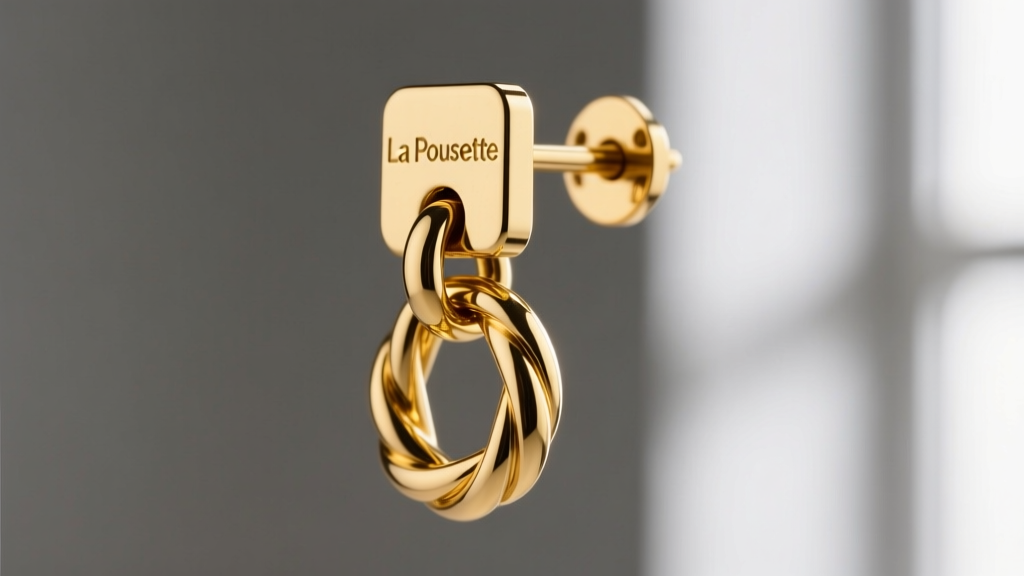
Expert Tip: For heavy yellow sapphire or diamond drops, insist on La Pousette backs (a mechanical push-back with a locking click mechanism) or screw-backs. If using French wire hooks, always pair them with high-quality silicone O-ring stoppers to prevent the earring from sliding too far back on the lobe, which exacerbates forward drooping.
Proportions: Matching Drop Length to Face Shape
Yellow is a highly reflective, attention-grabbing color. The length and geometry of the drop will actively guide the observer's eye across your facial structure. Use these proportional guidelines to select the most flattering silhouette:
- Round Faces: Opt for elongated, linear bar drops or narrow marquise-cut yellow sapphires. The vertical line creates an optical illusion that elongates the jawline and neck. Avoid wide, circular chandelier drops.
- Square Faces: Choose teardrop or pear-shaped gemstones with curved metallic halos. The soft, rounded bottom of a pear-cut citrine drop helps to visually soften a strong, angular jawline.
- Oval Faces: Oval faces are highly versatile. Medium-length geometric drops or articulated multi-stone drops that sit just below the earlobe will highlight the natural symmetry of the face without overwhelming it.
- Heart-Shaped Faces: Look for bottom-heavy designs, such as a delicate chain drop terminating in a larger, faceted yellow beryl stone. This adds visual weight to the lower half of the face, balancing a narrower chin.
Investment Tiers: What to Expect in 2026
Understanding market pricing prevents overpaying for treated stones or underpaying for suspiciously cheap gems. Here is a realistic breakdown of the current market for yellow drop earrings:
The Fashion Tier ($100 - $400): In this range, expect 10k or 14k gold vermeil over sterling silver, or solid 10k gold. Gemstones will primarily be citrine or yellow chalcedony. The hardware will likely be standard friction backs. These are excellent for trend-driven seasonal wear.
The Fine Jewelry Tier ($800 - $2,500): This tier features solid 14k or 18k gold construction. You will find genuine, earth-mined yellow sapphires (typically 1.00 to 2.50 total carat weight) with good clarity. Posts will be thicker (18-gauge), and settings will feature secure prongs or bezels. This is the sweet spot for high-quality, durable daily-wear earrings.
The Investment Tier ($5,000+): Here you enter the realm of unheated, vivid yellow sapphires with origin reports from reputable labs (like GIA or GRS), or natural and lab-grown canary diamonds. The craftsmanship will include articulated hinges, hidden diamond accents, and specialized locking earring backs.
Final Checklist for the Buyer
Before finalizing your purchase of yellow drop earrings, verify the following data points with the jeweler: the exact Mohs hardness of the featured stone, the karat weight and alloy composition of the metal, the gauge thickness of the ear post, and the specific locking mechanism of the earring back. By prioritizing structural ergonomics alongside gemological beauty, your yellow drop earrings will remain a vibrant, secure, and flattering staple in your jewelry rotation for decades to come.


