Zircon Earrings Buying Guide: How to Choose Quality Gems
Discover how to choose the perfect zircon earrings. Learn the differences between natural zircon and cubic zirconia, metal pairings, and pricing.

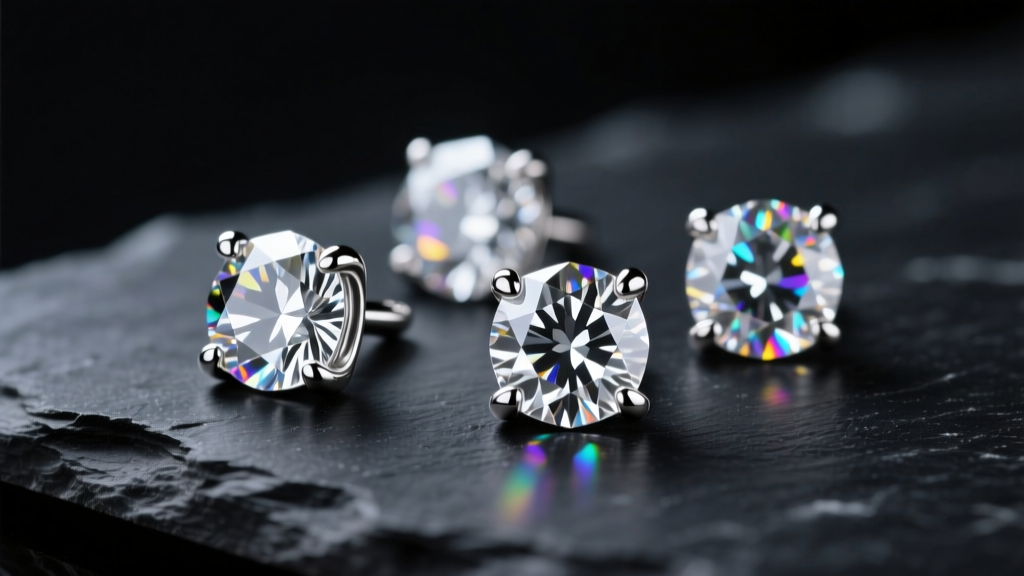
When shopping for zircon earrings in 2026, the first hurdle most buyers face is a fundamental misunderstanding of terminology. The jewelry market frequently conflates 'zircon' with 'cubic zirconia,' yet these are two entirely distinct materials with different gemological properties, price points, and care requirements. Whether you are seeking the fiery brilliance of a diamond simulant or the rare, earth-mined beauty of a natural gemstone, this comprehensive buying guide will equip you with the exact specifications needed to make an informed purchase.
The Great Confusion: Natural Zircon vs. Cubic Zirconia
Before evaluating cut or setting, you must determine which 'zircon' you are actually buying. According to the Gemological Institute of America (GIA), natural zircon is a spectacular, historically significant gemstone composed of zirconium silicate. It is prized for its high refractive index (1.81–1.98) and strong birefringence, which creates a mesmerizing 'facet doubling' effect visible under a jeweler's loupe.
Conversely, cubic zirconia (CZ) is a lab-created crystalline oxide of zirconium. It is entirely synthetic and serves primarily as a diamond simulant. CZ boasts a higher refractive index (2.15–2.18) and exceptional dispersion (0.058–0.066), giving it the rainbow 'fire' that many consumers associate with high-end diamond alternatives. When a retailer advertises 'zircon earrings' at a $30 price point, they are selling CZ. If you want natural, earth-mined zircon, you must look for specific color descriptors (like 'blue zircon' or 'white zircon') and expect to pay genuine gemstone prices.
Evaluating Quality: What to Look For in the Stones
The criteria for judging quality differ vastly depending on whether you are buying natural or synthetic stones.
For Cubic Zirconia (CZ) Earrings
- Cut Precision: Because CZ is relatively inexpensive, top-tier manufacturers use machine-cut faceting that mimics the Ideal Cut of a diamond. Look for terms like 'Hearts and Arrows' or 'precision-cut.' Poorly cut CZ will look glassy and flat.
- Clarity: High-quality CZ should be entirely flawless to the naked eye (VVS equivalent). Any visible clouds or inclusions indicate a low-grade manufacturing process.
- Coating: In 2026, many premium CZ earrings feature a nanoscale diamond-like carbon (DLC) coating. This enhances scratch resistance and prevents the stones from absorbing oils and becoming cloudy over time.
For Natural Zircon Earrings
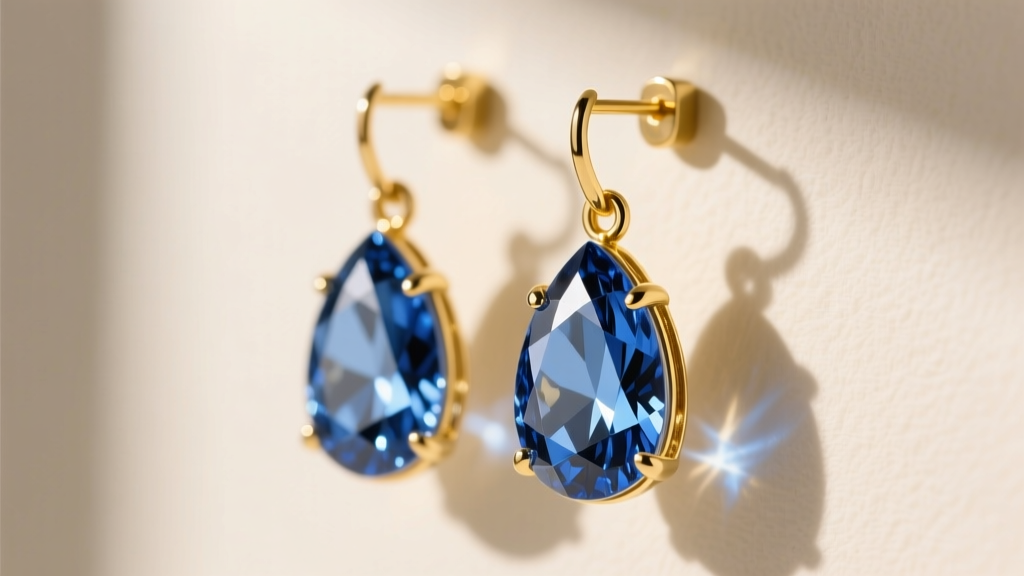
- Color Saturation: Blue zircon is the most popular variety for earrings, achieved through heat treatment of brown zircon. Look for a vibrant, medium-dark teal or sky blue without gray modifiers.
- Clarity: Natural zircon is typically Type I or Type II for clarity. Expect eye-clean stones for earrings, though minor silk or needle-like inclusions are acceptable in larger carat weights.
- Brittleness: Natural zircon has a Mohs hardness of 6.5 to 7.5 and is notably brittle. Avoid stones with surface-reaching fractures or chips along the girdle.
Metal Pairings and Hypoallergenic Considerations
The metal you choose dictates both the aesthetic and the longevity of your earrings, especially for sensitive earlobes or cartilage piercings.
Expert Tip: If you have nickel allergies, avoid cheap 'silver-plated' brass settings often used for budget CZ earrings. Always verify that the base metal is either 925 sterling silver, solid gold, or implant-grade titanium.
- Rhodium-Plated 925 Sterling Silver: The industry standard for CZ earrings. Rhodium provides a bright, white-metal finish that matches the icy look of colorless CZ while preventing silver tarnish. Ensure the plating is at least 0.5 microns thick for longevity.
- 14k or 18k Solid Gold: Ideal for natural blue or white zircon. Yellow gold creates a striking, vintage contrast with blue zircon, while white gold offers a modern, cohesive look.
- ASTM F136 Titanium: The ultimate choice for fresh piercings or severe metal sensitivities. While less common in high-end natural zircon settings, titanium is increasingly used for premium CZ huggies and cartilage studs.
Pricing Breakdown: What Should You Expect to Pay?
Understanding the 2026 market rates prevents you from overpaying for synthetic stones or underestimating the value of natural gems. Below is a comparative pricing guide for standard earring styles (e.g., 1-carat total weight studs or small drop earrings).
| Stone & Metal Combination | Average Price Range | Value Proposition |
|---|---|---|
| CZ in Sterling Silver (Rhodium) | $25 – $75 | Best for everyday wear, travel jewelry, and budget-friendly brilliance. |
| CZ in 14k Solid Gold | $150 – $350 | Best for hypoallergenic needs and long-term metal durability. |
| Natural White Zircon in 14k Gold | $250 – $600 | Best for vintage collectors seeking a natural, high-dispersion diamond alternative. |
| Natural Blue Zircon in 18k Gold | $500 – $1,500+ | Best for statement pieces, anniversary gifts, and gemstone connoisseurs. |
Setting Styles for Maximum Brilliance and Protection
Because natural zircon and CZ have different physical vulnerabilities, the setting style is not just an aesthetic choice—it is a protective necessity.
Prong Settings (4-Prong or 6-Prong)
Prong settings allow maximum light entry, which is crucial for showcasing the high dispersion of CZ and the birefringence of natural zircon. For CZ, standard prongs are perfectly safe due to its 8.5 Mohs hardness. For natural zircon, ensure the prongs are thick and regularly checked, as the stone's girdle is prone to chipping if knocked against hard surfaces.
Bezel and Halo Settings
If you are investing in natural blue zircon drops or studs, a bezel setting (where a rim of metal completely encircles the stone's edge) is highly recommended. This protects the brittle girdle from impact. Alternatively, a diamond or CZ halo not only adds extra sparkle but acts as a physical bumper to shield the central zircon gemstone.
Pavé and Channel Settings
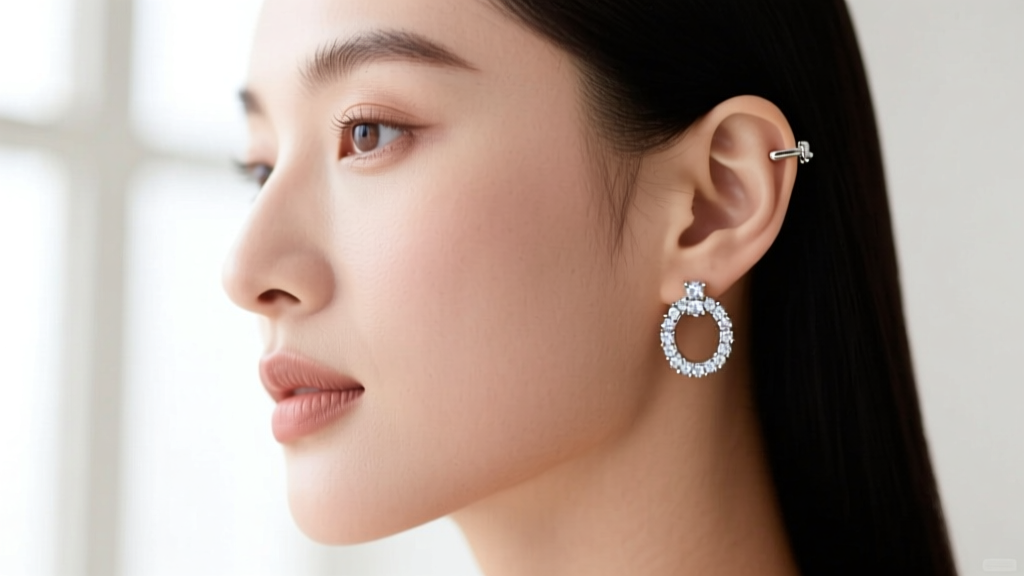
Highly popular for huggie hoops and ear cuffs, pavé settings use dozens of tiny CZ stones. When buying pavé zircon earrings, inspect the setting under magnification or request high-resolution macro photos. Ensure the metal beads holding the stones are uniform and that no stones are loose or unevenly aligned, which is a common defect in mass-produced fashion jewelry.
Care, Cleaning, and Longevity
Maintaining the fiery brilliance of your earrings requires specific cleaning protocols.
- Cleaning CZ: Cubic zirconia is highly porous compared to diamonds and will attract lotions, sebum, and soap scum, leading to a cloudy appearance. Clean CZ earrings weekly using warm water, a drop of mild dish soap, and a soft-bristled baby toothbrush. Avoid harsh chemical dips.
- Cleaning Natural Zircon: Never use ultrasonic or steam cleaners on natural zircon. The high-frequency vibrations can easily fracture the stone due to its brittle nature and internal tension from heat treatment. Stick to gentle wiping with a damp microfiber cloth.
- Storage: Store zircon earrings in a soft velvet pouch separate from diamonds, sapphires, or rubies. While CZ is hard enough to scratch other jewelry, natural zircon can be easily scratched by harder gems.
Final Verdict: Which Zircon Earring is Right for You?
If your goal is to achieve maximum, diamond-like sparkle on a budget, or if you need durable jewelry for daily cartilage and lobe wear, precision-cut cubic zirconia earrings set in rhodium-plated silver or solid gold are your best option. They offer unparalleled fire and require minimal financial investment.
However, if you are a gemstone enthusiast seeking a rare, earth-mined stone with incredible optical properties and historical prestige, natural blue or white zircon earrings are a spectacular choice. By prioritizing protective bezel settings, verifying the metal purity, and adhering to strict, non-ultrasonic cleaning methods, your natural zircon earrings will remain a breathtaking staple in your collection for decades.


