The 2026 Family Jewelry Ring Gift Guide for Every Occasion
Find the ideal family jewelry ring for any milestone. Our 2026 gift guide covers materials, engravings, and occasion-matching for parents and siblings.

The Art of Gifting a Family Jewelry Ring
Gifting a family jewelry ring is one of the most profound ways to commemorate a milestone, honor a legacy, or celebrate the unbreakable bonds of kinship. Unlike standard fashion rings, a family ring carries the weight of generational storytelling. Whether you are marking a mother’s journey, celebrating a father’s legacy, or forging a subtle connection between siblings, selecting the right piece requires a careful balance of emotional resonance and metallurgical pragmatism. In 2026, the trend has shifted heavily toward bespoke, highly durable pieces designed to be worn daily and passed down as modern heirlooms.
This comprehensive guide will walk you through the exact material grades, setting styles, and fit profiles necessary to choose a meaningful family jewelry ring that survives the rigors of everyday life while retaining its sentimental brilliance.
Material Selection: Balancing Sentiment and Durability
When investing in a piece meant to span generations, the metal alloy is just as critical as the design. According to the Gemological Institute of America (GIA), understanding gold purity and alternative metal properties is essential for longevity.
Gold Alloys: 14k vs. 18k
For a family jewelry ring that will be worn daily—especially for mothers or active siblings—14k gold is the superior choice. Composed of 58.5% pure gold and 41.5% alloy metals (like copper, zinc, or silver), 14k gold offers exceptional scratch resistance and structural integrity. It is ideal for holding prongs securely over decades. 18k gold (75% pure) offers a richer, warmer color and is highly hypoallergenic, but its softer nature makes it more prone to denting and prong wear over time. Reserve 18k for low-impact stacking rings or occasional-wear signets.
Platinum and Tungsten Carbide
For a father’s signet or a gender-neutral heirloom band, Platinum (95% pure, usually alloyed with ruthenium) is the gold standard. It is incredibly dense, hypoallergenic, and develops a desirable 'patina' over time rather than wearing away. Conversely, Tungsten Carbide is a popular, budget-friendly option for men's family rings due to its extreme scratch resistance. However, tungsten cannot be resized and will shatter under extreme blunt force, making it a less viable multi-generational heirloom compared to platinum.
Occasion Matching: Which Ring for Which Milestone?
Matching the style of the family jewelry ring to the specific occasion ensures the gift feels deeply personal. Below is a strategic framework for 2026 gifting.
| Occasion | Ideal Ring Style | Recommended Material | Estimated Budget |
|---|---|---|---|
| Mother's Day / New Matriarch | Multi-stone Mother's Ring | 14k Yellow or Rose Gold | $450 - $1,200 |
| Father's Day / Retirement | Flat-Face Signet Ring | Platinum or 14k White Gold | $800 - $2,500 |
| Sibling Bonding / Graduation | Flush-Set Stacking Band | 14k or 18k Solid Gold | $250 - $600 |
| Family Reunion / Lineage | Crest-Engraved Pinky Ring | 10k or 14k Yellow Gold | $600 - $1,500 |
Mother’s Rings: Birthstones and Settings
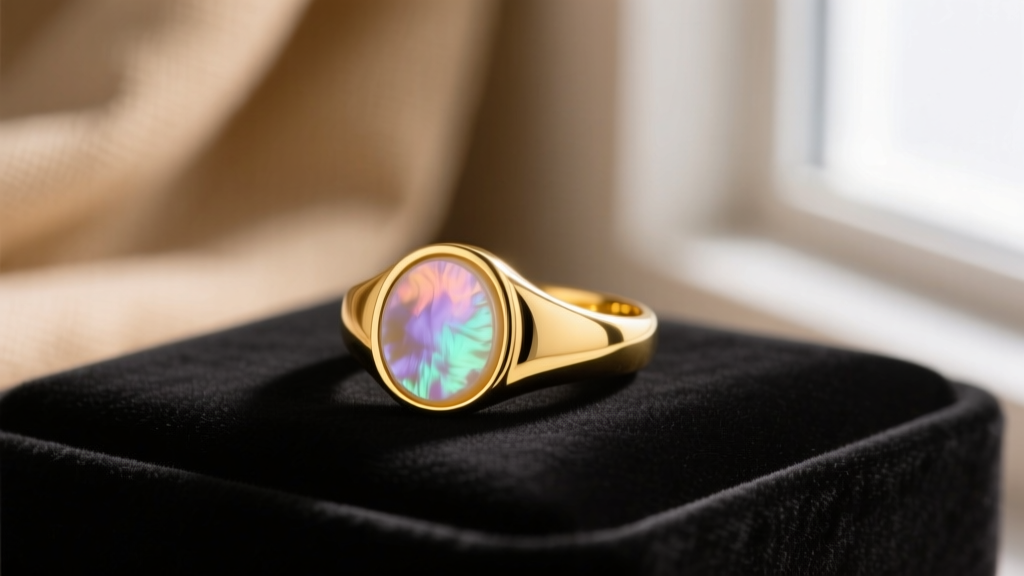
The classic mother’s ring remains a cornerstone of family jewelry, traditionally featuring the birthstones of her children. However, modern 2026 designs have evolved past the bulky, clustered prong settings of the 1990s. Today’s aesthetic favors sleek, bezel-set stones or east-west orientations that sit flush against the finger.
Navigating the Mohs Scale for Birthstones
When incorporating birthstones into a family jewelry ring, you must account for gemstone hardness on the Mohs scale. As detailed by the GIA's Birthstone Encyclopedia, stones like Sapphires (Mohs 9) and Rubies (Mohs 9) are highly durable and can withstand prong settings. Conversely, stones like Opals (Mohs 5.5-6.5), Pearls (Mohs 2.5-4.5), and Emeralds (Mohs 7.5-8, but heavily included) are highly susceptible to chipping. If a family ring includes softer stones, insist on bezel settings or flush/gypsy settings where the metal completely wraps or covers the gem's girdle, protecting it from lateral impacts.
Father’s Signets: Heirlooms in the Making
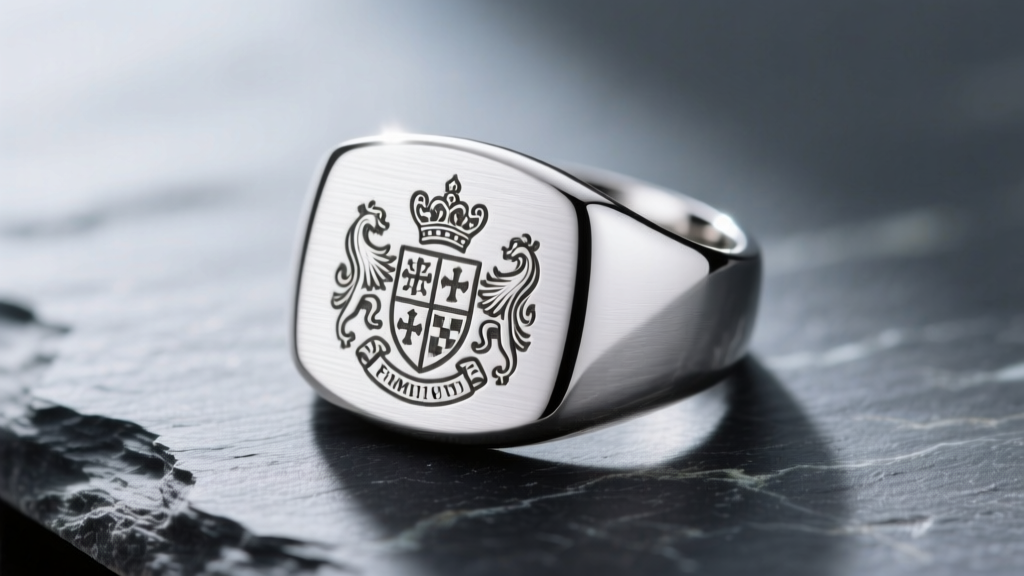
Signet rings have experienced a massive renaissance, transitioning from aristocratic wax-seal tools to sophisticated markers of family identity. When gifting a family jewelry ring to a father or grandfather, the face shape and engraving depth are paramount.
Face Shapes and Dimensions
- Oval (13x18mm): The most traditional and universally flattering shape for a man's index or pinky finger.
- Cushion (15x15mm): A modern, slightly squared-off shape with softened edges, ideal for contemporary, minimalist family crests.
- Octagon: Sharp, geometric, and highly architectural; best suited for monograms rather than intricate crests.
Engraving Techniques
For a true heirloom, opt for deep rotary engraving or hand-carving. While laser engraving is precise and can replicate complex details like fingerprints or handwritten notes, it is inherently shallow. Over 30 years of daily wear, a laser-engraved face will eventually polish away. Deep rotary carving removes more metal, ensuring the family crest remains legible for generations.
Sibling & Generational Stacking Rings
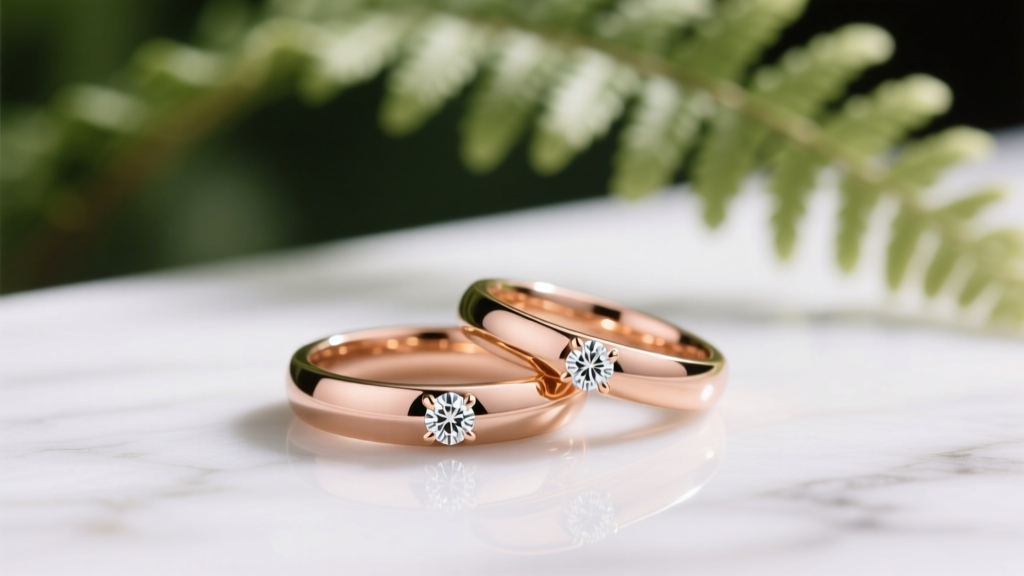
For siblings or cousins looking to carry a subtle piece of their family bond, stacking rings offer a versatile, modern alternative to heavy signets or traditional mother's rings. The key to a successful family jewelry ring stack is uniformity in gauge and profile.
Gauge and Profile Specifications
When purchasing rings meant to be stacked together, ensure they share the same band width (typically 1.5mm to 2.0mm for a delicate look) and the same fit profile. Mixing a 'standard fit' (flat interior) with a 'comfort fit' (domed interior) will cause the rings to sit unevenly on the finger and trap moisture and debris between the bands. For a cohesive family stack, look for flush-set diamonds or subtle milgrain edges that align perfectly when placed side-by-side.
The Crucial Details: Sizing, Fit, and Engraving
The most beautiful family jewelry ring in the world is useless if it cannot be worn comfortably. When gifting a ring, especially as a surprise, sizing and interior profiling are critical.
Comfort Fit vs. Standard Fit
For wider bands (anything over 4mm, such as men's signets or thick lineage bands), always choose a comfort fit. The interior of the ring is slightly domed, reducing the surface area that touches the skin. This allows the ring to slide over the knuckle more easily and prevents the 'suction' effect that can make wide, flat-backed rings difficult to remove in humid weather.
Interior Engraving Ideas
While the exterior displays the family identity, the interior holds the private sentiment. In 2026, popular interior engravings for family rings include:
- Coordinates: The GPS coordinates of the family homestead or where the parents first met.
- Phonetic Spellings: The phonetic pronunciation of a beloved grandparent's name or a childhood nickname.
- Generational Dates: A timeline of birth years (e.g., '1952 • 1980 • 2012') representing the lineage.
Final Thoughts on Gifting Family Rings
Selecting a family jewelry ring is an exercise in foresight. By prioritizing durable alloys like 14k gold or platinum, respecting the Mohs scale when setting birthstones, and choosing deep, traditional engraving methods, you ensure that your gift transcends mere accessory status. It becomes a tangible anchor to your family's history, ready to be worn with pride and eventually passed down to the next generation.


