Troubleshooting Rose Ring Jewelry: Tarnish, Allergies, and Wear
Expert troubleshooting for rose ring jewelry. Fix green skin, copper tarnish, prong wear, and alloy allergies with our metallurgical guide.

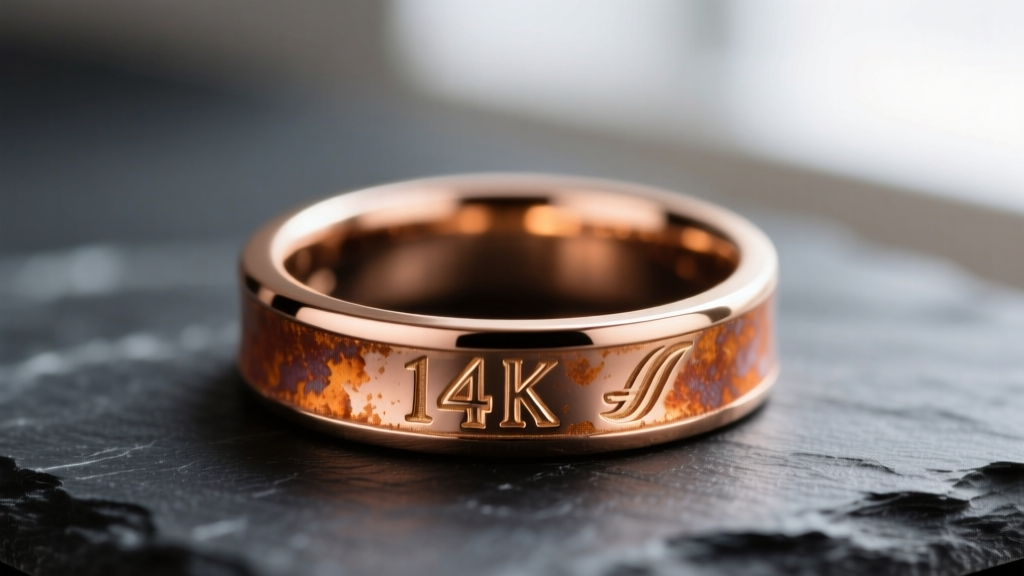
Rose ring jewelry has dominated the market for its romantic, vintage-inspired blush tone. However, the very element that gives this alloy its signature warmth—copper—also introduces a unique set of metallurgical quirks. Unlike yellow or white gold, rose gold reacts differently to environmental factors, skin chemistry, and daily wear. If your favorite rings are turning your fingers green, developing a dull patina, or experiencing prong fatigue, you are not dealing with defective jewelry; you are dealing with basic chemistry.
In this comprehensive troubleshooting guide, we break down the exact material science behind rose gold alloys and provide actionable, professional-grade solutions to restore and protect your rings.
The Copper Conundrum: Why Your Rose Ring Jewelry Turns Skin Green
The most common complaint among wearers of rose ring jewelry is the dreaded "green finger." This is not a sign of fake gold, but rather a predictable chemical reaction involving copper. To understand the fix, you must understand the alloy. According to the Gemological Institute of America (GIA), standard 14k rose gold consists of approximately 58.3% pure gold, 36% copper, and 5.7% silver. The copper content is exceptionally high compared to yellow gold.
When copper is exposed to oxygen, moisture, and the chlorides present in human sweat, it oxidizes to form copper chloride—a green compound that transfers directly to your skin. This reaction is accelerated by acidic skin pH, heavy lotions, and humid environments.
Actionable Solutions for Oxidation
- The Barrier Method (Temporary): Paint the interior band with a thin layer of clear, non-toxic nail polish. This creates a physical barrier between the copper and your skin. Reapply every 2-3 weeks.
- Interior Rhodium Plating (Permanent): Take the ring to a bench jeweler and request an interior rhodium flash. This electroplating process coats the inside of the band in a hypoallergenic, non-reactive white metal. Expect to pay between $35 and $60 for this service, which typically lasts 1 to 2 years before requiring a re-plate.
- Karat Upgrade: If you are purchasing a new piece, opt for 18k rose gold (75% gold, 22.25% copper). The significantly lower copper volume drastically reduces oxidation rates while maintaining the pink hue.
Surface Dulling vs. Structural Patina: Safe Cleaning Protocols
Many owners mistakenly believe their rose ring jewelry is "tarnishing" like sterling silver. Pure gold and copper do not tarnish in the traditional sense; instead, they accumulate a micro-layer of sebum, soap scum, and environmental dust that muffles the metal's reflectivity. Furthermore, copper can develop a dark patina if exposed to harsh chemicals.
The Danger of Chlorine and Ultrasonic Cleaners
Never wear rose gold in chlorinated pools or hot tubs. Chlorine aggressively attacks copper alloys, leading to a phenomenon known as stress corrosion cracking. This microscopic degradation weakens the metal's crystalline structure, often causing the band or prongs to snap under minimal pressure. Similarly, avoid ultrasonic cleaners if your rose gold ring is set with porous gemstones like opals, emeralds, or pearls, as the high-frequency vibrations can fracture inclusions.
The Bench Jeweler's Cleaning Recipe
For safe, at-home maintenance, bypass commercial jewelry dips and use this specific formulation:
- Mix three parts warm distilled water with one part mild, phosphate-free dish soap (e.g., Dawn).
- Add two drops of household ammonia to cut through heavy lotion buildup.
- Soak the ring for exactly 15 minutes—no longer.
- Gently agitate with a baby-soft toothbrush, focusing on the gallery (the underside of the setting).
- Rinse with distilled water and dry immediately with a microfiber cloth to prevent water spots.
Prong Fatigue and Stone Loss in Copper-Heavy Alloys
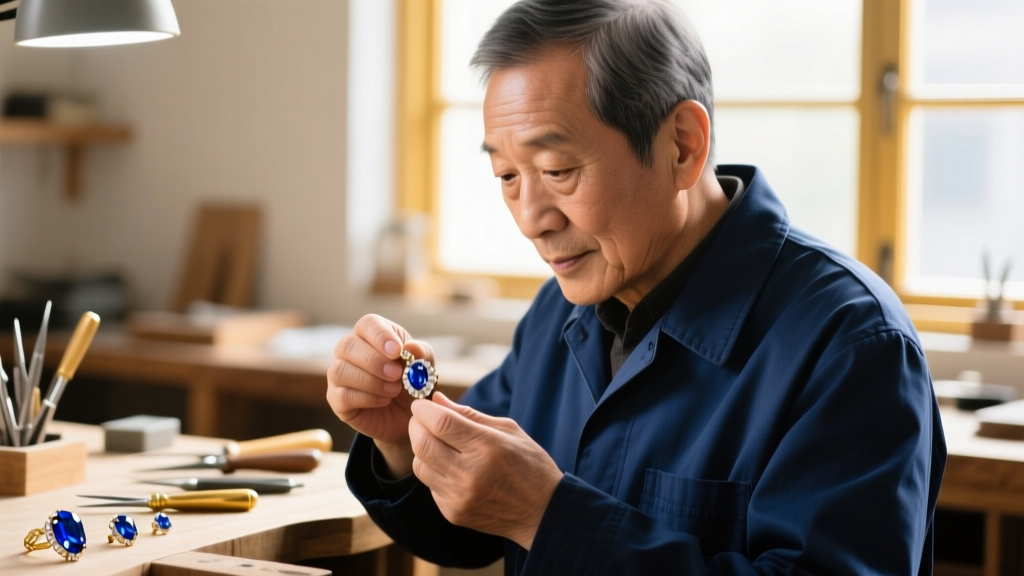
Copper increases the tensile strength and hardness of gold, making 14k rose gold highly resistant to scratching and denting. However, this same hardness makes the metal less malleable. When a jeweler needs to retip a worn prong on a rose gold cocktail ring, traditional torch soldering can be risky; the high heat required can discolor the surrounding copper alloy or damage heat-sensitive stones like morganite, which is frequently paired with rose gold.
If you notice a stone rattling or a prong looking flat and thin, do not attempt to push it back into place with pliers. The lack of malleability means the prong is highly likely to snap. Instead, seek a jeweler who utilizes laser welding. Laser welders use pinpoint, high-heat pulses to fuse new gold wire to the existing prong without transferring heat to the rest of the ring or the gemstone, preserving the structural integrity and color of the rose gold.
Contact Dermatitis: Identifying Hidden Nickel and Zinc
While pure gold and copper are generally hypoallergenic, the Federal Trade Commission (FTC) Jewelry Guides note that manufacturers are permitted to use various secondary metals to achieve specific karat weights and colors. In lower-quality 10k or 14k rose gold, manufacturers sometimes introduce zinc or nickel into the alloy mix to lower production costs or alter the casting properties.
If your rose ring jewelry causes an itchy, red, or flaky rash on your finger, you are likely experiencing a nickel allergy, not a copper reaction. Copper causes green staining; nickel causes contact dermatitis. The only true fix for a nickel allergy is to have the ring professionally assayed and, if necessary, melted down and re-alloyed, or to switch to a high-karat (18k or 22k) rose gold where the remaining 25% is strictly copper and silver.
The Troubleshooting Matrix: Quick Reference Guide
Use the table below to quickly diagnose and resolve the most common issues associated with rose ring jewelry.
| Problem | Root Cause | DIY Fix | Professional Fix (Est. Cost) |
|---|---|---|---|
| Green Skin Staining | Copper oxidizing with sweat chlorides | Clear nail polish on interior band | Interior Rhodium Plating ($45) |
| Dull, Muddy Appearance | Sebum and soap scum buildup | Distilled water, dish soap, ammonia soak | Professional Steam Clean ($15) |
| Dark, Blackish Pitting | Chlorine-induced stress corrosion | None (structural damage) | Laser Welding / Band Rebuilding ($120+) |
| Itchy, Red Rash | Nickel or Zinc in the alloy mix | Remove ring, apply hydrocortisone | Re-alloying or Replacing ($$$) |
| Loose Gemstone | Prong wear due to metal hardness | Stop wearing immediately | Laser Prong Retipping ($65 per prong) |
Final Thoughts on Rose Gold Maintenance

Rose ring jewelry requires a more nuanced approach to care than its yellow or white gold counterparts. By respecting the copper content and understanding how it interacts with your environment, you can prevent structural failures and keep the metal's blush tone vibrant. Whether you are investing in an interior rhodium plate to stop oxidation or utilizing laser welding to protect delicate prongs, treating your rose gold with metallurgical mindfulness ensures it remains a lasting staple in your collection.