The Art of Making Silver Rings Jewelry: A Buyer's Guide
Discover what to look for when buying handcrafted bands. Our guide to making silver rings jewelry covers alloys, casting, and craftsmanship.

Introduction to Artisan Silver Craftsmanship
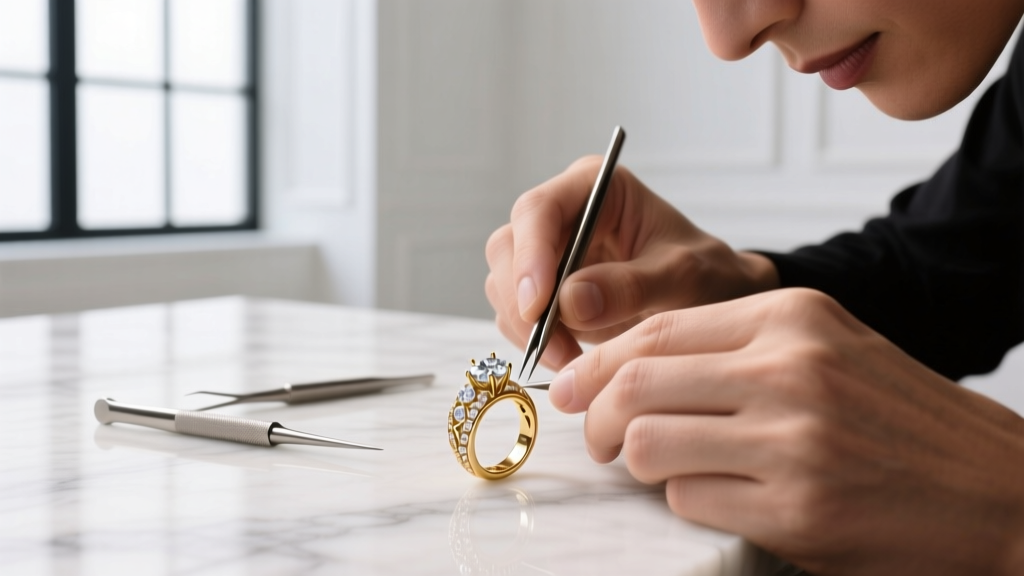
The resurgence of artisan metalwork has transformed how collectors and everyday wearers approach their accessories. When evaluating the art of making silver rings jewelry, understanding the metallurgical choices and construction techniques is paramount. Unlike mass-produced, machine-stamped bands that prioritize speed and uniformity, handcrafted silver rings carry the distinct markers of human intervention—subtle textural nuances, robust structural integrity, and bespoke sizing. However, the term 'handmade' is frequently misused in the modern jewelry market. To make an informed purchase, buyers must look past the aesthetic surface and examine the alloy composition, the forming method, and the structural anatomy of the piece. This comprehensive guide will equip you with the technical knowledge required to evaluate handcrafted silver rings like a seasoned jeweler.
Decoding the Alloys: 925 vs. 999 vs. Argentium
The foundation of any quality ring lies in its metallurgy. Pure silver is too malleable for daily wear, necessitating the creation of alloys. According to The Silver Institute, understanding the exact composition of your ring dictates its longevity, tarnish resistance, and structural memory.
| Alloy Type | Composition | Vickers Hardness (HV) | Tarnish Resistance | Best Application |
|---|---|---|---|---|
| Fine Silver (999) | 99.9% Silver | ~25 HV (Very Soft) | Excellent | Bezel wire, intricate wire-wrapping, low-impact stacking rings |
| Sterling Silver (925) | 92.5% Silver, 7.5% Copper | ~65 HV (Standard) | Moderate (Prone to copper oxidation) | Everyday bands, signet rings, cast gemstone settings |
| Argentium (935/960) | Silver, Copper, Germanium | ~90 HV (When heat-hardened) | Exceptional (Germanium blocks oxidation) | High-wear wedding bands, tension settings, bright white finishes |
For a durable daily-wear ring, standard 925 Sterling is the industry baseline. However, if you are investing in a piece meant to withstand heavy manual work or frequent exposure to moisture, seek out artisans who specialize in Argentium silver. The addition of germanium not only drastically reduces tarnishing but also allows the metal to be heat-hardened after fabrication, yielding a significantly more durable ring.
Fabrication vs. Lost-Wax Casting: The Forming Process
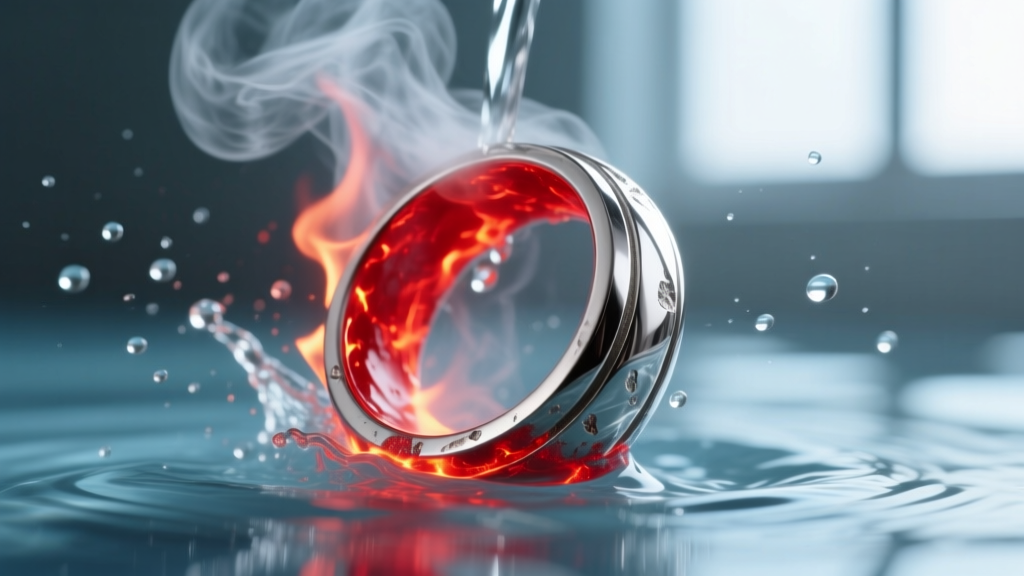
The method used in making silver rings jewelry directly impacts the metal's internal grain structure and, consequently, its durability. There are two primary techniques used by independent jewelers: traditional fabrication and lost-wax casting.
Traditional Fabrication (Forging and Soldering)
Fabricated rings are cut from sheet metal or drawn from wire, then bent, hammered, and soldered into shape. This process aligns the crystalline grain structure of the silver and work-hardens the metal. A fabricated shank is inherently denser and more resistant to bending or warping over time. When you tap a well-forged silver ring against a hard surface, it produces a high-pitched, resonant 'ping'—a hallmark of compressed, work-hardened metal.
Lost-Wax Casting
Casting involves carving a design into wax, encasing it in investment plaster, burning out the wax, and injecting molten silver into the cavity. As detailed by the educational resources at Ganoksin, casting is ideal for highly intricate, three-dimensional designs like signet faces or organic floral motifs that are impossible to achieve with a saw and file. However, cast silver cools with a randomized grain structure, making it slightly more porous and brittle than forged silver. When buying a cast ring, inspect the surface under bright light for 'porosity'—tiny pinholes that indicate trapped gas during the cooling process, which can weaken the band and complicate future resizing.
Evaluating the Anatomy of a Handmade Ring
Beyond the alloy and forming method, the physical dimensions and finishing details separate heirloom-quality jewelry from fast-fashion accessories. Use this structural checklist when evaluating a piece:
- Shank Thickness and Profile: A durable everyday silver ring should have a minimum shank thickness of 1.5mm. For signet rings or heavy cocktail rings, look for a thickness of 2.0mm to 2.5mm. Additionally, consider the interior profile: a 'D-shape' (domed interior) is more comfortable and allows for better airflow against the skin than a harsh 'flat' interior.
- Solder Joints: If the ring is fabricated, the seam where the band meets must be seamless to the naked eye. Run your fingernail over the joint; any catching, pitting, or visible color variation indicates poor temperature control during soldering or the use of low-grade, lead-containing easy solder.
- Stone Setting Mechanics: Silver is a relatively soft metal, making traditional thin prong settings risky for daily wear. Artisans typically favor bezel settings (where a rim of metal is pushed entirely over the gemstone's girdle) or heavy, work-hardened prongs. Ensure the bezel wire is completely flush against the stone with no gaps where snagging could occur.
Patina and Surface Finishes
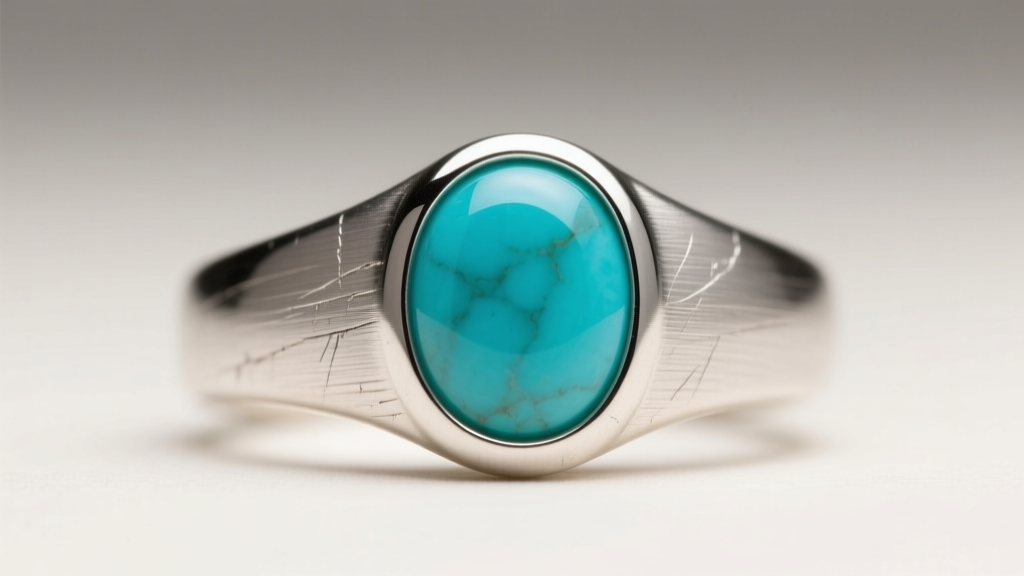
The surface treatment of a silver ring dictates how it will age and interact with the wearer's environment. Handcrafted rings often utilize deliberate oxidation (liver of sulfur) to create contrast, pushing dark patina into recessed textures while polishing the high points. Buyers should be aware that high-polish finishes will naturally develop a satin patina over months of wear, while matte or sandblasted finishes may actually become shinier in high-friction areas. If you prefer a ring that maintains its exact showroom appearance, opt for a brushed or hammered finish, as these textures camouflage the micro-scratches of daily life far better than a mirror polish.
The Pricing Matrix for Artisan Silver
Understanding the economics of making silver rings jewelry helps buyers identify fair market value. While mass-produced silver bands are priced almost exclusively by metal weight, artisan pricing reflects labor, technique, and design intellectual property.
| Ring Category | Construction Method | Expected Price Range (USD) | Value Drivers |
|---|---|---|---|
| Minimalist Stacking Band | Drawn wire, soldered | $45 - $90 | Wire gauge, hammered texture, solder seam quality |
| Textured Signet Ring | Lost-wax cast, hand-finished | $150 - $350 | Sculpting time, silver weight (often 8-15 grams), custom engraving |
| Fabricated Gemstone Ring | Sawed, forged, bezel set | $250 - $600+ | Stone quality, complex soldering, Argentium alloy premium |
Final Verification: Hallmarks and Maker's Marks
Authentic handcrafted jewelry is almost always stamped with a maker's mark—a unique symbol or set of initials registered by the jeweler. While the '925' stamp indicates the metal's purity, it is the maker's mark that provides accountability and traceability. A jeweler confident in their structural integrity and alloy sourcing will proudly stamp their work. When purchasing online or at artisan markets, always ask for a close-up macro photo of the interior shank to verify these hallmarks. By prioritizing structural density, appropriate alloy selection, and masterful finishing, you ensure that your handcrafted silver ring will not merely be a fleeting accessory, but a resilient piece of wearable art engineered to last generations.


