Pd Ring Jewelry Value: Is Palladium Worth It in 2026?
Evaluate the true cost and value of pd ring jewelry in 2026. We compare Pd950 to platinum and white gold, analyzing durability, resizing, and pricing.

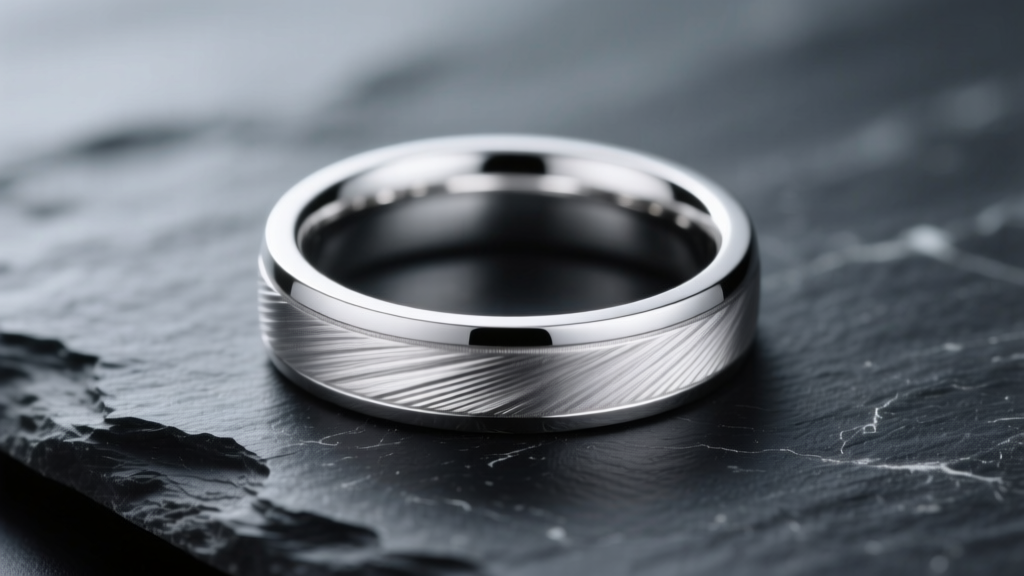
When navigating the modern landscape of fine jewelry, white metals remain a dominant force for engagement rings, wedding bands, and everyday stacking rings. While platinum and white gold have historically held the crown, a shift in global commodity markets has brought a new contender into the spotlight for budget-conscious buyers: palladium. If you have been researching pd ring jewelry, you are likely aware that palladium offers a striking, naturally white finish without the premium price tag of platinum. But does the upfront savings translate to long-term value?
In this comprehensive 2026 value assessment, we break down the metallurgical realities, hidden ownership costs, and market dynamics of Pd950 rings to help you determine if this platinum-group metal (PGM) deserves a permanent spot on your finger.
The Palladium Paradox: Understanding Pd950 in 2026
Palladium (chemical symbol Pd) is a rare, lustrous, silvery-white metal discovered in 1803. In jewelry, it is almost exclusively alloyed as Pd950, meaning it contains 95% pure palladium and 5% alloying metals (usually ruthenium or copper) to provide structural integrity. Unlike 14K or 18K white gold, which requires periodic rhodium plating to maintain its bright white appearance, palladium is naturally white. It will never fade, yellow, or require chemical re-plating.
However, the value proposition of pd ring jewelry in 2026 is heavily tied to macroeconomic factors. Between 2020 and 2022, palladium spot prices skyrocketed past $3,000 per ounce due to severe supply chain disruptions and high demand from the automotive sector (palladium is a critical component in catalytic converters). By 2024, the market corrected violently, and prices plummeted. Today, palladium trades at a significant discount to both gold and platinum, making it an incredibly attractive budget option for buyers who want a premium PGM without the premium markup.
Metallurgical Breakdown: Pd950 vs. Pt950 vs. 14K White Gold
To truly assess the value of a palladium ring, we must look beyond the price tag and examine how the metal behaves on a molecular level. The following table compares the core physical properties of the three most popular white jewelry metals.
| Property | Pd950 (Palladium) | Pt950 (Platinum) | 14K White Gold |
|---|---|---|---|
| Density | 12.02 g/cm³ | 21.45 g/cm³ | ~13.0 g/cm³ |
| Vickers Hardness | ~120 HV | ~90 HV | ~135 HV |
| Rhodium Plating | Never Required | Never Required | Every 1-2 Years |
| Resizing Difficulty | Extreme | Moderate | Easy |
| Relative Metal Cost | Low | High | Medium-High |
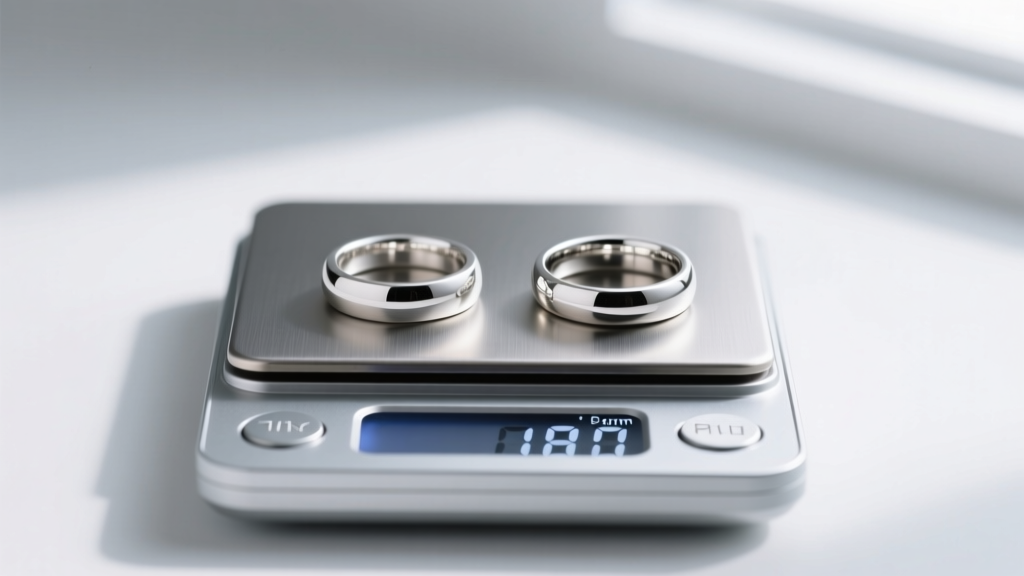
As noted by the Gemological Institute of America (GIA), palladium's lower density is its greatest financial advantage. A 6mm men's wedding band in Pt950 weighs approximately 12 grams. That exact same ring in Pd950 weighs roughly 6.5 grams. Because palladium is currently cheaper per ounce and requires nearly half the physical material to cast the same volume, the raw metal cost of a palladium ring is roughly 25% to 30% of an equivalent platinum ring.
The Hidden Costs of Pd Ring Ownership
While the initial purchase price of pd ring jewelry is undeniably budget-friendly, savvy buyers must factor in the total cost of ownership. Palladium's unique grain structure introduces specific challenges that can erode its value proposition if you are not prepared.
1. The Resizing Nightmare
This is the single biggest drawback of palladium. When heated with a standard jeweler's torch, Pd950 becomes highly brittle and prone to micro-fractures. Resizing a palladium ring requires specialized laser welding equipment and argon gas shielding to prevent oxidation. Many local, independent jewelers will outright refuse to resize a palladium band, or they will charge a steep premium for the risk. Actionable Advice: If you are buying a palladium ring, ensure the retailer offers a robust, free sizing exchange policy for the first year, or invest in a professional 3D finger scan prior to purchase.
2. Patina Development and Polishing
Like platinum, palladium is a malleable metal that displaces rather than loses material when scratched. Over time, these micro-scratches create a satiny finish known as a patina. Because Pd950 is slightly harder than Pt950 (120 HV vs 90 HV), it takes a bit longer to develop this patina. However, once it does, polishing it back to a high mirror shine requires specialized compounds and more labor hours than platinum, meaning professional refurbishment can cost more.
3. Abysmal Resale Value
According to Johnson Matthey's PGM Market Research, the secondary market for palladium jewelry is virtually non-existent. Pawn shops and local gold buyers often lack the spectrometers required to accurately verify Pd950, leading them to offer pennies on the dollar. You should buy a palladium ring strictly for its aesthetic and wearable value, never as a financial investment or store of wealth.
Gemstone Setting Risks: Prongs vs. Bezels
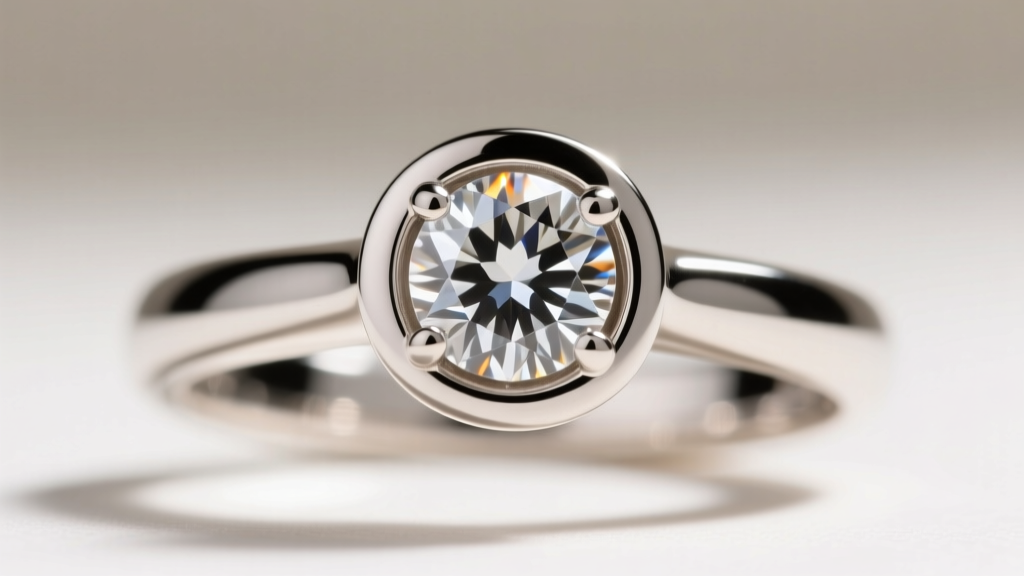
If your pd ring jewelry features diamonds or colored gemstones, the metal's brittleness dictates the design. Palladium does not have the "memory" or tensile strength of platinum. If a Pd950 prong is bent backward, it is highly likely to snap off rather than bend back into place.
- Avoid: Delicate micro-pave settings, thin shared-prong eternity bands, or high-tension settings.
- Embrace: Bezel settings, channel settings, and thick, cast-in-place prongs. For high-impact stones like emeralds or opals, a palladium bezel offers superior protection against crushing forces.
Practical Buying Framework: Who Should Buy Pd Jewelry?
To synthesize this data into a practical decision matrix, use the following framework to determine if palladium aligns with your lifestyle and budget.
The Ideal Palladium Buyer: You want a hypoallergenic, naturally white metal that will never require rhodium plating. You are on a strict budget but refuse to compromise on metal purity (95%). You know your exact ring size, prefer heavier/wider band profiles (where platinum would be prohibitively expensive), and view your jewelry as a lifelong wearable rather than a liquid asset.
The Non-Ideal Palladium Buyer: Your finger size fluctuates frequently due to temperature, diet, or lifestyle. You want a delicate, micro-pave diamond ring with intricate prong work. You plan to upgrade or trade in your ring in 3 to 5 years and expect to recoup a significant portion of your initial investment.
Final Verdict on Palladium Value
In 2026, pd ring jewelry represents one of the most compelling arbitrage opportunities in the bridal and fashion jewelry market. You are effectively acquiring a premium, hypoallergenic, 95% pure platinum-group metal for a fraction of the cost of gold or platinum. By understanding its limitations—specifically regarding resizing and gemstone settings—you can leverage palladium's low density and spot price to acquire substantial, comfortable, and brilliant white metal rings that punch far above their weight class in both style and value.


