Purity Ring Jewelry Meaning & 2026 Style Evolution
Explore the evolving purity ring jewelry meaning in 2026. Discover modern materials, minimalist designs, and how to style promise rings today.

The Historical Baseline vs. The 2026 Paradigm Shift
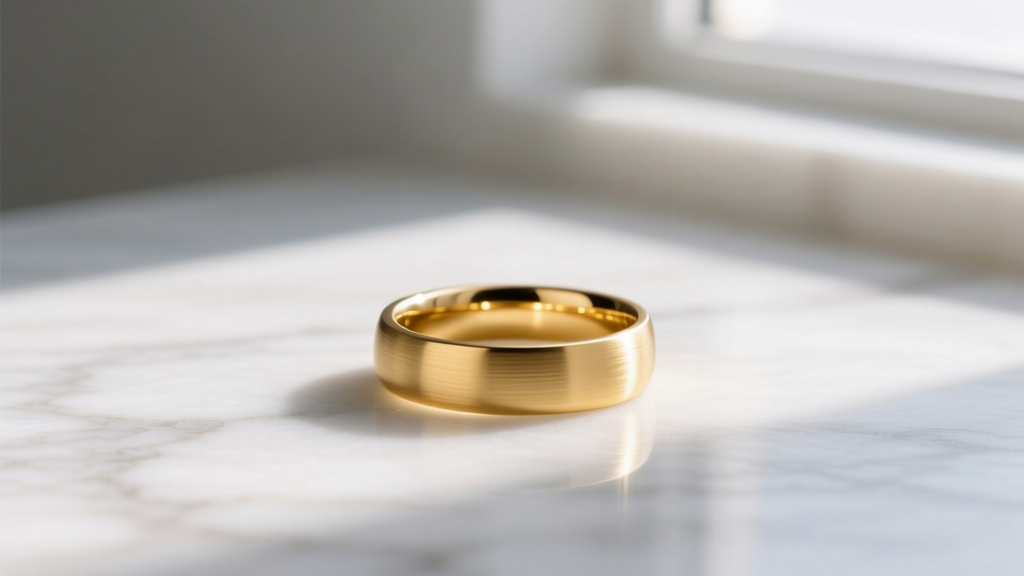
When analyzing the purity ring jewelry meaning, most cultural touchstones point directly to the late 1990s and early 2000s. During that era, these rings were heavily commercialized, often characterized by mass-produced 925 sterling silver bands featuring overt engravings like 'True Love Waits' or prominent cross motifs. They were largely marketed toward teenagers as symbols of abstinence and religious commitment. However, as we navigate the jewelry landscape of 2026, the narrative has fundamentally shifted. The modern wearer is reclaiming the concept of the promise ring, stripping away the performative aspects and replacing them with deeply personal, intentional commitments.
Today, the aesthetic has moved away from chunky, heavily textured bands toward 'quiet luxury' and minimalist architecture. The focus is now on high-quality metallurgy, ergonomic profiles, and subtle design cues that hold private significance rather than public declarations.
Decoding the Modern Purity Ring Jewelry Meaning
To truly understand the modern purity ring jewelry meaning, we must look past the singular focus of previous decades. In 2026, intentional jewelry encompasses a vast spectrum of personal vows. Wearers are utilizing these rings as tactile anchors for a variety of commitments:
- Sobriety and Recovery: A physical milestone marker for years of sobriety or commitment to mental health boundaries.
- Self-Love and Autonomy: Often worn on the right ring finger or pinky, symbolizing a promise to prioritize personal growth, financial independence, or self-care.
- Platonic and Familial Bonds: Exchanged between close friends, siblings, or parents and children as a symbol of enduring loyalty, entirely divorced from romantic connotations.
- Traditional Romantic Promises: Still utilized as pre-engagement markers, but with a focus on mutual partnership and shared future goals rather than archaic ownership concepts.
'The modern promise ring is no longer about broadcasting a specific moral stance to the world; it is an intimate, tactile anchor for personal growth, self-accountability, and private milestones.' — Contemporary Jewelry Trend Forecast, 2026
Material Upgrades for 24/7 Wear
Because purity and promise rings are designed to be worn 24/7, material selection is the most critical factor in the purchasing process. Historically, 925 sterling silver was the default due to its low cost. However, according to The Silver Institute, the copper alloy in sterling silver makes it highly susceptible to oxidation and sulfur-induced tarnishing, especially when exposed to daily sweat, lotions, and showering. Furthermore, silver's low Mohs hardness (2.5-3.0) means it will warp and scratch heavily over a decade of continuous wear.
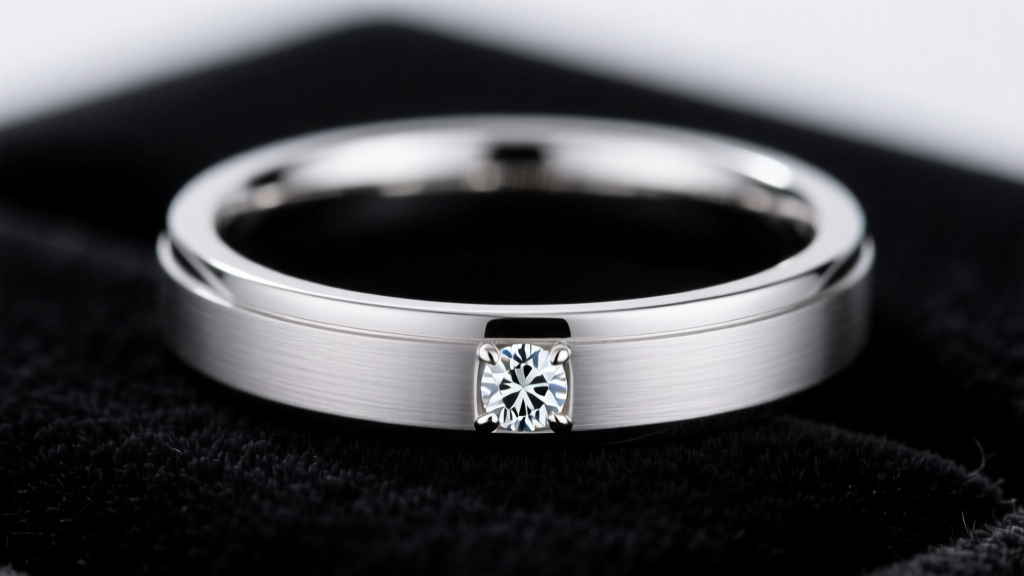
For a ring meant to last a lifetime, 2026 buyers are investing in harder, more resilient metals. Below is a comparative breakdown of the most reliable materials for daily-wear promise bands:
| Metal Grade | Mohs Hardness | Tarnish Risk | Avg. Price (2-3mm Band) | Resizability |
|---|---|---|---|---|
| 925 Sterling Silver | 2.5 - 3.0 | High | $40 - $120 | Yes |
| 14k Solid Gold | 3.5 - 4.0 | Low | $250 - $600 | Yes |
| Platinum (950) | 4.0 - 4.5 | None (Patinas) | $800 - $1,500+ | Yes |
| Grade 5 Titanium | 6.0 | None | $80 - $200 | No |
As noted by the Gemological Institute of America (GIA), platinum and 14k gold offer the best balance of durability and long-term maintenance. While Grade 5 Titanium is incredibly scratch-resistant, its inability to be resized makes it a risky choice for a ring meant to be worn through the natural weight and fluid fluctuations of a lifetime.
The Danger of Standard Fit vs. Comfort Fit
When ordering a 24/7 ring, the interior profile is just as important as the exterior metal. A 'standard fit' ring has a flat interior, which creates a suction effect against the skin, trapping moisture, soap, and dead skin cells. This frequently leads to contact dermatitis and skin maceration. Always opt for a comfort fit (or court profile) band, which features a gently domed interior. This reduces the surface area touching the skin, allowing airflow and water to pass through freely.
Design Trends: From Engraved Mantras to Quiet Luxury
The overt engravings of the past have been replaced by 'quiet luxury' design codes. In 2026, the meaning of the ring is conveyed through subtle, almost hidden details rather than bold text. Popular design iterations include:
- Flush-Set Birthstones: A single, 1.5mm diamond or sapphire set flush into the metal, sitting perfectly level with the band to prevent snagging on clothing.
- Interior Milgrain or Engravings: Moving the sentimental text or fingerprint engravings to the inside of the band, keeping the exterior completely sleek and unadorned.
- Signet Adaptations: Using a small, minimalist pinky signet ring as a promise marker, featuring a subtle family crest or a custom geometric monogram on the face.
- Beveled Edges: A 2mm band with sharply beveled edges that catch the light dynamically, offering a modern, architectural look without needing gemstones.
Sizing, Knuckle Clearances, and Daily Wear Mechanics
A common failure mode for daily-wear rings is improper sizing relative to the wearer's knuckle. If your knuckle is significantly larger than the base of your finger, sizing the ring to slide over the knuckle will result in a band that spins endlessly and knocks against adjacent fingers, causing premature metal wear.
The 2026 solution is the integration of sizing beads (also known as speed bumps). These are two small, 1mm metal domes soldered to the interior bottom of the ring shank. They allow the ring to pass over a large knuckle but grip the base of the finger, keeping the ring upright and secure. Additionally, because fingers naturally swell in the heat of summer and shrink in the cold of winter, it is highly recommended to size your ring during the late afternoon when your hands are at their maximum natural volume.
How to Style and Stack Modern Promise Rings
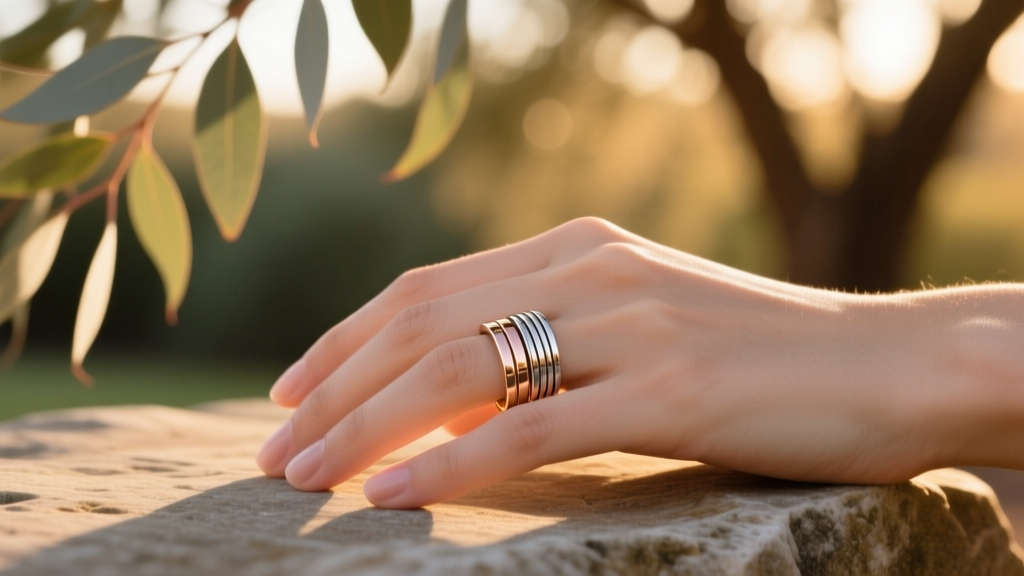
Styling a modern purity ring requires balancing its sentimental weight with contemporary fashion sensibilities. The days of wearing a solitary, chunky silver band on a bare hand are fading. Here is how to integrate intentional jewelry into your daily stack:
- The Rule of Three: Limit your stack to three rings per finger to avoid excessive friction and metal wear. A 2mm promise ring pairs beautifully with a 1mm diamond eternity band and a textured signet.
- Metal Mixing: In 2026, mixing 14k yellow gold with platinum or titanium is highly encouraged. The contrast highlights the individual pieces and prevents the stack from looking like a matched bridal set.
- Finger Placement: To avoid confusion with traditional engagement or wedding rings, many modern wearers place their promise rings on the right ring finger, the left index finger, or even the pinky to signify self-commitment.
- Texture Contrast: Pair a high-polish purity ring with a brushed, hammered, or sandblasted band. The interplay of light across different finishes adds depth to a minimalist stack.
Final Thoughts on Intentional Jewelry
The evolution of the purity ring jewelry meaning is a testament to how jewelry adapts to the cultural zeitgeist. What began as a mass-market symbol of teenage abstinence has matured into a sophisticated, deeply personal category of intentional jewelry. By prioritizing high-grade metals, ergonomic comfort fits, and quiet luxury aesthetics, the modern promise ring serves as a resilient, beautiful anchor for whatever private vows you choose to make to yourself or your loved ones in 2026 and beyond.