Nipple Jewelry Non Piercing Options: Sizing, Metals & Fit
Discover expert insights on nipple jewelry non piercing options. Learn about adjustable shields, magnetic clasps, skin-safe metals, and exact sizing.

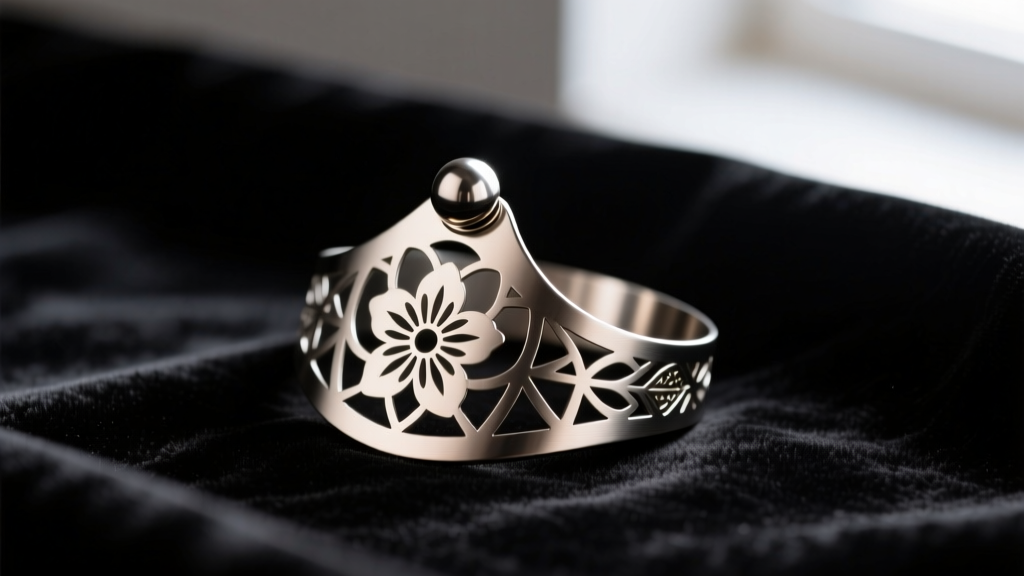
The evolution of intimate body adornment has significantly expanded beyond traditional fistulas and dermal anchors. For individuals seeking aesthetic enhancement without the commitment, healing time, or anatomical limitations of a puncture, nipple jewelry non piercing alternatives offer a sophisticated solution. However, the market is saturated with poorly engineered novelty items that pose severe risks to delicate tissue. As a domain expert in intimate jewelry mechanics, I approach non-piercing adornment not as a mere accessory, but as a biomechanical device that must balance secure retention with tissue perfusion.
This technical deep dive dissects the material science, tension metrics, and anatomical sizing protocols required to safely wear non-piercing nipple shields, magnetic clasps, and adhesive-based adornments.
The Biomechanics of Non-Piercing Nipple Adornment
The nipple and areolar complex lack a rigid underlying skeletal structure; they are composed primarily of smooth muscle fibers, glandular tissue, and a dense network of superficial blood vessels. When applying any external compressive force—such as a spring-loaded shield or a magnetic clasp—you are directly opposing capillary perfusion pressure.
Normal capillary perfusion pressure in superficial tissues ranges between 20 to 30 mmHg. If a non-piercing mechanism applies continuous pressure exceeding this threshold, it induces localized ischemia (oxygen deprivation). Over a period of 2 to 4 hours, this can lead to tissue necrosis, blistering, or post-inflammatory hyperpigmentation. Therefore, high-quality non-piercing jewelry must distribute compressive forces across a wider surface area using friction-enhancing, skin-safe polymers rather than relying solely on sheer clamping force.
Material Science: What is Actually Skin-Safe?
Because non-piercing jewelry sits flush against the epidermis and traps moisture, sweat, and sebum, the risk of contact dermatitis is exponentially higher than with healed piercings. The occlusive nature of these pieces demands absolute material inertness.
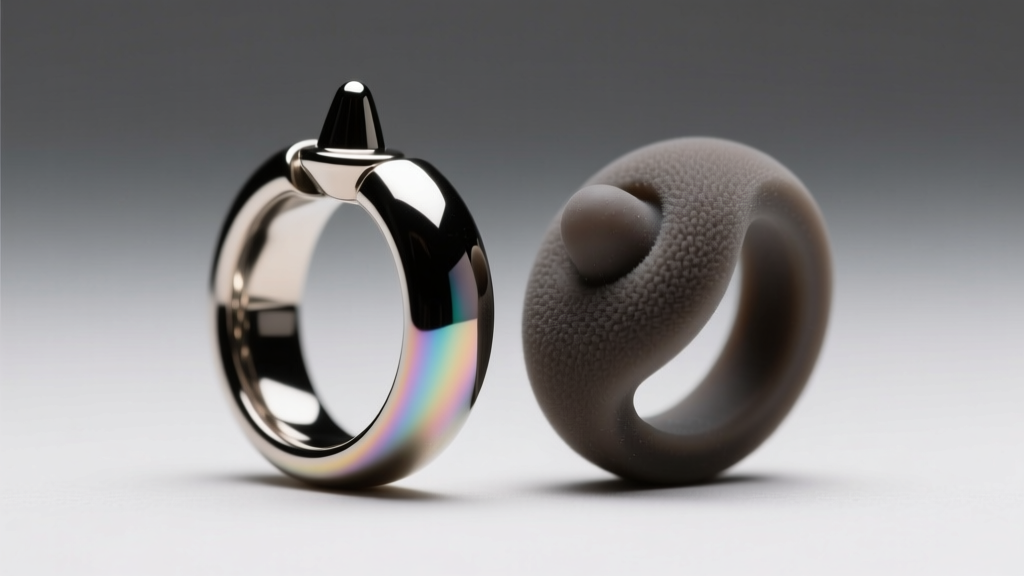
The Association of Professional Piercers (APP) maintains strict guidelines for implant-grade metals, which apply equally to non-piercing skin contact. Cheap "surgical steel" (316L) contains up to 14% nickel. When trapped against the skin with sweat acting as an electrolyte, nickel ions leach into the epidermis, triggering severe allergic reactions. For a comprehensive understanding of metal hypersensitivity, the American Academy of Dermatology notes that nickel is the leading cause of contact dermatitis worldwide.
| Material | ASTM/Grade Standard | Biocompatibility | Best Application |
|---|---|---|---|
| Implant-Grade Titanium | ASTM F136 (Ti-6Al-4V ELI) | Exceptional; zero nickel content | Primary structural frames, shield bases |
| Niobium | 99.9% Pure (Commercially Pure) | Exceptional; highly inert, anodizable | Decorative elements, lightweight rings |
| Platinum | 95% Platinum / 5% Iridium | Superior; heaviest, most luxurious | Premium magnetic clasps, inlay accents |
| Medical-Grade Silicone | USP Class VI (Shore A 40-50) | Excellent; high friction, flexible | Inner tension pads, O-rings, adhesives |
Tension, Magnets, and Adhesives: Failure Modes & Solutions
Retention is the primary engineering challenge for nipple jewelry non piercing designs. Manufacturers utilize three main mechanisms, each with distinct failure modes and technical solutions.
Spring-Tensioned Shields
Early non-piercing shields utilized rigid steel springs that snapped shut with unpredictable torque. Modern expert-grade shields use micro-calibrated tension hinges paired with USP Class VI silicone friction pads (typically rated at Shore A 45 durometer). The silicone grips the areolar texture without pinching the epidermis. Failure Mode: Hinge fatigue leading to asymmetric pressure. Solution: Invest in shields with replaceable silicone inserts and CNC-machined titanium hinges that allow for micro-adjustments via a microscopic set screw.
Magnetic Clasps
Magnetic retention relies on Neodymium (NdFeB) rare-earth magnets. However, raw neodymium is highly susceptible to oxidation and contains heavy metals that are toxic to the skin. Failure Mode: Coating degradation leading to magnet corrosion and skin toxicity. Solution: Ensure the magnets are hermetically sealed using a Parylene C conformal coating or fully encapsulated within a laser-welded ASTM F136 titanium shell. This prevents moisture ingress while maintaining a strong magnetic flux density (typically N42 to N52 grade for sufficient hold through thicker tissue).
Medical-Grade Adhesives
For completely flat or inverted nipples where tension and magnets fail, silicone-based prosthetic adhesives (such as Telesis 5 or Premiere Silicone Adhesive) offer a secure bond. Unlike cyanoacrylate (Super Glue), which cures rigid and damages the stratum corneum upon removal, silicone adhesives remain flexible and dissolve safely with medical adhesive removers. Failure Mode: Folliculitis from trapped hair and sweat. Solution: Limit adhesive wear to 6-8 hours and prep the skin with an isopropyl alcohol barrier wipe to remove sebum before application.
Precision Sizing: Measuring the Areola and Nipple Projection
The most common reason for non-piercing jewelry failure is improper sizing. Unlike a standard 14-gauge barbell that fits a pierced fistula, non-piercing pieces must accommodate dynamic anatomical variables: base diameter, projection length, and tissue malleability.
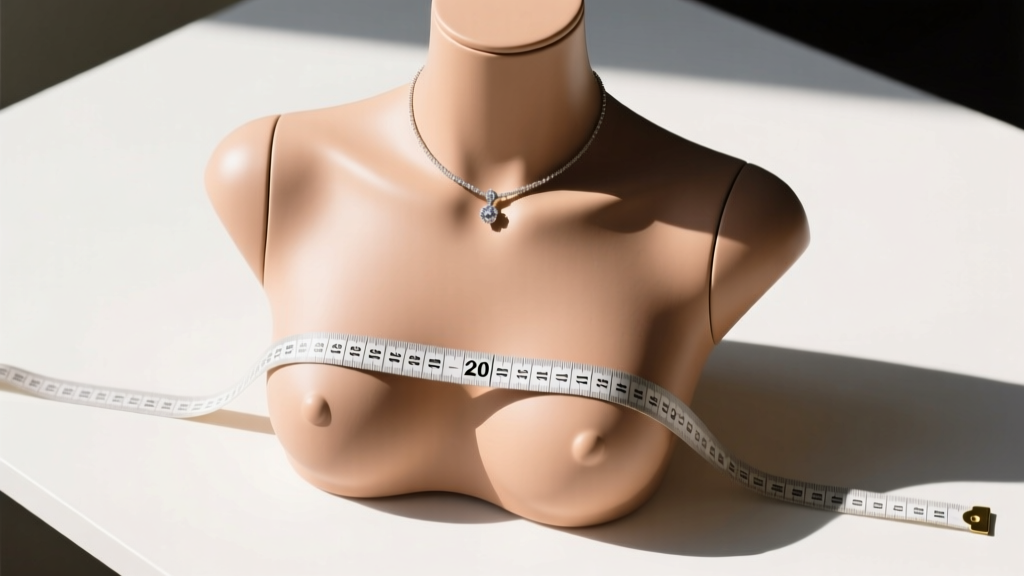
- Base Diameter (Areola Width): Measure the immediate base of the nipple where it meets the areola. Standard non-piercing shields range from 12mm to 25mm in inner diameter. If the ring is too narrow, it will constrict the base and cause lymphatic pooling.
- Projection (Length): Measure from the areolar plane to the tip of the nipple in its aroused or stimulated state. Non-piercing jewelry must accommodate a 20% to 40% increase in volume and projection during temperature changes or physical stimulation. Look for shields with an open-top design or adjustable vertical clearance.
- Tissue Compressibility: Highly glandular tissue compresses differently than adipose-heavy tissue. If your tissue is dense, opt for magnetic clasps with a wider gap (e.g., 8mm-10mm) rather than spring-tensioned clips.
Expert Maintenance and Hygiene Protocols
Because non-piercing jewelry creates an occlusive environment against the skin, biofilm accumulation is a guaranteed certainty if not cleaned correctly. Sweat, dead skin cells, and sebum will pack into the micro-crevices of intricate shield designs, leading to bacterial or fungal overgrowth (such as Candida albicans).
Expert Protocol: Never use harsh chemical dips, bleach, or boiling water on non-piercing jewelry, as these will destroy PVD coatings, degrade silicone friction pads, and shatter magnetic seals. Instead, use a 40kHz ultrasonic cleaner with a mild, phosphate-free enzymatic jewelry detergent for exactly 3 minutes after every wear. Rinse with distilled water and dry with a lint-free microfiber cloth before storing in a UV-sterilized case.
By treating nipple jewelry non piercing options with the same respect and technical scrutiny as surgical implants, you can achieve stunning aesthetic results without compromising the health, sensitivity, or integrity of your intimate tissue. Always prioritize verifiable material certifications and biomechanically sound retention systems over cheap, mass-produced novelties.


