Fake Nipple Piercing Jewelry: 2026 Budget & Safety Guide
Discover the true cost of fake nipple piercing jewelry. We evaluate budget clip-ons, magnets, and shields for safety, comfort, and long-term value.

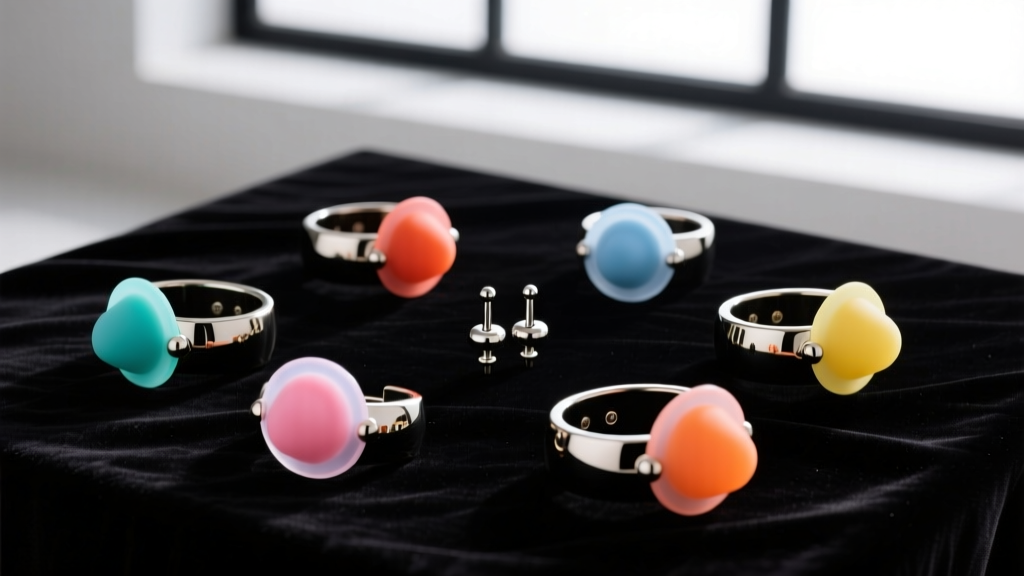
The market for non-piercing intimate accessories has exploded over the last few years, offering a commitment-free way to experiment with body modification aesthetics. However, as we navigate the 2026 landscape of intimate accessories, a critical question remains: is the budget-friendly route actually worth your money, your comfort, and your skin health? When shopping for fake nipple piercing jewelry, the price gap between a $6 multi-pack from an overseas marketplace and a $45 artisan-crafted silicone shield is vast. This guide breaks down the true value, hidden costs, and material realities of non-piercing nipple jewelry, helping you make an informed investment.
The Real Cost of the 'Cheap' Multi-Pack Trap
It is incredibly tempting to purchase a 10-pack of non-piercing nipple rings for under $10. These budget sets typically feature tension clips or basic magnetic clasps manufactured from mystery alloys. While the upfront cost is negligible, the value proposition collapses upon first wear. Budget manufacturers prioritize visual mimicry over biomechanical comfort and dermatological safety.
The primary issue with ultra-cheap fake nipple piercing jewelry is the base metal. To keep costs low, factories often use zinc alloy or brass, finishing the pieces with a microscopically thin flash-plating of nickel or silver. Within hours of contact with the highly sensitive, porous skin of the areola, this plating can degrade or leach, triggering severe contact dermatitis. According to the Mayo Clinic, nickel allergy is one of the most common causes of allergic contact dermatitis, resulting in itchy, red, and blistering skin. Treating a severe flare-up requires hydrocortisone creams and days of discomfort, instantly negating any money saved on the initial jewelry purchase.
Attachment Mechanisms: Which Budget Option Actually Works?
The mechanism that keeps the jewelry attached to your body dictates both the retail price and the functional lifespan of the piece. Here is how the three main budget categories stack up in terms of real-world performance.
Magnetic Clasps and Neodymium Grades
Magnetic nipple shields rely on two opposing magnets clamping the tissue together. Budget options usually use weak, ungraded ferrite magnets that slip off with minor friction, or conversely, overly aggressive N52-grade neodymium magnets. N52 magnets are incredibly powerful; when clamped across delicate areolar tissue, they can restrict capillary blood flow, leading to ischemia (tissue damage from lack of oxygen) and severe bruising. The true 'value' tier utilizes N35 or N42 neodymium magnets, which provide enough tensile strength to survive a night out without cutting off circulation. Expect to pay $18 to $25 for a quality N42 magnetic set encased in body-safe silicone.
Tension Clips and Memory Metal
Clip-on nipple rings use a spring-loaded or tension-based hinge. Cheap spring-loaded clips feature rigid, unyielding steel that pinches the nerve-dense nipple tissue, causing sharp pain within 20 minutes. Higher-value tension clips utilize tempered memory metal or Nitinol, which adapts to the exact swelling and shape of the anatomy. While a budget spring clip costs around $4, a memory-metal tension cuff ranges from $15 to $28, offering hours of painless wear.
Silicone Suction and Adhesive Shields
For the most realistic look of a traditional nipple shield, suction and adhesive-based fake nipple piercing jewelry is the gold standard. Budget suction cups rely purely on negative pressure, failing completely if the skin is moisturized or if body temperature fluctuates. Premium non-piercing shields use medical-grade, skin-safe adhesives (like Telesis 5 or Silpoxy) paired with platinum-cured silicone. These kits cost between $35 and $60 but offer up to 12 hours of secure, painless, and waterproof wear.
Material Breakdown: Budget Alloys vs. Body-Safe Metals
When assessing the budget versus value of intimate jewelry, the material composition is the single most important metric. The Association of Professional Piercers (APP) sets rigorous standards for metals that interact with mucosal and highly sensitive tissue. While you are not breaking the skin with fake piercings, the areola is highly absorbent and prone to micro-abrasions from friction.
| Material Grade | Common Price Range | Skin Safety | Longevity & Value |
|---|---|---|---|
| Zinc Alloy / Brass (Plated) | $3 - $8 (per pair) | Poor (High nickel/lead risk) | Tarnishes in days; low value |
| 316L Surgical Stainless Steel | $12 - $20 (per pair) | Good (Low nickel release) | Durable; excellent mid-tier value |
| ASTM F138 Implant-Grade Titanium | $25 - $45 (per pair) | Excellent (100% Nickel-free) | Lifetime durability; highest value |
| Platinum-Cured Silicone | $30 - $60 (adhesive kits) | Excellent (Hypoallergenic) | Reusable bases; premium value |
If you are strictly budget-conscious, 316L surgical steel is the absolute minimum acceptable standard. It contains trace amounts of nickel, but the alloy structure traps it, preventing leaching. However, for those with known sensitivities, investing in ASTM F138 compliant titanium or PVD-coated metals is non-negotiable. PVD (Physical Vapor Deposition) coating bonds a hypoallergenic layer of titanium nitride or gold to a steel base, offering the aesthetic of luxury metals without the budget-crushing price tag of solid 14k gold.
Hidden Costs: Skin Irritation and Wardrobe Malfunctions
A comprehensive budget assessment must account for the hidden costs associated with subpar fake nipple piercing jewelry. The most frequent hidden cost is wardrobe damage. Cheap tension clips often feature poorly filed seams and sharp casting lines. When worn under tight clothing or lace, these micro-abrasions act like tiny saws, snagging and ruining expensive bras and shirts.
A $12 non-piercing clip that ruins a $60 bra is not a budget win; it is a $72 loss. Always inspect the interior hinges and seams of any tension-based jewelry with a magnifying glass before wearing it against delicate fabrics.
Furthermore, the psychological cost of 'wardrobe malfunctions' cannot be overstated. Weak magnetic clasps frequently detach when navigating crowded spaces or during intimate moments, leading to lost jewelry and embarrassing situations. Replacing lost budget magnets every few weeks ultimately costs more than buying one high-retention set engineered with proper magnetic polarity and silicone friction grips.
The Verdict: Where to Invest Your Money
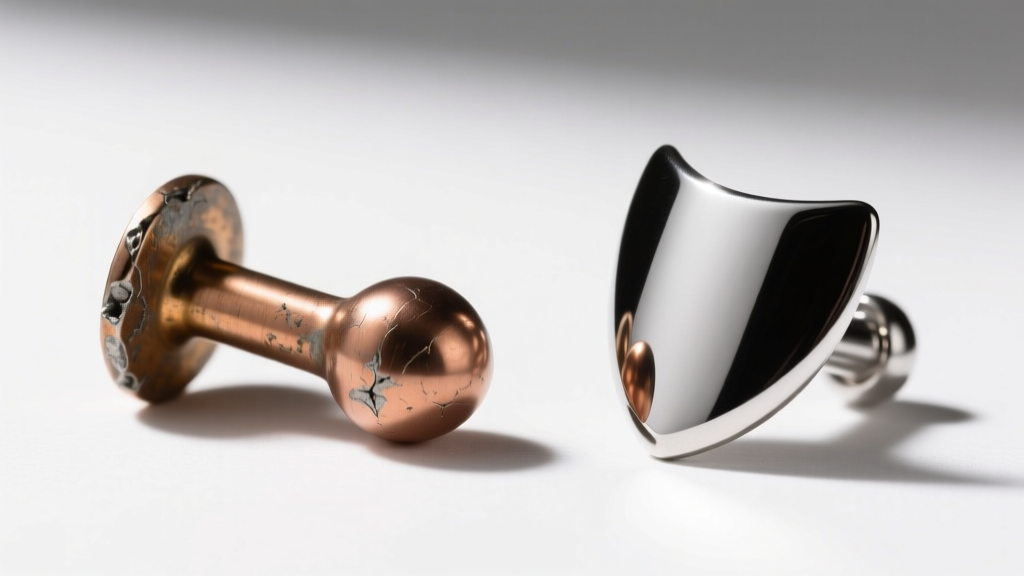
As of 2026, the non-piercing jewelry market has matured, making it easier than ever to identify true value. If your budget is strictly under $15, you are better off saving your money rather than risking contact dermatitis and tissue pinching from mystery-metal multi-packs.
For the best balance of budget and value, allocate $25 to $40 toward a single, high-quality piece. Look for N42 neodymium magnets fully encased in medical-grade silicone to prevent direct metal-to-skin contact, or opt for a polished 316L stainless steel tension cuff with smoothed, hand-filed hinges. By prioritizing biocompatible materials and biomechanically sound attachment methods, your fake nipple piercing jewelry will provide a safe, comfortable, and highly realistic aesthetic that justifies every penny spent.


