The Beginner's Guide to Choosing Womens Nipple Jewelry
Discover everything a beginner needs to know about womens nipple jewelry, from implant-grade titanium barbells to sizing, healing, and alternatives.

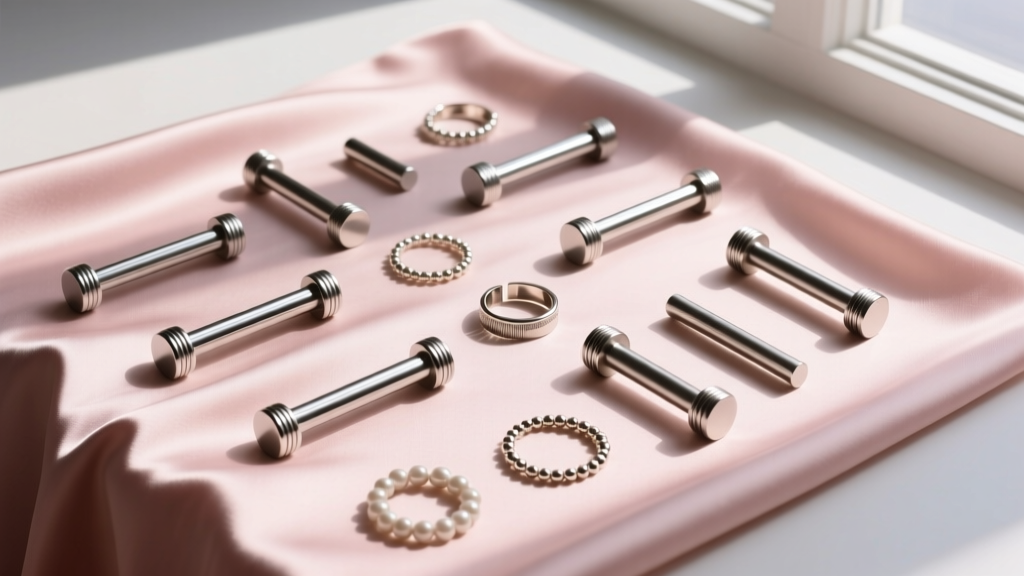
Stepping Into the World of Intimate Adornment
Choosing your first piece of womens nipple jewelry is an exciting milestone, whether you are preparing for a fresh piercing or looking to upgrade a fully healed one. However, the intimate nature of this piercing demands a much higher standard of jewelry quality, precision sizing, and material safety than standard earlobe accessories. The skin in the areolar region is highly sensitive, vascular, and prone to irritation if subjected to poor-quality metals or improper fits.
This comprehensive beginner's guide will demystify the technical jargon of intimate body jewelry. We will cover the non-negotiable material standards, the critical mechanics of threading, exact sizing metrics, and safe alternatives for those who want the aesthetic without the needle. By understanding these fundamentals, you can build a collection that is not only visually stunning but also biologically harmonious with your body.
The Material Science: Why Implant-Grade is Non-Negotiable
When browsing for womens nipple jewelry, you will frequently encounter the term 'surgical steel.' For a beginner, this sounds exceptionally safe and clinical. In reality, standard surgical steel (often 316L) contains nickel, a known allergen that can cause contact dermatitis, delayed healing, and hypertrophic scarring in sensitive tissue. Because nipple piercings take significantly longer to heal than ear piercings, prolonged exposure to nickel is a major risk factor for rejection.
The ASTM F-136 Titanium Standard
The undisputed gold standard for initial and long-term intimate jewelry is Implant-Grade Titanium (ASTM F-136). This specific alloy is completely nickel-free, highly polished to a mirror finish to prevent bacterial adhesion, and biocompatible. It is the exact same material used in orthopedic joint replacements and pacemaker casings. According to the Association of Professional Piercers (APP), implant-grade titanium is the only recommended metal for fresh piercings due to its inert nature.
Niobium is another excellent, nickel-free alternative. It is a highly reactive metal that can be anodized to produce vibrant, permanent colors without the use of toxic dyes or platings that could flake off inside the piercing channel. While solid 14k or 18k gold (alloyed for body safety, avoiding copper-heavy rose golds) is safe for healed piercings, it should be avoided during the initial healing phase due to the risk of metal sensitivity and the high cost of replacing it if complications arise.
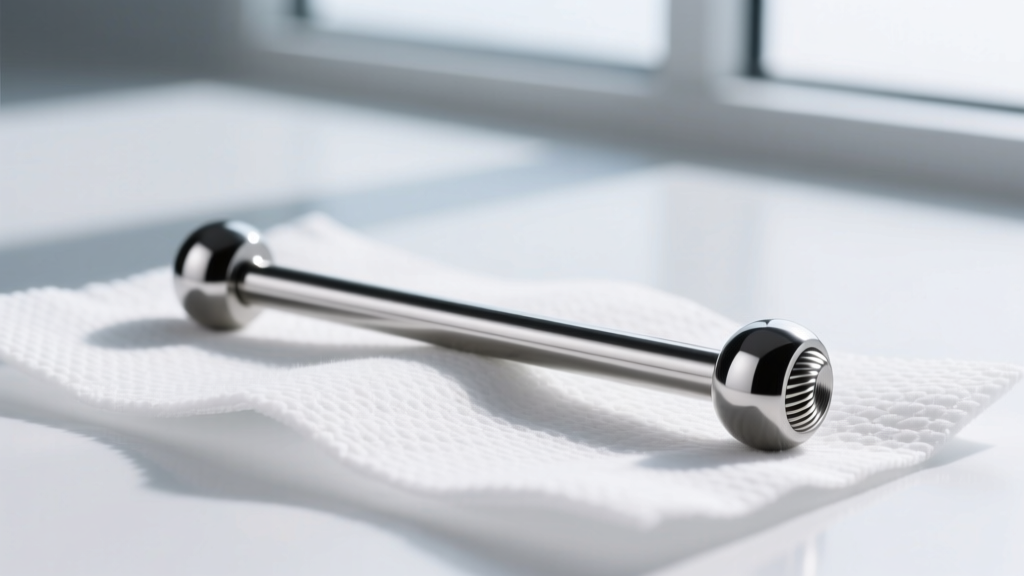
Decoding Sizing: Gauge, Length, and the Downsizing Rule
Sizing in intimate jewelry is measured in two dimensions: gauge (thickness) and length (or diameter). Getting this wrong can lead to the 'cheese-cutter effect,' where jewelry that is too thin slowly migrates and slices through the tissue, or excessive pressure from jewelry that is too short, which restricts blood flow and causes necrosis.
The 14-Gauge Standard
The vast majority of womens nipple jewelry is crafted in 14-gauge (1.6mm). While some fashion retailers sell 16-gauge (1.2mm) options to save on material costs, professional piercers strongly advise against this for nipples. The 14-gauge thickness provides the necessary structural integrity to support the weight of the jewelry and the surrounding tissue, drastically reducing the risk of migration and rejection.
Initial Swelling vs. Healed Fit
Nipple tissue swells significantly after being pierced. A professional piercer will insert a longer barbell to accommodate this swelling. Once the swelling subsides (usually between 4 to 8 weeks), you must 'downsize' to a shorter barbell. Wearing an overly long barbell long-term increases the risk of the jewelry snagging on clothing, which can cause trauma and angle shifts in the piercing channel.
| Piercing Stage | Standard Gauge | Typical Barbell Length | Purpose |
|---|---|---|---|
| Initial / Swelling Phase | 14G (1.6mm) | 5/8 inch (16mm) | Accommodates acute post-piercing edema and prevents tissue compression. |
| Intermediate Downsizing | 14G (1.6mm) | 1/2 inch (12mm) | Reduces snag hazards once primary swelling has subsided (weeks 4-8). |
| Fully Healed / Long-Term | 14G (1.6mm) | 3/8 inch (10mm) or Custom | Provides a snug, comfortable fit tailored to the individual's specific anatomy. |
Threading Mechanics: Protecting Your Piercing Channel
How the decorative ends attach to the barbell post is just as critical as the metal itself. There are three main types of threading in body jewelry, and understanding them will save your delicate piercing channel from micro-tears.
- Externally Threaded: The screw threads are on the barbell post itself. When you insert or remove this jewelry, those sharp, jagged threads must pass directly through the delicate fistula (the healed skin tube). This causes micro-trauma and introduces bacteria. Avoid this entirely.
- Internally Threaded: The screw threads are on the inside of the decorative ball or end. The post that passes through your skin is completely smooth. This is a safe, high-quality standard for intimate jewelry.
- Threadless (Push-Pin): This system uses a smooth post and a decorative end with a slightly bent pin that inserts into the hollow post, held together by the tension of the bent metal. Threadless jewelry is widely considered the most secure and comfortable option for nipple barbells, as there are no threads to harbor bacteria or cross-thread.
Styles and Alternatives: Barbell vs. Ring vs. Non-Piercing
Why Straight Barbells Win for Beginners
For a fresh piercing, a straight barbell is the only acceptable choice. Straight barbells sit flush against the anatomy, minimizing movement and reducing the chance of the jewelry being bumped or snagged. They also allow for easy cleaning of both the entrance and exit holes.
When to Consider Rings and Shields
Captive Bead Rings (CBRs), seamless rings, and intricate nipple shields are visually striking but should only be introduced once the piercing is 100% healed (which can take 9 to 12 months). Rings naturally curve, which can put pressure on a straight piercing channel, leading to irritation bumps or angle migration. Shields, which encircle the areola, require precise anatomical measurements and should be custom-ordered to ensure they do not constrict blood flow.
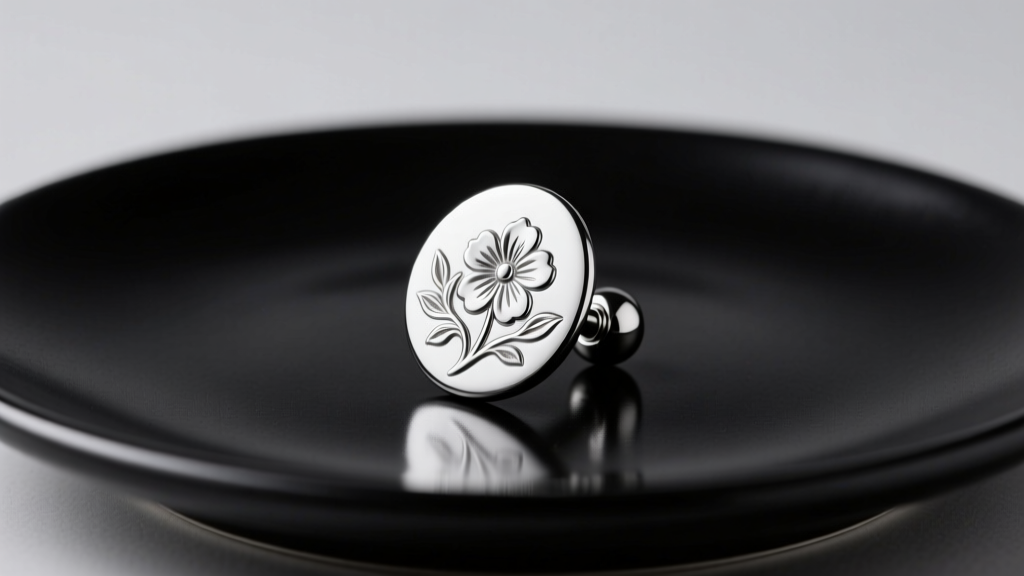
Non-Piercing Alternatives: Testing the Waters
If you are drawn to the aesthetic of womens nipple jewelry but are hesitant about the permanence or pain of a needle, non-piercing alternatives offer a temporary solution. Magnetic nipple shields and clip-on rings use gentle tension or neodymium magnets to stay in place. While they are excellent for photoshoots, special events, or testing how you feel about the visual weight of a shield, they are not designed for 24/7 wear. Prolonged use of magnetic jewelry can restrict circulation and cause tissue bruising. Always remove them after a few hours of wear.
Essential Aftercare and Healing Timelines
Nipple piercings are notorious for their lengthy healing process. While the initial tenderness may fade after a month, the internal fistula takes anywhere from 6 to 12 months to fully mature. During this time, your jewelry and aftercare routine must be flawless.
Pro Tip: Adopt the LITHA method (Leave It The Hell Alone). Do not twist, turn, or play with your new barbells. Movement introduces oral bacteria and tears the fragile healing tissue inside the channel.
Cleaning should be restricted to a sterile, 0.9% sodium chloride wound wash (saline) sprayed twice daily. Avoid harsh chemicals, tea tree oil, alcohol, and antibacterial soaps, which strip the skin of its natural microbiome and cause chemical burns on the sensitive areola. For a deeper dive into safe healing practices, review Healthline's guide on nipple piercing aftercare, which corroborates the APP's strict saline-only recommendations.
Final Thoughts on Building Your Collection
Investing in high-quality womens nipple jewelry is an investment in your long-term health and comfort. Expect to pay between $30 and $60 for a basic, high-quality implant-grade titanium straight barbell from reputable brands like Anatometal or Industrial Strength. Intricate threadless ends, solid gold upgrades, and custom-fitted shields will push the price into the $100 to $300+ range. By prioritizing ASTM F-136 titanium, 14-gauge thickness, and threadless or internally threaded mechanics, you ensure that your intimate jewelry is as safe and enduring as it is beautiful.


